











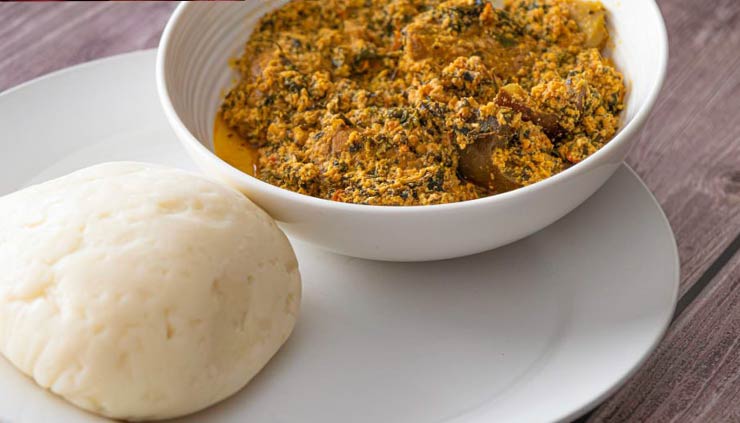
Egusi soup, a beloved West African dish, is prized for its rich, nutty flavor and hearty, semi-thick texture, ideal for pairing with swallow foods like fufu, eba, or pounded yam.
More than a meal, it is a cultural cornerstone, enjoyed at celebrations, family gatherings, and everyday dinners across Nigeria, Cameroon, and beyond.
Ground egusi (melon) seeds provide its unique thickening quality and signature curds while delivering strong nutritional benefits that support muscle repair, heart health, and blood sugar management.
What is Egusi? Understanding the Key Ingredient
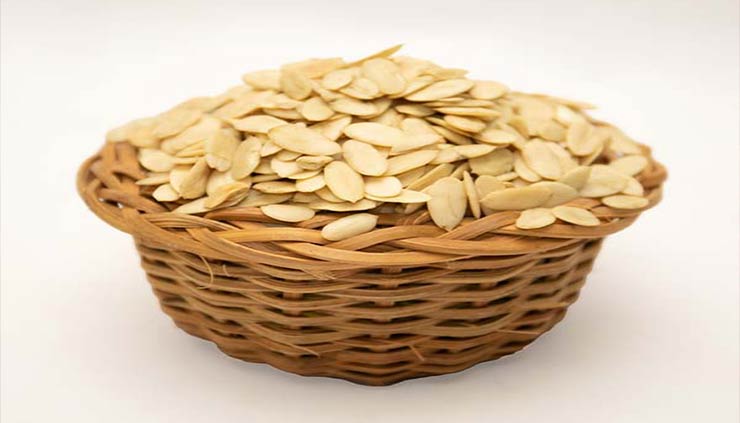
Egusi refers to the seeds of certain varieties of melon or pumpkin, prized across West Africa for the thick, savory base and distinct curds they give the soup.
Good read: What Is Egusi?
Nutritional Benefits of Egusi Soup
- High in protein, packed with essential amino acids for muscle growth and tissue repair
- Rich in healthy, unsaturated fats (like linoleic acid) that help lower LDL (bad) cholesterol
- Good source of dietary fiber, promoting healthy digestion and gut health
- Naturally low in carbohydrates, making it suitable for blood sugar management
- Rich in Vitamin E and B-complex vitamins that support skin health and cellular metabolism
- High in potassium, calcium, magnesium, phosphorus, iron, and zinc
Always use fresh and sun-dried egusi seeds (like those from BaobabMart) for the best texture and taste.
How to Make Egusi Soup
To make a classic egusi soup at home, cook seasoned meat and fish, fry ground melon seed paste in palm oil with onions and peppers until set, add your reserved meat stock and proteins, and finish with fresh leafy greens like spinach or bitterleaf. Serve hot with fufu, eba, or rice.
Essential Ingredients for Egusi Soup
Choosing Quality Egusi Seeds:
Select whole egusi seeds where possible rather than pre-ground powder; ground egusi spoils quickly, while whole seeds keep for much longer. Grind only what you need right before cooking, using a dry mill or blender, for the freshest flavor and best texture.
PS: Get quality egusi seeds from BaobabMart for your egusi soup
Protein Options: Meat, Fish, and Alternatives:
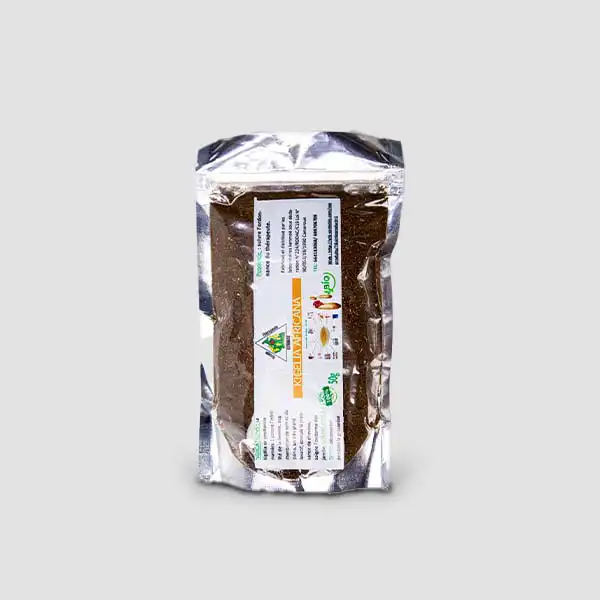
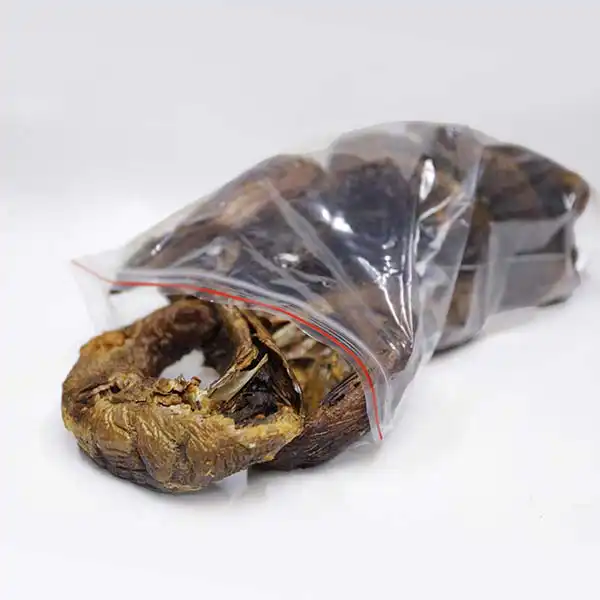
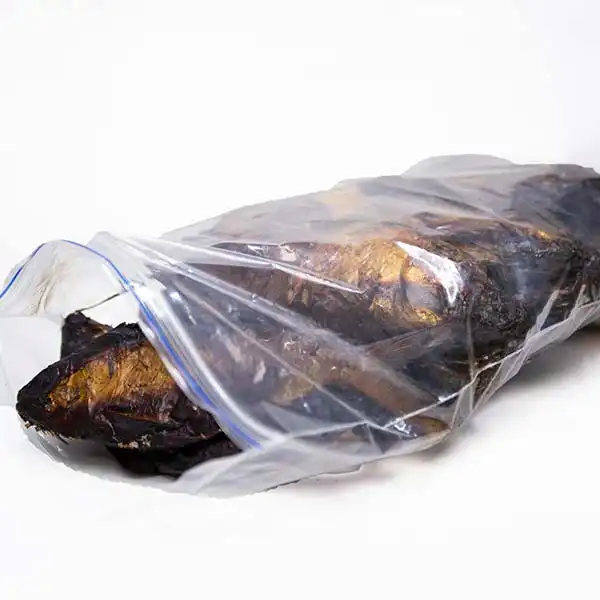
Egusi soup pairs well with a range of proteins. Goat meat, beef, shaki (tripe), or cow skin bring rich depth, while crayfish, dried fish, and smoked fish add a savory, umami-rich punch. Locust beans (iru or ogiri) can be blended in alongside the crayfish for extra traditional flavor.
Vegetables and Flavor Enhancers:
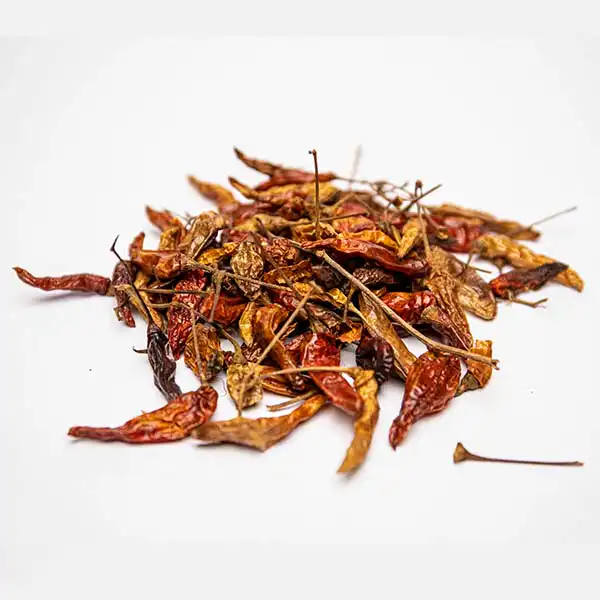
Leafy greens are essential to the finished soup. Spinach, bitter leaf, or pumpkin leaves (ugu) are the most common choices, each adding fiber, color, and a slightly different flavor profile. Scotch bonnet peppers and onions round out the seasoning base.
Preparation Steps: Getting Ready to Cook
- Grind seeds: Blend your egusi (melon) seeds into a fine powder or a thick paste using a dry mill or blender.
- Pre-cook protein: Boil tougher meats (like goat meat, shaki, or cow skin) and stockfish with onions and seasoning cubes until tender, and save the rich stock.
- Prepare seasonings: Blend or grind your scotch bonnet peppers, crayfish, and traditional locust beans (iru or ogiri) so they are ready to add.
- Wash greens: Thoroughly rinse your pumpkin leaves (ugwu), bitter leaf, or spinach to remove any grit, then chop them finely.
- Soak dried fish: Clean and soak any smoked or dried fish in hot water, then debone into sizeable chunks.
Always have your red palm oil measured out, and keep your reserved meat stock nearby to adjust soup thickness.
How to Make Egusi Soup: Step-by-Step Cooking Instructions
Step 1: Cook the Meat
- Season assorted meats and stockfish with chopped onions, salt, and seasoning cubes.
- Cook until tender, then set the meat aside and reserve the rich meat stock.
Step 2: Prepare the Egusi Paste
- Mix ground egusi seeds with a small amount of warm water or blended onion to form a very thick, smooth paste.
Step 3: Fry the Base
- Heat red palm oil in a large pot over medium-low heat (do not bleach or overheat the oil).
- Add chopped onions and sauté until fragrant.
Adding the Egusi
- Spoon the egusi paste into the warm oil.
- Fry and stir continuously for 10–15 minutes until the paste cooks through and forms soft, distinct curds.
Combining Peppers and Stock
- Stir in your blended peppers and cook for 5 minutes.
- Gradually pour in reserved meat stock and ground crayfish, stirring gently.
Simmering
- Add the cooked meats, stockfish, and smoked fish back into the pot.
- Cover and simmer on low heat for 15–20 minutes so all the flavors meld together.
Adding Vegetables
- Stir in chopped spinach or ugwu leaves.
- Cook uncovered for another 3–5 minutes until the greens are tender.
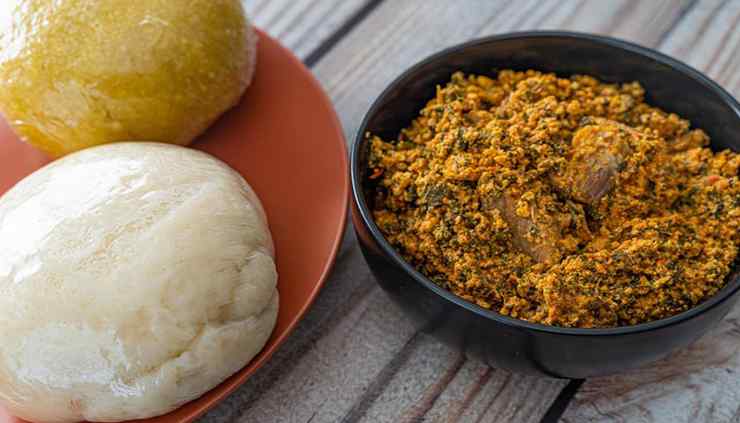
- Taste for salt and seasoning before removing from heat. Serve hot with pounded yam, eba, or fufu.
Expert Tips for Perfect Egusi Soup
- Don’t bleach oil: Warm your palm oil on medium heat until hot, but do not let it bleach or smoke.
- Choose your texture: For distinct lumps, drop spoonfuls of paste into the oil or fried pepper and cover to steam without stirring for 3 to 5 minutes. For a silky blend, stir continuously while it fries.
- Add umami: Stir in fermented locust beans (iru or dawadawa) along with generous amounts of ground crayfish for that deep, traditional taste.
- Time your greens: Add chopped ugu (pumpkin leaves), bitter leaf, or spinach last. Simmer uncovered for only 3 to 5 minutes so the vegetables stay bright green and crisp.
Variations: Regional Twists & Ingredient Swaps of egusi soup
- Sauce Pistache (Cameroon): A tomato-based egusi soup variation, distinguished from the Nigerian styles by the use of huckleberry (njama njama) as the signature leafy green in the Anglophone regions, though in the Francophone parts of the country the dish is more often prepared without any leafy greens at all, relying on the tomato-and-palm oil base alone for flavor.
It’s typically served with water fufu, fufu corn, or other cassava-based sides rather than pounded yam.
- Egusi Ijebu (Southwest Nigeria): Prepared without leafy greens, featuring a smooth, intensely fried texture where toasted melon seeds are ground and cooked down with extra palm oil.
- Ofe Egusi (Southeast Nigeria / Igbo style): Often cooked to a smoother, highly rich, and homogeneous consistency, or combined with a concentrated palm nut extract base (Banga-Egusi blend) for a deep, nutty profile.
- Lumpy Yoruba Style: Characterized by distinct, fluffy clumps or chunks of cooked egusi formed by mixing the paste with onions and dropping it into a hot stew base without disturbing it initially.
- Egusi Pepper Soup: A lighter, broth-heavy variation omitting heavy palm oil, using traditional pepper soup spices, toasted egusi, and assorted smoked meats or fish.
Serving Suggestions
Egusi soup is traditionally best enjoyed with classic African swallow options such as fufu, eba, or pounded yam, which complement its rich, hearty texture.
For a modern twist, it can also be served with boiled rice, offering a satisfying alternative that suits a variety of palates.
Nutritional Value & Health Benefits
Egusi soup is a well-balanced and nutritious meal, making it both delicious and health-supportive.
- It provides a strong source of plant protein from the ground egusi seeds themselves, along with complete animal protein from the meats or fish used, together supplying the essential amino acids needed for muscle repair and overall body function.
- The healthy fats from palm oil and egusi seeds, rich in unsaturated linoleic and oleic acids, along with natural carotenoids and vitamin E, contribute to heart health, sustained energy, and better absorption of fat-soluble vitamins.
- Additionally, the inclusion of leafy greens like ugu, spinach, or bitterleaf adds valuable fiber, vitamins A, C, and K, folate, and iron, supporting digestion, immunity, and overall wellness, while the peppers, onions, and spices bring antioxidants and anti-inflammatory benefits to round out the dish.
Frequently Asked Questions
How do you get the signature lumps?
Mix the ground egusi with a little water or stock to form a soft paste, then drop it in spoonfuls into hot stock or oil. Do not stir the pot immediately. Let the paste set and form soft lumps undisturbed for 5 to 10 minutes
How long can you keep egusi soup in the fridge?
Cooked egusi soup lasts for 3 to 4 days in the refrigerator when stored properly in an airtight container. If you need to keep it for a longer period, it can safely stay frozen for up to 3 months.
Does ground egusi spoil?
Yes, ground (blended) egusi spoils very fast. Whole egusi/melon seeds last much longer than ground ones. For the best shelf life, buy whole egusi seeds, clean them, and only grind the exact amount you need for your cooking
Why Buy Egusi Seeds from BaobabMart?
- Directly Sourced: Harvested by trusted local African farmers to maintain original flavor. 100% pure, natural, and chemical-free seeds.
- Flexible Quantities: Available for individual home cooking or large wholesale orders.
- Secure Packaging: Packed carefully to prevent spoilage and lock in long-lasting freshness.
- Fast Delivery: Prompt shipping options delivered directly to your door
Ready to cook? Get top-quality egusi seeds at BaobabMart today!