









Ever heard of egusi soup before? If you’re a fan of West African cuisine, the answer should be yes! So, what is egusi anyway?
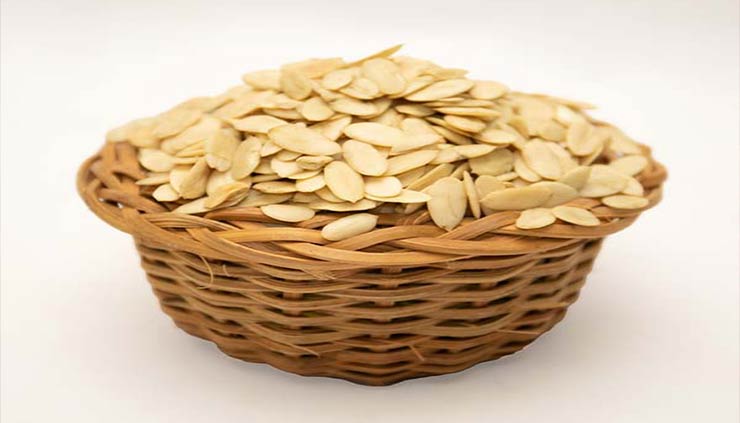
Egusi refers to the protein- and fat-rich seeds of wild melons, squashes, and gourds, which are shelled, dried, and ground into a powder. It’s a core staple in West and Central African cooking, most famous for making a rich, hearty, and nutty soup or stew.
In short, egusi is the seed harvested from a bitter, inedible melon or gourd, and it’s what gives egusi soup its signature thick, nutty, curd-like texture.
Egusi is prized for the way it thickens and flavors a pot, and it’s the star ingredient in egusi soup, a beloved dish across Nigerian, Cameroonian, and Ghanaian homes. Beyond its culinary charm, egusi is recognized as a nutritional powerhouse, rich in plant protein, heart-healthy fats, and key vitamins and minerals.
This guide explores its cultural significance, botanical background, health benefits, cooking techniques, and why BaobabMart offers top-quality egusi.
Cultural and Historical background of Egusi Seeds
Egusi seeds are the nutrient-dense seeds of wild-growing, bitter-fleshed cucurbit gourds (Citrullus lanatus and related species) native to tropical West and Central Africa.
For centuries, they have served as a core foundational food, an economic crop, and a symbol of communal hospitality across nations like Nigeria, Ghana, and Cameroon.
Unlike sweet dessert watermelons, the egusi melon yields bitter, inedible flesh; it has been cultivated strictly for its valuable seed content. For generations, farmers have planted egusi alongside staple crops like maize, yams, and cassava; the sprawling vines act as a natural ground cover that suppresses weeds and retains soil moisture.
Cultivation and traditional post-harvest processing have historically been managed heavily by women, sometimes referred to as “egusi wage” work labor that provided independent income and economic leverage in rural economies.
In Yoruba, Igbo, Bantou, and other West African traditions, presenting a dish enriched with ground egusi to visitors signifies profound respect, warmth, and shared community.
While the Yoruba name “egusi” is widely used, other groups have their own names for it; the Igbo call it egwusi, the Hausa call it agushi, and Central African groups call it mbíka.
Virtually every country across West and Central Africa, including Cameroon, Nigeria, Ghana, Togo, and Benin, has deep-rooted recipes built around the seed.
Reflecting its enduring heritage, egusi even reached a modern milestone: agricultural seeds from Nigeria were sent to the International Space Station for microgravity research.
PS: Get your organic egusi seeds in bulk and cook your egusi soup anytime without second thoughts.
What is egusi Seed? Botanical and Scientific Overview
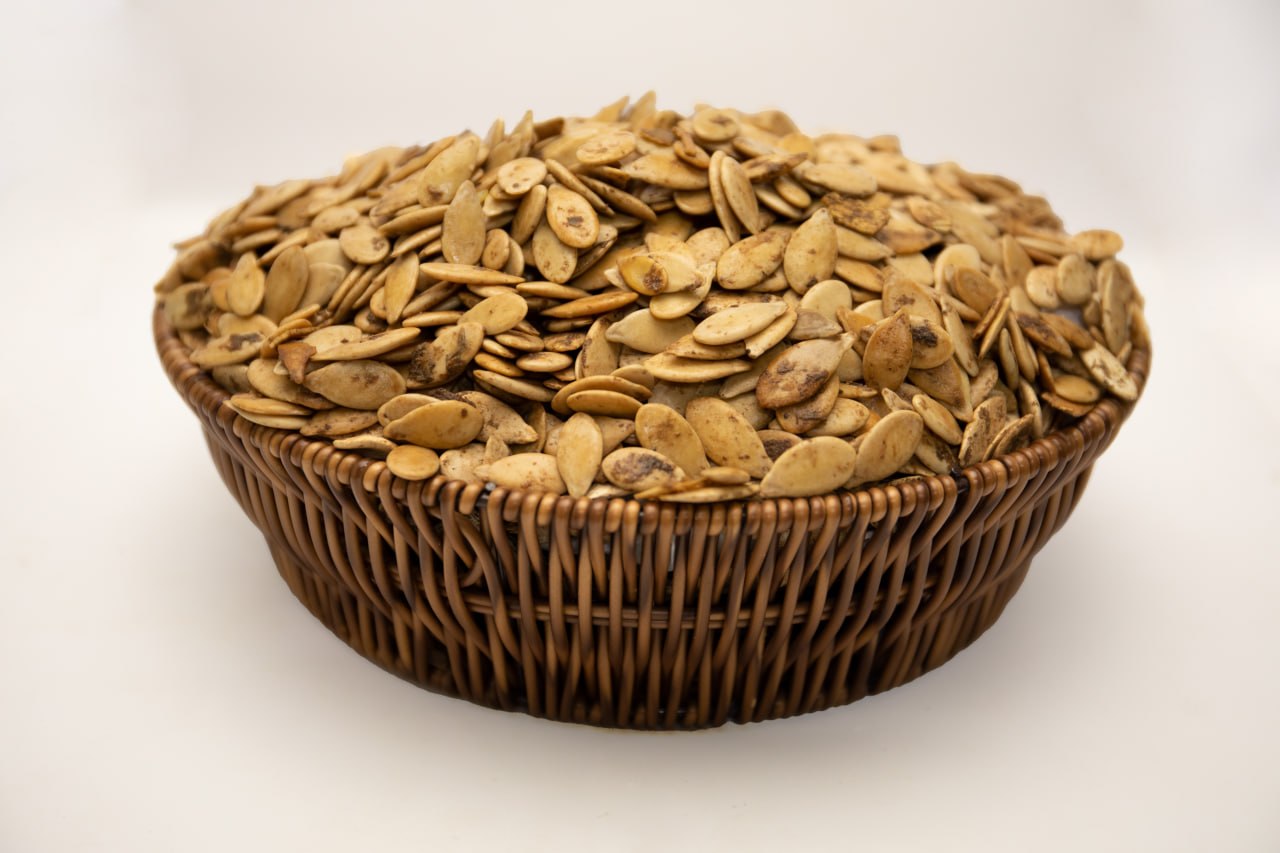
Egusi seed refers to the protein- and oil-rich seeds of specific wild cucurbitaceous plants, primarily Citrullus lanatus (egusi melon) and Cucumeropsis mannii, indigenous to West Africa. The bitter, inedible fruits are grown exclusively for these nutrient-dense seeds, which are dried, shelled, and ground to thicken and flavor traditional soups and stews.
Botanical classification:
- Family: Cucurbitaceae (gourd/melon family)
- Primary species: Citrullus lanatus (wild melon variant) or Cucumeropsis mannii (white-seeded melon)
- Growth habit: Fast-spreading, creeping annual vine with lobed leaves and hairy stems
- Fruit: Resembles a watermelon externally, but contains pale, bitter, fibrous flesh with large, flat, white-to-cream seeds
Nutritional and chemical profile:
- Lipids (oil): ~50% of composition, rich in essential fatty acids
- Protein: ~30–35% of composition, high in amino acids like arginine, tryptophan, and methionine
- Vitamins & minerals: Notable source of B-complex vitamins (B1, B2, niacin), plus phosphorus, potassium, magnesium, and iron
Ground egusi is used both as a soup thickener, melting into a meal or paste that thickens West African hotpots and stews, and, thanks to its high protein coagulation when cooked, as a meat substitute formed into compacted balls, patties, or steamed dumplings.
Browse more organic Grains and Seeds.
Health Benefits of Egusi Seeds
Why is egusi considered a superfood? Here’s a breakdown of its top benefits.
- High Plant Protein: Egusi contains roughly 30–35% protein, packed with essential amino acids that support muscle growth and tissue repair.
- Heart-Healthy Fats: The seeds are composed mostly of unsaturated fatty acids, such as linoleic acid, which help lower LDL (“bad”) cholesterol and support cardiovascular wellness.
- Digestive Support: Egusi offers dietary fiber that promotes good digestion and gut health, helping prevent constipation.
- Immune and Metabolic Support: It’s low in carbohydrates, making it suitable for blood sugar management, while its zinc, iron, and B-complex vitamins help the body fight off illness and support cellular metabolism.
- Essential Minerals: High concentrations of potassium and calcium help regulate blood pressure, while magnesium, phosphorus, iron, and zinc round out its immune-boosting mineral profile.
- Skin and Hair Nourishment: Rich in vitamin E and healthy fatty acids, egusi helps reduce oxidative stress and keep skin and hair looking healthy.
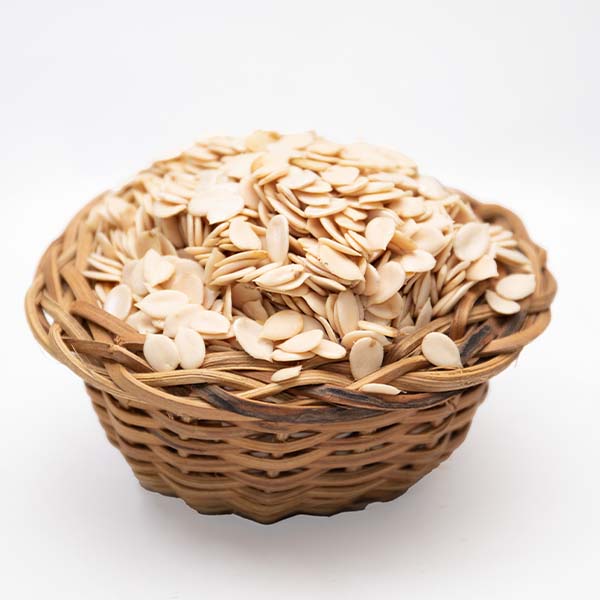
How to Use Egusi Seeds: Cooking and Preparation Guide
Egusi seeds are prepared by sorting, blending into a paste or powder, and cooking via either the frying or boiling method.
Preparation basics:
Sort: Pick through raw seeds to remove debris, stones, or shell fragments.
Blend: Grind the clean seeds in a dry mill, or blend them wet with a little onion and water until smooth.
Hydrate: If not frying immediately, mix ground egusi with a small amount of warm water to form a thick, lump-free paste, similar to peanut butter.
Classic Egusi Soup Recipe
Ingredients:
- Ground egusi
- Palm oil
- Assorted meats, crayfish, dried or smoked fish
- Seasoning, pepper, onions
- Leafy vegetables (spinach, bitter leaf, or pumpkin leaves)
Steps:
- Season and boil your meats and stockfish until tender; reserve the rich stock.
- Mix ground egusi with warm water or blended onion into a smooth paste.
- Heat palm oil in a pot and sauté chopped onions until fragrant.
- Spoon in the egusi paste and fry, stirring for 10–15 minutes, until it cooks through into soft curds.
- Stir in blended peppers, then gradually add your reserved stock and ground crayfish.
- Add the cooked meats and fish back in; cover and simmer for 15–20 minutes.
- Stir in the chopped greens and cook uncovered for 3–5 minutes until tender. Taste, adjust seasoning, and serve hot with fufu, eba, or pounded yam.
Pro Tip: For distinct, fluffy lumps, drop spoonfuls of paste into the hot oil or stew and let it steam undisturbed for 3–5 minutes before stirring. For a silkier, smoother texture, stir continuously while it fries.
Learn how to prepare egusi soup and explore regional variations like Sauce Pistache, Egusi Ijebu, and Ofe Egusi.
Egusi vs. Similar Products: Ogbono and Other African Seeds
| Feature | Egusi | Ogbono |
| Texture | Grainy, forms firm curds | Slimy, mucilaginous when cooked |
| Taste | Earthy, nutty, richer | Mild, nutty |
| Botanical Origin | Cucurbit melon/squash seeds | Wild mango seed (Irvingia gabonensis) |
| Protein | ~39g per raw cup | ~8.5g per raw cup |
| Health Perks | Protein-rich, skin and heart health | Weight management, digestion |
| Uses | Soups, stews, snacks | Soups, stews |
Egusi is exceptionally high in plant protein and unsaturated fats, while ogbono is prized for its soluble fiber and soothing, slippery texture. Cooks often combine the two in a single pot to capture both the rich, protein-packed curds of egusi and the silky draw of ogbono. Both pair beautifully with pounded yam, eba, amala, or semolina.
Unique African Spices for Your Egusi Soup: Browse African Spices
Why Buy Egusi Seeds from Baobabmart?
At BaobabMart, we are committed to delivering only the highest quality egusi seeds to our customers.
Our egusi seeds are 100% natural and authentic, harvested by trusted local African farmers with no mass-produced substitutes, free from additives or preservatives, so you can enjoy the pure, traditional flavor as it’s meant to be.
We carefully sort and package every batch to maintain a fresh, natural texture and prevent spoilage, and we offer both individual home-cooking quantities and large wholesale orders.
Enjoy fast, secure shipping delivered straight to your door, with a dedicated support team always available to help with your order.
Buy authentic egusi seeds in bulk today and stock your kitchen for every pot of egusi soup ahead.
FAQs About Egusi Seeds
Are egusi seeds regular melon seeds?
No. While they belong to the same plant family (Cucurbitaceae), egusi melons are grown specifically for their seeds, not sweet fruit flesh. Regular sweet melon or watermelon seeds don’t melt into the same textured, clumpy soup solids as authentic egusi seeds.
What is egusi seed called in English?
In English, egusi seed is commonly called melon seed, wild watermelon seed, or white-seed melon. Scientifically, it comes from wild melon and gourd species native to West Africa, such as Citrullus lanatus and Cucumeropsis mannii.
How long can egusi soup be kept in the fridge?
Cooked egusi soup lasts 3–4 days in the refrigerator when stored in an airtight container. For longer storage, it can safely stay frozen for up to 3 months.
How do you store egusi seed long term?
Whole, unshelled seeds last longest since the shell blocks moisture and pests; store them in breathable cloth or sack bags in a cool, dry spot. Peeled seeds should be dried thoroughly under the sun or on a low oven tray, then sealed in airtight jars. Ground or blended egusi spoils quickly, so it’s best to only grind what you need, or freeze it tightly sealed for a few months.
Where can I buy egusi?
You can buy high-quality, naturally sourced egusi seeds directly from BaobabMart’s Online Store. Enjoy freshness, authenticity, and exceptional customer service with every purchase!