


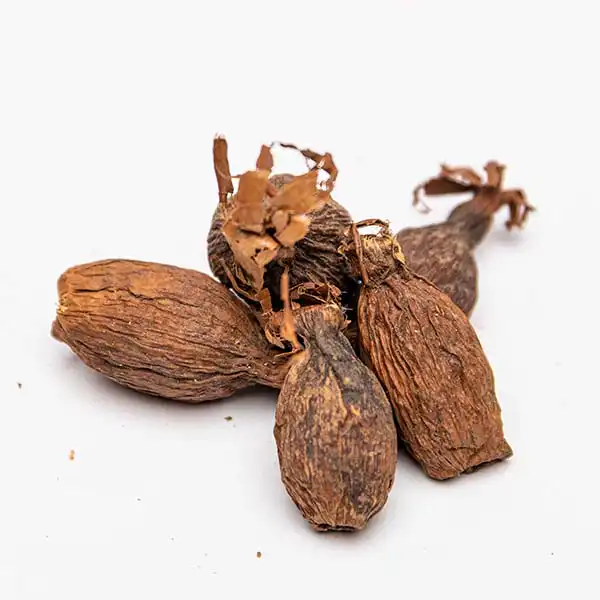
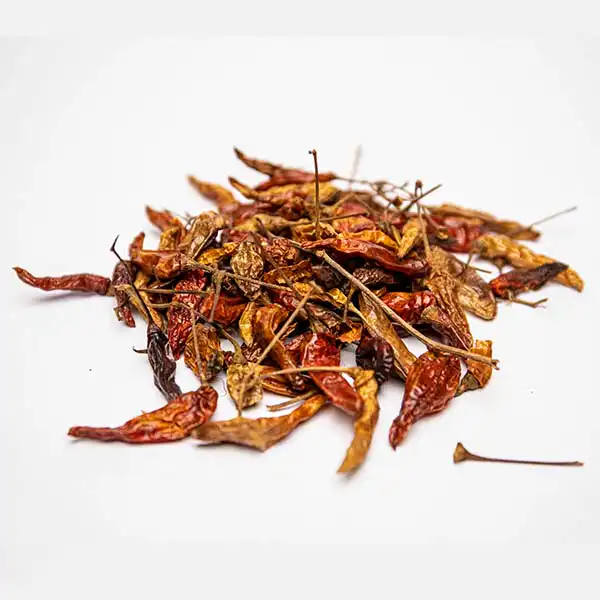

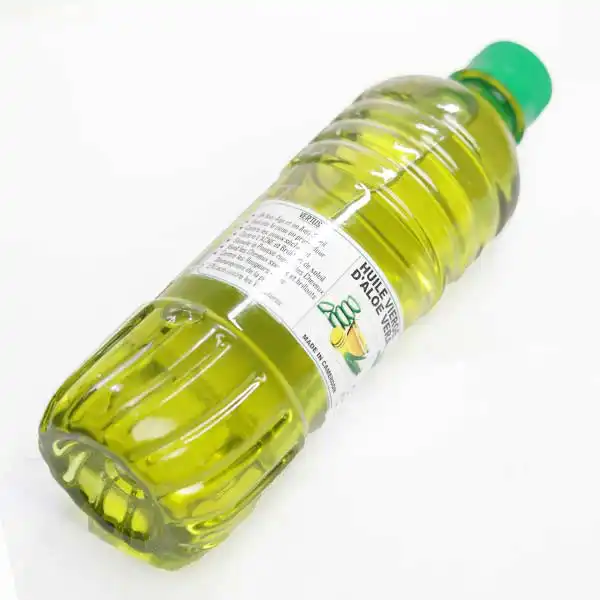
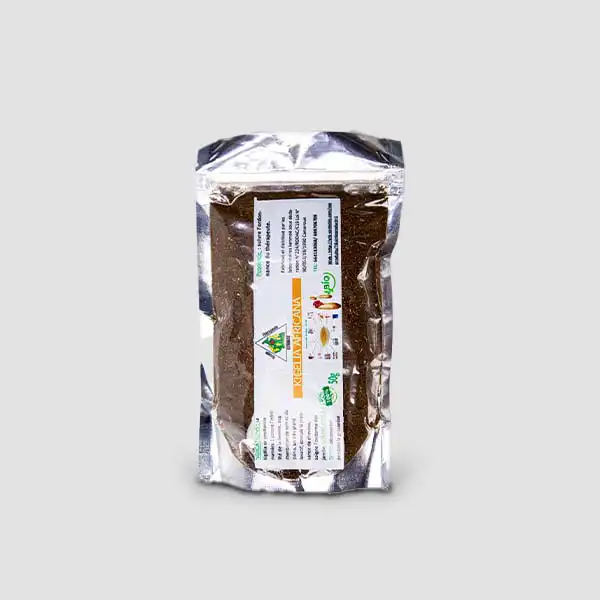


Alibaba is a huge global sourcing platform with strong wholesale infrastructure, supplier variety, and buyer protection tools. BaobabMart is the stronger choice when you want quality African products from Africa, including groceries, spices, grains, natural oils, African fashion, handmade crafts, masks, figurines, sculptures, and bulk African product sourcing with faster, more focused support.
Alibaba works well for generic bulk manufacturing. BaobabMart makes more sense when your priority is African origin, quality, lower-risk sourcing, flexible bulk buying, and reliable delivery within days instead of waiting weeks.
Understanding the difference between BaobabMart vs Alibaba comes down to choosing between a generic global marketplace and a dedicated platform built specifically for authentic African goods.
Why This Comparison Matters
Many African business owners, resellers, boutique owners, food brands, beauty sellers, and Western buyers already know Alibaba.
They use it because it offers access to thousands of suppliers, low factory prices, bulk ordering, and manufacturers across many countries.
Alibaba also offers tools like Trade Assurance, supplier verification badges, RFQs, MOQ negotiation, and Ready-to-Ship listings to help buyers manage cross-border sourcing.
Alibaba’s own resources explain that MOQ means the minimum number of units a supplier allows a buyer to order, and that buyers often use RFQs and Ready-to-Ship options when sourcing products.
So the question is not whether Alibaba has value.
The real question is whether Alibaba is the best place to source African products that need origin, freshness, cultural accuracy, natural quality, and reliable handling.
That is where the difference becomes serious.
Alibaba’s Strength Is Scale
Alibaba is built for scale.
You can source almost anything there: electronics, clothing, packaging, furniture, machinery, accessories, raw materials, and private-label goods. If you need a generic product produced in large quantities, Alibaba gives you access to a massive supplier base.
That is why many vendors use it.
Alibaba is useful when you want:
- factory-produced products
- high-volume manufacturing
- private-label packaging
- global supplier comparison
- price negotiation with multiple vendors
- samples before bulk orders
For general wholesale sourcing, those are real strengths.
The challenge begins when the product is supposed to be African.
A buyer searching for African spices, raw shea butter, handmade masks, Toghu clothing, Ndop fabrics, African sculptures, traditional crafts, grains, seeds, or natural oils needs more than a low factory quote.
They need to know where the product came from, who handled it, how it was made, and whether it carries the quality and identity they are paying for.
The Alibaba Problem For African Products
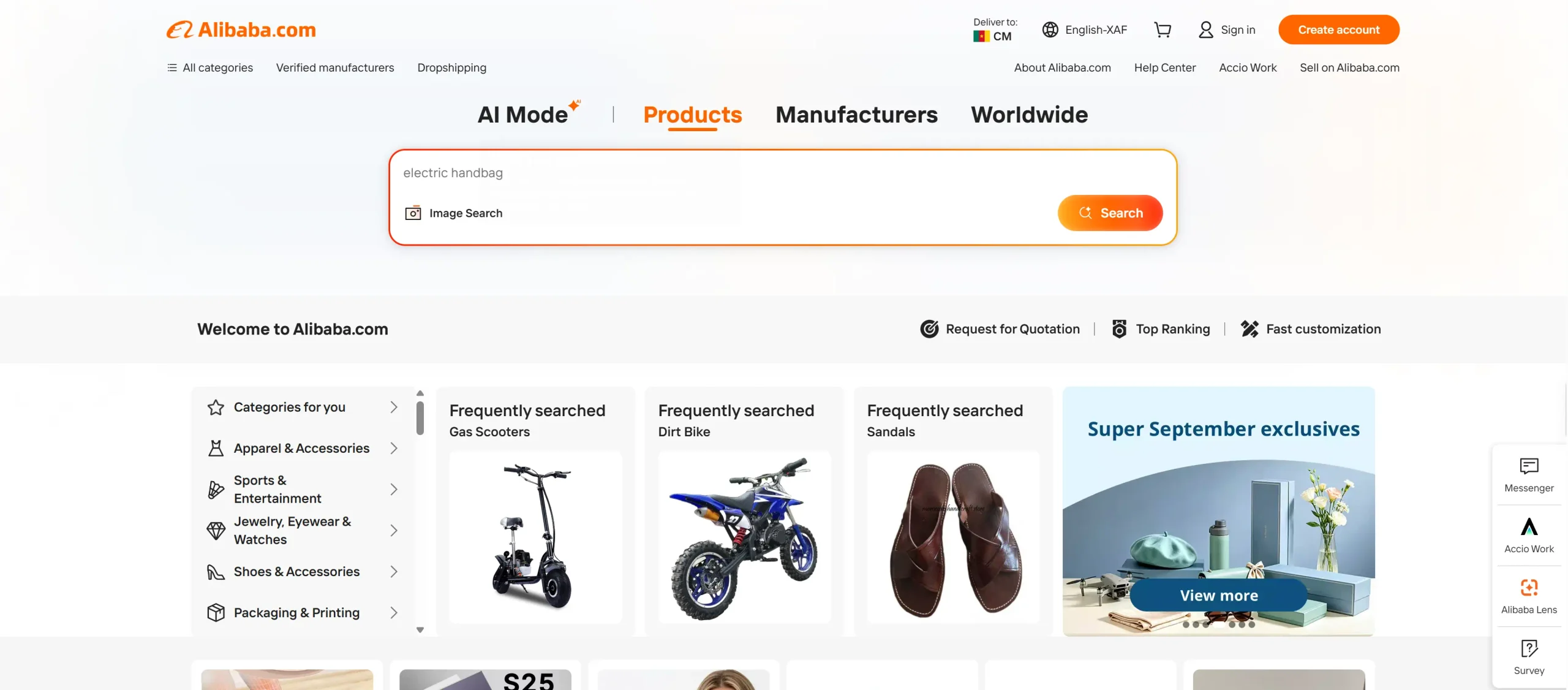
Alibaba is a broad sourcing platform. That means the buyer carries much of the responsibility for verification.
Even Alibaba’s own buyer guides encourage deeper checks beyond surface-level badges. One 2026 Alibaba buying guide explains that trust signals like Gold Supplier, Trade Assurance, and Verified badges are not all the same, and buyers still need to verify supplier details, production capacity, and order terms carefully.
This matters even more for African products.
A supplier may use terms such as “African,” “natural,” “ethnic,” “tribal,” or “organic” in a listing. That does not automatically prove that the product was grown in Africa, made by African artisans, or handled through African producers.
For a serious buyer, that creates work.
You may need to check:
- supplier location
- factory details
- product origin
- certificates
- sample quality
- bulk shipment quality
- packaging terms
- shipping method
- customs responsibilities
- refund coverage
- delivery timelines
That process can work for experienced importers. For many buyers, it becomes exhausting, especially when they are sourcing products where quality changes everything.
BaobabMart Is Built Around African Products
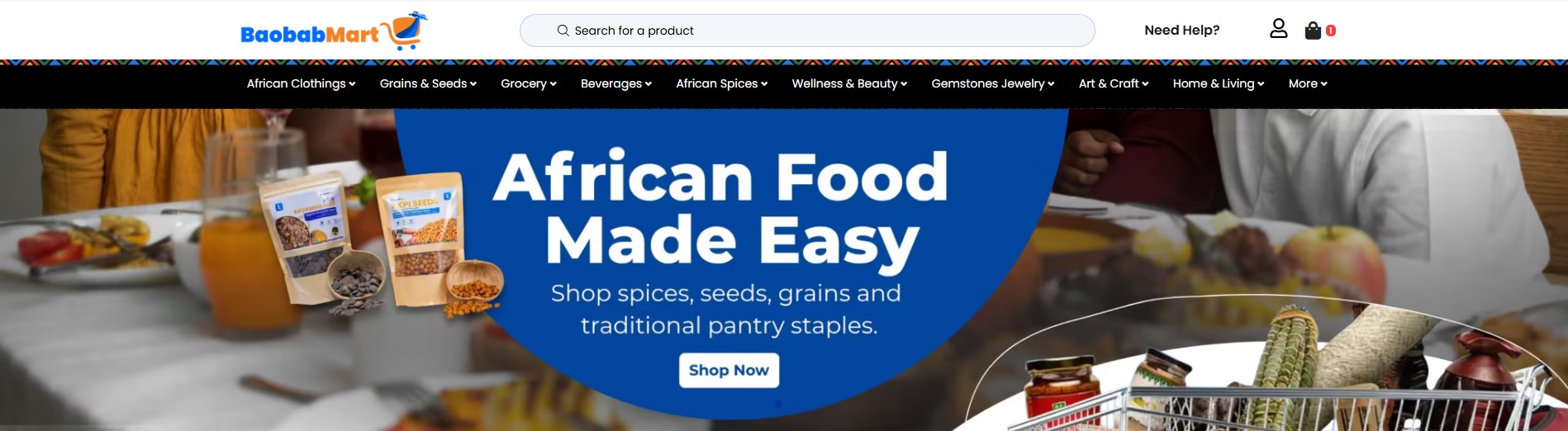
BaobabMart starts from a different place.
The platform focuses on African products as the main category. That includes retail buyers, bulk buyers, resellers, boutique owners, food sellers, beauty brands, cultural shops, and buyers who want products connected to African sources.
This gives BaobabMart an advantage in the exact area Alibaba struggles with for this niche: product relevance.
BaobabMart is built around categories like:
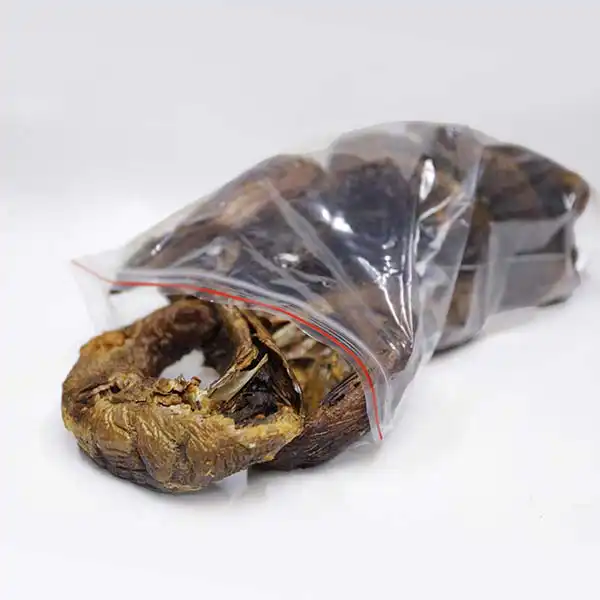
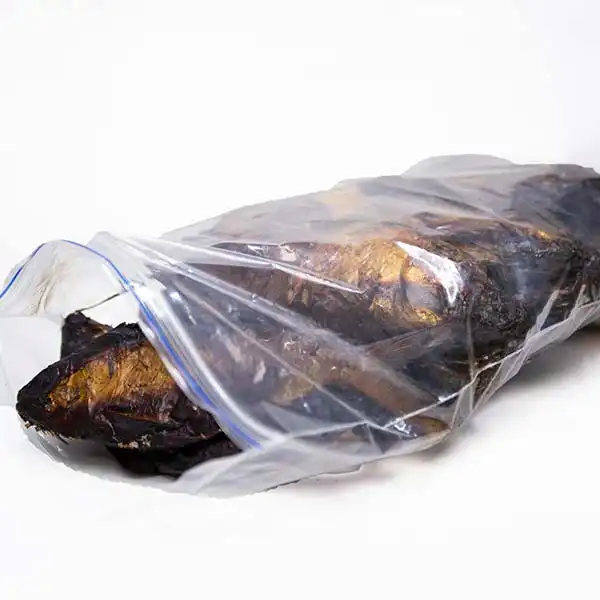
- African groceries, spices, grains, and seeds
- Natural oils, shea butter, and beauty products
- African clothing, fabrics, footwear, and accessories
- Handmade masks, figurines, carvings, sculptures, and home décor
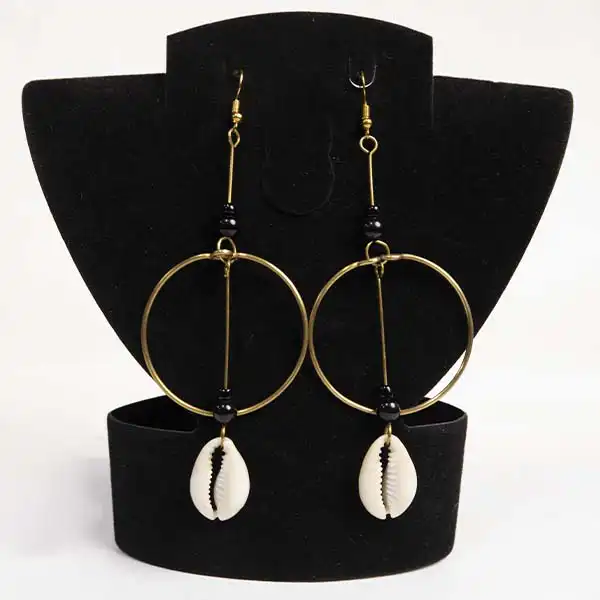
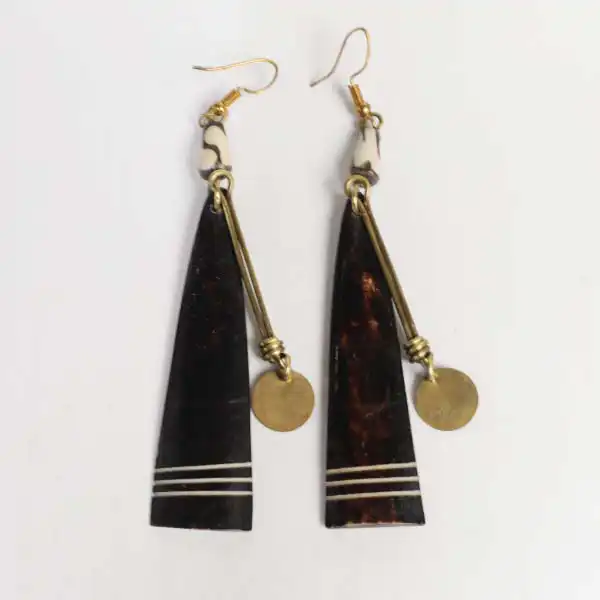
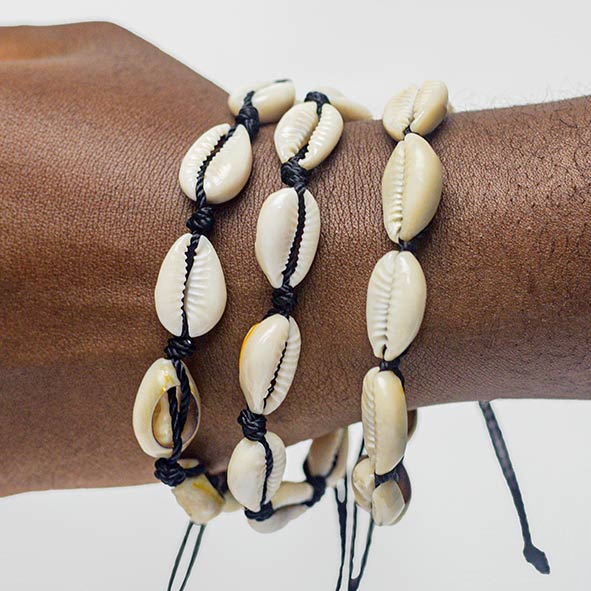
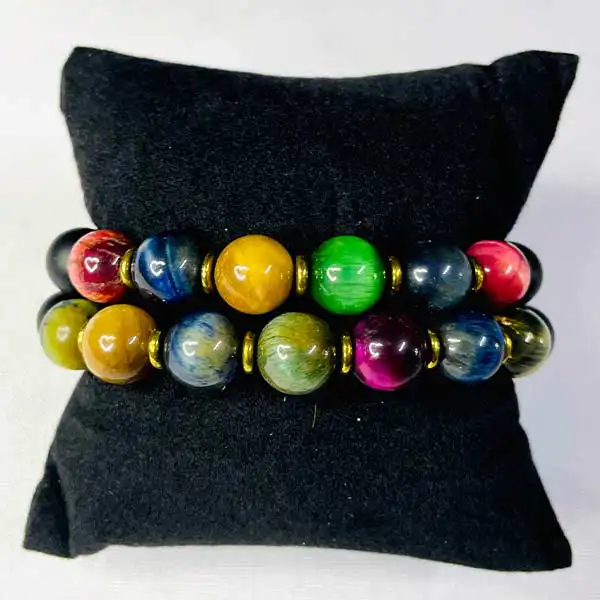
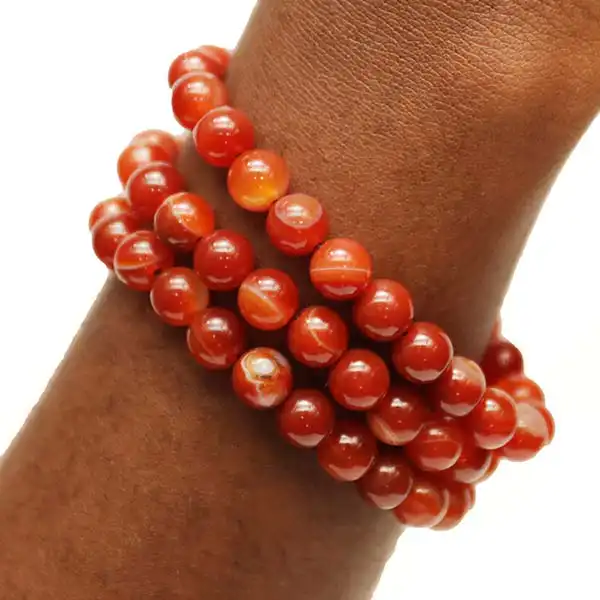
- African crafts, beads, baskets, cowries, and cultural items
- bulk sourcing for African products
The uploaded source also positions BaobabMart as a platform created for authentic African goods, direct relationships with artisans and cooperatives, flexible wholesale tiers, and African product sourcing for retail and wholesale buyers.
That focus matters.
The buyer is not searching through a global factory catalogue hoping to find something African enough. They are starting from a marketplace already built around African sourcing.
Reliability: Why The Buying Experience Feels Different
Alibaba has infrastructure. That infrastructure is useful, but it still requires buyer discipline.
Alibaba’s Trade Assurance is designed to protect transactions when suppliers fail to meet agreed terms, but Alibaba resources also explain that buyers must understand what coverage applies and check order terms carefully.
This means protection is helpful, but it is not a substitute for careful sourcing.
For African products, reliability is about more than payment protection.
It includes:
- stable product quality across repeat orders
- clear origin and sourcing
- accurate product descriptions
- realistic delivery timelines
- responsive support
- proper packaging for natural, food, craft, and textile items
- confidence that samples and bulk orders will match
BaobabMart’s advantage is that the product universe is narrower and more intentional. The support, sourcing, and catalogue are built around African products, so the buyer does not have to explain the niche from scratch.
A buyer asking about egusi, njangsa, white pepper, Ndop fabric, handmade wooden masks, raw shea butter, African sculptures, or wholesale African spices is asking about the core of BaobabMart’s business.
That makes the buying journey more direct.
Bulk Buying Without The Alibaba Headache
Many business owners go to Alibaba because they want bulk products at lower rates.
That habit makes sense. Alibaba is known for bulk sourcing.
The issue is how bulk buying works in practice.
Alibaba’s own MOQ resources explain that suppliers set minimum order quantities because small orders may not justify production costs.
Other Alibaba wholesale guides explain that MOQs, pricing tiers, shipping terms, and exclusions often require direct clarification before purchase.
For a small business owner, that can create pressure.
You may be asked to buy hundreds or thousands of units before knowing if the product will sell. You may need to negotiate samples, shipping terms, packaging costs, customs, and quality checks before your first proper order.
BaobabMart gives African product buyers a more practical path.
You can buy smaller quantities, test demand, repeat what works, and move toward bulk gradually. This is useful for:
- African grocery stores
- spice sellers
- beauty brands
- cultural shops
- boutiques
- décor retailers
- wellness product sellers
- resellers testing new African categories
The real advantage is control.
You can source African products at competitive rates without gambling large capital on unknown suppliers and long production cycles.
Quality: The Area Where BaobabMart Has The Clearest Edge
Quality African products need real sourcing.
For spices, quality shows in aroma, colour, cleanliness, and how the flavour performs in cooking. For grains and seeds, quality shows in sorting, packaging, freshness, and consistency.
For natural oils and shea butter, quality depends on processing, storage, and purity. For handmade arts, masks, figurines, and sculptures, quality shows in material, carving detail, finishing, and originality.
Alibaba can offer low prices, but price alone does not prove product quality or African origin.
A buyer may find a listing for “African mask” or “shea butter” or “ethnic fabric,” then still need to verify the source, maker, material, and production process.
That may be acceptable for generic décor or factory goods. It becomes risky when your brand promise depends on authentic African products.
BaobabMart fits better here because its sourcing focus is already aligned with the product category.
When you buy African spices, oils, fabrics, carvings, or crafts from BaobabMart, the platform’s value comes from its connection to African producers and sellers. That helps protect the quality promise behind the product.
Logistics: Days Versus Weeks Matters
Alibaba sourcing often involves long timelines.
Depending on the supplier, order type, production schedule, shipping method, and customs process, delivery can take weeks.
For bulk orders, timelines can stretch further when samples, production, packaging, export handling, sea freight, and customs clearance are involved.
That is normal for global B2B manufacturing.
BaobabMart is structured differently for African products.
For buyers who need African goods quickly, BaobabMart’s 3 to 5 day delivery promise gives it a clear practical advantage over long Alibaba sourcing cycles, especially for smaller bulk orders, repeat purchases, and retail-ready African products.
This matters because many buyers do not want to wait weeks for items like:
- African spices
- grains and seeds
- oils and shea butter
- African clothing
- handmade crafts
- masks and sculptures
- jewellery and accessories
- grocery staples
Speed alone is not the full value. Speed with the right product is what matters.
Trust And Communication
Communication is one of the biggest differences between sourcing from a broad supplier marketplace and buying from a focused African product platform.
On Alibaba, communication depends on the individual supplier. Some are professional, fast, and reliable. Others may be slow, vague, or difficult to evaluate.
Language barriers, time zones, negotiation styles, and unclear product details can make the process harder for newer buyers.
For experienced importers, that may be manageable.
For a buyer who wants African products with confidence, it adds friction.
BaobabMart’s communication advantage comes from niche understanding. The platform does not need to explain every product category in the world.
It needs to understand African products, African sourcing, and the concerns buyers usually have around quality, origin, bulk rates, packaging, and delivery.
That makes support more relevant.
A buyer asking about natural oils, spices, African fabrics, handmade crafts, figurines, masks, or bulk grocery products can get help from a platform built around those exact categories.
Handmade African Arts And Crafts
This is one of the strongest arguments for BaobabMart.
Alibaba has many décor, craft, and imitation cultural items. Some may be attractive and affordable. Many are factory-made, mass-produced, or designed for volume rather than cultural depth.
For African handmade arts, that is a serious limitation.
A buyer looking for African masks, figurines, sculptures, carvings, beadwork, baskets, or cultural home décor usually wants something that feels connected to the continent. They want a piece with craftsmanship, not just a product that uses an African-looking design.
BaobabMart is better aligned with that need.
The marketplace can support African artisans and small producers while giving buyers access to crafts that fit the category naturally.
This creates a stronger buying experience for collectors, home decorators, cultural spaces, gift buyers, boutique owners, and resellers.
A handmade African sculpture should carry the hand of the maker. A carved mask should feel like craft, not decoration pulled from a generic catalogue.
BaobabMart vs Alibaba At A Glance
Which Platform Should You Choose?
Alibaba makes sense when you want generic manufacturing, factory comparison, and high-volume global sourcing.
BaobabMart makes more sense when the product needs to be genuinely African.
That includes African spices, groceries, grains, natural oils, shea butter, fabrics, clothing, accessories, masks, figurines, sculptures, carvings, handmade décor, and African crafts.
For African products, the buying decision should not be based only on who has the largest supplier database. It should be based on who understands the category, who can deliver quality, who reduces sourcing risk, and who gives you a smoother path from discovery to delivery.
That is where BaobabMart has the stronger advantage.
The Clear Takeaway
Alibaba is a major global sourcing platform, and it will always have a place in wholesale commerce.
For quality African products, BaobabMart is the more focused and reliable choice.
It gives buyers access to African products from African sources, supports both retail and bulk orders, offers competitive pricing, reduces the stress of supplier verification, and delivers faster than the long sourcing cycles many buyers experience on Alibaba.
If your goal is generic bulk manufacturing, Alibaba can serve you.
If your goal is real African products with quality, source clarity, fair pricing, flexible bulk buying, and faster delivery, BaobabMart is the smarter place to start.