




Description
Raw Shea Butter: 100% Pure, Unrefined and Straight – Butyrospermum parkii (Shea)
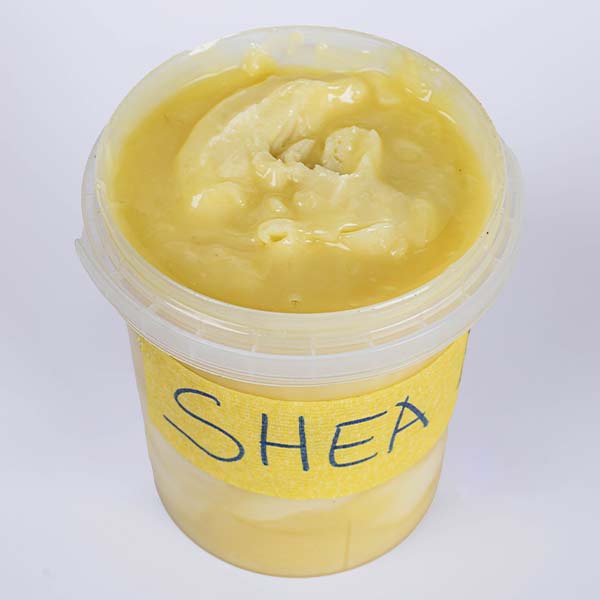
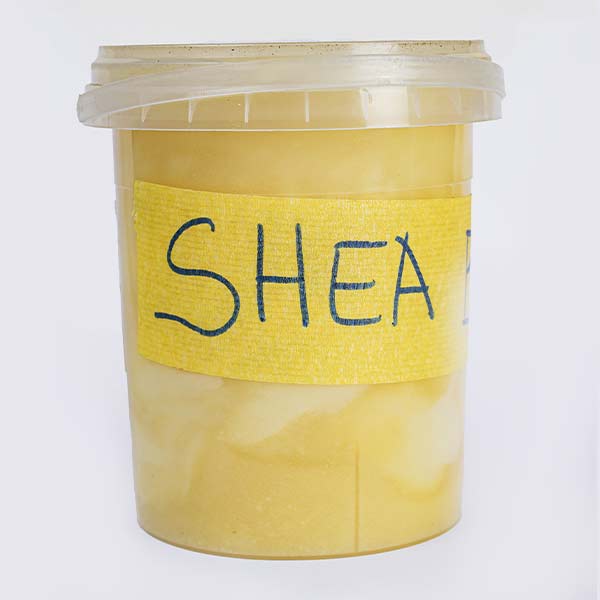
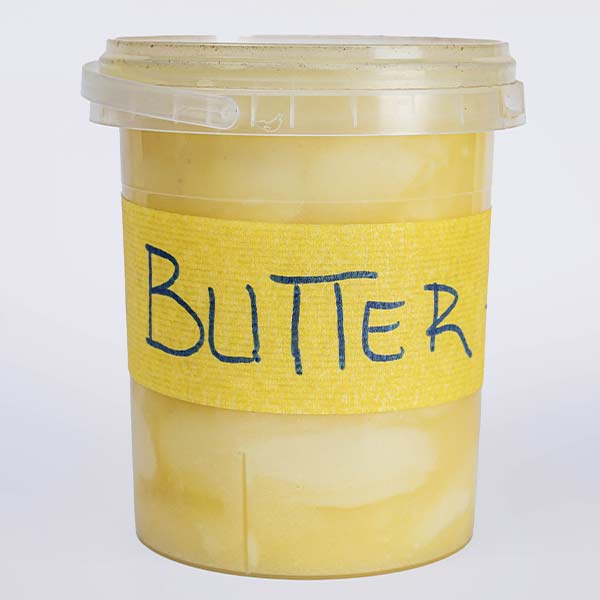
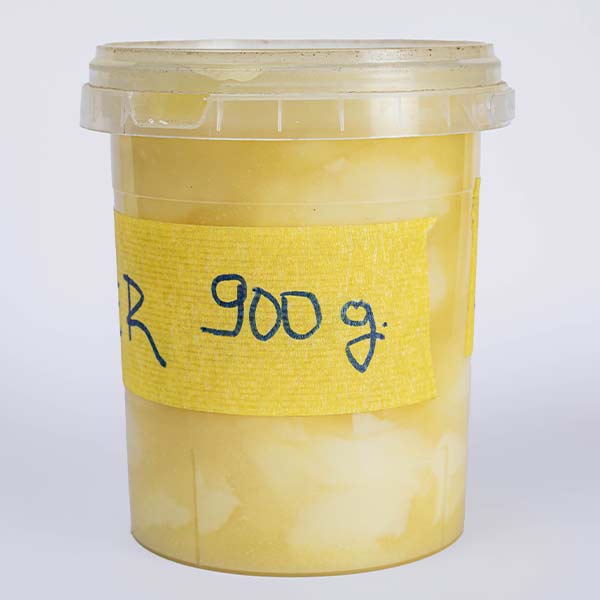
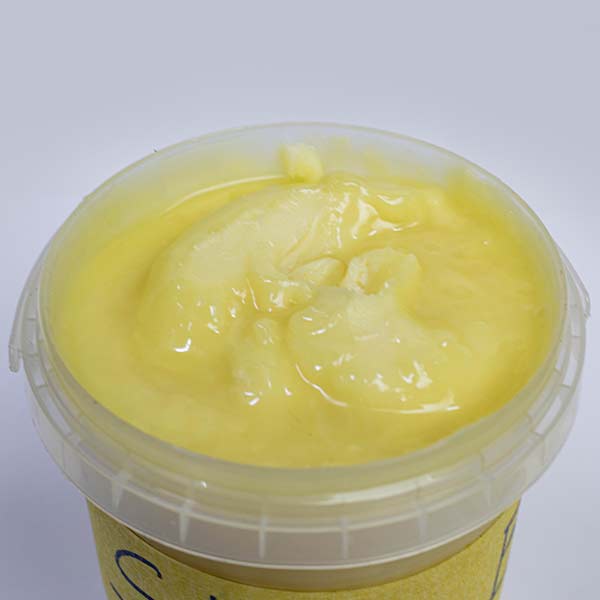
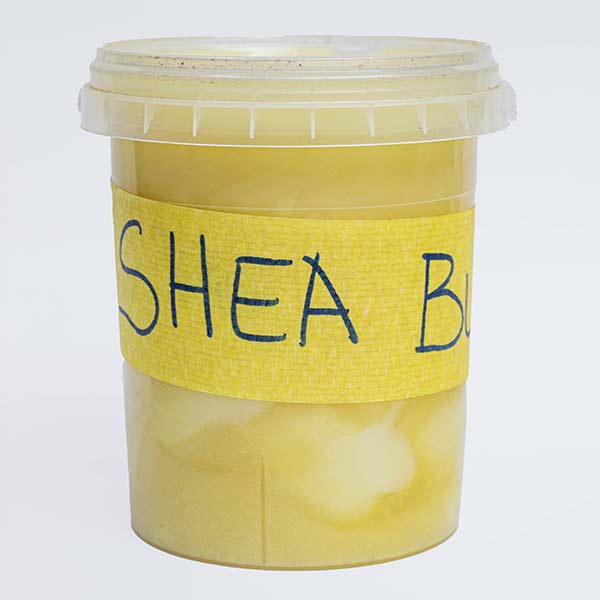
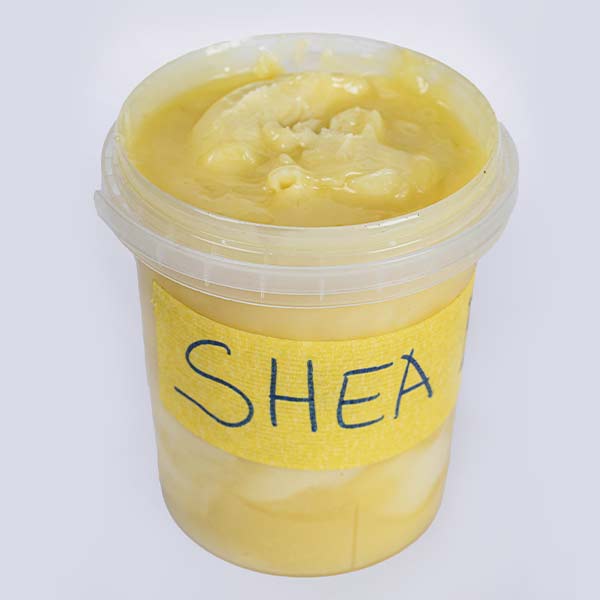
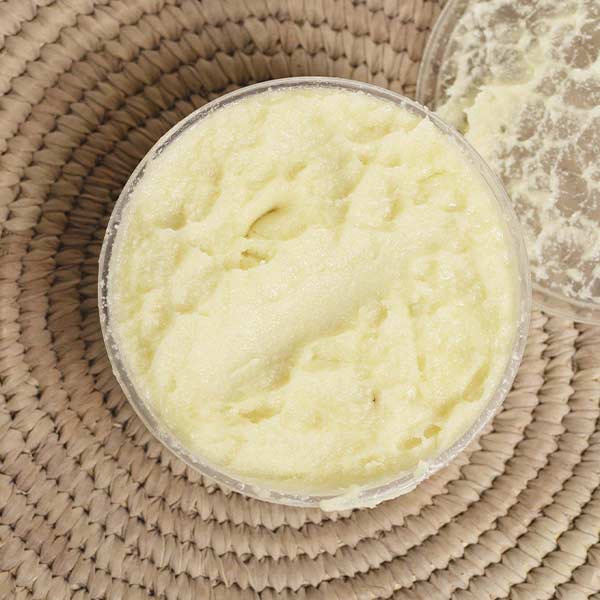
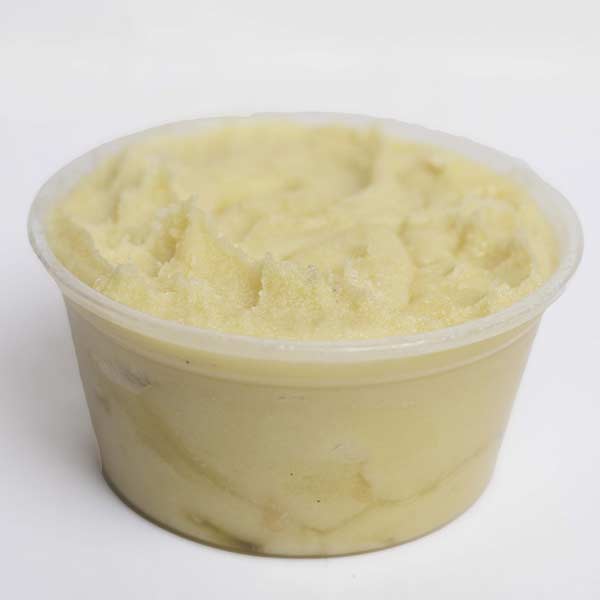
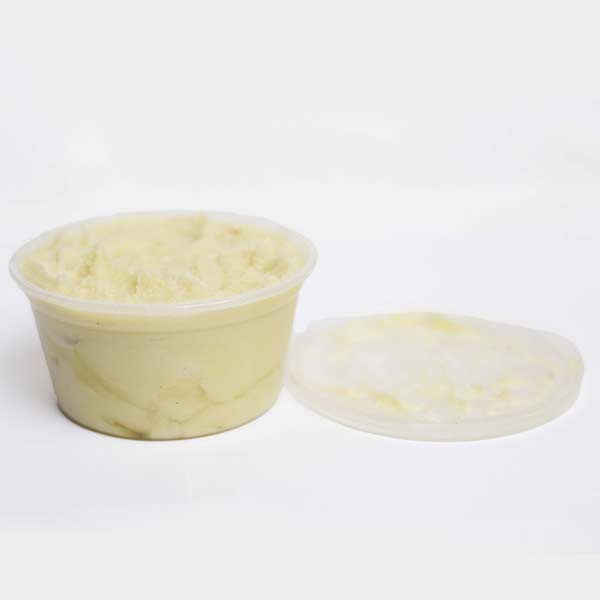
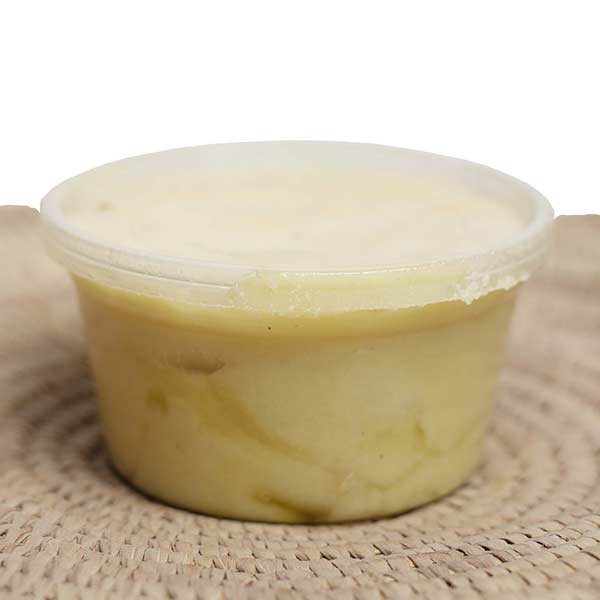
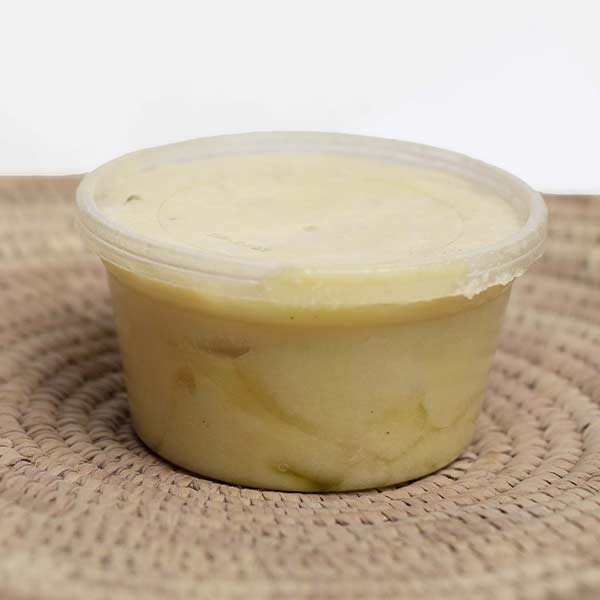
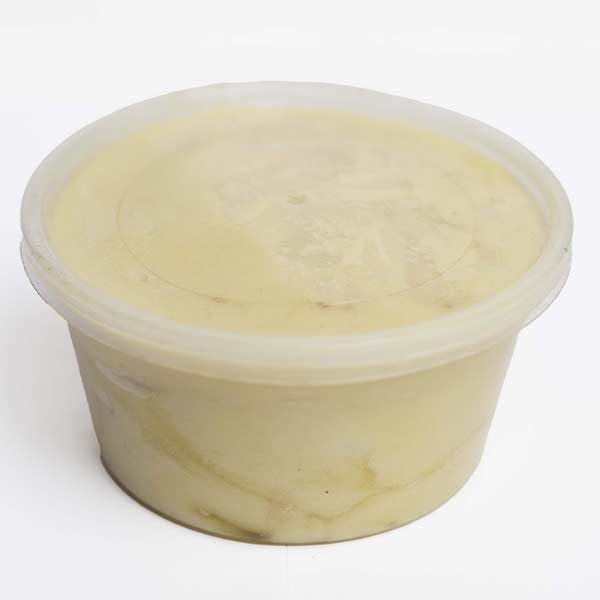
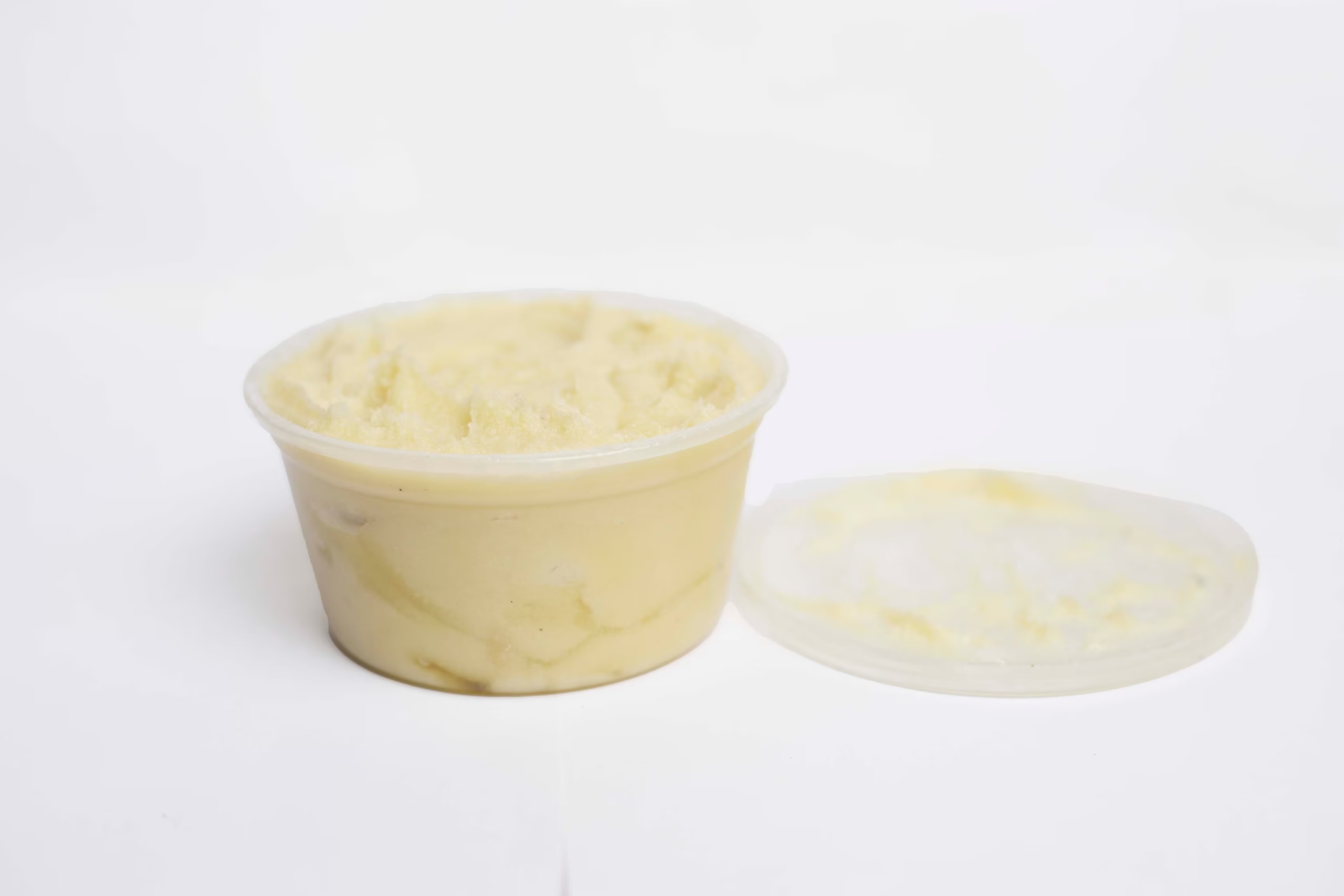
This is raw shea butter in its truest form: pressed from the shea tree nut (Vitellaria paradoxa, listed on cosmetic labels as Butyrospermum parkii), filtered, and nothing else. No bleaching, no deodorising, no fillers, no carrier oils blended in to bulk it out.
Most shea butter sold online has been refined. Refining strips the colour and the smell, and it strips the vitamins and unsaponifiable fats along with them. What is left spreads more easily and does considerably less.
Our raw African shea butter keeps all those compounds intact, which is why it looks and smells like a natural product rather than a manufactured one.
If you have bought shea butter before and found it thin, scentless, and disappointing, this is the difference you were looking for.
How to Tell Genuine Raw Shea Butter from Refined
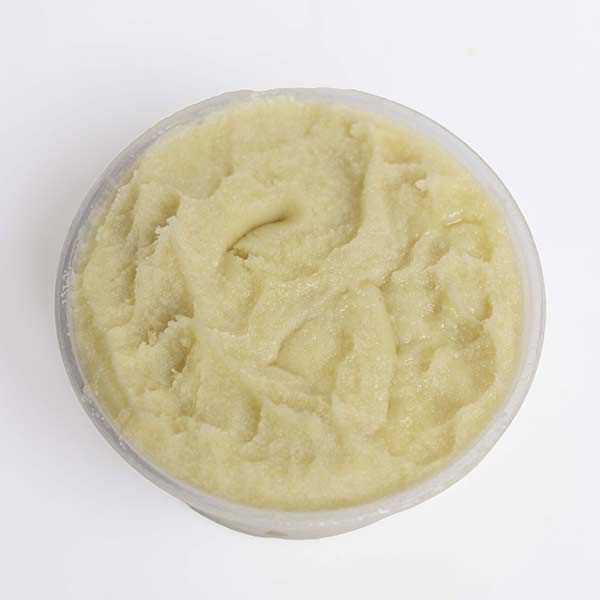
You are right to be sceptical! The market is full of shea butter that is only partly shea. Here is what genuine raw shea butter looks like, so you can check ours against anything else you are considering:

Ours sits firmly in the left column. The colour and scent will vary slightly from batch to batch, and that variation is the proof, not a flaw.
What Raw African Shea Butter Does for Skin
Shea butter is roughly 5–17% unsaponifiable matter, an unusually high figure among plant butters, and the reason it behaves differently from a standard moisturiser.
Those compounds, together with oleic, stearic, and linoleic acids and naturally occurring vitamins A and E, are what let it sit on the skin as a barrier while feeding it at the same time.
In practice, customers reach for it for:
- Persistent dryness: hands, elbows, knees, cracked heels, winter skin
- Sensitive and reactive skin: a single-ingredient product with nothing to react to
- Eczema-prone and irritated skin, where fragranced creams tend to sting
- Stretch marks and scarring, applied through pregnancy and after
- Chapped lips and cuticles, where a thicker balm outlasts a lotion
- Post-sun and post-shave skin that needs calming rather than perfuming
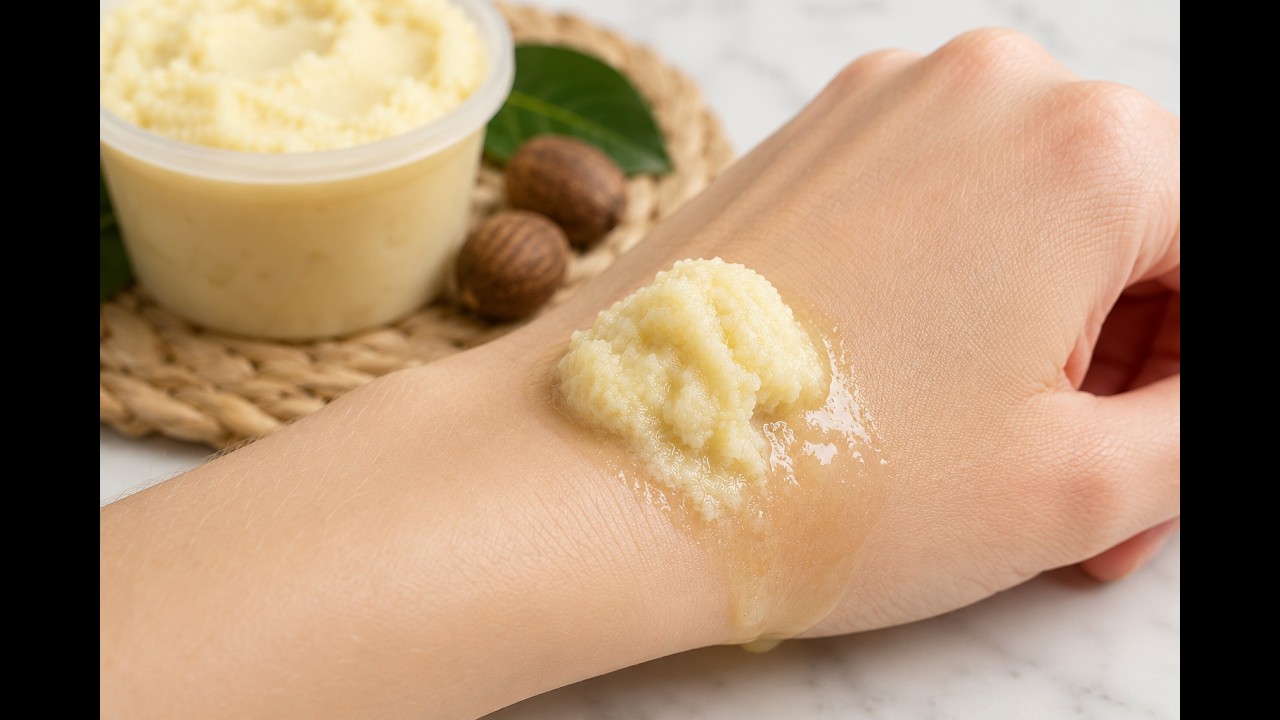
It is thick by design. Warm a small amount between your palms, and it melts into an oil that absorbs cleanly. Apply straight from the jar in a thick layer; any shea butter will sit greasy.
Raw Shea Butter for Hair
African shea butter has been used on textured hair for centuries, and it is still one of the few sealants that genuinely work on 4C hair.
- Seals moisture into the strand after a leave-in, in LOC and LCO routines
- Softens dry, brittle ends and reduces breakage during manipulation
- Calms a dry, flaking scalp without silicone buildup
- Protects under braids, twists, and wigs through long protective styles
- Tames frizz and adds a natural, non-plastic shine
Warm it, emulsify it between your palms until it turns to oil, then work it through damp hair. Used neat and cold, it will sit on top and weigh the hair down.
For DIY Formulators and Soap Makers
Our Raw shea butter is a workhorse base ingredient, and this one is unadulterated enough to formulate around predictably:
- Whipped body butter: whip with a light carrier oil for a soft, aerated texture
- Lip balms and salves: blend with beeswax at roughly 3:1
- Cold process soap: typically 5–15% of the oil blend for conditioning and a creamy lather
- Hair butters and twist creams: pair with castor or coconut oil
- Massage bars, nappy balms, cuticle creams, beard balm
Because it is unrefined, expect the natural nutty scent to carry through at high inclusion rates — most formulators either work with it or offset it with essential oils.
How to Use Raw Shea Butter
- Scoop a pea-sized amount with a clean, dry spoon or spatula.
- Warm it between your palms for ten to fifteen seconds until it turns clear and oily.
- Massage into damp skin straight after a shower, while pores are open — this is when absorption is best.
- For hair, emulsify the same way and work through mid-lengths and ends.
- For deep repair, apply thickly to heels or elbows at night and cover with socks or cotton gloves.
A little genuinely does go a long way. Used as directed, 35 oz typically lasts a single person two to 12 months as a targeted treatment.
Storing It Properly
Keep it in a cool, dry place below 25°C, sealed, out of direct sun. Use a clean, dry spoon rather than fingers; water introduced into the jar is what shortens shelf life.
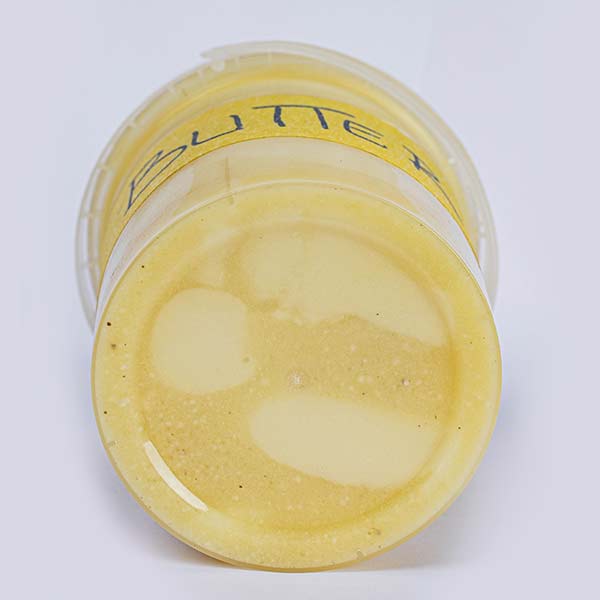
If it melts in transit or in a warm room and then resets grainy, that is normal for raw shea, and it does not affect performance; warm it in your palms, and the grain disappears. Sealed and stored properly, it keeps for 18–24 months.
Bulk and Wholesale Raw Shea Butter
If you formulate, run a salon, or stock a shop, our tiered pricing drops the unit cost sharply:

For orders above 50kg (110 lbs), we consolidate into our UK, Belgium, Germany, and USA warehouses and quote shipping separately.
This is how our trade buyers keep landed costs down. Use the bulk quote form on this page if your order is above 50kg (110 lbs), and we will come back to you with a price.
Why Buy Raw Shea Butter from BaobabMart
We buy directly from West African producers rather than through importers, which is why we can tell you what is in the jar and where it came from. There is no dilution, no refining step, and no blending with cheaper butters.
- One ingredient. 100% shea butter (Butyrospermum parkii). Nothing else.
- Direct sourcing. Bought from the cooperatives who process it, not from a middleman.
- Consistent grade. Grade A raw shea, batch after batch.
- Worldwide delivery in 2–7 days from our UK, Belgium, Germany and USA warehouses.
- Rated 5.0 by verified buyers on this product.
Add your raw shea butter to the basket above, or browse the rest of our African beauty and wellness range.

Our Raw Shea Butter FAQs
What is raw shea butter?
Raw shea butter is the fat pressed from the nut of the African shea tree (Vitellaria paradoxa) and filtered without any bleaching, deodorising or chemical extraction. It keeps its natural colour, its nutty aroma, and the vitamins and unsaponifiable fats that refined shea butter loses.
What is the difference between raw and unrefined shea butter?
In practice, they mean the same thing, and the terms are used interchangeably. Both describe shea butter that has not been chemically processed. Refined shea butter, by contrast, is bleached and deodorised, whiter, smoother, scentless, and stripped of much of its nutrient content.
Why is the colour different from the last jar I bought?
Because it is a raw agricultural product. Genuine raw African shea butter ranges from ivory through cream to pale yellow depending on the harvest and the nuts. Uniform bright white shea butter has almost always been refined.
What does raw shea butter smell like?
A mild, nutty, faintly smoky scent that fades within minutes of application. It is unperfumed; there is nothing added to mask it.
Is this Grade A shea butter?
Yes. Grade A is the highest classification for unrefined shea butter: cold-pressed, hand-filtered, and free of additives.
Can I use raw shea butter on my face?
Yes, though it is rich. Most people use it at night, or in a thin layer warmed between the palms first. If your skin is acne-prone, patch test on the jawline for a few days before applying it broadly, as heavier butters do not suit every skin type.
Is it safe for babies and children?
Raw shea butter is a single-ingredient, fragrance-free product and is widely used on children’s skin across West Africa. As with any product, patch test first, and check with your doctor before using it on a diagnosed skin condition.
Will it make my skin greasy?
Not if you warm it first and use a small amount. Melt a pea-sized scoop between your palms until it runs clear, then massage into damp skin; it absorbs without a film. Applied cold and thick, any shea butter will feel heavy.
Can I use it on 4C or natural hair?
Yes, and it is one of the better sealants for it. Emulsify it in your palms and apply to damp hair as the final step in an LOC or LCO routine, or use it to seal ends under protective styles.
Can I use it for soap making and DIY skincare?
Yes. It is a single-ingredient butter with nothing blended in, so it behaves predictably in formulation. Typical inclusion is 5–15% of the oil blend in cold process soap, and it whips well for body butters.
Why does it sometimes feel grainy?
Raw shea butter can turn grainy if it melts and re-solidifies slowly, common in transit during warm months. It is purely textural, not spoilage. Warm it in your palms, and it smooths out completely.
Where is your African shea butter sourced from?
From West African producers who process it by hand using traditional methods. We buy directly from them rather than through importers.
Do you sell raw shea butter in bulk?
Yes. Tiered discounts start at 10 units and reach 30% at 100+. For orders above 50kg, use the bulk quote form on this page and we will price the shipment for you.
How long does it last?
Sealed, kept below 25°C and away from moisture, 18–24 months.
Ignatius F (Verified Buyer) –
Bought this for my wife who is very particular about her skincare and she has reordered it twice already without saying a word to me which i think says everything
Aiyana (Verified Buyer) –
Best shea! Smooth, no additives, great for hair. Baobabmart’s 90g lasts long.
Lainey (Verified Buyer) –
Highly recommend for anyone looking for pure, unprocessed shea butter.
Kamara M (Verified Buyer) –
Love this shea! Absorbs fast, no residue. Baobabmart’s quality is unbeatable!