




Description
African Black Soap, Raw, Authentic, and Made the Traditional Way
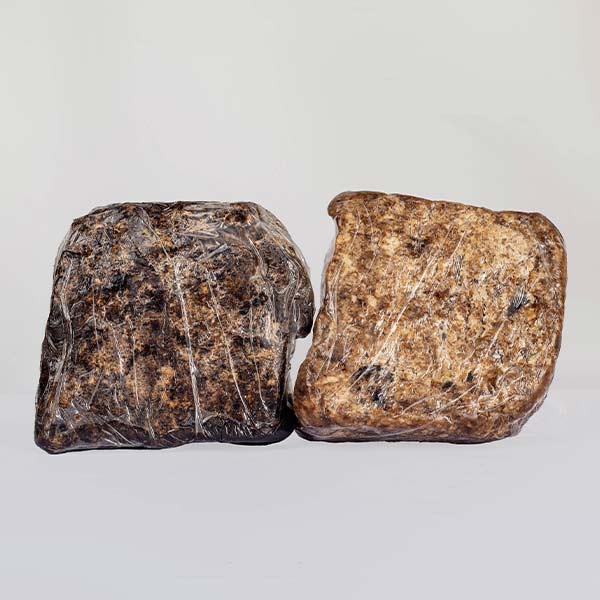
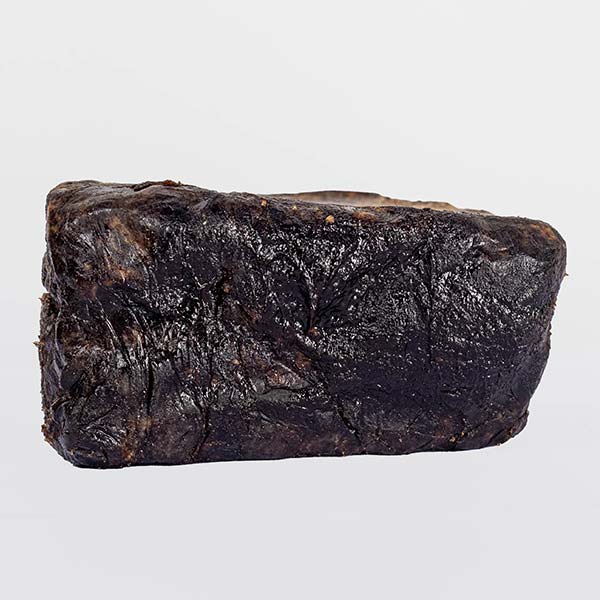
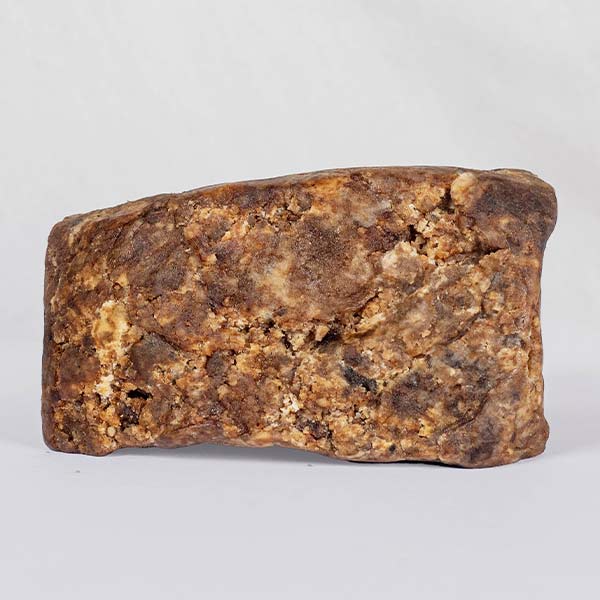
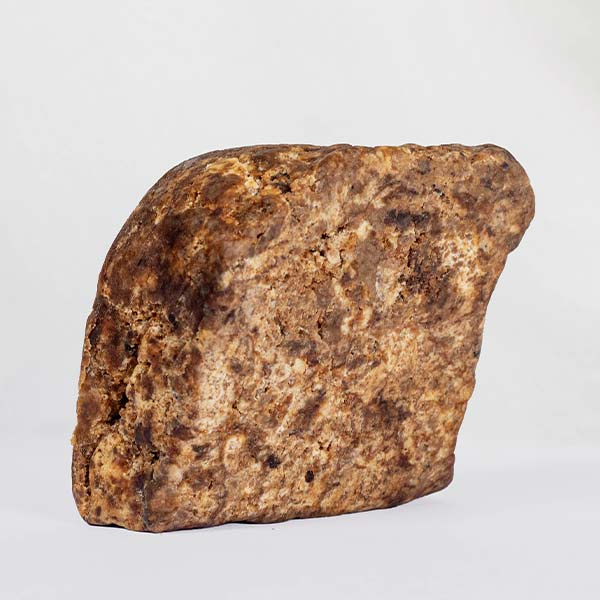
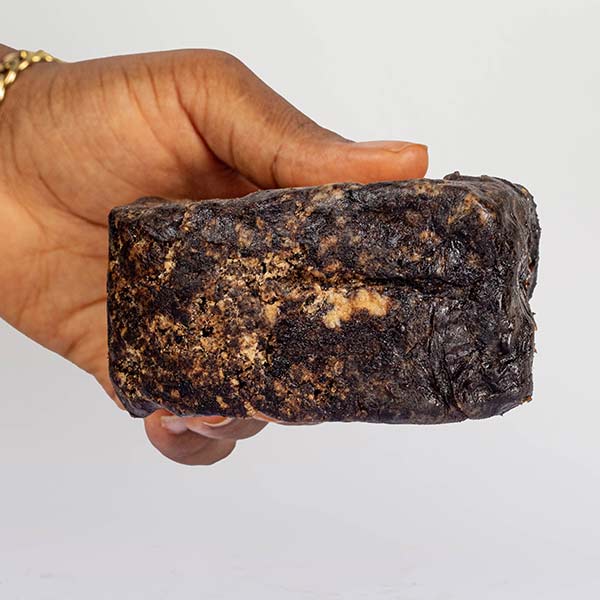
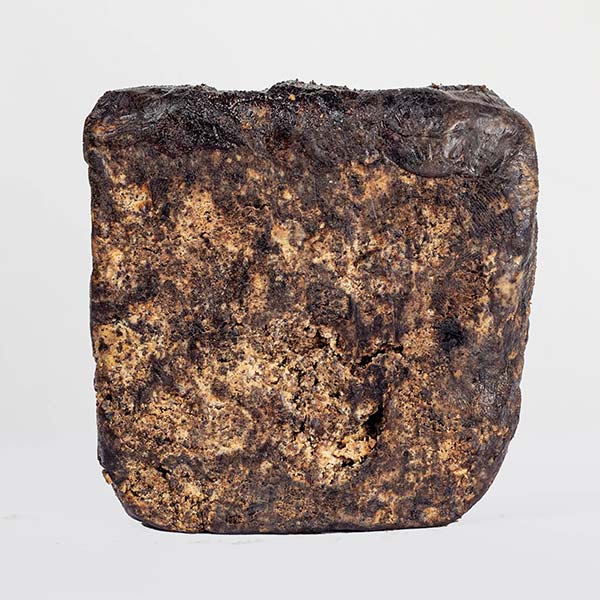
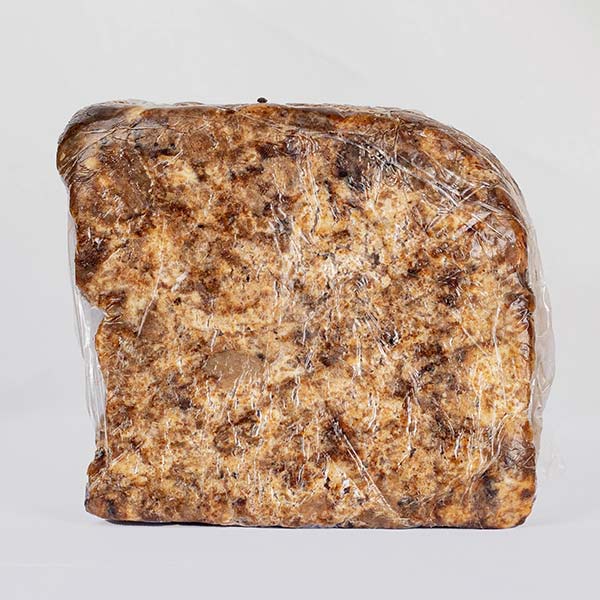
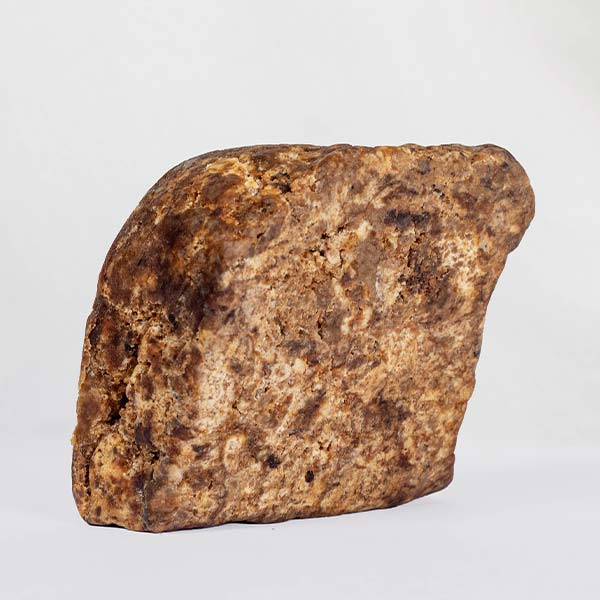
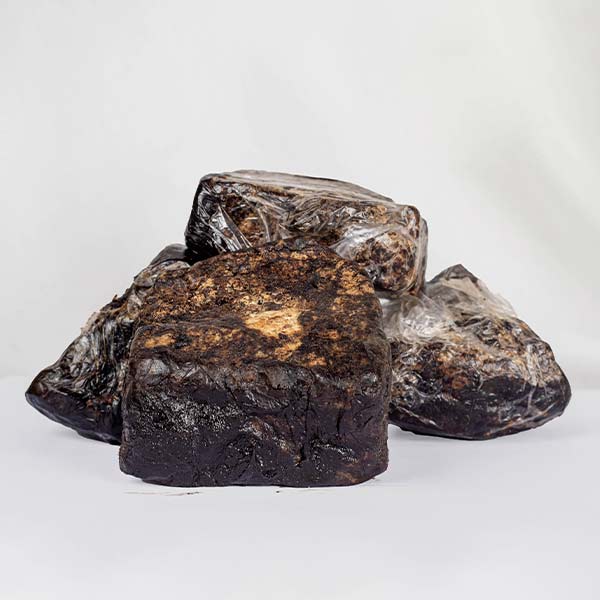
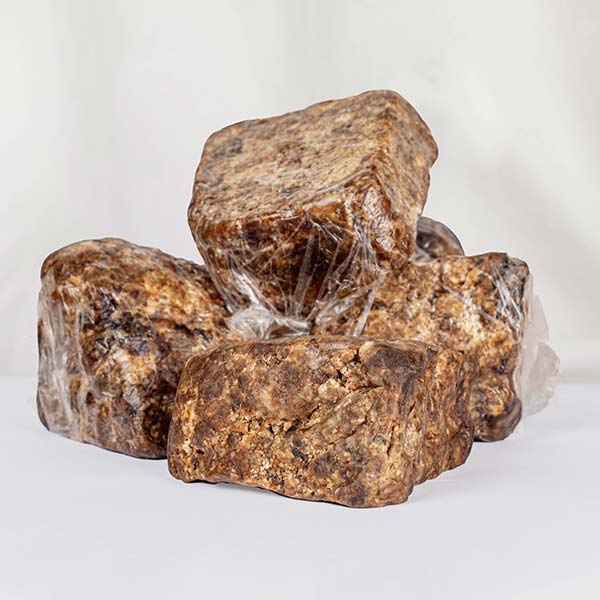
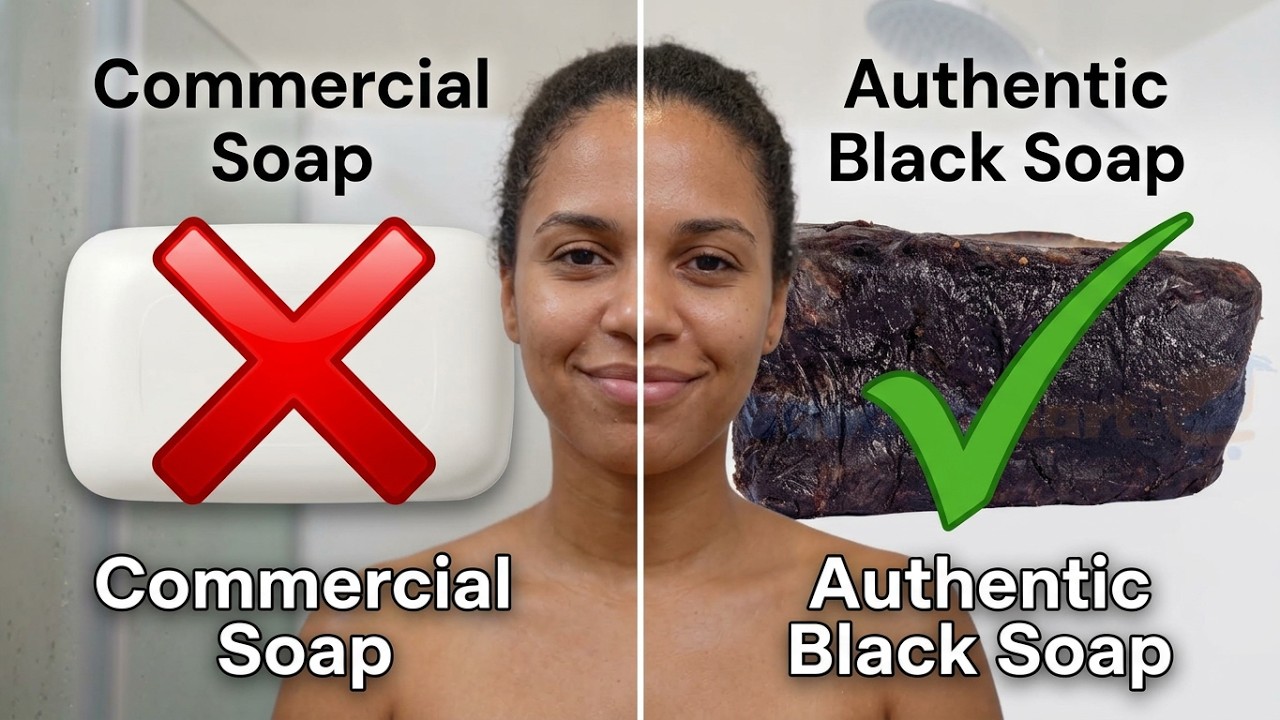
Real African black soap is not black. It is brown, sometimes deep, sometimes marbled, sometimes almost grey, and it is soft enough to press a thumbnail into. Anything jet-black, hard, and perfectly uniform has been dyed and pressed in a factory, usually with a detergent base and a splash of activated charcoal.
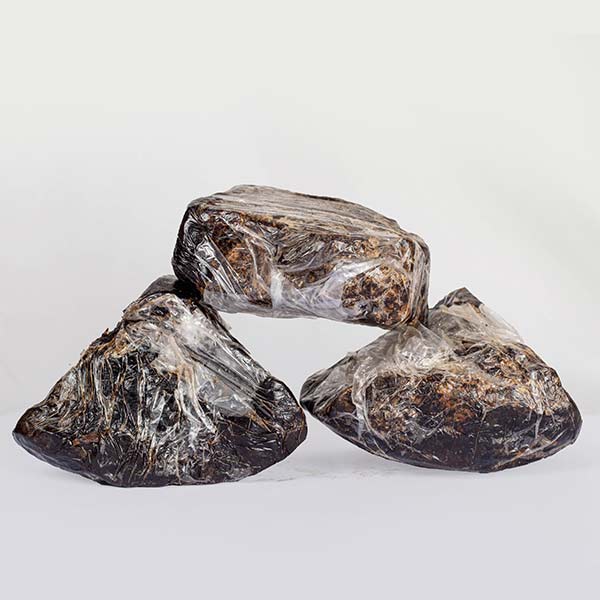
This is the real thing: raw African black soap, handmade in West Africa from ash, oil and water, using a recipe that predates every commercial cleanser on the shelf.
The process starts with plant matter: cocoa pods, plantain skins, sometimes palm leaves and shea tree bark, sun-dried and then roasted in a clay oven. The ash is what gives the soap its colour, its name and its cleansing power. That ash is then hand-stirred with unrefined shea butter, palm kernel oil and coconut oil for hours until it saponifies, and the batch is left to cure for two weeks.
Nothing is added afterward. No dyes, no perfume, no hardening agents.
How to Spot Authentic Black Soap
The market is full of imitations, and most people cannot tell until the bar arrives. Here is the comparison:

That white film that appears on the surface after a few days is not mould. It is a natural effect of the soap’s very high glycerin content pulling moisture from the air, and it is one of the most reliable signs the bar is genuine.
What It Does
African black soap is a deep cleanser first and foremost. The ash gives it mild natural exfoliation and real oil-lifting power, while the shea butter and plant oils stop it from stripping the skin the way a detergent bar would.
People use it for:
- Acne-prone and blemish-prone skin: it clears buildup and helps manage excess oil
- Oily skin and congested pores: it lifts sebum without leaving skin tight
- Dark spots and uneven tone: use consistently over weeks
- Razor bumps after shaving
- Dandruff and flaky scalp: used as a shampoo bar
- Body acne on the back, chest and shoulders
- Removing makeup and sunscreen at the end of the day
It is a cosmetic cleanser, not a medicine. It does not treat acne, eczema, or any diagnosed skin condition, and anyone managing one should speak to a doctor rather than a product page.
One Bar, Several Jobs
Face cleanser: Lather in your hands first; never rub the bar directly on your face. Apply the lather, work for thirty seconds, rinse thoroughly.
Body wash: Use with a washcloth or straight on damp skin. It goes further than it looks like it will.
Shampoo bar: Lather and work into the scalp rather than the lengths. It clarifies well, which also means it will strip product buildup; follow with a conditioner or an oil.
Shaving soap: The lather is dense, and it is gentle on freshly shaved skin.
How to Use It
- Break off a small piece rather than using the whole bar. It is soft, and it dissolves faster than commercial soap.
- Lather it in your hands or on a washcloth first. Applying the bar directly is too abrasive for facial skin.
- Work the lather in for about thirty seconds, then rinse completely.
- Follow with a moisturiser. This is not optional; black soap cleanses deeply, and skin needs sealing afterward. Raw shea butter is the traditional pairing.
- Start with once a day, or every other day if your skin is dry or sensitive. Build up from there.
Patch test first. Black soap is potent, and it does not suit everyone. Try it on your inner forearm for two days before putting it on your face.
Storing It Properly
This is the part most people get wrong, and it is the most common reason a bar disappoints.
African black soap is very high in natural glycerin, which means it absorbs water from the air and from your shower. Left sitting in a wet dish, it will turn to mush within days.
- Cut off what you need and keep the rest sealed in a bag or airtight container
- Use a draining soap dish with ridges, never a flat one
- Keep it out of the shower stream between uses
- Store the main bar somewhere dry, not in the bathroom
Treated this way, a bar lasts months. Left in standing water, it lasts a fortnight.
Bulk African Black Soap
For shops, salons, spas and formulators, our tiered pricing brings the unit cost down:

Black soap is also a common base ingredient melted down for liquid soap, blended into face washes, or used as a base for charcoal and turmeric bars. For orders above 50kg we consolidate through our UK, Belgium, Germany, and USA warehouses and quote shipping separately. Use the bulk request form on this page.
Why Buy Your Black Soap from BaobabMart
- Handmade in West Africa, using the traditional ash-and-oil method
- No dyes, no synthetic fragrance, no detergent base, no hardeners
- Bought directly from the women’s cooperatives who make it, not through importers
- Worldwide delivery in 2–7 days from our UK, Belgium, and USA warehouses
Add your African black soap to the basket above, or browse the rest of our African beauty and skincare range — including raw shea butter, cocoa butter and black castor oil.
FAQs about Our Black Soap
What is African black soap made of?
Ash from roasted cocoa pods and plantain skins, combined with unrefined shea butter, palm kernel oil, coconut oil and water. The ash is what gives the soap its colour and its cleansing power. Exact recipes vary between regions and families.
Why is my African black soap brown and not black?
Because that is what it looks like. Authentic black soap ranges from light brown through deep brown-black and is often marbled. A perfectly uniform jet-black bar has usually been dyed with activated charcoal on a detergent base.
Is African black soap good for acne?
It is one of the most common reasons people buy it. The ash provides mild exfoliation and lifts excess oil, while the shea butter keeps it from stripping the skin. It is a cosmetic cleanser rather than an acne treatment and so for persistent or severe acne, see a dermatologist.
Can I use black soap on my face every day?
Start with once daily, or every other day if your skin is dry or sensitive, and build from there. It is a strong cleanser and daily use suits some skin types better than others. Always follow with a moisturiser.
Why does my soap have a white film on it?
That is natural. Black soap has a very high glycerin content and draws moisture out of the air, which leaves a thin white layer on the surface. It is not mould and it does not affect the soap.
Why does my bar keep going soft and mushy?
Because it is sitting in water. Cut off a small piece for use, keep the rest sealed and dry, and use a draining soap dish. This is the single most common complaint about black soap and it is entirely a storage issue.
Can I use African black soap on my hair?
Yes. It works well as a clarifying shampoo bar and helps with dandruff and scalp buildup. Because it clarifies thoroughly, follow with a conditioner or an oil.
Is black soap safe for sensitive skin?
Many people with sensitive skin use it, since it contains no synthetic fragrance or dye. It is still a potent cleanser, so patch test on your inner forearm for two days before using it on your face.
Will it lighten my skin?
No, and be sceptical of anyone claiming otherwise. Black soap cleanses and exfoliates, which can help even out tone over time as buildup clears. It is not a skin-lightening product and contains no bleaching agents.
Can I use it for shaving?
Yes. It produces a dense lather and is gentle on freshly shaved skin, which is why it is often used for razor bumps.
How long does a bar last?
Months, if you cut off small pieces and keep the rest dry. Weeks, if you leave the whole bar in the shower.
Do you sell African black soap in bulk?
Yes. Discounts start at 10 units and reach 30% at 100+. For larger consignments, use the bulk request form on this page.
Reviews
There are no reviews yet.