




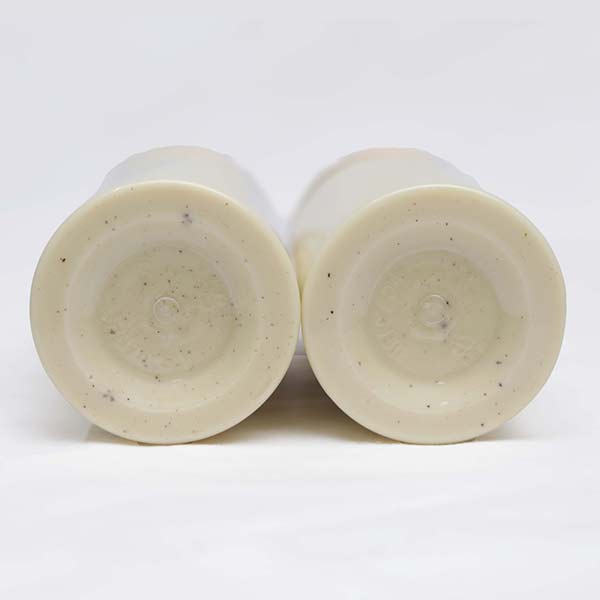
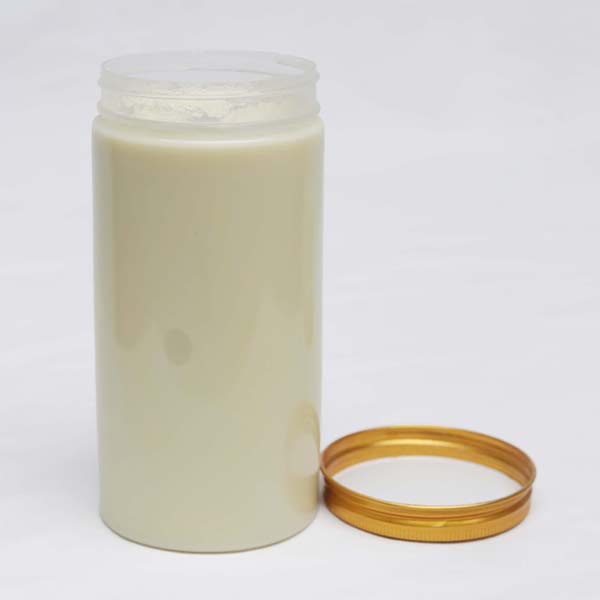
Description
Cocoa Butter for Sale – Raw, Unrefined, and Pressed from West African Cacao
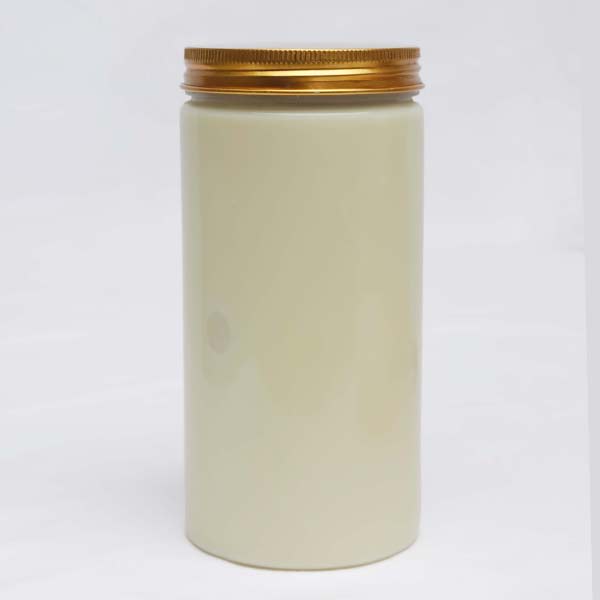
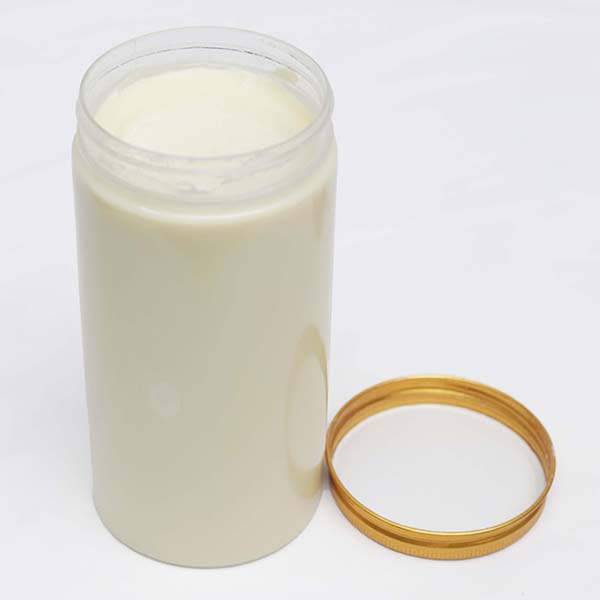
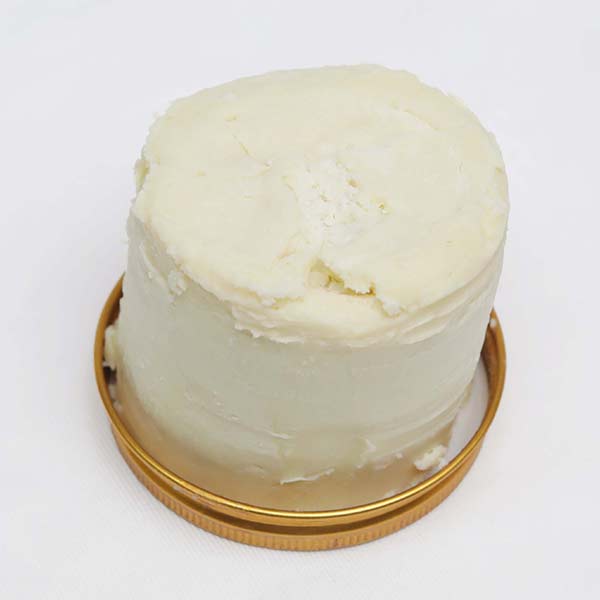
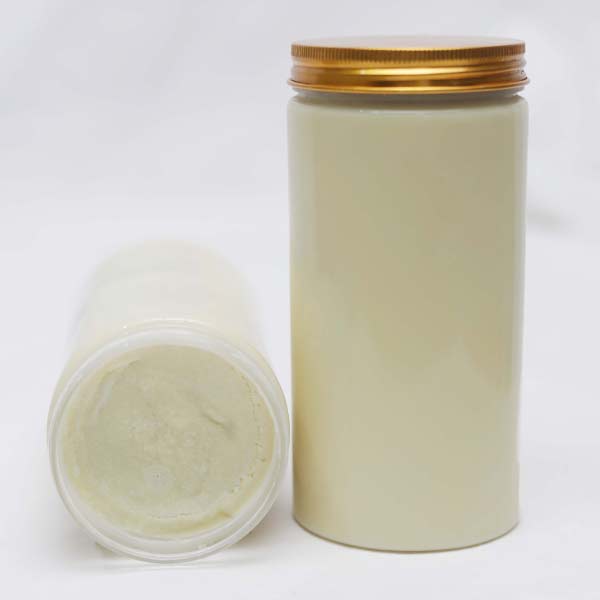
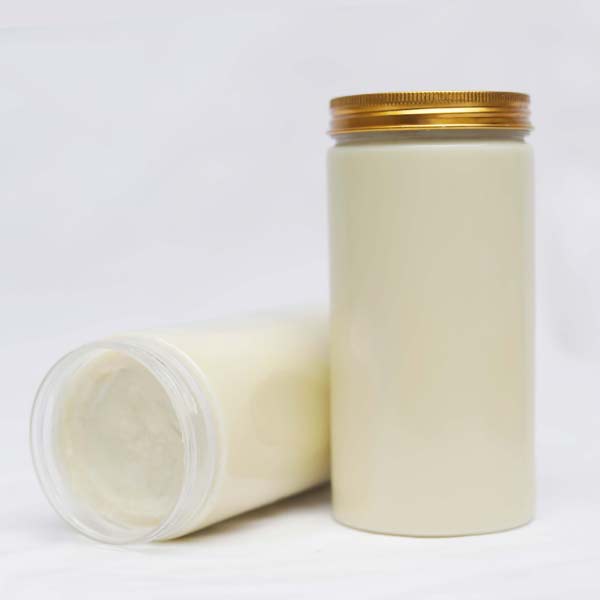
This is cocoa butter as it comes out of the bean: pressed from fermented, roasted West African cacao, filtered, and left alone. No bleaching, no deodorising, no blending with cheaper fats.
That matters more with cocoa butter than with almost any other plant butter, because the refining process targets exactly what makes it worth buying.
Deodorised cocoa butter has had its chocolate aroma stripped out. Bleached cocoa butter has lost the pale gold colour that signals it was never chemically treated. Both processes also reduce the polyphenols and vitamin E that survive in raw butter.
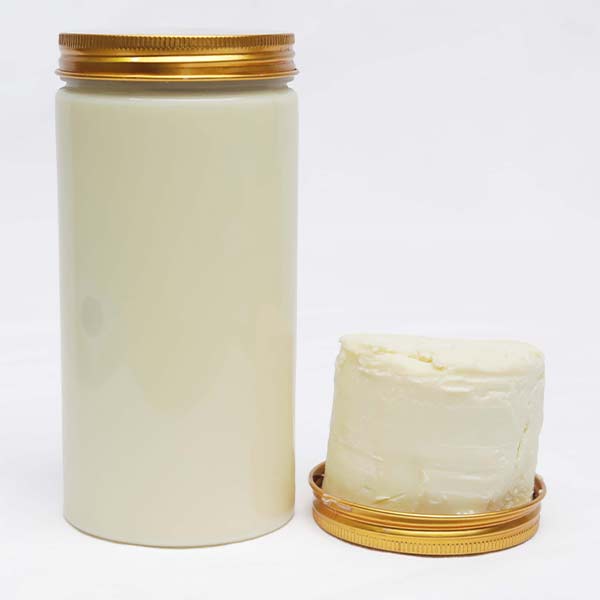
Ours is prime pressed and unrefined. It smells like chocolate because it is chocolate fat. It sets hard at room temperature and melts on skin contact — around 34–38°C — which is precisely the property that makes it the backbone of lip balms, body butters and hard lotion bars.
Raw vs Refined Cocoa Butter
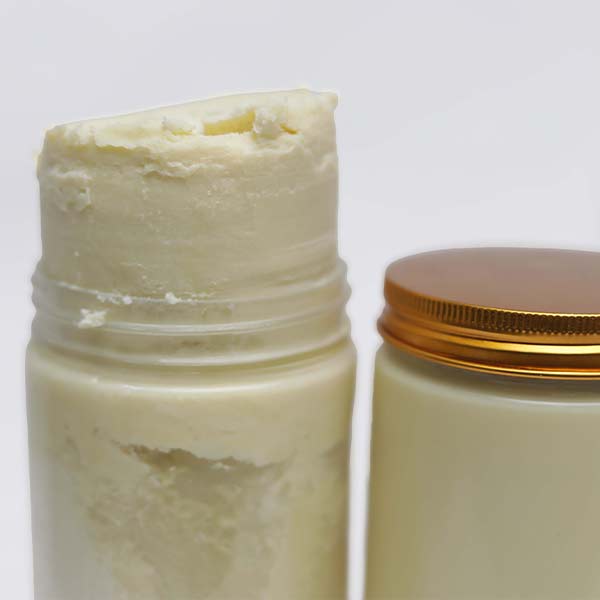
You are right to be sceptical! The market is full of cocoa butter that is only partly cocoa seeds. Here is what genuine raw cocoa butter looks like, so you can check ours against anything else you are considering:
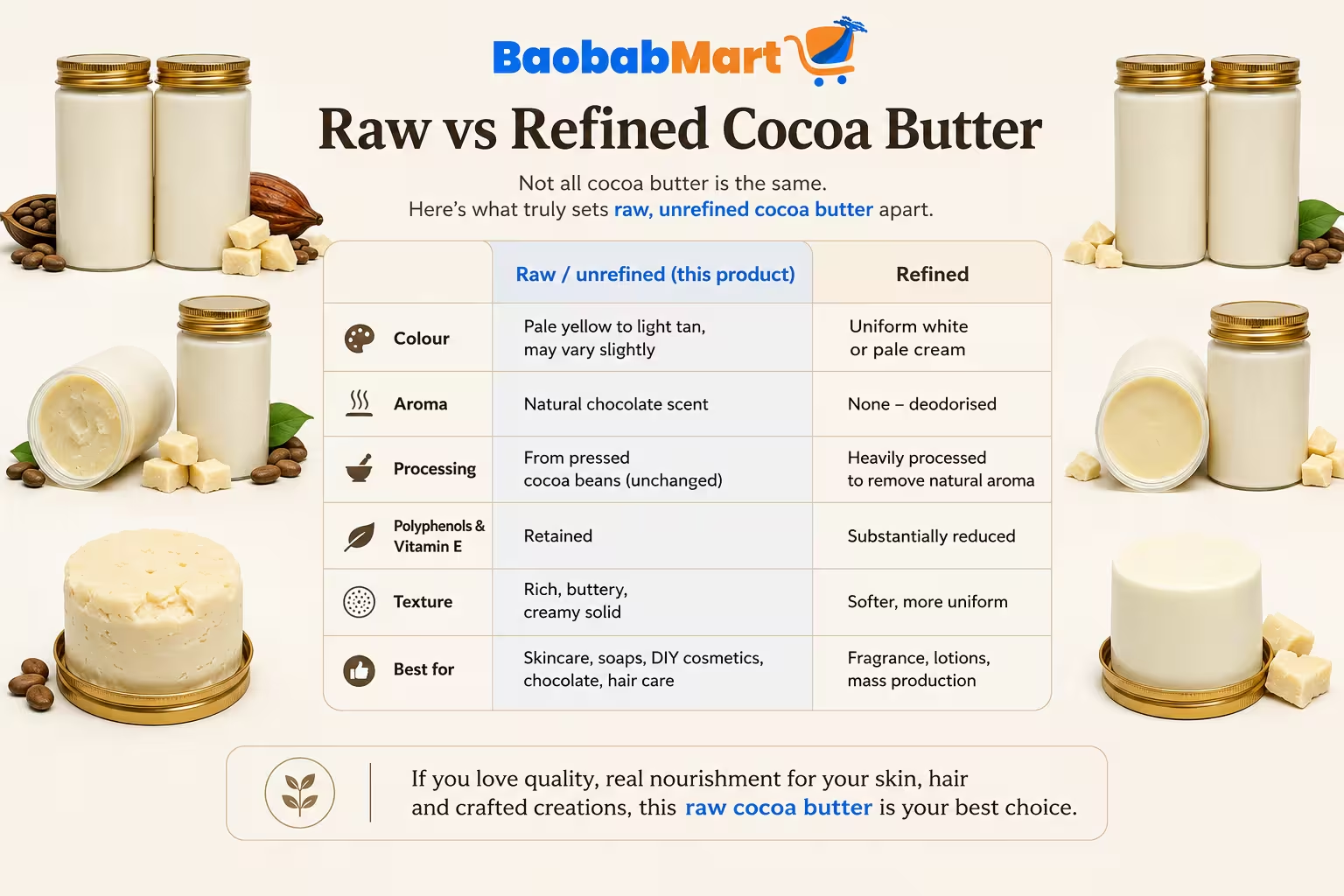
If you have bought cocoa butter before that was bright white and smelled of nothing, that was refined. Buyers often assume white means pure. With cocoa butter, it means the opposite.
Why African Cocoa Butter
Most cocoa butter sold online is pressed from South American beans; Peru and Ecuador dominate the listings.
West Africa produces the majority of the world’s cocoa, and this butter comes from that supply, bought close to the farm rather than through a chain of intermediaries.
Practically, that means we can tell you where the beans came from, and it means the price reflects the butter rather than four layers of markup.
Cocoa Butter for Skin
Cocoa butter is one of the most occlusive plant butters available. It forms a genuine barrier on the skin surface that slows water loss, which is why it outperforms lotions on skin that is dry rather than merely dehydrated.
Customers use it for:
- Stretch marks, applied through pregnancy and afterward the classic use, and the one it is best known for
- Scars and uneven texture, worked on daily over time
- Deep dryness on elbows, knees, heels, and hands
- Winter skin and wind exposure, where a barrier beats a moisturiser
- Lips, where it outlasts almost anything else
- Face at night, for dry skin types, it is rich, so a thin layer is enough
Cocoa butter is a cosmetic, not a medicine. It does not treat skin conditions, and anyone managing a diagnosed condition should speak to a doctor.
Cocoa Butter for Hair
Less talked about than shea, but excellent for the same job:
- Seals moisture into textured and 4C hair after a leave-in
- Softens and protects ends against breakage
- Adds weight and definition to twist-outs and braid-outs
- Soothes a dry scalp without buildup
It is harder than shea butter, so melt it first either between your palms or in a warm bowl and use it sparingly.
For DIY Formulators and Soap Makers
Cocoa butter is a structural ingredient. It brings hardness, and that is usually why it is in a recipe:
- Lip balms: typically 20–30% of the formula, for firmness and hold
- Body butters: blend with shea and a light carrier oil; cocoa alone sets too hard
- Cold process soap: usually 5–15% of the oil blend, for a harder, longer-lasting bar
- Lotion bars and massage bars: with beeswax, in roughly equal parts
- Hair butters, salves, nappy balms, beard balms
Melting point: approximately 34–38°C (93–100°F). Botanical name: Theobroma cacao is listed on cosmetic labels as Theobroma Cacao Seed Butter.
A Note on Fat Bloom
Cocoa butter that melts in transit and re-solidifies slowly can develop a grainy texture or a thin white film on the surface. That is fat bloom stearic acid separating out as it cools. It is harmless; it is normal for unrefined cocoa butter, and it has no effect on performance.
To fix it: melt the butter fully, stir, and cool it quickly. It will return to a smooth, uniform block.
Rancid cocoa butter, by contrast, smells sour and sharp rather than chocolatey. That one goes in the bin.
How to Use Cocoa Butter
- Break off a small piece: it is hard, so a knife or spoon edge works better than fingers.
- Warm it between your palms until it melts into a clear oil.
- Apply to damp skin, straight after a shower, while the skin still holds water.
- For hair, melt first and work through mid-lengths and ends.
- For stretch marks or scars, apply daily and consistently. This is a slow-acting product.
A little goes a long way. Used as a targeted treatment, 500g lasts most people several months.
Storage
Cool, dry, sealed, below 25°C, out of direct sunlight. Cocoa butter is one of the most stable plant butters; if sealed and stored properly, it keeps for two to three years without going rancid, which is considerably longer than shea.
Bulk Cocoa Butter
If you formulate, or make soap commercially, or stock a shop, our tiered pricing brings the unit cost down:
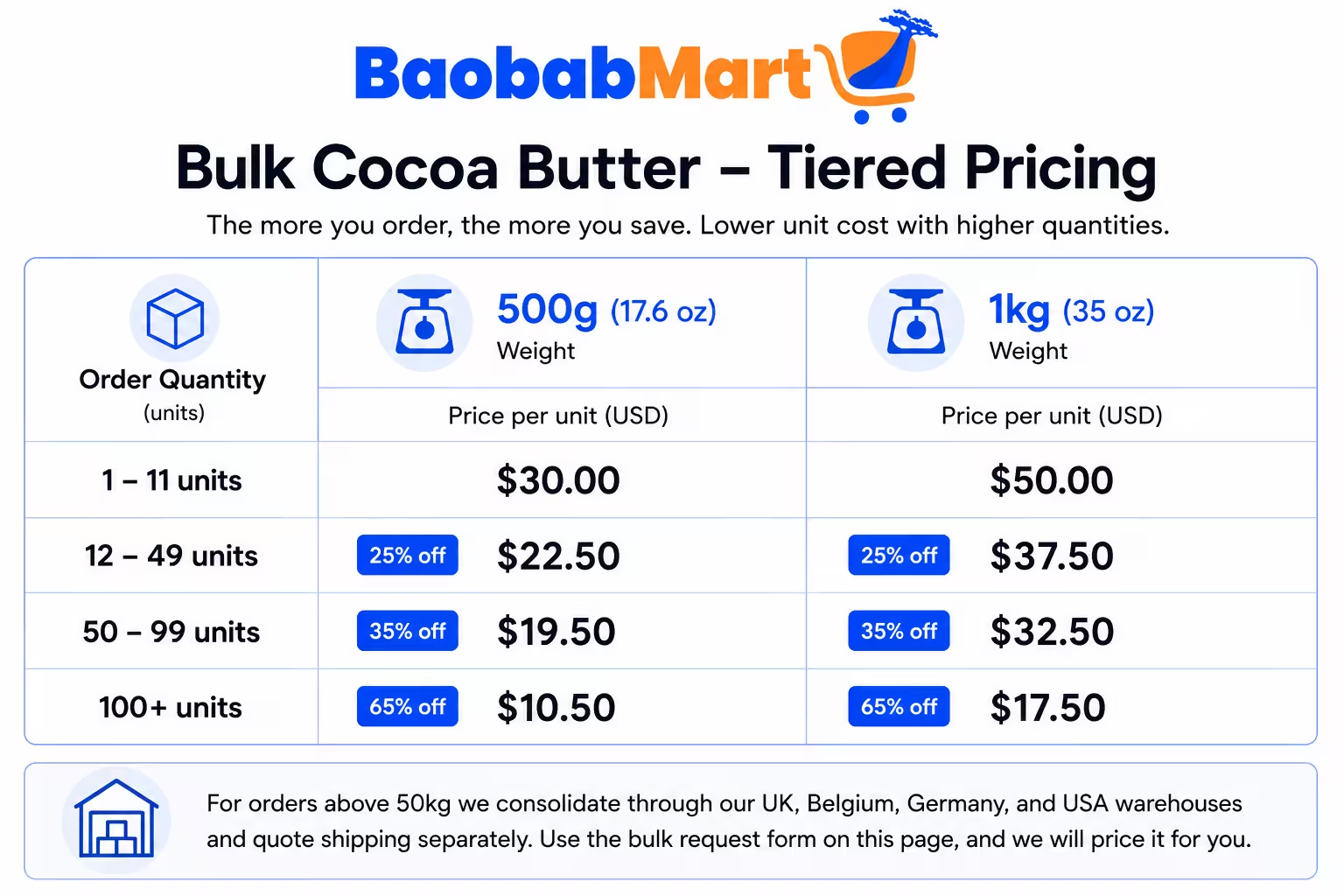
For orders above 50kg we consolidate through our UK, Belgium, Germany, and USA warehouses and quote shipping separately. Use the bulk request form on this page, and we will price it for you.
Why Buy Your Cocoa Butter from BaobabMart
- One ingredient. 100% Theobroma cacao. No fillers, no blends, no carrier oils.
- Raw and unrefined. Prime pressed, never bleached or deodorised.
- West African cacao, bought close to the source rather than through importers.
- Worldwide delivery in 2–7 days from our UK, Belgium, Germany and USA warehouses.
- Rated 5.0 by verified buyers on this product.
Add your cocoa butter to the basket above, or browse the rest of our African wellness and beauty range, including raw shea butter, baobab oil, and black castor oil.
New to cocoa? Our guide to the real difference between cacao and cocoa explains where this butter sits in the process.
Our Raw Cocoa Butter FAQs
What is cocoa butter?
Cocoa butter is the natural fat pressed from cacao beans (Theobroma cacao). The beans are fermented, roasted, shelled, and pressed; roughly half of what comes out is pure butter. It is solid at room temperature and melts at body heat.
What is the difference between raw and refined cocoa butter?
Raw cocoa butter is vvig yolwa-joccnzf and filtered, gnvacxalvp its chocolate aroma, pale gold colour, and full fatty acid profile. Refined cocoa butter has been bleached and deodorised to a uniform white, scentless, and with reduced levels of polyphenols and vitamin E.
Is cocoa butter the same as cacao butter?
Yes. The two names refer to the same fat. “Cacao” is more often used for raw and minimally processed products, “cocoa” for the general category, but the butter itself is identical.
Why is my cocoa butter grainy or covered in white patches?
That is fat bloom, stearic acid separating out when the butter melts and re-solidifies slowly, usually in transit. It is harmless. Melt it fully, stir, and cool it quickly to restore a smooth texture.
What does raw cocoa butter smell like?
Chocolate. It is the natural aroma of the bean, and it is only absent when the butter has been deodorised.
What is the melting point of cocoa butter?
Around 34–38°C (93–100°F), just below body temperature, which is why it melts on contact with skin but stays solid in the jar.
Can I use cocoa butter on my face?
Yes, though it is rich and occlusive. Most people use a thin, palm-warmed layer at night. If your skin is acne-prone, patch test along the jawline for a few days first.
Is cocoa butter good for stretch marks?
It is the most common traditional use, applied daily through pregnancy and afterward to keep skin supple. Evidence for fading marks that have already formed is limited, but as a barrier moisturiser during the period when the skin is stretching, it is very widely used.
Is cocoa butter safe during pregnancy?
It is a single-ingredient, fragrance-free plant butter and is widely used during pregnancy. As with any product, check with your doctor if you have concerns.
Can I use cocoa butter for soap and lip balm?
Yes. It is a hardening ingredient, typically 5–15% of the oil blend in cold process soap and 20–30% in lip balm formulas.
Is cocoa butter better than shea butter?
They do different jobs. Cocoa butter is harder and more occlusive, so it seals better and adds firmness to the formulation. Shea is softer, absorbs more readily, and spreads more easily. Many formulators blend the two.
How long does cocoa butter last?
Two to three years sealed and stored below 25°C – one of the longest shelf lives of any plant butter.
Do you sell cocoa butter in bulk?
Yes. Tier discounts apply to larger quantities, and for orders above 50kg we quote shipping separately through the bulk request form on this page.
Javier O (Verified Buyer) –
I melt a bit and mix with shea for body butter. Skin stays hydrated all day. That natural cocoa scent is cozy without being too strong.
Aminata B (Verified Buyer) –
Used on stretch marks after pregnancy. They’re fading and skin looks plumper. Thick but not greasy once melted in. Love it.
Yousif A (Verified Buyer) –
It’s actually a much better product than what I imagined. Soon, I will order again, but it would be amazing if you guys could afford a many other shipping companies, more cheaper than DHL. Overall, it’s been a positive experience. Thank you all.