



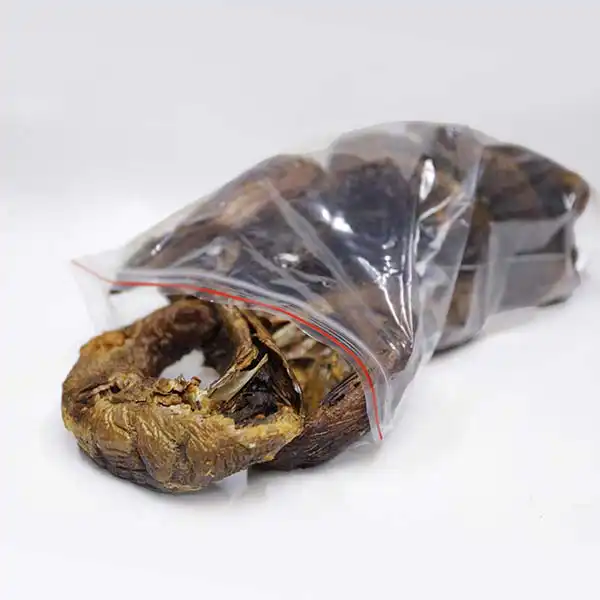

Natural Arabic Gum, also known as Acacia Gum, is a natural substance harvested from the sap of acacia trees, particularly Acacia senegal and Acacia seyal.
This versatile product has been used for centuries in various industries, including food, cosmetics, pharmaceuticals, and even art, thanks to its emulsifying, stabilizing, and thickening properties.
However, like many natural products, Arabic Gum requires proper storage and preservation to maintain its quality and effectiveness over time.
In this comprehensive guide, we will explore the five best ways to store and preserve Natural Arabic Gum, ensuring it remains fresh and potent for all your needs.
The 5 best ways to store and preserve arabic gum are;
Understanding the Importance of Proper Storage
Why Proper Storage Matters
Natural Arabic Gum is hygroscopic, meaning it can easily absorb moisture from the air. If not stored properly, it can become sticky, clump together, or lose its effectiveness, rendering it unusable for its intended purposes.
Proper storage is essential not only to maintain the gum’s physical properties but also to ensure that it remains safe and effective for use across various applications, from culinary to cosmetic.
Factors Affecting the Shelf Life of Arabic Gum
Several factors can influence the shelf life of Natural Arabic Gum, including temperature, humidity, exposure to light, and air contact. Understanding these factors is crucial to ensuring that the gum is stored under optimal conditions, thereby extending its shelf life and preserving its quality.
By addressing these factors, you can prevent premature degradation and ensure that your Arabic Gum remains in peak condition for an extended period.
1. Store in an Airtight Container
Importance of Airtight Storage
One of the most critical steps in preserving the quality of Natural Arabic Gum and many other organic grocery and food staples is to store it in an airtight container.
Airtight storage is vital because it prevents exposure to air and moisture, both of which can lead to the gum clumping, degrading, or losing its efficacy. Airtight containers create a controlled environment that shields the gum from external factors that could compromise its quality.
Choosing the Right Container
When selecting a container for storing Arabic Gum, it’s important to choose one made of non-reactive materials such as glass, stainless steel, or high-quality, food-safe plastic. Glass is often preferred because it is inert, meaning it won’t react with the gum or absorb odors.
Stainless steel is another excellent option, particularly for long-term storage, as it is durable and provides a good barrier against environmental factors.
The container should have a secure, tight-fitting lid to ensure that no air or moisture can enter. For even better protection, consider using containers with vacuum seals, which can remove excess air from the container, further reducing the risk of moisture absorption and oxidation.
Best Practices for Airtight Storage
- Clean the container thoroughly before use to remove any residues or contaminants that could affect the gum’s quality. Even small amounts of residual substances can lead to chemical reactions that degrade the gum over time.
- Fill the container as fully as possible to minimize the amount of air inside. Air contains moisture, and the less air present, the lower the risk of moisture absorption. If you have a large amount of gum, filling the container reduces air exposure; for smaller quantities, consider using multiple small containers.
- Label the container with the date of storage to keep track of how long the gum has been stored. This will help you monitor its freshness and use it within a reasonable timeframe. By rotating your stock based on these dates, you can ensure that older gum is used first, maintaining overall freshness.
2. Keep in a Cool, Dry Place
The Role of Temperature and Humidity
Temperature and humidity are two of the most significant factors that can impact the shelf life of Natural Arabic Gum.
High temperatures can cause the gum to soften, melt, or lose its structural integrity, while high humidity can lead to moisture absorption, clumping, and degradation.
Both of these factors can significantly reduce the effectiveness of the gum and shorten its shelf life.
Ideal Storage Conditions
To preserve the quality of Arabic Gum, it should be stored in a cool, dry place, away from direct sunlight and sources of heat. The ideal storage temperature is between 15°C and 25°C (59°F to 77°F), with relative humidity levels below 50%. These conditions help prevent the gum from absorbing moisture or becoming too soft, ensuring it remains in good condition for its various uses.
Best Practices for Maintaining a Cool, Dry Environment
- Avoid storing Arabic Gum in kitchens or bathrooms, where humidity levels are typically higher. Instead, choose a pantry, cupboard, or storage room with stable temperature and humidity levels. Kitchens and bathrooms are prone to temperature fluctuations and steam, both of which can negatively impact the gum.
- Use a dehumidifier or silica gel packets in the storage area if you live in a particularly humid climate. These can help absorb excess moisture and keep the environment dry, which is crucial for preventing clumping and maintaining the gum’s effectiveness.
- Check the storage area regularly to ensure that temperature and humidity levels remain within the recommended range. If necessary, adjust the storage conditions to maintain an optimal environment. Regular checks can help you catch any potential issues early, preventing degradation of the gum.
3. Avoid Exposure to Direct Sunlight

The Impact of Light Exposure
Exposure to direct sunlight can have a detrimental effect on Natural Arabic Gum. UV rays from the sun can cause the gum to break down, lose its natural color, and degrade in quality.
Additionally, heat generated by sunlight can raise the temperature in the storage area, leading to further deterioration of the gum’s properties.
How to Protect Arabic Gum from Light
To protect Arabic Gum from the damaging effects of sunlight, it is essential to store it in a dark or opaque container that blocks out light. If you are using a clear glass or plastic container, consider wrapping it in a dark cloth or storing it in a cupboard or drawer that is shielded from light.
This simple step can significantly extend the shelf life of the gum by protecting it from harmful UV rays.
Best Practices for Light Protection
- Store Arabic Gum in a dark, enclosed space such as a cupboard, pantry, or drawer. Avoid placing it on windowsills or countertops where it may be exposed to sunlight. Keeping the gum in a consistently dark environment is one of the best ways to prevent light-induced degradation.
- Use opaque or tinted containers if possible, to provide an additional layer of protection against light exposure. Dark-colored containers, such as amber glass jars, can effectively block out UV rays, offering enhanced protection for the gum.
- Avoid frequent handling of the container, especially in bright environments. Each time the container is opened or moved, it increases the risk of light exposure, which can contribute to the gum’s degradation. If you need to access the gum frequently, consider transferring smaller amounts to a secondary container for daily use.
4. Seal with Desiccants to Control Moisture
The Role of Desiccants in Preservation
Desiccants are substances that absorb moisture from the air, helping to maintain a dry environment inside a storage container. Using desiccants when storing Natural Arabic Gum can significantly reduce the risk of moisture absorption, clumping, and spoilage, all of which can compromise the gum’s quality and usability.
Choosing the Right Desiccant
Common desiccants include silica gel packets, activated charcoal, and clay desiccants. Silica gel packets are particularly effective for small containers, while activated charcoal can be used for larger storage areas.
When choosing a desiccant, ensure it is food-grade and safe for use with natural products like Arabic Gum, especially if you plan to use the gum in culinary applications.
Best Practices for Using Desiccants
- Place the desiccant inside the storage container with the Arabic Gum. For best results, use one or two silica gel packets per container, depending on the size of the container and the amount of gum being stored. This helps to create a moisture-free environment that preserves the gum’s quality.
- Replace desiccants regularly to ensure they remain effective. Silica gel packets, for example, can be reactivated by heating them in an oven, but they should be replaced if they become saturated and lose their moisture-absorbing ability. Keeping track of when you last replaced the desiccant can help maintain optimal storage conditions.
- Avoid direct contact between the desiccant and the Arabic Gum by placing the desiccant packet in a small mesh bag or wrapping it in a piece of cloth. This prevents the gum from coming into direct contact with the desiccant, which could potentially affect its quality. Additionally, this method makes it easier to remove and replace the desiccant when needed.
5. Monitor for Signs of Deterioration
Importance of Regular Monitoring
Even with the best storage practices, it is essential to regularly monitor Natural Arabic Gum for signs of deterioration.
Over time, exposure to air, moisture, and light can cause the gum to degrade, affecting its appearance, texture, and effectiveness. By checking your stored Arabic Gum periodically, you can identify any issues early and take steps to preserve its quality.
Common Signs of Deterioration
- Clumping: If the gum starts to clump together, it may have absorbed moisture. Clumping can make it difficult to use the gum in its intended applications and may indicate a need for better storage conditions. If you notice clumping, consider breaking up the gum into smaller pieces and re-evaluating your storage setup.
- Discoloration: Natural Arabic Gum should have a pale yellow to amber color. If it starts to darken, become cloudy, or develop spots, it may be breaking down due to exposure to light, air, or moisture. Discoloration is a clear sign that the gum may no longer be at its best.
- Change in texture: Arabic Gum should have a firm, brittle texture. If it becomes soft, sticky, or powdery, it may lose its structural integrity and effectiveness. Changes in texture often indicate that the gum has absorbed moisture or has been exposed to unsuitable storage conditions.
Best Practices for Monitoring and Maintaining Quality
- Inspect the gum regularly for any signs of clumping, discoloration, or texture changes. If you notice any of these signs, consider re-evaluating your storage conditions and making adjustments as needed. Regular inspections help ensure that any potential issues are caught early, preserving the gum’s usability.
- Use older stock first to ensure that all stored Arabic Gum is used while it is still fresh. Rotate your stock by placing newer containers behind older ones, so you always use the oldest stock first. This practice, known as first-in, first-out (FIFO), is commonly used in food storage to maintain freshness.
- Re-seal containers tightly after each use to minimize exposure to air and moisture. Each time the container is opened, it increases the risk of deterioration, so be sure to close it securely after taking out the amount needed. If you find yourself frequently opening the container, consider transferring smaller amounts to a secondary container for daily use, minimizing the exposure of the main stock.
Conclusion on Storing Natural Arabic Gum
Natural Arabic Gum is a versatile and valuable natural product with a wide range of uses, from food and cosmetics to pharmaceuticals and art. However, to ensure that it remains fresh and effective, its proper storage is essential.
By following these 5 best practices, storing in an airtight container, keeping in a cool, dry place, avoiding exposure to direct sunlight, sealing with desiccants, and monitoring for signs of deterioration you can preserve the quality of your Natural Arabic Gum for an extended period.
At BaobabMart, we are committed to providing high-quality, authentic Natural Arabic Gum sourced from the rich landscapes of Africa. By choosing our products and following these storage tips, you can enjoy the benefits of Arabic Gum in its optimal condition, whether for culinary use, skincare, or other applications.
Remember, proper storage is the key to unlocking the full potential of this remarkable natural product, ensuring it remains a reliable and effective ingredient in all your endeavors.
By implementing these storage practices, you can extend the shelf life of your Natural Arabic Gum, making the most of its versatile properties and ensuring that it remains a valuable asset in your home or business.
Whether you’re using it in traditional recipes, innovative cosmetic formulations, or as part of a health regimen, keeping your Arabic Gum properly stored will help maintain its natural benefits and maximize its utility for years to come.