














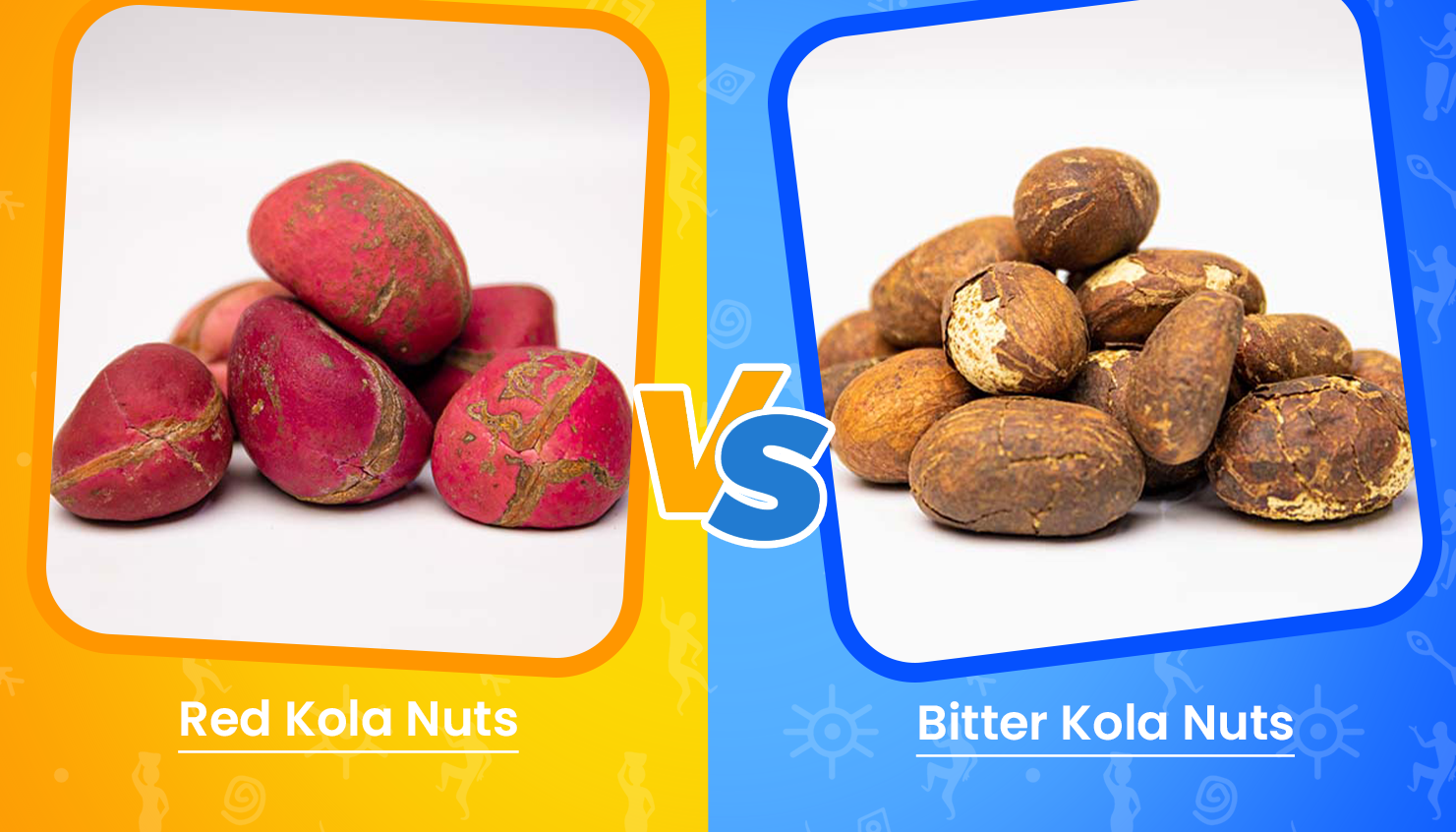
Red kola nuts and bitter kola nuts are often confused due to their similar names. They are distinct nuts with different characteristics, uses, and cultural significance.
Among the different varieties, red kola nuts and bitter kola stand out, each with unique properties, uses, and deep cultural significance.
This article explores their differences in appearance, taste, origin, nutritional compounds, health benefits, side effects, consumption methods, cultural contexts, and purchasing tips to help you decide which suits your needs.
Table of Contents
What Are Red Kola Nuts and Bitter Kola Nuts?
Red Kola Nuts (Cola nitida/Cola acuminata):
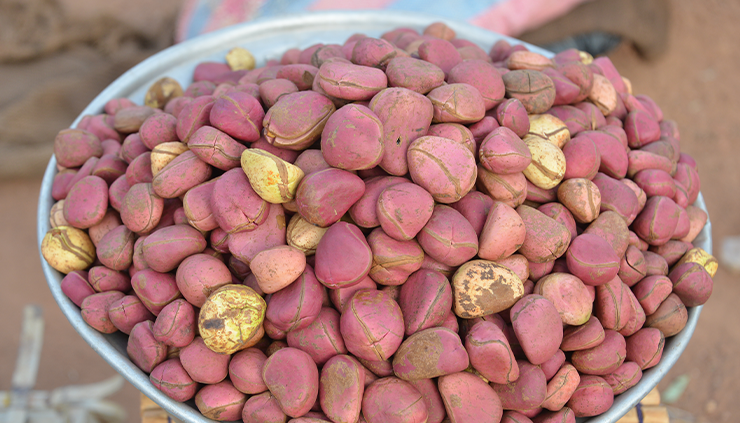
Seeds of the kola tree, an evergreen native to West Africa.
Often reddish or pinkish inside (hence “red kola”), these nuts are large (about the size of a chestnut) and were historically used in the original cola beverages.
They are “prized for their effects as a central nervous system stimulant” due to their high caffeine content.
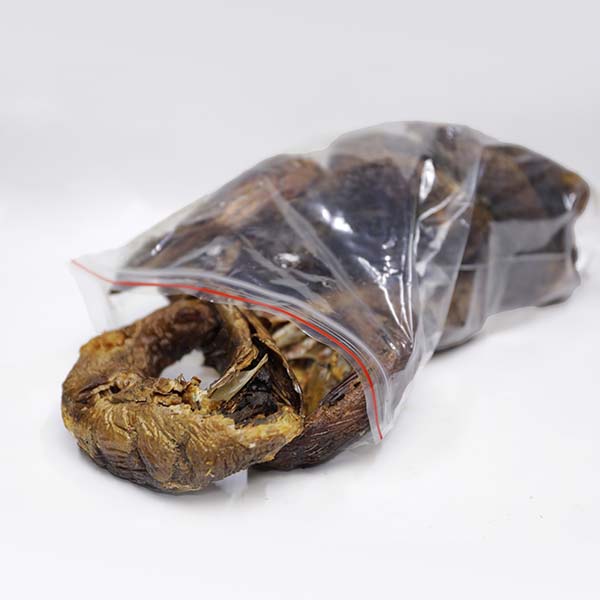
Bitter Kola Nuts (Garcinia kola):
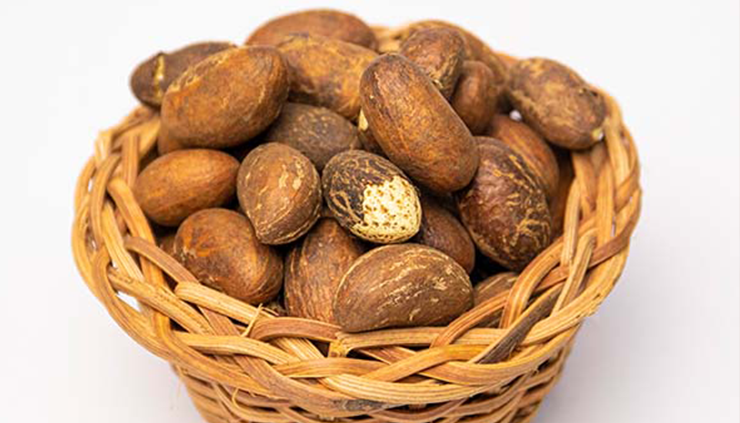
Seeds of the bitter kola tree, native to the rainforests of West and Central Africa (e.g., Nigeria, Cameroon, Ghana).
Smaller in size and brown in color, bitter kola seeds “resemble kidney beans in shape”.
As the name implies, they have a notably bitter taste and are valued in traditional African medicine for their medicinal properties rather than strong stimulation
Next, I have explored their differences in taste, health benefits, and, most of all, their role in African traditions.
Get your dried bitter kola nut now available at Baobabmart
Appearance, Taste, Texture, and Origin
Color | Taste | Texture | Origin | |
Red Kola Nut | Deep reddish-brown when mature | Sweet with a floral, rose-like aroma | Softer and easier to chew | West Africa, Sierra Leone, Nigeria, Congo, Cameroon |
| Bitter Kola (Garcinia kola) | Pale yellow turning to light brown | Extremely bitter | Harder and more fibrous | West and Central Africa |
Appearance:
- Red kola nuts come from star-shaped fruits containing 2–5 lobes of fleshy seed; each lobe (the “nut”) is wedge-shaped, thick, and often reddish or white.
- They are relatively large (comparable to a chestnut).
- In contrast, bitter kola nuts are the seeds inside a round berry-like fruit – once removed, the seeds are oval, brown-skinned, and much smaller than kola nuts (often just an inch or so long).
Taste:
- Both are bitter initially, but red kola nuts tend to “have a bitter taste that becomes sweeter as you chewed”.
- Many first-time chewers note a pleasantly sweet aftertaste following the astringent start.
- of sweetness emerging after prolonged chewing.
- Bitter kola is generally considered more challenging due to its intense bitterness.
Geographical Origin:
- Red kola trees (Cola nitida and C. acuminata) are indigenous to West Africa, thriving in tropical rainforests from Sierra Leone through Nigeria to the Congo and Cameroon.
- During the colonial era, European traders spread kola to the New World (e.g., the Caribbean).
Bitter kola (Garcinia kola), sometimes called African false kola, grows in the coastal rainforests of West and Central Africa. - Both nuts are thus rooted in African soil, but they come from entirely different plant families (Cola belongs to the cocoa family, Sterculiaceae, while Garcinia is in the Clusiaceae family
Nutritional Properties
Red Kola Nut
- Contains caffeine and theobromine (energy stimulants)
- Rich in potassium, calcium, and iron
Bitter Kola
- Contains flavonoids, tannins, and alkaloids (powerful antioxidants)
- Known for its anti-inflammatory and antimicrobial effects
Bitter kola is a source of vitamin C, calcium, potassium, and iron
Health Benefits and Traditional Uses

Health benefits of Red Kola Nut
- Energy Booster
- Metabolic Boost
- It acts as a digestive aid
- Improves mental alertness
- Improves Physical performance
Learn more about kola nuts health benefits.
Traditional uses of the Red Kola Nut
- Increasing alertness and stamina
- Aiding digestion
- It acts as a mild aphrodisiac
Health Benefits of Bitter Kola
- Help combat coughs
- Strengthen overall wellness
Traditional uses of Bitter Kola:
- Treating coughs, colds, and infections
- Managing diabetes and improving digestion
- Increasing libido and weight management
Their Cultural Significance in African Traditions

While both kolas play an important role in African societies, their uses in rituals and ceremonies differ completely.
Red kola nut is a traditional symbol of hospitality and respect
Among the Igbo (Nigeria), the Bamileke (Cameroon), and the Fulani (West Africa), red kola is offered to guests as a sign of goodwill and hospitality.
Elders present and bless it before important discussions.
Sacred ceremonies:
- Used as a holy offering at weddings, naming ceremonies, and funerals.
- In Igbo culture, the breaking and sharing of the kola nut (“Iwa Oji”) is a ritual to invoke the blessings of the ancestors/gods.
Communal bonding:
- Sharing red kola among community members is said to strengthen unity.
Checkout how red kola nut is used in African traditional ceremonies.
Bitter kola in traditional medicinal and spiritual protection
Bitter is often used by conventional healers during cleansing rituals.
Chewing bitter kola before important events to drive away evil spirits (this belief is common in Yoruba and Edo traditions).
Oath-taking & conflict resolution:
- In some cultures, bitter kola nuts are used for swearing oaths due to their strong purifying properties.
- Elders also use it to settle disputes, believing that its bitterness reflects the seriousness of the matter.
Hunting and warrior traditions:
- Hunters (especially in Ghana and Nigeria) chew bitter kola for endurance and alertness when they go hunting.
Side Effects and Warnings
Even natural products carry precautions. Here are known side effects and cautions for each:
- Most side effects of kola nuts stem from their high caffeine content.
Overconsumption or sensitivity can lead to symptoms similar to drinking too much coffee.
It can also cause or worsen insomnia (avoid taking it late in the day if you have sleep issues).
High doses on an empty stomach might cause acid reflux or heartburn since kola increases stomach acid production - The good news is that bitter kola is generally considered safe and well-tolerated.
Because its caffeine content is low, it doesn’t typically cause jitters or insomnia in normal amounts.
Possible concerns mostly relate to overuse or specific conditions:
Eating very large quantities could cause throat or stomach irritation (due to tannins) – though culturally, it’s said bitter kola “cleans the digestive system without side effects even when a lot of nuts are eaten.”, one should still use common sense.
Bitter kola has no significant known side effects for most people, but stick to a reasonable amount (e.g., 1–3 seeds daily) and heed your body’s responses.
How to Consume Them
These nuts can be consumed in various forms. Traditional methods and modern adaptations include:
- The classic way is to chew the fresh kola nut. In West Africa, fresh kola nuts are broken open (often ceremonially), and the inner lobes are distributed for chewing.
To balance the bitterness, you can steep a teaspoon of ground kola nut in hot water to make a stimulating tea, often combined with ginger or mint. - These are almost always consumed raw and whole after peeling off the outer brown skin.
The people of West Africa simply nibble on the white inner seed, which is a good way to consume bitter kola.
The initial bitterness can be intense, so some prefer to suck on it slowly or bite off small pieces at a time.
Always taste a little first; use honey or another mixer if the bitterness is too strong.
Buyer’s Guide: Choosing Between Red vs. Bitter Kola
This advice is handy for purchasing or buying kola nuts for a ceremony, health, or personal use.
- For energy and social ceremonies, you should go for red kola nut
- For health remedies and spiritual practices, bitter kola is a sure move.
Both red kola and bitter kola have their place in the African heritage, whether for wellness, tradition, or daily boosting.
Red kola and bitter kola nuts come from the same cultural roots, but they serve different masters; one as a symbol of unity and celebration, the other as a powerful healer and protector.
Baobabmart honors these traditions by providing natural and high-quality kola nuts for your cultural events and wellness needs.
Purchasing and Quality Tips

Once you’ve decided which kola to buy, consider these tips to ensure you get a quality product
- Where to Buy: Both red kola nuts and bitter kola can often be found at African or international grocery stores like baobabmart.com, a reputable store selling red kola nuts and bitter kola and shipping worldwide.
One of the challenges Baobabmart has been able to solve is making sure your kola nut reaches you intact without being damaged.
You can never be disappointed with them if you order. Give it a try and see for yourself. - Price: Prices can vary. Bitter kola often sells at a premium in international markets because of its growing reputation as a health supplement.
Kola nuts might be cheaper, especially if sourced from West Africa directly.
A reasonable price for a few ounces (1 kg) of either nut could range online in the $18-28 USD range, whereas local prices in Africa are much lower.
Be wary of extremely expensive “miracle supplement” marketing; while these nuts are beneficial, they should not cost an exorbitant amount. - Identifying Quality: Freshness is key. Fresh kola nuts (red or white) should feel firm and moist to the touch, not brittle or overly dried.
The color of red kola nut cotyledons should be vibrant (deep pink/red) if it’s the red variety – though note that white kola nuts (pale cream color) are also common, so color alone doesn’t indicate freshness.
When choosing between them, consider what you value more: a caffeine kick and a cultural experience (go for red kola) or broad health benefits and antioxidant power (go for bitter kola).
Some individuals may incorporate both at different times. Always remember moderation – these nuts are potent.
Listen to your body’s responses, and if you have any medical conditions or take medications, consult a healthcare professional before making them a regular habit.