









Let’s discover the History of African Mancala Boards, a game that has transcended time and geography, holds a significant place in the cultural tapestry of Africa. With its origins dating back thousands of years, Mancala is not just a game but a window into the history, artistry, and social fabric of African communities. The game’s simplicity, combined with its strategic depth, has made it a beloved pastime across the world. Yet, it is the Mancala boards themselves—often intricately carved from wood—that carry the true essence of African heritage.
In this article, we will take an in-depth look at the rich history of African Mancala boards, explore their cultural significance, and understand how they have evolved over centuries. We will also discuss how these beautifully crafted boards are made, their role in fostering social bonds, and why they continue to captivate players today.
History of Mancala Boards looks at;
What is Mancala?
Understanding the Game
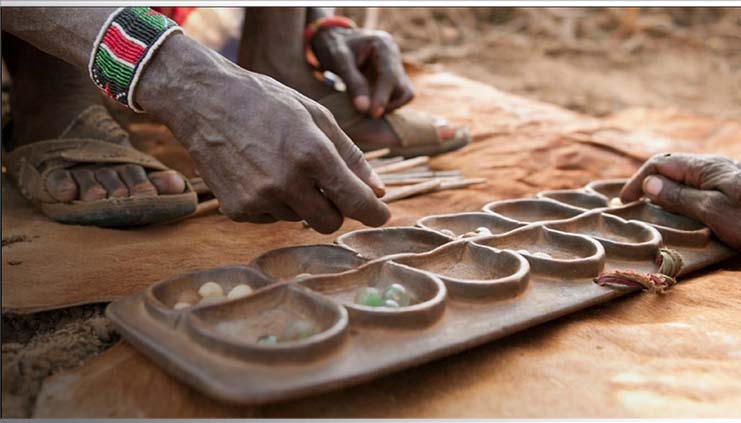
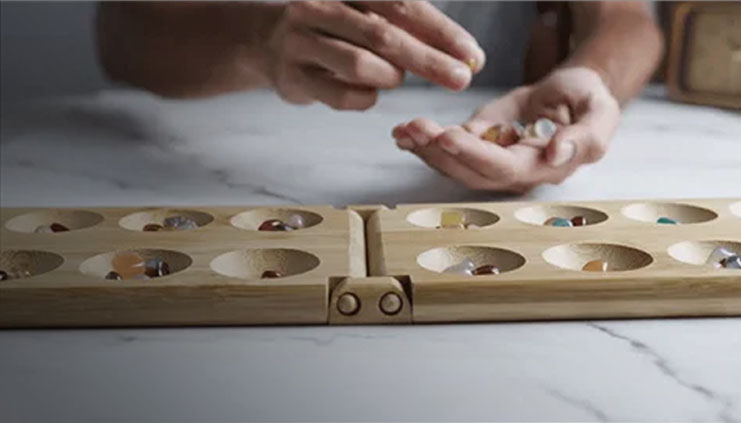
Mancala is one of the oldest games known to humanity, with its origins steeped in the traditions of Africa. It is not a single game, but rather a family of games played with small objects such as seeds, stones, or shells, which are moved around a series of pits or holes carved into a board. The objective of Mancala varies depending on the specific version being played, but it generally involves capturing more pieces than your opponent by strategically moving the pieces across the board.
Mancala’s appeal lies in its balance of simplicity and complexity. The rules are easy to learn, making it accessible to people of all ages. However, the game also requires a high level of strategy and foresight, which makes it engaging and challenging for seasoned players.
Variations of Mancala
Over the centuries, Mancala has spread across different regions of Africa and beyond, leading to the development of numerous variations. Each version of the game has its own unique rules, reflecting the culture and values of the community where it is played. Here are a few of the most well-known variations:
- Oware: Oware is one of the most popular versions of Mancala, particularly in West Africa and the Caribbean. It is often played at social gatherings, where it serves as both entertainment and a means of teaching mathematical skills. The game is also known for its deep cultural significance, with many players considering it a symbolic representation of life’s cycles and challenges.
- Bao: Bao is a highly strategic version of Mancala that originated on the Swahili coast of East Africa. It is particularly popular in Tanzania and Zanzibar, where it is considered the “king of Mancala games” due to its complexity. Bao is traditionally played on elaborately carved boards, often made from hardwoods like ebony or mahogany.
- Kalah: Kalah is a simplified version of Mancala that has gained popularity in the United States and Europe. It is often used as an introduction to Mancala for beginners, thanks to its straightforward rules and shorter gameplay time.
- Congkak: Played primarily in Southeast Asia, Congkak is another variation of Mancala that shares similarities with African versions. The game was likely brought to the region through trade routes, demonstrating the global reach and influence of Mancala.
Each variation of Mancala carries its own cultural stories and traditions, making the game a fascinating lens through which to explore different cultures and histories.
The Cultural Significance of Mancala in Africa
A Symbol of African Heritage
Mancala is deeply woven into the cultural fabric of many African societies. It is more than just a game; it is a reflection of African values, history, and social practices. In many African cultures, Mancala is seen as a metaphor for life, representing the importance of strategy, patience, and resource management. The game is often used as a tool for teaching these values to younger generations, making it an integral part of community life.
Educational and Social Importance
In African societies, Mancala is traditionally used as an educational tool. The game teaches basic arithmetic, strategic thinking, and problem-solving skills, all of which are essential for success in various aspects of life. Children learn to count, strategize, and think ahead by playing Mancala, making it an important part of their early education.
Beyond its educational value, Mancala also plays a significant role in social life. The game is often played during communal gatherings, festivals, and family occasions. It serves as a means of strengthening social bonds, fostering a sense of community, and preserving cultural traditions. In many villages, the Mancala board is a central feature of the communal space, where people gather to play, talk, and share stories.
A Tool for Social Interaction
Mancala is a social game, that brings people together in a shared experience of competition and camaraderie. The game is often played outdoors, under the shade of a tree or in a communal area, where it becomes a focal point for social interaction. Players and spectators alike engage in conversation, laughter, and friendly rivalry, creating a vibrant social atmosphere.
In some cultures, Mancala is also used as a means of settling disputes or making important decisions. The game’s emphasis on strategy and fairness makes it an ideal tool for conflict resolution, with the outcome of a game sometimes determining the resolution of a disagreement.
The Craftsmanship Behind African Mancala Boards
Materials and Techniques
African Mancala boards are crafted with great care and skill, often using materials that are locally sourced and reflect the natural environment. The most common material used for Mancala boards is wood, with different types of wood chosen depending on the region and the desired aesthetic.
At BaobabMart, we offer a range of Mancala boards made from some of Africa’s finest timbers, each selected for its beauty, durability, and cultural significance. Here are a few examples of the woods used in our boards:
- Ayous Wood: Ayous is a softwood known for its light color and fine texture. It is often used for carving intricate designs, making it ideal for creating detailed and decorative Mancala boards.
- Azobe Wood: Azobe is a dense, hardwood with a rich reddish-brown color. It is highly durable and resistant to wear, making it a popular choice for boards that will see frequent use.
- Bilinga Wood: Bilinga is a vibrant, golden-yellow hardwood that is both strong and visually striking. Its bright color makes it a distinctive and attractive choice for Mancala boards.
- Bubinga Wood: Bubinga is a premium hardwood known for its deep reddish-brown color and intricate grain patterns. It is often used for high-end Mancala boards that are as much a work of art as they are a game.
The process of crafting a Mancala board begins with selecting the right piece of wood. The wood is then carefully carved to create the board’s characteristic rows of pits or holes, each perfectly sized to hold the game’s playing pieces. Traditional tools and techniques are often used, with artisans drawing on generations of knowledge to create boards that are both functional and beautiful. Discover authentic African Mancala boards at BaobabMart and connect with the rich history of African games.
Artistic Designs and Symbolism
African Mancala boards are not just functional game tools; they are also works of art. Many boards are adorned with intricate carvings and designs that reflect the cultural heritage of the region. These designs often include geometric patterns, animals, and symbols that carry deep cultural significance.
For example, some Mancala boards feature carvings of animals such as elephants or lions, which are symbols of strength, power, and wisdom in many African cultures. Other boards may include patterns that represent fertility, prosperity, or protection. The artistic design of a Mancala board is a form of storytelling, with each carving and motif conveying a message or telling a story.
In addition to their aesthetic value, these designs also serve an educational purpose. The symbols and motifs carved into the board often carry cultural meanings that are passed down through generations, helping to preserve the traditions and values of the community.
Sustainability and Ethical Sourcing
At BaobabMart, we are committed to promoting sustainability and ethical sourcing in all our products. Our Mancala boards are crafted from responsibly sourced wood, ensuring that their production does not contribute to deforestation or environmental degradation. By choosing a Mancala board from BaobabMart, you are supporting sustainable practices and helping to preserve the rich traditions of African craftsmanship.
Sustainability is a key consideration in the production of our Mancala boards. We work with artisans who use traditional methods of woodworking, minimizing waste and reducing the environmental impact of the production process. Additionally, by sourcing wood from sustainably managed forests, we help ensure that these precious resources are preserved for future generations.
The Evolution of Mancala Boards Over Time
Ancient Origins
The origins of Mancala can be traced back thousands of years, with evidence of the game found in ancient archaeological sites across Africa. Some of the earliest Mancala boards were simple, consisting of holes dug into the ground or stones arranged in rows. Despite its humble beginnings, Mancala quickly spread across the continent, becoming a popular pastime in many African cultures.
Archaeological findings suggest that Mancala was played in ancient Egypt, with boards made from stone or wood found in burial sites and temples. The game’s presence in these sacred spaces indicates its importance in ancient Egyptian society, where it was likely played as a ritualistic or spiritual activity.
The Spread of Mancala
As African cultures interacted with other regions through trade, migration, and conquest, Mancala spread beyond the continent to the Middle East, Asia, and eventually Europe and the Americas. The game’s simplicity and strategic depth made it appealing to people of all ages and backgrounds, leading to the development of numerous variations around the world.
In the Middle East, Mancala became known as “sowing games,” reflecting the agricultural practices that were central to the region’s economy and culture. In Asia, the game was adapted to fit local customs, resulting in variations like Congkak in Southeast Asia. As European explorers and traders encountered Mancala, they brought the game back to their home countries, where it became popular in the 19th century.
Modern-Day Mancala
Today, Mancala is played worldwide, with various versions of the game enjoyed by millions of people. While the basic mechanics of the game have remained the same, modern-day Mancala boards are often more elaborate and artistic than their ancient counterparts. The game has also been embraced by the educational community, with Mancala used as a tool to teach mathematics, strategy, and cultural history in schools around the world.
In recent years, there has been a resurgence of interest in traditional games like Mancala, driven by a growing appreciation for cultural heritage and a desire for more meaningful forms of entertainment. Mancala is now featured in museums, cultural centers, and online platforms, where people can learn about its history and significance.
Why Mancala Continues to Captivate Players Today
The Strategic Depth of the Game
One of the reasons Mancala has endured for so long is its strategic depth. While the game is easy to learn, mastering it requires careful planning, foresight, and the ability to think several moves ahead. This combination of simplicity and complexity makes Mancala appealing to both casual players and serious strategists.
The game’s strategic elements are not just limited to individual moves; they also involve understanding the psychology of your opponent. Successful Mancala players must anticipate their opponent’s actions, adapt their strategies on the fly, and maintain focus throughout the game. This intellectual challenge is part of what makes Mancala so captivating.
A Game for All Ages
Mancala’s simplicity makes it accessible to players of all ages. Children can easily learn the rules and enjoy the game, while adults can appreciate the strategic challenges it offers. This versatility has helped Mancala remain popular across generations, with families often playing the game together.
In many African cultures, Mancala is a game that brings generations together. Elders teach the game to younger family members, passing down not just the rules of the game, but also the cultural values and stories associated with it. This intergenerational aspect of Mancala adds to its appeal, making it a cherished part of family life.
A Cultural Connection
For many people, playing Mancala is a way to connect with their cultural heritage. The game’s deep roots in African history and tradition give it a sense of cultural significance that goes beyond mere entertainment. By playing Mancala, people can engage with a piece of African history and keep the traditions of their ancestors alive.
In the African diaspora, Mancala serves as a cultural link to the continent, helping people maintain a connection to their roots. The game is often played at cultural events, festivals, and family gatherings, where it serves as a reminder of the rich traditions and history of Africa.
How to Incorporate Mancala Boards into Your Home Décor
A Functional Piece of Art
Mancala boards are not just for playing; they can also serve as a beautiful piece of home décor. The intricate carvings and rich wood tones of African Mancala boards make them an attractive addition to any room. Whether displayed on a coffee table, bookshelf, or mantelpiece, a Mancala board can add a touch of cultural elegance to your home.
The craftsmanship involved in creating a Mancala board means that each one is a unique work of art. The natural variations in the wood, combined with the skill of the artisan, result in a board that is both functional and aesthetically pleasing. By incorporating a Mancala board into your home décor, you are adding a piece of African heritage that is sure to be a conversation starter.
Matching with Different Décor Styles
Mancala boards can complement a variety of décor styles, from traditional to modern. In a rustic or bohemian setting, a wooden Mancala board with intricate carvings can enhance the room’s natural, earthy feel. In a more modern or minimalist space, a sleek, polished Mancala board can add a touch of cultural sophistication.
For a traditional or classic home, a Mancala board made from dark, rich woods like Bubinga or Azobe can serve as a focal point, adding warmth and elegance to the space. In a contemporary or modern home, a Mancala board with clean lines and a minimalist design can provide a subtle cultural accent without overwhelming the décor.
A Conversation Starter
Having a Mancala board in your home can also serve as a great conversation starter. Guests who are familiar with the game may be eager to play, while those who are not can learn about its history and cultural significance. A Mancala board is not just a game; it is a piece of African heritage that can spark interesting discussions and bring people together.
Displaying a Mancala board in your home is a way to showcase your appreciation for cultural diversity and traditional craftsmanship. It is a statement piece that reflects your interest in history, art, and culture, and it provides an opportunity to share these interests with others.
Where to Find Authentic African Mancala Boards
Shopping at BaobabMart
At BaobabMart, we offer a curated selection of authentic African Mancala boards that reflect the rich cultural heritage of the continent. Our boards are handcrafted by skilled artisans using traditional techniques, ensuring that each piece is unique and of the highest quality. When you purchase a Mancala board from BaobabMart, you are not just buying a game; you are acquiring a piece of African art and history.
Our Mancala boards are made from premium African woods, carefully selected for their durability and beauty. We work directly with artisans to ensure that each board is crafted with precision and care, resulting in a product that is both functional and aesthetically pleasing. By choosing to shop at BaobabMart, you are supporting fair trade practices and helping to preserve traditional African craftsmanship.
Supporting African Artisans
By choosing to buy from BaobabMart, you are supporting African artisans and their communities. We are committed to fair trade practices, ensuring that the craftsmen and women who create our products are fairly compensated for their work. This not only helps preserve traditional craftsmanship but also contributes to the economic development of African communities.
Our commitment to ethical sourcing means that the money you spend on a Mancala board goes directly to the artisans who create them, helping to improve their livelihoods and support their families. This support extends beyond the individual artisans to their wider communities, providing opportunities for education, healthcare, and economic development.
Ensuring Authenticity and Quality
We take great care to ensure that all our products, including our Mancala boards, meet the highest standards of authenticity and quality. Each board is made from premium African woods and crafted with precision and care. When you shop at BaobabMart, you can trust that you are getting an authentic, high-quality product that will last for years to come.
In addition to offering high-quality products, we also provide detailed information about the cultural significance and history of each Mancala board. This helps our customers understand the story behind the product, making their purchase more meaningful and enriching.
Conclusion: History of African Mancala Boards
Mancala is more than just a game; it is a window into the rich history and cultural heritage of Africa. From its ancient origins to its modern-day popularity, Mancala has captivated players for centuries with its strategic depth and cultural significance. The boards themselves, often intricately carved from beautiful African woods, are as much a piece of art as they are a tool for gameplay.
By exploring the rich history of African Mancala boards, we gain a deeper appreciation for the game and the traditions it represents. Whether you’re a seasoned player or new to the game, incorporating a Mancala board into your home can bring both beauty and cultural significance to your space.
At BaobabMart, we are proud to offer a selection of authentic African Mancala boards that celebrate this rich tradition. Each board is handcrafted with care, reflecting the skill and artistry of African artisans. By choosing to purchase from BaobabMart, you are not only enhancing your home décor but also supporting sustainable practices and contributing to the preservation of African craftsmanship.
So why not explore the world of Mancala and bring a piece of African heritage into your home? Browse our collection at BaobabMart and discover the perfect Mancala board to complement your style and connect you with the rich cultural history of Africa. Whether used for play or display, a Mancala board is a timeless piece that will be cherished for generations to come.


2 Comments
When was this article first published?
This article was published a year ago