

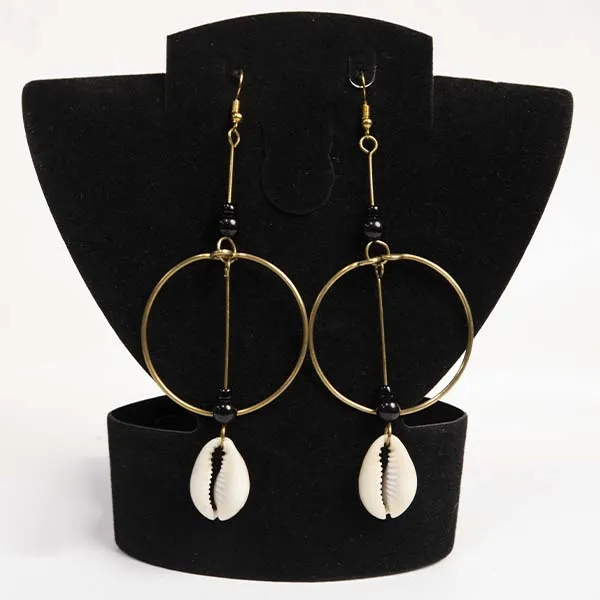
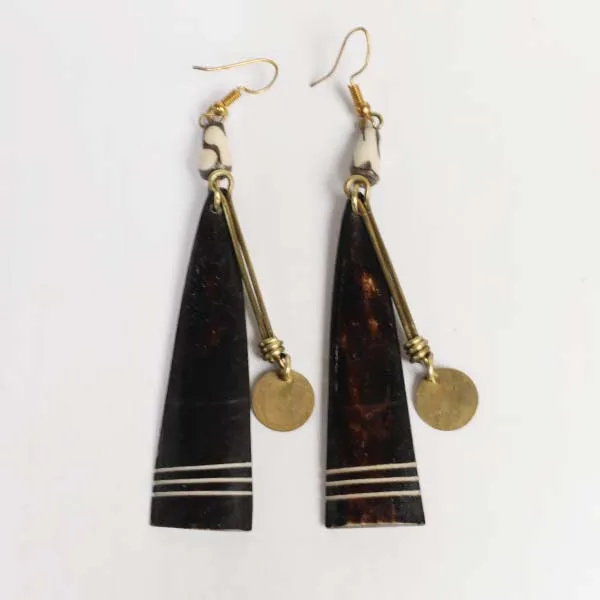








African jewelry is much more than a form of adornment; it is a rich tapestry of history, culture, spirituality, and identity woven into every piece. At BaobabMart, we celebrate this tradition by offering a curated selection of authentic African jewelry that connects you to the continent’s vibrant heritage.
Our platform, designed to facilitate seamless online shopping, allows you to explore and acquire these treasures with just a click, bringing the essence of Africa into your life.
In this comprehensive exploration, we delve into the deep history, intricate craftsmanship, and profound symbolism of African jewelry. Spanning thousands of years, African jewelry is a testament to the continent’s rich cultural diversity and its people’s ingenuity.
Each piece tells a story, not just of the individual who wears it, but of entire communities, traditions, and beliefs. At BaobabMart, we ensure that these stories are preserved, honored, and shared with the world.
Table of contents
The Historical Roots of African Jewelry
Early Beginnings
The history of African jewelry can be traced back to the earliest human civilizations. Archaeological evidence reveals that African jewelry-making practices date back more than 75,000 years, making it one of the oldest traditions on the continent. The earliest forms of jewelry, such as beads made from ostrich eggshells, were discovered in South Africa and serve as a testament to the early human desire for self-expression and connection with nature.
These ancient adornments were not merely decorative; they held significant social and spiritual meanings. The use of natural materials like stones, shells, and bones highlighted the deep connection between early Africans and their environment. At BaobabMart, we honor this ancient tradition by offering jewelry that continues to use natural materials, reflecting the timeless beauty and significance of Africa’s earliest forms of adornment.
The Influence of Ancient Civilizations
As African civilizations grew and developed, so too did the complexity and significance of their jewelry. In Ancient Egypt, jewelry was a vital part of daily life, not only as a symbol of wealth and status but also as an embodiment of religious and cultural beliefs. Gold, revered for its association with the divine and the afterlife, was extensively used in Egyptian jewelry. The craftsmanship of Egyptian goldsmiths, who created intricate pieces adorned with symbols of protection and power, set a high standard that influenced neighboring cultures.
Beyond Egypt, other ancient African civilizations such as the Kingdom of Kush, the Kingdom of Axum, and the Carthaginian Empire also contributed to the development of African jewelry traditions. Each of these civilizations brought their unique styles and techniques, enriching the continent’s jewelry-making heritage. At BaobabMart, we draw inspiration from these ancient civilizations, offering jewelry that captures the grandeur and spiritual depth of Africa’s storied past.
Trade and Cultural Exchange
Africa’s history of trade, particularly through trans-Saharan routes, significantly impacted the evolution of jewelry-making on the continent. The exchange of gold, ivory, and other precious materials across regions facilitated the spread of techniques and styles, leading to a fusion of cultural influences. The introduction of new materials by Arab, Berber, and European traders further diversified African jewelry, incorporating elements from different cultures while maintaining its distinctly African essence.
The trade routes not only brought wealth to African kingdoms but also played a crucial role in the cultural exchange that shaped the continent’s jewelry traditions. For instance, the influence of Islamic art is evident in the geometric patterns and calligraphy found in North African jewelry. At BaobabMart, we recognize the importance of these cultural exchanges, offering a selection of jewelry that reflects the diverse influences that have shaped African craftsmanship over centuries.
Craftsmanship in Handmade African Jewelry
Materials Used in Handmade African Jewelry
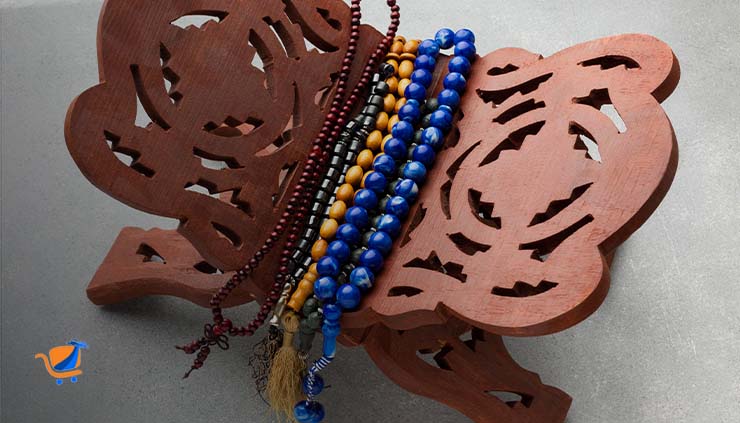
The materials used in African jewelry are as diverse as the continent itself. Each material is carefully selected for its beauty, durability, and symbolic significance, making African jewelry not just a decorative item but a piece of art imbued with meaning. BaobabMart takes pride in offering jewelry crafted from these authentic materials, ensuring that each piece reflects the rich heritage of Africa.
Precious Metals and Stones
Metals such as gold, silver, and copper have been central to African jewelry for centuries. Gold, in particular, holds a special place in African culture, especially among the Ashanti people of Ghana. The Ashanti are renowned for their gold jewelry, which is not only a symbol of wealth and power but also of spiritual significance.
The craftsmanship involved in creating these intricate gold pieces is passed down through generations, ensuring that the tradition of Ashanti goldsmithing continues to thrive.
Silver and copper are also widely used, particularly in North Africa and the Sahel region. The Tuareg people, for instance, are famous for their silver jewelry, which features intricate engravings that tell stories of their nomadic lifestyle and beliefs.
The use of gemstones such as diamonds, emeralds, and rubies in African jewelry adds another layer of significance, as these stones are often believed to have protective and healing properties. BaobabMart offers a wide range of jewelry featuring these precious metals and stones, each piece a reflection of Africa’s rich mineral wealth and artistic heritage.
Organic Materials: Beads, Bones, and Shells
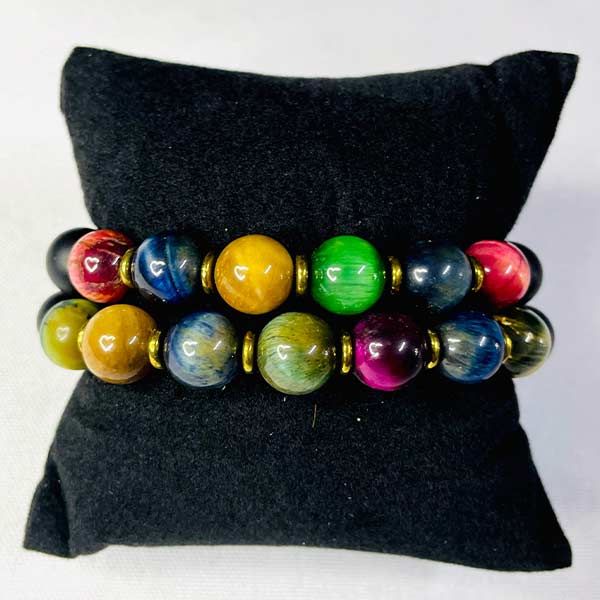
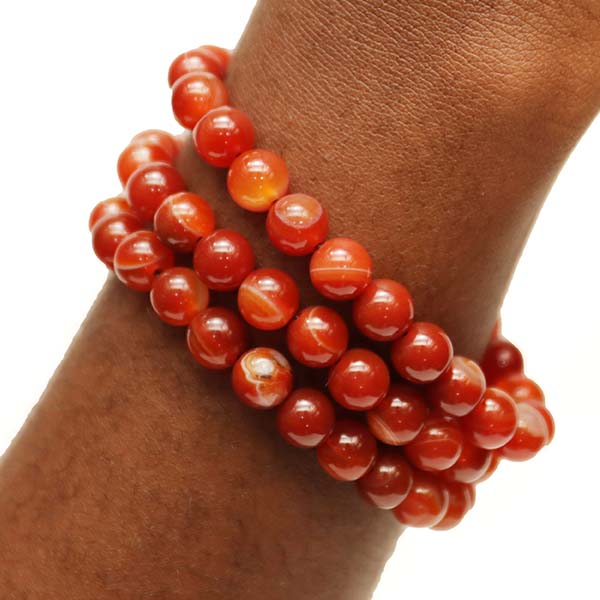
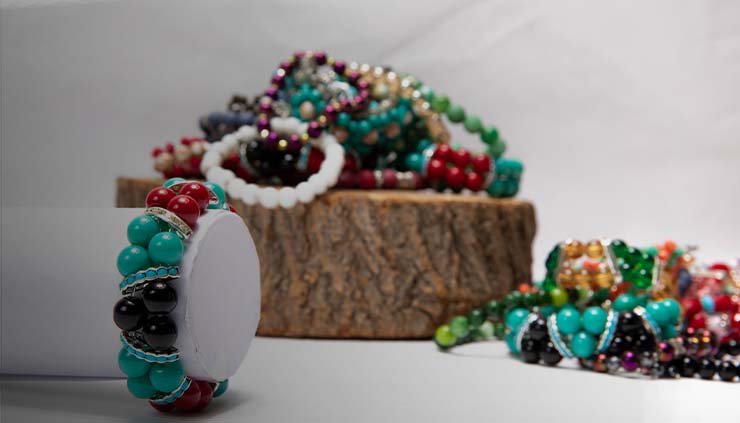
Beads are perhaps the most iconic material in African jewelry, used in various forms across the continent. Beads made from glass, clay, seeds, and shells are used to create elaborate necklaces, bracelets, and headdresses. The Maasai of Kenya and Tanzania, for example, are known for their beadwork, with each color representing different aspects of their culture and beliefs.
Red beads symbolize bravery and strength, while blue represents the sky and the divine. At BaobabMart, we offer a selection of beadwork that captures the vibrancy and meaning of these traditional African designs.
Bones and shells are also significant materials in African jewelry. They are often used to create pieces that carry deep spiritual meanings. For example, the Himba people of Namibia use ostrich eggshells to create jewelry that symbolizes fertility and prosperity.
The San people of Southern Africa craft jewelry from animal bones and teeth, believing that these materials connect them with the spirits of the animals. BaobabMart honors these traditions by offering jewelry that embodies the spiritual connection between African people and their environment.
Techniques and Skills
The creation of African handmade jewelry is a highly skilled craft that involves a deep understanding of materials and techniques. These skills are often passed down through generations, with each artisan adding their unique touch to the craft. BaobabMart is committed to preserving these traditional techniques by working directly with artisans who are masters of their craft.
Metalworking
Metalworking is a revered craft in many African cultures. Techniques such as casting, engraving, and filigree are used to create intricate jewelry pieces. The lost-wax casting technique, which dates back to the 9th century in West Africa, remains a popular method for creating detailed gold and bronze jewelry. This technique involves creating a wax model of the jewelry piece, which is then covered in clay. Once the clay hardens, the wax is melted away, leaving a mold that is filled with molten metal. The result is a beautifully detailed piece of jewelry that reflects the artisan’s skill and creativity.
At BaobabMart, we offer a selection of metalwork jewelry that showcases the artistry and precision of African goldsmiths and silversmiths. Each piece is a testament to the rich tradition of metalworking in Africa, blending ancient techniques with contemporary designs.
Beadwork and Weaving
Beadwork is another intricate craft that requires great skill and precision. In East Africa, the Maasai and Samburu people create elaborate beadwork jewelry using tiny, colorful beads. These beads are carefully arranged in patterns that have cultural significance, often reflecting the wearer’s social status, age, and marital status.
The process of beadwork is labor-intensive, requiring patience and attention to detail. The finished product is a stunning piece of jewelry that is both beautiful and meaningful.
Weaving is also used to create jewelry, with materials such as leather, plant fibers, and metal wires woven together to create unique and durable pieces. BaobabMart’s selection of woven jewelry combines traditional techniques with contemporary designs, making it both stylish and meaningful.
Carving and Engraving
Carving and engraving are traditional techniques used to create detailed designs on materials such as wood, bone, and ivory. The Tuareg people of the Sahara, for example, are known for their engraved silver jewelry, which often features intricate geometric patterns.
These designs are not only decorative but also hold symbolic meanings, often representing protection, fertility, and the connection to the ancestors. BaobabMart offers engraved jewelry that reflects the deep spiritual significance of these designs, allowing you to wear a piece of African heritage.
Symbolism in African Jewelry
Social Status and Identity
In many African cultures, jewelry serves as a marker of social status and identity. The type of jewelry worn often indicates a person’s rank within the community, marital status, or age group. For example, among the Maasai, different types of beadwork are worn by men and women to signify their age and social status.
Married women, for instance, wear specific necklaces that indicate their marital status, while warriors wear beadwork that signifies their role as protectors of the community.
Jewelry also plays a role in rites of passage, such as coming-of-age ceremonies, where specific pieces are given to individuals as they transition into a new stage of life. These pieces often hold deep symbolic meanings and are treasured as family heirlooms. At BaobabMart, we offer jewelry that embodies these traditions, allowing you to connect with the rich cultural heritage of Africa.
Spiritual and Religious Significance
Jewelry in Africa is deeply intertwined with spirituality and religion. Many African cultures believe that jewelry has the power to protect, heal, and connect the wearer with the spiritual world. Amulets and talismans, often worn as necklaces or bracelets, are believed to offer protection from evil spirits and bring good fortune.
The Dogon people of Mali, for example, wear jewelry that is believed to connect them with their ancestors and the gods. These pieces are often passed down through generations, carrying with them the prayers and blessings of previous owners.
At BaobabMart, we offer a selection of spiritually significant jewelry that allows you to carry these protective and healing energies with you. Each piece is crafted with intention and respect for the spiritual traditions it represents.
Cultural and Tribal Identity
African jewelry is also a powerful expression of cultural and tribal identity. Each tribe has its own distinctive jewelry styles and designs, often using specific materials and techniques that are unique to their culture. For example, the Fulani people of West Africa are known for their large, gold hoop earrings, which are a symbol of beauty and wealth. The Maasai, on the other hand, use beadwork to represent their connection to the land and their ancestors.
Jewelry is often used in ceremonies and rituals, where it serves as a symbol of the tribe’s collective identity and heritage. At BaobabMart, we offer a range of jewelry that reflects the rich cultural diversity of Africa, allowing you to celebrate your heritage or explore new traditions.
Symbols and Meanings
African jewelry is rich in symbolism, with each piece often carrying specific meanings. The use of certain colors, patterns, and materials can convey messages and tell stories. For example, in Maasai beadwork, the color red symbolizes bravery and strength, while blue represents the sky and the connection to God. The use of cowrie shells in jewelry is also symbolic, representing fertility, wealth, and the goddess of the ocean.
At BaobabMart, we believe that jewelry should be both beautiful and meaningful. That’s why we offer a selection of jewelry that incorporates these powerful symbols, allowing you to wear a piece of African heritage that resonates with your personal beliefs and values.
The Role of African Jewelry in Modern Times
Preservation of Tradition
Despite the influences of modernization and globalization, African jewelry continues to play a vital role in preserving cultural traditions. Many African artisans continue to use traditional techniques and materials, passing down their skills to the next generation. BaobabMart is dedicated to supporting these artisans, ensuring that their craft is preserved and celebrated.
By purchasing jewelry from BaobabMart, you are not only acquiring a beautiful piece of art but also supporting the preservation of African cultural heritage. Each purchase helps to sustain the livelihoods of artisans and their communities, allowing them to continue their craft and pass it on to future generations.
Contemporary African Jewelry Design
In recent years, there has been a resurgence of interest in African jewelry, both within Africa and globally. Contemporary African jewelry designers are drawing inspiration from traditional designs and techniques, while also incorporating modern elements. This fusion of old and new has led to the creation of unique and innovative jewelry pieces that appeal to a global audience.
Contemporary African jewelry is often characterized by bold designs, vibrant colors, and the use of natural materials. Designers are also increasingly focused on sustainability, using ethically sourced materials and promoting fair trade practices. This not only helps to support local communities but also ensures that African jewelry remains a symbol of cultural pride and heritage.
BaobabMart is committed to promoting these values by offering a curated selection of contemporary African jewelry that combines tradition with modernity. Our collection features pieces that are not only stylish and fashionable but also carry deep cultural and symbolic meanings, making them perfect for the discerning global consumer who values authenticity and sustainability.
The Global Influence of African Jewelry
African jewelry has had a profound influence on global fashion, with many international designers drawing inspiration from the continent’s rich jewelry traditions. The bold designs, vibrant colors, and intricate craftsmanship of African jewelry have captured the imagination of fashion enthusiasts around the world. From high-end fashion runways to everyday wear, African-inspired jewelry has become a staple in global fashion, celebrated for its uniqueness and cultural depth.
Celebrities and fashion icons have also embraced African jewelry, further elevating its status on the global stage. The visibility of African jewelry in global media has led to a growing demand for authentic pieces, with consumers seeking out jewelry that is handmade by African artisans.
This demand has opened new opportunities for African artisans to reach a wider audience and has helped to promote and preserve their craft.
At BaobabMart, we are proud to be part of this global movement. We offer a diverse range of authentic African jewelry that resonates with people across cultures and continents. By connecting African artisans with a global market, BaobabMart helps to promote the rich cultural heritage of Africa and ensure that its jewelry traditions continue to thrive.
Ethical Sourcing and Sustainability
As awareness of ethical consumerism grows, more and more people are looking for products that are not only beautiful and well-crafted but also ethically sourced and sustainable. African jewelry, with its deep-rooted connection to the land and its people, is a natural fit for this trend.
Many African jewelry artisans use locally sourced materials and traditional techniques that have minimal environmental impact, making African jewelry a sustainable choice. At BaobabMart, we are committed to ethical sourcing and sustainability.
We work closely with artisans who adhere to fair trade practices, ensuring that they receive fair compensation for their work. This commitment not only supports the livelihoods of artisans but also contributes to the economic development of their communities. By purchasing jewelry from BaobabMart, you are supporting sustainable practices and helping to create a positive social impact.
The Future of African Jewelry
As African jewelry continues to gain recognition and appreciation worldwide, the future looks bright for this ancient craft. The blend of traditional techniques with contemporary designs is opening up new possibilities for innovation and creativity in African jewelry.
Young designers across Africa are embracing their cultural heritage while also exploring new materials, technologies, and design concepts. Celebrate Africa’s beauty with handcrafted African jewelry. Shop now!
BaobabMart is excited to be at the forefront of this evolution. We are committed to supporting both established and emerging artisans, providing them with a platform to showcase their work to a global audience. Our collection of African jewelry is constantly evolving, reflecting the dynamic and ever-changing landscape of African fashion and design.
In the coming years, we anticipate that African jewelry will continue to influence global fashion trends, as more people discover the beauty and significance of these unique pieces. As the world becomes more interconnected, African jewelry will play an increasingly important role in promoting cultural exchange and understanding.
Conclusion
African jewelry is a powerful expression of the continent’s rich cultural heritage, creativity, and resilience.
From its ancient origins to its modern-day interpretations, African jewelry continues to captivate and inspire people around the world. Each piece of jewelry tells a story, not just of the individual who wears it, but of entire communities, traditions, and histories.
At BaobabMart, we are honored to play a part in preserving and promoting the tradition of African jewelry. Our carefully curated collection offers you the opportunity to own a piece of Africa’s heritage, crafted with love and care by skilled artisans.
Whether you are looking for a statement piece that reflects your unique style or a meaningful gift that carries the essence of African culture, BaobabMart has something for everyone.
By choosing to purchase from BaobabMart, you are not just buying jewelry; you are supporting the preservation of ancient crafts, promoting fair trade practices, and contributing to the sustainable development of African communities.
We invite you to explore our collection and discover the true essence of Africa through its jewelry.
Thank you for being a part of the BaobabMart journey, where we celebrate the richness and diversity of African culture, one piece of jewelry at a time.