







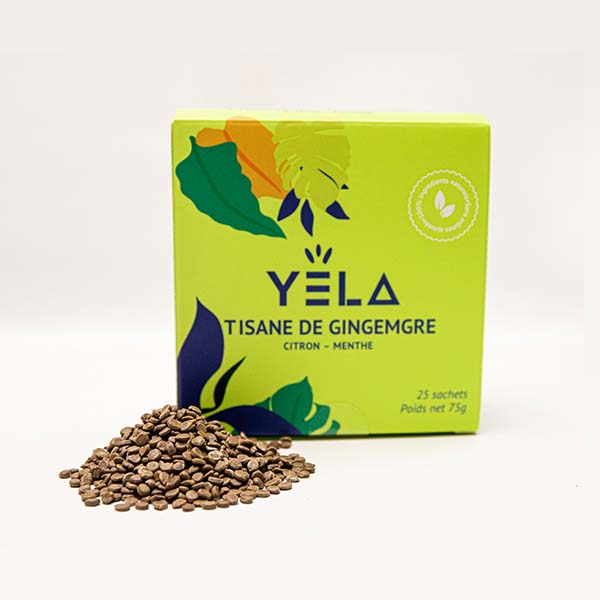


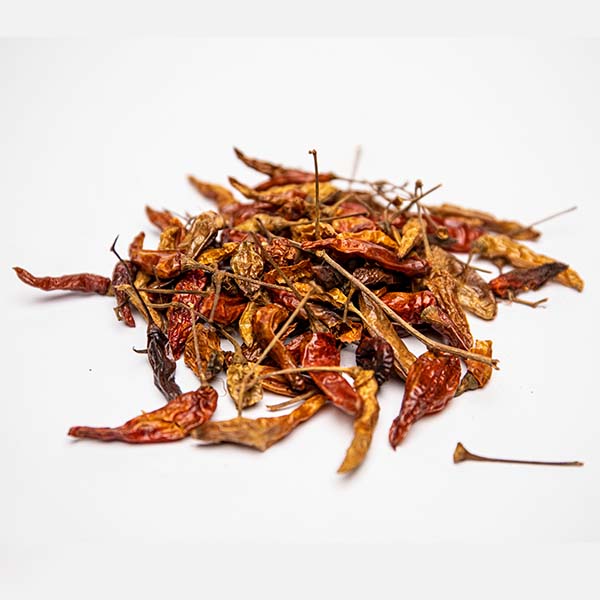


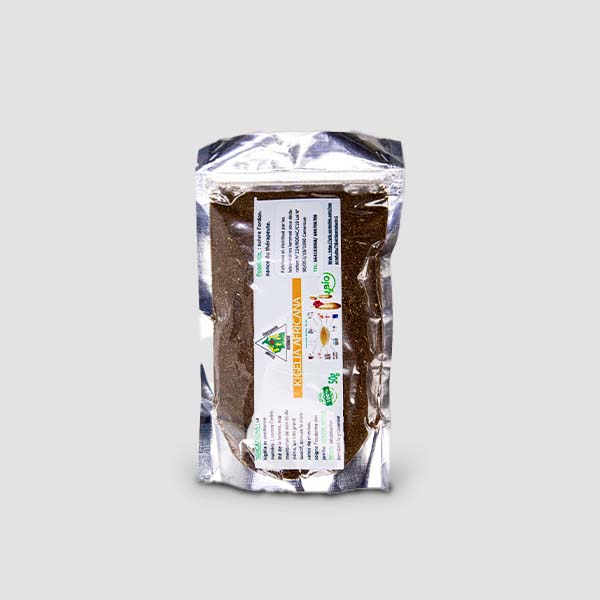


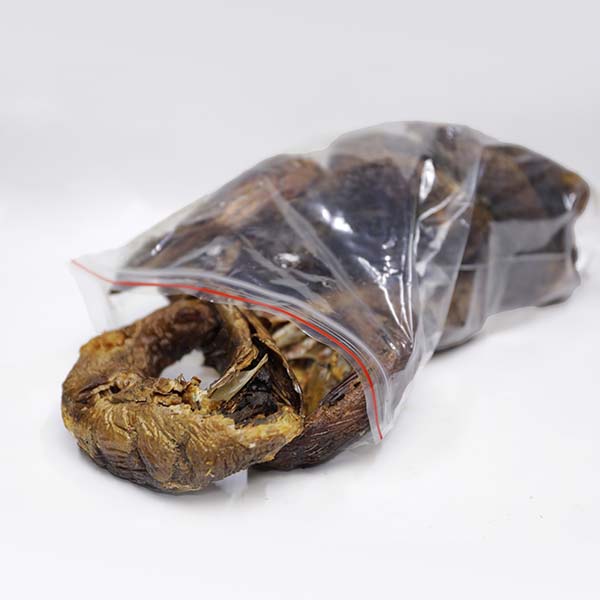


Africa, a continent celebrated for its diversity, is a melting pot of cultures, landscapes, and traditions. One of the most profound expressions of this diversity is found in its culinary practices, where spices play a central role. African spices are the heart and soul of the continent’s cuisine, infusing dishes with bold, complex flavors that are as varied as the cultures that use them. Flavors of African spices for cooking and recipes at BaobabMart.
At BaobabMart, we are passionate about preserving and sharing these rich culinary traditions by offering an extensive selection of authentic African spices. This guide delves into the history, cultural significance, and practical uses of African spices, providing you with the knowledge to bring the vibrant flavors of Africa into your kitchen.
Table of contents
The History and Significance of African Spices
The Origins of African Spices
The story of African spices is as old as the continent itself. Africa’s varied climates, from the tropical rainforests to the arid deserts, have given rise to a wide array of spices, each with its unique flavor profile and uses. Archaeological evidence suggests that African societies have been cultivating and using spices for thousands of years, not only to enhance the flavor of their food but also for medicinal and ritual purposes.
Spices have long been a valuable commodity in Africa, with their trade playing a significant role in the continent’s history. Ancient trade routes, such as the trans-Saharan trade, connected African regions with the Middle East, Europe, and Asia, facilitating the exchange of spices, herbs, and other goods. These routes helped spread African spices to other parts of the world while also introducing new flavors to the continent, enriching the local culinary traditions. At BaobabMart, we source our spices directly from regions with a rich history of spice cultivation, ensuring that you receive the most authentic products.
Cultural Significance of Spices in African Cuisine
In African societies, spices are deeply intertwined with cultural practices and beliefs. They are more than just flavor enhancers; they hold symbolic meanings and are often associated with health, prosperity, and protection. For instance, in West Africa, certain spices are used in traditional ceremonies to invoke blessings or ward off evil spirits. The careful selection and combination of spices in African cooking are reflective of the values and traditions of the people.
Spices also play a crucial role in community gatherings and celebrations. African dishes, often prepared for special occasions, are known for their bold, aromatic flavors, which are achieved through the skillful use of spices. These dishes are not just meals; they are expressions of cultural identity and communal bonding. At BaobabMart, we are committed to preserving these cultural practices by offering a variety of spices that are integral to African cuisine, allowing you to experience the true essence of Africa in your cooking.
Popular African Spices and Ingredients
The Essential African Spices
African cuisine is incredibly diverse, with each region boasting its unique blend of spices. However, several spices are widely used across the continent, each contributing its distinctive flavor and aroma to African dishes. BaobabMart offers an extensive range of these essential African spices, sourced directly from their native regions to ensure authenticity and quality.
1. Berbere
A staple in Ethiopian cuisine, Berbere is a fiery spice blend that is central to many traditional dishes. This blend typically includes chili peppers, garlic, ginger, basil, korarima (a type of Ethiopian cardamom), rue, ajwain, nigella, and fenugreek. Berbere’s complex flavor profile makes it a versatile spice that can be used in stews, meats, and even lentils, imparting a robust, spicy kick that is characteristic of Ethiopian cooking.
2. Dukkah
Originating from Egypt, Dukkah is a unique blend of nuts, seeds, and spices such as coriander, cumin, sesame seeds, and salt. It is traditionally used as a dip for bread, but its versatility extends to sprinkling on salads, vegetables, or using as a crust for meats and fish. Dukkah’s nutty, earthy flavor adds a crunchy texture and a burst of flavor to any dish.
3. Ras el Hanout
Ras el Hanout is a Moroccan spice blend known for its complexity and depth of flavor. The name translates to “head of the shop,” indicating that it is a mixture of the best spices the merchant has to offer. It can contain up to 30 different spices, including cardamom, cumin, clove, cinnamon, nutmeg, mace, allspice, dry ginger, chili peppers, and turmeric. Ras el Hanout is commonly used in tagines, couscous, and meat dishes, providing a warm, aromatic flavor that is quintessentially Moroccan.
4. Alligator Pepper
A popular spice in West African cuisine, Alakata Pepper is known for its intense heat and unique flavor. It is often used in soups, stews, and marinades, adding a fiery kick that is balanced by its rich, earthy undertones. BaobabMart sources Alakata Pepper directly from West Africa, ensuring that you experience its authentic, bold flavor in your cooking.
5. Njangsa
Njangsa seeds, native to West and Central Africa, are prized for their nutty, slightly bitter flavor. They are commonly ground into a paste or powder and used in soups, stews, and sauces. Njangsa adds depth and richness to dishes, making it a favorite ingredient in many traditional African recipes. At BaobabMart, we offer high-quality Njangsa seeds that bring the true taste of Africa to your kitchen.
Unique Ingredients in African Cuisine
In addition to spices, African cuisine features a variety of unique ingredients that contribute to its rich flavors. BaobabMart is proud to offer a selection of these ingredients, sourced directly from Africa to ensure their authenticity and freshness.
1. Bitter Kola
Bitter Kola, also known as Garcinia kola, is a traditional ingredient used in West African cooking and medicine. It has a sharp, bitter taste and is often used in small quantities to flavor dishes or consumed on its own for its health benefits. In traditional medicine, Bitter Kola is believed to have numerous health benefits, including boosting immunity, aiding digestion, and reducing inflammation.
2. Palm Oil
Palm oil is a staple ingredient in many African dishes, particularly in West Africa. It has a rich, earthy flavor and a deep red color that adds both taste and visual appeal to dishes like stews and soups. Palm oil is an essential ingredient in popular dishes like Jollof rice and Egusi soup. At BaobabMart, we offer high-quality, ethically sourced palm oil that brings the authentic taste of Africa to your cooking.
3. Cowries
Cowries are small, glossy shells that have been used as currency and in rituals in various African cultures. While they are not typically used as a spice or edible ingredient, cowries hold cultural significance and are often associated with wealth and prosperity. In some African cuisines, cowries are used to garnish dishes or as part of a decorative presentation, adding a touch of tradition to the meal.
4. Baobab Powder
Derived from the fruit of the baobab tree, baobab powder is a superfood that is rich in vitamin C, antioxidants, and fiber. It has a tangy, citrusy flavor and is used in smoothies, juices, sauces, and baked goods. Baobab powder can also be sprinkled on cereals, yogurt, or salads for a nutritious boost. At BaobabMart, we offer premium baobab powder that allows you to enjoy the health benefits and unique flavor of this African superfood.
The Versatility of African Spices
African spices are incredibly versatile and can be used in a variety of ways to enhance the flavor of your dishes. Whether you are cooking traditional African meals or experimenting with fusion cuisine, these spices offer endless possibilities. BaobabMart provides a range of spices that can elevate your cooking, no matter the dish.
1. Spice Blends and Rubs
African spices such as Berbere, Ras el Hanout, and Alakata Pepper make excellent spice blends and rubs for meats, fish, and vegetables. These blends can be used as a dry rub or mixed with oil and herbs to create a flavorful marinade. The spices penetrate the food, infusing it with deep, rich flavors that are characteristic of African cuisine.
2. Flavoring Stews and Soups
Many African dishes, such as Moroccan tagines, Ethiopian stews, and West African peanut soup, rely on a blend of spices to create their signature flavors. These dishes often start with a base of onions, garlic, and ginger, to which a variety of spices are added. Toasting the spices in oil helps release their flavors, which then infuse the broth or sauce. At BaobabMart, we offer the spices you need to create these flavorful, aromatic dishes.
3. Enhancing Grains and Legumes
African spices can also be used to flavor grains like rice, couscous, and quinoa, as well as legumes like lentils and chickpeas. For example, adding a teaspoon of Ras el Hanout to couscous or quinoa creates a fragrant, spiced side dish that pairs well with meats and vegetables. Dukkah can be sprinkled on top of cooked lentils or chickpeas for added texture and flavor, creating a simple yet delicious dish.
4. Incorporating into Baking and Desserts
While African spices are often associated with savory dishes, they can also be used in baking and desserts. Spices like cinnamon, nutmeg, and cloves, commonly found in North African cuisine, add warmth and depth to baked goods. Baobab powder can be incorporated into muffins, cakes, and cookies for a tangy flavor and nutritional boost. At BaobabMart, we encourage you to experiment with African spices in your baking to create unique, flavorful treats.
Tips for Storing and Preserving African Spices
To get the most out of your African spices, it’s important to store them properly. Proper storage ensures that your spices retain their flavor, aroma, and potency over time. Here are some tips from BaobabMart on how to store and preserve your spices:
1. Store in Airtight Containers
Spices should be stored in airtight containers to prevent exposure to air, which can cause them to lose their flavor and aroma. Glass jars with tight-fitting lids are ideal for this purpose, as they provide a strong seal while allowing you to see the contents.
2. Keep Away from Light and Heat
Spices should be stored in a cool, dark place, away from direct sunlight and heat sources. Exposure to light and heat can cause spices to degrade more quickly, leading to a loss of flavor and potency. A pantry or cupboard is an ideal storage location for spices.
3. Use Whole Spices
Whole spices tend to retain their flavor longer than ground spices. Whenever possible, purchase whole spices and grind them as needed. This not only ensures maximum freshness but also allows you to customize the texture and intensity of the spice in your dishes.
4. Check for Freshness
Spices don’t spoil in the same way that fresh foods do, but they can lose their flavor over time. To check for freshness, rub a small amount of the spice between your fingers and smell it. If the aroma is weak or stale, it’s time to replace the spice. BaobabMart recommends refreshing your spice collection regularly to ensure that your dishes are always bursting with flavor.
5. Buy in Small Quantities
To ensure that your spices are always fresh, it’s best to buy them in small quantities that you can use within a few months. This is especially important for ground spices, which lose their flavor more quickly than whole spices. At BaobabMart, we offer a range of packaging options so that you can purchase just the right amount of spice for your needs.
The Health Benefits of African Spices
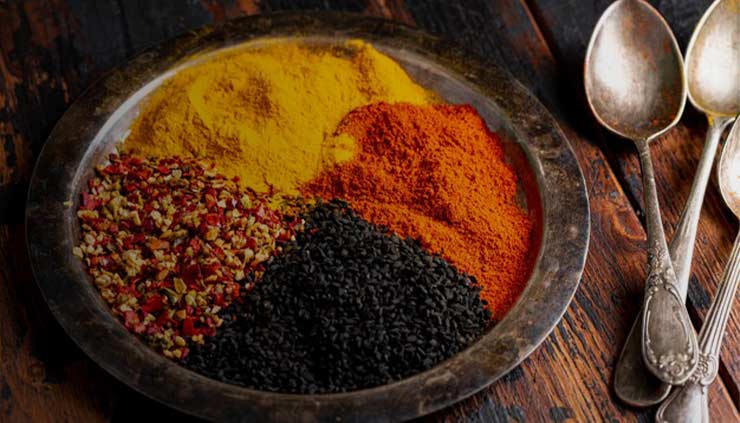
In addition to their culinary uses, many African spices are also prized for their health benefits. Traditional African medicine has long recognized the healing properties of various spices, and modern research is beginning to validate many of these claims. Here are some of the health benefits associated with popular African spices available at BaobabMart:
1. Anti-Inflammatory Properties
Many African spices, such as turmeric, ginger, and cloves, have powerful anti-inflammatory properties. These spices can help reduce inflammation in the body, which is linked to a variety of chronic conditions, including heart disease, arthritis, and cancer. Incorporating these spices into your diet can provide natural relief from inflammation and promote overall health.
2. Rich in Antioxidants
Spices like cinnamon, nutmeg, and baobab powder are rich in antioxidants, which help protect the body from oxidative stress and free radical damage. Antioxidants are essential for maintaining healthy cells and tissues, reducing the risk of chronic diseases, and supporting overall well-being.
3. Boosting Immunity
Certain African spices, such as garlic, ginger, and Bitter Kola, are known for their immune-boosting properties. These spices can help strengthen the immune system, making it more effective at fighting off infections and illnesses. Regular consumption of these spices can contribute to better immune function and overall health.
4. Supporting Digestion
Many African spices, such as cumin, coriander, and fenugreek, are known for their digestive benefits. These spices can help stimulate digestion, reduce bloating, and alleviate indigestion. They can also promote a healthy gut by encouraging the growth of beneficial bacteria.
5. Balancing Blood Sugar
Spices like cinnamon and fenugreek have been shown to help regulate blood sugar levels. Cinnamon, in particular, has been found to improve insulin sensitivity and lower blood sugar levels, making it beneficial for people with diabetes or those at risk of developing the condition.
6. Promoting Heart Health
Spices like garlic, ginger, and turmeric have been shown to support heart health by reducing blood pressure, lowering cholesterol levels, and improving circulation. Incorporating these spices into your diet can help protect against heart disease and promote a healthy cardiovascular system.
At BaobabMart, we believe in the power of African spices not only to enhance the flavor of your dishes but also to support your health and well-being. Our selection of spices is carefully sourced to ensure that you receive the highest quality products that offer both culinary and health benefits.
Conclusion
African spices are a testament to the continent’s rich culinary heritage and cultural diversity. From the fiery heat of Berbere to the complex warmth of Ras el Hanout, these spices are the essence of African cuisine, infusing dishes with bold, complex flavors that are as varied as the cultures that use them. At BaobabMart, we are dedicated to preserving and sharing these rich culinary traditions by offering an extensive selection of authentic African spices and ingredients.
Whether you are an experienced cook or just beginning to explore African cuisine, our spices provide a gateway to the rich and varied flavors of the continent. By incorporating these spices into your cooking, you can create dishes that are not only delicious but also deeply connected to African traditions and history.
Explore our collection of African spices at BaobabMart and discover the rich, bold, and complex flavors that make African cuisine truly unique. From traditional recipes to innovative dishes, the possibilities are endless. Embrace the culinary heritage of Africa and bring its vibrant flavors to your table with BaobabMart.