













Fast food vs junk food, what’s the difference? Most people think they’re identical, but that’s wrong.
A quick meal isn’t always the same as a sugary snack. Here’s what you need to know to make better choices.
Table of Contents
What Is Fast Food?
Fast food refers to food that is prepared and served quickly, often within minutes of ordering.
It caters primarily to people on the go, offering meals that are convenient, affordable, and accessible.
Characteristics of Fast Food
Fast food is usually:
- Pre-prepared or semi-cooked
- Sold in restaurants, drive-throughs, or kiosks
- Mass-produced
- Designed for quick consumption
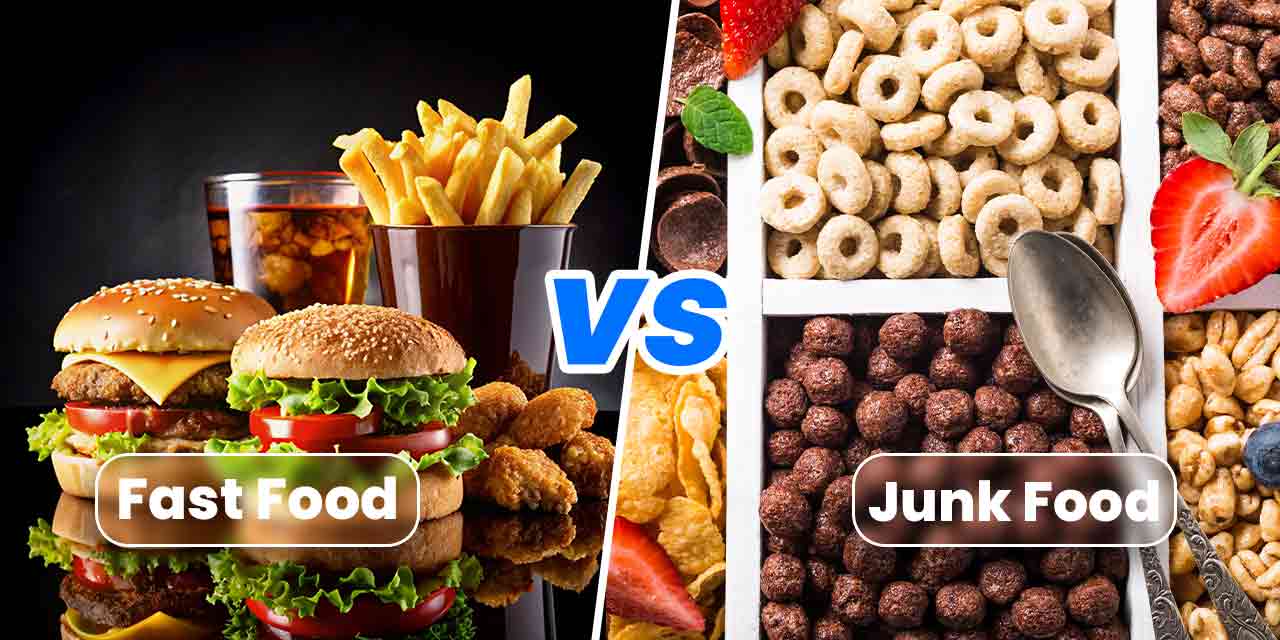
Examples include burgers, fries, fried chicken, sandwiches, tacos, and pizza.
Some fast food can be relatively nutritious, especially as chains begin offering healthier options like salads, grilled proteins, or plant-based items.
Why People Choose Fast Food
There are several reasons fast food has become an integral part of modern diets: They may include;
- Speed: Meals are prepared in record time
- Affordability: Cheaper than many sit-down meals
- Availability: Easily found in most urban and suburban areas
- Taste: Often engineered to be highly palatable
While fast food is not inherently bad, its health value depends largely on what you choose from the menu.
What Is Junk Food?
Junk food, on the other hand, is a term used to describe food that offers little to no nutritional value. It is typically high in sugar, fat, salt, and calories, but low in essential nutrients like fiber, vitamins, and minerals.
Characteristics of Junk Food
Junk food is generally:
- Highly processed
- Rich in added sugars and unhealthy fats
- Lacking in fiber or protein
- Addictive in taste but non-satiating
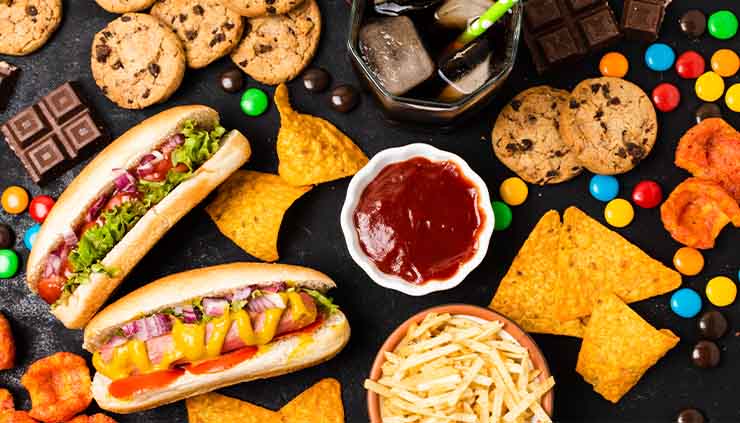
Common examples include candy, chips, sodas, sweetened cereals, pastries, and sugary snacks.
Junk food can be homemade or store-bought, and is not necessarily fast.
Why People Gravitate Toward Junk Food
Junk food appeals to many people due to the following:
- Convenience: Easy to store, carry, and consume
- Taste: Sugar and fat combinations stimulate reward centers in the brain
- Marketing: Aggressively advertised, especially to children and teens
- Price: Often cheaper due to low-cost ingredients
Over time, regular consumption of junk food can contribute to poor health outcomes, including obesity, diabetes, and heart disease.
Fast Food vs. Junk Food: Key Differences
Though often lumped together, fast food and junk food differ in several meaningful ways.
Preparation Method
Fast food involves rapid preparation techniques like frying, grilling, or assembling pre-cooked ingredients. Junk food is usually manufactured and packaged, often with a long shelf life.
Nutritional Value
Some fast food can offer moderate nutritional value, grilled chicken salads or whole grain wraps, for example.
Junk food, by contrast, is typically void of such balance and is nutritionally poor.
Setting and Consumption
Fast food is sold at eateries, often as part of a meal (main, side, and drink). Junk food is usually consumed as a snack, not a full meal, and is often eaten mindlessly.
Customization Possibility
At many fast food chains, you can customize your order (e.g., “no mayo,” “extra lettuce”). Junk food usually comes as-is, with little room for modification.
How Fast Food Can Turn into Junk Food
It is important to understand that not all fast food is junk food, but many fast food meals can become junky depending on how they are prepared or consumed.
Add-ons and Portion Sizes
Ordering a simple grilled chicken sandwich could be relatively healthy.
But add fries, a large soda, and dessert, and the meal quickly turns into a high-calorie, low-nutrient experience.
Fried and Breaded Options
Fried, breaded, or cheese-smothered fast food options are more likely to be junk food. The cooking method significantly affects the food’s healthfulness.
Habitual Consumption
Occasional fast food meals are not necessarily harmful. However, relying on fast food daily and avoiding home-cooked meals can mirror the health consequences of consuming junk food.

Health Impacts of Fast Food and Junk Food
Understanding the health implications of each can help you make informed dietary choices.
Fast Food
- Positive Potential: Balanced fast food meals can provide essential nutrients if chosen carefully.
- Negative Impact: Excessive sodium, unhealthy fats, and calories in many fast food items can contribute to obesity and high blood pressure.
Learn more about the effects of fast food on our bodies.
Junk Food
- Nutritional Deficiency: Junk food contributes empty calories, leading to malnourishment even in the presence of overeating.
- Addiction and Cravings: Sugar and salt content can lead to food addictions, overeating, and emotional eating.
- Long-term Diseases: High intake is linked to metabolic syndrome, type 2 diabetes, and cardiovascular diseases.
Social and Psychological Dimensions
Both fast food and junk food carry social and emotional connotations that influence our choices.
Cultural Norms
In many cultures, eating out is tied to socializing. Fast food chains have capitalized on this, creating an environment where speed and affordability meet sociability.
Emotional Eating
Junk food often becomes a coping mechanism. Many people reach for cookies or chips when stressed, sad, or bored.
Advertising Influence
Fast food and junk food brands invest billions in marketing, often targeting kids and teens, normalizing poor eating habits early in life.
Making Healthier Choices
While you may not be able to avoid fast food or junk food entirely, you can make smarter decisions.
Healthier Fast Food Options
- Opt for grilled rather than fried
- Choose water or unsweetened drinks
- Pick sides like fruit or salad instead of fries
- Watch portion sizes
Replacing Junk Food
- Replace chips with air-popped popcorn or nuts
- Swap candy with fresh or dried fruit
- Drink sparkling water instead of soda
- Choose dark chocolate over milk chocolate bars
Mindful Eating
- Avoid eating while distracted (e.g., watching TV)
- Recognize hunger vs. boredom or emotional eating
- Prepare meals at home as often as possible
Fast Food vs Junk Food FAQs
Is all fast food junk food?
No, fast food can include healthier options depending on preparation, ingredients, and portion control.
Can junk food be made healthier?
Some junk foods can be slightly improved (e.g., baked chips instead of fried), but they generally lack nutritional value.
Are homemade versions of fast food better?
Yes, you can control ingredients, portion size, and cooking methods when making meals at home.
Why is junk food so addictive?
Junk food often contains a mix of sugar, salt, and fat that overstimulates the brain’s reward system, creating cravings.
Can I eat fast food or junk food and still be healthy?
Yes, if eaten in moderation and balanced with nutritious whole foods.
Final Thoughts: Fast Food vs Junk Food
Fast food vs junk food: It’s not just a label game. One sneaks more harm than you think, and most people fall for it.
Your next meal could build your business or break your focus. Don’t let bad choices slow you down.
Check your plate, make smarter picks, and share this with your team to keep everyone sharp.
PS: Check out our variety of healthy groceries and food staples, order yours in bulk, and always have some healthy snacks to eat.
What’s your go-to meal, fast food, or junk food? Comment below and let’s talk!