



















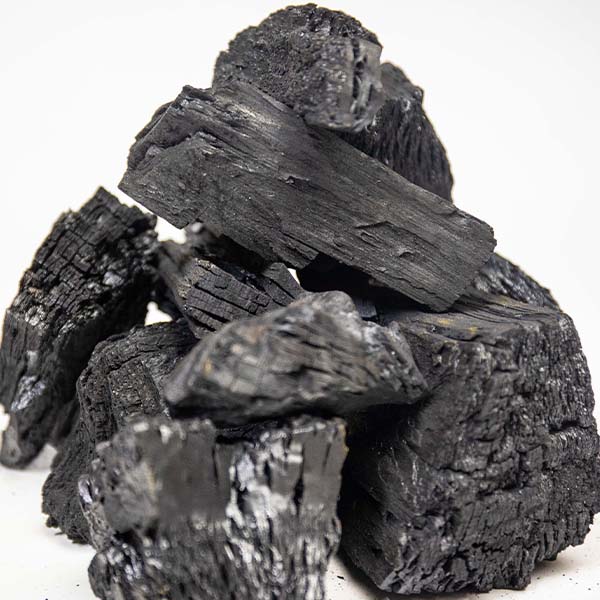

Tiger nuts, or Cyperus esculentus, continue to grow in popularity around the world due to their impressive nutritional profile, versatility, and rich cultural heritage. Often referred to as “earth almonds” or “yellow nutsedge,” these tubers were first cultivated in ancient Egypt, and they remain a staple food source in many parts of Africa. Despite their name, tiger nuts are not nuts but rather small root vegetables. Their nutty flavor, high fiber content, and various health benefits make them suitable for people following gluten-free, paleo, and dairy-free diets. In Africa, tiger nuts have long been celebrated for their natural sweetness, versatility, and cultural significance.
Tiger nuts exist in various forms and colors, with each type offering unique characteristics and applications. From large to small varieties and red and black versions, these tubers play a crucial role in traditional African foods while being increasingly incorporated into global food trends. By expanding on the types of tiger nuts, we can explore their origins, uses, and how they have contributed to the cultural and economic development of Africa, particularly as BaobabMart emphasizes fair trade and sustainability in its distribution model.
Contents
What Are Tiger Nuts?
Tiger nuts have long been known as an ancient superfood, thanks to their dense nutritional composition. They are particularly rich in fiber, healthy fats, vitamins, and essential minerals, all while being naturally gluten-free and lactose-free. These qualities make them a perfect addition to plant-based diets, and they offer a nutritious alternative to nuts for people with allergies.
While often consumed raw or roasted as a snack, tiger nuts can be processed into various products, such as tiger nut milk, flour, oil, and skincare products due to their moisturizing properties, and even used in carp fishing. These tubers have also garnered attention in the health and wellness industry due to their high fiber content, which supports digestion, as well as their antioxidant properties, which help combat oxidative stress.
From an agricultural standpoint, tiger nuts are relatively easy to grow, which is one reason they have become so important in African economies. They thrive in warm climates, particularly in regions with sandy or well-drained soil. This makes them a highly sustainable crop that aligns with BaobabMart’s mission to promote environmentally responsible agricultural practices.
Different Types of Tiger Nuts
Tiger nuts come in different sizes and varieties, each of which has its distinct characteristics and applications. Understanding the differences between these types allows consumers to make informed decisions about how best to incorporate tiger nuts into their diets and daily routines. Here is an in-depth look at the major types of tiger nuts:
Large & Long/Elongated/Oblong Tiger Nuts

Long, elongated, or oblong tiger nuts, exemplified by cultivars like “Ilargueta” or “long sweet,” are thinner and more extended in form. They retain a similar sweet and nutty flavor profile but offer a different chewing experience. These tiger nuts are, as the name implies, the largest type of tiger nuts available. They are typically the size of an almond, offering a chewy and fibrous texture.
This type of tiger nut is particularly popular in making tiger nut milk, or horchata de chufa, a traditional beverage in both Africa and Spain. Its larger size allows for a higher yield of milk, making it the go-to option for those who wish to extract the most liquid from their tiger nuts. In many African countries, this drink is served chilled and enjoyed as a refreshing, nutritious beverage, often with added spices or sweeteners like cinnamon and sugar.
Elongated and large tiger nuts also play a significant role in African culinary traditions. For instance, in Cameroon, Nigeria, and Ghana, they are sold in local markets and are often consumed raw as a snack. The chewy texture and natural sweetness make them popular street food, particularly among children and workers needing a quick energy boost during the day.
Medium & Round/Oval Tiger Nuts
Medium tiger nuts strike a balance between the large and small varieties in terms of size and texture. These tiger nuts are easier to chew than their larger counterparts, making them more versatile for a wider range of applications. While medium tiger nuts can still be used to make milk, they are especially popular in the production of tiger nut flour, which is used as a gluten-free alternative in baking.
Medium tiger nuts are easier to grind down due to their size and moderate fiber content. When processed into flour, they add a subtle sweetness and slightly nutty flavor to baked goods, making them a perfect addition to cakes, bread, and cookies. For those with dietary restrictions, tiger nut flour offers a nutritious and delicious substitute for traditional flours, without sacrificing taste or texture.
Round or oval tiger nuts, such as those from the “Gordeta” style, are plump and nearly spherical. Their uniform size and shape make them ideal for direct snacking or for selecting specific sizes used in niche applications like fishing bait. In Africa, medium tiger nuts are also used in traditional drinks and meals. They can be ground into a paste and used in porridge, offering a high-energy, nutrient-dense meal. Medium tiger nuts are also more convenient for inclusion in cereals, smoothies, or trail mixes because they are easier to chew and blend.
Small Tiger Nuts
Small tiger nuts are the most fibrous and compact of the different varieties, making them an excellent choice for those looking to add more fiber to their diet. Although they may require more effort to chew, their rich, nutty flavor and high nutritional content make them a popular snack, especially for people focused on digestive health.
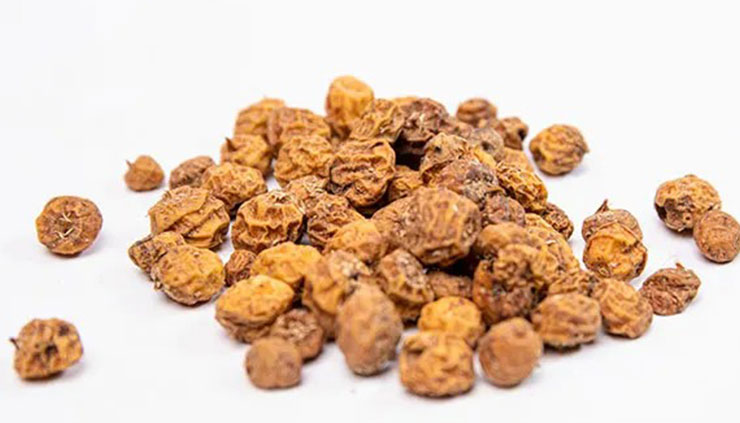
One of the most popular uses for small tiger nuts is in the preparation of kunun aya, a traditional Nigerian drink made from blending tiger nuts with spices such as ginger, cloves, and cinnamon. This drink is widely consumed during celebrations or simply as a refreshing beverage. Small tiger nuts are also a favorite for adding to granolas or trail mixes, as they offer a satisfying crunch.
In terms of affordability, small tiger nuts are often sold at a lower price than larger varieties, making them the most accessible type of tiger nuts for those looking to purchase tiger nuts in bulk. Their natural sweetness and compact size make them an ideal snack for both children and adults, particularly in African rural communities where they are often sold in open-air markets.
Peeled Tiger Nuts
Peeled tiger nuts are tiger nuts that have undergone a mechanical or manual process to remove their tough, fibrous outer layer. This makes them easier to chew and more palatable for people who may have difficulty with the texture of unpeeled tiger nuts. Peeled tiger nuts are often softer and have a more pronounced sweetness than their unpeeled counterparts, which makes them particularly popular in snacks and beverages.
Peeled tiger nuts are the convenient type of tiger nuts to add directly to cereals, yogurts, or salads without the need for further processing. They are also used to make smoother tiger nut milk, as the absence of the tough outer skin leads to a creamier consistency. In addition to their culinary uses, peeled tiger nuts are sometimes used in skincare products due to their moisturizing properties. The oil derived from peeled tiger nuts is rich in Vitamin E, making it a popular ingredient in natural cosmetics.
Mixed Shapes
In practice, many commercial harvests and bags of tiger nuts contain a mixed assortment of different types of tiger nuts, including long, oval, ovoid, and oblong tubers, reflecting the natural diversity within a single batch. This blend provides a variety of textures while maintaining consistent nutritional and flavor qualities.
Types of Tiger Nuts by Color
Tiger nuts, also known as chufa or earth almonds, naturally exhibit variations in skin color depending on the cultivar and growing conditions. The most commonly consumed varieties for human food are yellow (or golden) and brown, while black tiger nuts are also eaten in certain regions, particularly in parts of Africa such as Ghana.
Yellow/Golden Tiger Nuts( Fresh)
The yellow or golden tiger nut is considered the classic and fresh variety. It typically has a sweet and nutty flavor, often with distinctive striped patterns on the skin. This type is widely used in traditional beverages like Spanish horchata de chufa, as a direct snack, or ground into flour for baking and cooking. Nutritionally, yellow tiger nuts are valued for their high content of prebiotic fiber, iron, magnesium, and vitamin C, making them a popular choice for health-conscious consumers.
Brown Tiger Nuts( Dried)
Brown tiger nuts offer a slightly chewier texture and a nutty taste with subtle coconut-like undertones because they have been dried. They are especially popular in Africa and have gained global appeal as a nutritious snack. Rich in dietary fiber, healthy fats, and various minerals, brown type of tiger nuts are often enjoyed raw, roasted, or incorporated into recipes for their satisfying crunch and nutritional benefits.
Black Tiger Nuts

Black tiger nuts are a darker-skinned cultivar that generally contains even higher levels of fiber compared to the lighter varieties. They are traditionally consumed in parts of Africa, either raw, roasted, or blended into drinks. However, black tiger nuts remain less common in commercial markets outside these regions. It’s worth noting that some products labeled as “black” or “red” tiger nuts, particularly those sold as carp fishing bait, are simply larger or specially prepared versions of standard types of tiger nuts (yellow/gold and brown). These are not truly distinct color types.
Red Tiger Nuts

Red tiger nuts are a premium and visually striking variety of tiger nuts (Cyperus esculentus tubers), distinguished by their vibrant crimson or reddish skin, and are perfect as carp fishing bait. These smaller-sized nuts stand out underwater due to their bold color, making them highly attractive to carp, which are drawn to bright, contrasting baits on the lake bed. They combine the classic nutty sweetness of standard tiger nuts with a subtle tangy edge, releasing irresistible flavors and attractants as they leak into the water.
Note: Red and black varieties are often associated with West African countries like Ghana and Cameroon. The drying method of these types of tiger nuts can influence the final color, with high heat potentially causing non-enzymatic browning, making them darker. Red and black nuts are often sold prepared (soaked and boiled) and are prized for their sweetness and texture, especially in carp fishing and for making horchata.
Nutritional Benefits of Tiger Nuts
Tiger nuts boast an impressive nutritional profile that contributes to their rising popularity as a health food. They are especially rich in fiber, with even small servings offering a significant boost to daily fiber intake. This makes them an excellent choice for individuals looking to support digestive health, prevent constipation, or regulate blood sugar levels. The resistant starch found in tiger nuts also acts as a prebiotic, supporting the growth of beneficial gut bacteria.

Beyond fiber, tiger nuts contain a range of essential vitamins and minerals. They are particularly high in:
- Vitamin E: An antioxidant that helps protect cells from oxidative stress and supports skin health.
- Magnesium: Important for muscle and nerve function, as well as regulating blood pressure.
- Iron: Vital for transporting oxygen in the blood and preventing anemia.
- Potassium: Helps maintain proper fluid balance, supports nerve function, and regulates heart contractions.
Additionally, tiger nuts are a good source of healthy fats, particularly monounsaturated fats, which are beneficial for heart health. These fats help reduce LDL cholesterol levels and may lower the risk of heart disease. Tiger nuts are also naturally sweet, making them a great alternative to processed sugars for people looking to reduce their sugar intake while still satisfying sweet cravings. Learn about the different nutritional benefits of tiger nuts.
Cultural and Economic Importance of Tiger Nuts in Africa
Tiger nuts hold deep cultural and economic significance in Africa, where they are a traditional food and a major source of income for many farmers. In regions such as Cameroon, Nigeria, and Ghana, tiger nuts are not only consumed as part of the daily diet but are also used in important cultural rituals and celebrations. For example, tiger nut-based drinks like kunun aya are often served during weddings, festivals, and religious events, symbolizing abundance and health.
Economically, tiger nuts play a crucial role in the livelihoods of African farmers. As a relatively low-maintenance crop, tiger nuts can be grown with minimal input, making them an ideal cash crop for small-scale farmers. Their drought-resistant nature means they can thrive in regions with limited water resources, contributing to food security in areas vulnerable to climate change. This aligns with BaobabMart’s commitment to sustainability, as the company ensures that the tiger nuts it sources are grown using environmentally responsible methods.
Through BaobabMart’s platform, African farmers can reach a global audience, selling their tiger nuts at fair prices and ensuring that the profits from their labor are returned to local communities. By emphasizing fair trade practices, BaobabMart helps to uplift African farmers and provide them with sustainable income opportunities, fostering long-term economic development across the continent.
You can get tiger nuts from anywhere on BaobabMart only by searching “tiger nuts near me.”
Different Uses of Tiger Nuts
The versatility of the types of tiger nuts is one of the reasons they have become such a popular ingredient in both traditional and modern cuisine. From snacks to flour and oil, tiger nuts can be transformed into a variety of products that cater to different dietary needs.
Tiger Nut Flour
Tiger nut flour is an excellent alternative to wheat flour for those following gluten-free or grain-free diets. It is particularly popular among people with celiac disease or gluten sensitivities. Tiger nut flour has a slightly sweet, nutty flavor, making it ideal for baked goods such as cookies, cakes, and muffins. In addition to its gluten-free properties, tiger nut flour is high in fiber and resistant starch, providing additional health benefits. Browse BaobabMart’s African superfoods for more unique, nutrient-rich options.
Tiger Nut Milk
Tiger nut milk, also known as horchata de chufa, is a dairy-free alternative to cow’s milk. It is naturally sweet, making it a favorite in smoothies and coffee. Tiger nut milk is also rich in prebiotic fiber, which supports gut health and digestion. This makes it an excellent choice for individuals looking to reduce dairy intake while still enjoying a creamy, nutritious beverage. Tiger nuts on amazon are very popular in this form, by the way.
Tiger Nut Oil
Tiger nut oil is derived from pressing the tubers and is highly valued for its rich content of healthy fats, including oleic acid. It has a mild, nutty flavor, making it suitable for use in cooking, salad dressings, and even skincare products. Tiger nut oil is especially prized for its moisturizing properties and is often used in natural cosmetic products.
What are the Types of Tiger Nuts?
Tiger nuts have evolved from being an ancient African food source to a modern-day superfood embraced worldwide for their nutritional benefits and versatility. Whether in their raw form, such as flour, milk, or oil, tiger nuts offer a wealth of options for health-conscious consumers looking for sustainable, plant-based alternatives. With the different varieties of tiger nuts available, large, black, small, and peeled, there is a type of tiger nut product suitable for everyone. Discover the best African Tiger Nuts at BaobabMart and find your favorite variety.

BaobabMart continues to play a pivotal role in promoting the cultural and economic importance of tiger nuts. By supporting local African communities and prioritizing fair trade and sustainability, BaobabMart ensures that the story of the various types of tiger nuts and the farmers who grow them is shared with the world. As consumers become more aware of the health benefits and cultural significance of tiger nuts, their demand will likely continue to grow, benefiting both African economies and global health-conscious consumers.




2 Comments
That is a nice description of Tiger Nuts. If you could have mentioned the colors (black vs red) and shape (elongated vs round ) that exist within each size group, it would have been nice and made the presentation more complete. The other thing is to have provided pictures to complement the texts. My aunts grew tiger nuts in the village in Ghana that is why I know this. Thank you.
Thank you so much for the detailed feedback and for sharing your personal experience.
We’re glad to let you know that the blog has been updated to include the different colors, shapes, and supporting images you mentioned. Your input helped make the content more complete. Thank you for taking the time to share it!