









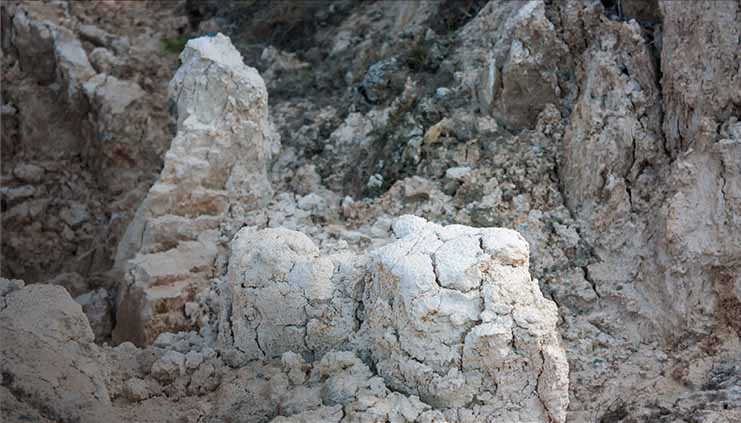
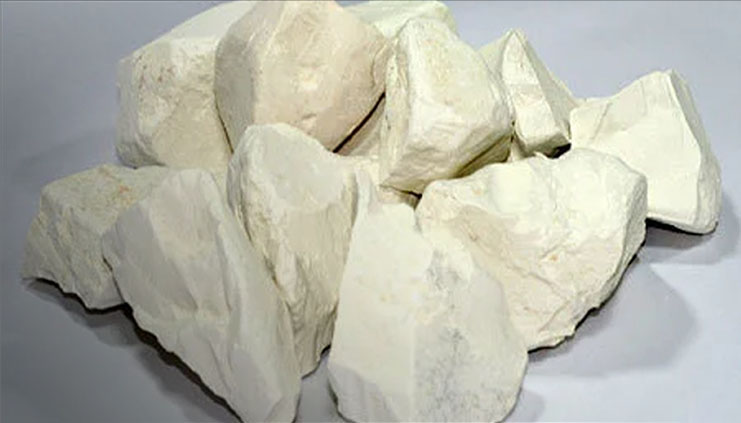
Calabash chalk has piqued the interest of many due to its unique natural origins and versatile uses. While some see it as a traditional remedy, others look to understand what lies beneath its earthy exterior. Here we will be delving deep into the Composition of Calabash Chalk, offering a comprehensive analysis of its mineral content, trace elements, and organic matter. By understanding the composition of calabash chalk, readers can better appreciate its cultural significance, as well as weigh its potential benefits and risks.
The Core Mineral Composition of Calabash Chalk
One of the primary compositions of calabash chalk is its rich mineral content. These minerals, naturally occurring in the earth, contribute to the properties that have made Calabash chalk a notable substance in many cultures.
1. Kaolin (Aluminum Silicate)
Kaolin is a type of clay mineral that forms a significant part of Calabash chalk. It has a smooth texture and is widely known for its moisture-absorbing properties.
- Role in Composition: Kaolin lends Calabash chalk its smooth and fine texture, making it easy to mould and form into various shapes. This quality makes it popular for use in cosmetic and medicinal applications. For example, it can be applied as a facemask for those seeking a natural remedy for oily skin.
- Versatility in Use: The absorbent nature of kaolin means it can draw out impurities, making it useful in skincare. It has been used in traditional settings to soothe skin irritations and insect bites.
- Effects of Kaolin: While kaolin has many external uses, ingesting it in large quantities can be problematic. Its moisture-absorbing property, beneficial for the skin, can cause digestive issues such as constipation when consumed. It can also interfere with nutrient absorption in the digestive tract, leading to mineral deficiencies over time. Hence, users should exercise caution when using Calabash chalk internally.
2. Silica
Silica, a mineral often associated with sand and quartz, is another prominent component of Calabash chalk. This mineral is known for its hard and crystalline nature.
- Role in Composition: Silica contributes to the gritty, slightly abrasive texture of Calabash chalk, which has been used traditionally as a natural oral cleanser. The fine granules can help remove plaque from teeth, making it a natural choice for some in maintaining oral hygiene.
- Benefits of Silica’s Structure: The crystalline structure of silica gives Calabash chalk a solid form, making it easy to break into smaller pieces for use. This property is especially appreciated in regions where Calabash chalk is used for cultural or spiritual practices, as the firm structure symbolizes strength and purity.
- Effects of Silica: Despite its external benefits, users should be mindful of inhaling silica dust, as this can cause respiratory irritation. Long-term exposure to silica dust is linked to serious lung conditions such as silicosis. Therefore, it is advisable to handle powdered forms of Calabash chalk with care.
3. Iron Oxides
Iron oxides are naturally occurring compounds that lend Calabash chalk its distinctive colour, which can range from white to shades of red, brown, or yellow.
- Role in Composition: Iron oxides not only affect the visual appeal of Calabash chalk but also affect its weight and density. These properties can influence the preference for certain types of Calabash chalk depending on cultural and traditional uses.
- Natural Coloring: In some cultures, the specific colour of Calabash chalk is significant. For example, a reddish hue might be preferred for certain spiritual or ceremonial uses, as it symbolizes a connection to the earth. The presence of iron oxides thus deepens the cultural value of Calabash chalk.
- Effects of Iron Oxides: Iron, as an essential mineral, plays a crucial role in the human body, particularly in the formation of haemoglobin. However, the iron levels in Calabash chalk are not standardized, which can pose a risk when consumed regularly. Excessive iron intake can lead to a condition known as hemochromatosis, where the body absorbs too much iron. This makes it critical for consumers to monitor their intake if they choose to consume Calabash chalk.
Tracing the Composition of Calabash Chalk
Beyond its core minerals, Calabash chalk contains a variety of trace elements. These elements are often present due to the natural environmental conditions where the chalk is harvested. Although they appear in smaller quantities, they can have significant effects.
1. Lead
Lead is a heavy metal that can sometimes be found in Calabash chalk as a contaminant, especially when the chalk is sourced from areas with environmental pollution.
- Role in Composition: Lead is not inherently part of Calabash chalk’s composition but can seep into it through soil and water contamination. This makes it a critical aspect to consider when sourcing Calabash chalk, as it affects safety.
- Risks of Lead Exposure: Consuming lead-contaminated substances is a serious health risk. It can cause neurological damage, particularly in children and pregnant women. Long-term exposure to lead can lead to cognitive impairment, kidney damage, and in severe cases, death. Thus, choosing Calabash chalk from reputable suppliers who test for lead contamination is vital.
- Awareness and Prevention: Many modern practices now involve testing Calabash chalk for heavy metals before it reaches consumers, ensuring safer use. Consumers should look for certifications or testing information when purchasing to reduce potential health risks.
2. Aluminum
Aluminum, a lightweight and naturally occurring metal, is another trace element that may be present in Calabash chalk.
- Role in Composition: The presence of aluminum in Calabash chalk can influence its moisture-absorbing properties, making it ideal for external applications where drying effects are desired.
- Aluminum’s Uses in Traditional Medicine: Some traditional practices believe that substances containing aluminum compounds can have purifying properties, contributing to the popularity of Calabash chalk in certain rituals and remedies.
- Effects of Aluminum: While aluminum is common in nature, the body’s ability to process and eliminate it can be compromised in individuals with kidney issues. This makes it important to consider potential aluminum exposure when consuming substances like Calabash chalk.
3. Magnesium
Magnesium is another trace element that contributes to the mineral-rich profile of Calabash chalk. Magnesium is essential for various biological processes, making its presence notable.
- Role in Composition: The presence of magnesium in Calabash chalk can add to its appeal as a natural, mineral-rich substance. For those using it externally, magnesium can help relax muscles and soothe the skin.
- Magnesium in Traditional Uses: Some cultures have used magnesium-rich clays for their believed calming effects, applying them to sore muscles or even using them in baths. While the magnesium content in Calabash chalk may be minimal, it contributes to the overall sense of it being a natural and balanced product.
- Effects of Magnesium: Although magnesium is a necessary mineral, Calabash chalk should not be relied upon as a primary source. Instead, it should be seen as part of a broader diet and lifestyle. For those seeking significant magnesium intake, it is better to focus on dietary sources like leafy greens and nuts.
Organic Composition of Calabash Chalk
Calabash chalk can also contain small amounts of organic matter, which may include remnants of plants or microorganisms. These elements are often a natural part of the environment where the chalk is collected.
1. Plant Residues
Plant residues, including decomposed leaves and roots, can be part of Calabash chalk’s composition due to the regions where it is sourced.
- Role in Composition: These organic elements can give Calabash chalk its unique scent, making it earthy and appealing to those who value natural, unprocessed products. For many, this natural aroma adds to the authenticity and traditional value of the substance.
- Traditional Associations: In some cultures, the presence of plant residues is seen as a sign that the chalk has been minimally processed, preserving its natural state. This adds to its cultural significance and appeal.
- Effects of Plant Residues: While plant matter can contribute beneficial properties, such as antimicrobial effects, it can also introduce risks. Plant residues can lead to microbial growth, including mould if not properly dried. Therefore, users should store Calabash chalk in a dry place to preserve its quality.
2. Microbial Presence
Given its natural extraction process, Calabash chalk may contain microorganisms such as bacteria or fungi. These microorganisms are often part of the soil and environment from which the chalk is collected.
- Role in Composition: The presence of microorganisms can influence the natural state of Calabash chalk, giving it a unique texture and possibly affecting its shelf life. Traditional users may view this as a sign of its authenticity, but modern consumers might be more concerned with the potential health implications.
- Beneficial vs. Harmful Microbes: Not all microorganisms are harmful; some can even offer benefits, such as maintaining skin balance when applied externally. However, harmful microbes like certain bacteria can cause infections if the chalk is used on broken skin or ingested.
- Ensuring Safety: It is crucial to source Calabash chalk from trusted suppliers who dry and store it properly, reducing the risk of harmful microbial growth. Users can also heat or sun-dry the chalk before use to ensure its safety.
Factors That Influence the Composition of Calabash Chalk
The exact composition of Calabash chalk can vary based on factors like geography, soil conditions, and methods of processing. Understanding these influences helps consumers make informed choices. Shop authentic Calabash Chalk at BaobabMart to explore its natural properties.
1. Geographical Region
The region where Calabash chalk is sourced has a significant impact on its mineral content. Different areas have unique soil compositions, which translate into variations in the types of minerals and trace elements found in the chalk.
- Implications for Quality: Calabash chalk sourced from regions with rich, mineral-dense soil is often considered of higher quality. Consumers should look for information on the origin of the chalk to assess its likely composition and benefits.
- Cultural Significance: In some regions, specific types of Calabash chalk are preferred for particular rituals or practices, reflecting the deep connection between the land and cultural traditions.
2. Processing Methods
Traditional versus modern processing methods can affect the purity and safety of Calabash chalk. While traditional methods may retain more of the natural minerals and elements, modern methods might focus on reducing contaminants like lead.
- Traditional Drying: Traditionally, Calabash chalk is sun-dried, preserving its natural properties and ensuring that it remains as close to its raw form as possible. However, this method may not eliminate all potential contaminants.
- Modern Testing: Suppliers who use modern processing techniques often test for harmful substances, providing a safer product for consumers. This method is more suitable for those who want the benefits of Calabash chalk without the risks.
By understanding the composition of Calabash chalk, individuals can better appreciate its value, uses, and potential risks. It remains a significant element in cultural practices and natural health remedies, reflecting the rich traditions and natural wealth of its regions of origin. However, modern consumers must balance its benefits with a careful consideration of safety.
Conclusion on The Composition of Calabash Chalk
The composition of Calabash chalk is complex and influenced by a variety of factors, including its mineral content, trace elements, and organic matter. Each component plays a role in determining the texture, appearance, and potential uses of the chalk. Read more on the composition of Calabash Chalk in the Traditional Health Guide.
Understanding the diverse composition of calabash chalk allows users to make informed decisions about how they use this substance, balancing its traditional appeal with modern knowledge of safety and health. By choosing high-quality, properly processed Calabash chalk, users can appreciate its rich heritage while minimizing potential risks.