





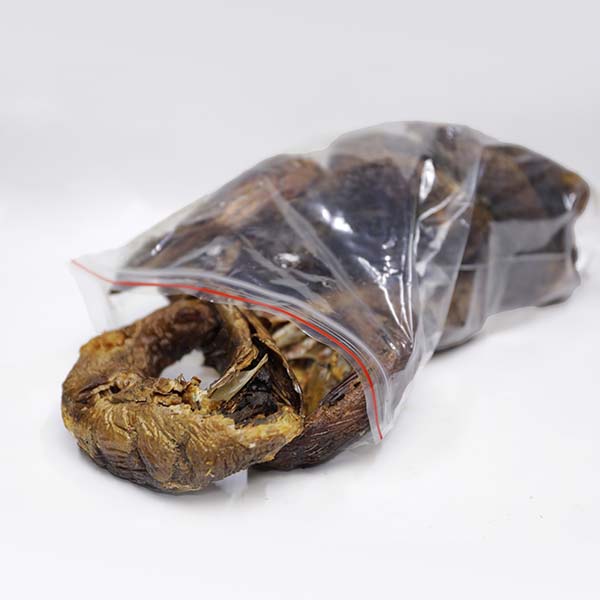

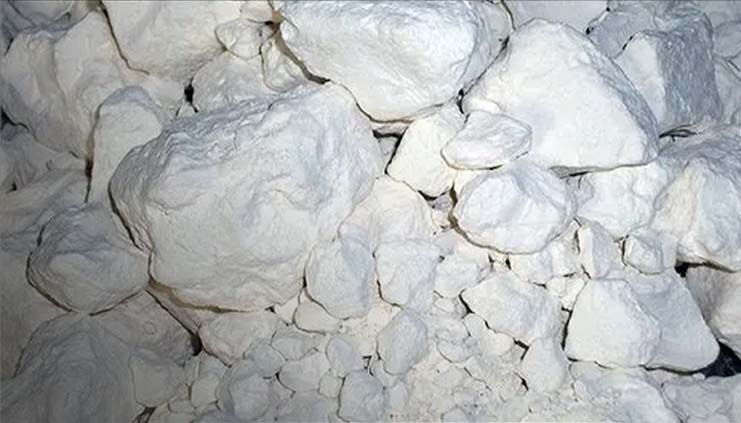
Calabash chalk, often referred to as Nzu, Ebumba, or Poto, is a naturally occurring earthy substance composed of a mixture of clay, mud, and certain other minerals. It has been traditionally consumed by various cultures, especially across West Africa, where it is believed to offer medicinal benefits, particularly for ailments like nausea, morning sickness, and digestive issues. The practice of consuming substances like calabash chalk is commonly linked to pica, a condition that causes cravings for non-nutritive substances. Despite its widespread use, the potential health risks associated with calabash chalk, particularly concerning reproductive health and fertility, have come under scrutiny. So comes the question; can calabash chalk cause infertility?
This article delves into the scientific insights around whether calabash chalk can cause infertility. We will explore the toxic components of calabash chalk, its effects on reproductive health, and the myths versus the actual risks tied to its consumption.
What is Calabash Chalk and can Calabash Chalk cause Infertility?
Calabash chalk is a clay-like substance that is primarily composed of kaolin (a type of soft white clay) along with trace amounts of minerals such as calcium, magnesium, and iron. These minerals contribute to the chalk’s appeal as a potential health supplement in some cultures. However, calabash chalk also contains toxic heavy metals like lead, mercury, arsenic, and aluminum. The consumption of calabash chalk is part of traditional practices in various African communities, but its health risks have become a topic of concern due to the presence of these harmful substances.
Origins and Traditional Uses of Calabash Chalk
Calabash chalk has been consumed for centuries as part of cultural practices aimed at treating a variety of ailments. Pregnant women, in particular, consume calabash chalk to relieve nausea and vomiting associated with morning sickness. Some believe it provides the body with essential minerals like calcium and iron, though there is little scientific evidence to support these claims.
While traditionally calabash chalk was believed to help balance calcium levels or assist in detoxification, modern scientific research has raised concerns about its toxicity, particularly due to the heavy metals it contains. These metals are known to accumulate in the body and can lead to serious health complications, especially in terms of reproductive health.
Health Impacts of Consuming Calabash Chalk: Can Calabash Chalk cause Infertility?
Toxic Components in Calabash Chalk
The most significant concern about consuming calabash chalk is its high content of heavy metals. While it may contain trace amounts of essential minerals, these are vastly outweighed by the toxic substances it harbors. The main heavy metals found in calabash chalk include:
- Lead: A well-known neurotoxin with severe effects on the reproductive system and other bodily functions.
- Mercury: A metal that can disrupt hormonal function and damage the nervous system.
- Arsenic: A carcinogenic substance that affects the body’s organ systems and can cause long-term health problems.
- Aluminum: A metal that can accumulate in the body and lead to cognitive impairments and potential toxicity in the reproductive system.
The ingestion of these metals, even in small amounts, can build up over time, resulting in significant health risks. When it comes to reproductive health, these toxins are particularly dangerous and can interfere with fertility in both men and women. Shop Calabash Chalk at BaobabMart and learn more about its origins.
How Calabash Chalk Affects Reproductive Health

Lead and Its Impact on Fertility
Lead is one of the most toxic metals found in calabash chalk, and it has been extensively studied for its effects on human health. Even low levels of lead exposure can have a profound impact on reproductive health.
- Hormonal imbalance: In women, lead disrupts hormones critical for reproduction, such as estrogen and progesterone. These hormones play essential roles in regulating the menstrual cycle, ovulation, and the ability to conceive.
- Ovulatory dysfunction: Lead exposure can interfere with normal ovulatory function, making it difficult for women to conceive or maintain regular menstrual cycles.
- Reduced sperm quality: In men, lead exposure has been linked to reduced sperm quality, including a lower sperm count and decreased motility. This can make conception more difficult and reduce the chances of successful fertilization.
- Miscarriage and stillbirth: In pregnant women, lead increases the risk of miscarriage, stillbirth, and premature birth, all of which are tied to poor reproductive outcomes.
Scientific Evidence on Lead and Infertility
Studies have shown that women with elevated levels of lead in their blood experience a higher rate of infertility and pregnancy complications. According to a study published in Fertility and Sterility, lead exposure was linked to a significant reduction in the success rate of conception and an increased risk of miscarriage. Similar studies conducted on men showed that lead exposure can severely affect sperm quality, reducing the chances of conception.
Mercury and Reproductive Health
Mercury, another harmful metal found in calabash chalk, is a known endocrine disruptor, meaning it interferes with the normal functioning of hormone systems. This disruption can have a serious effect on fertility.
- Ovarian damage: Mercury can cause damage to the ovaries, reducing egg quality and making it more difficult for women to conceive.
- Hormonal disruption: Mercury interferes with the production of reproductive hormones, which can lead to irregular menstrual cycles or difficulties with ovulation.
- Sperm damage: In men, mercury exposure can reduce testosterone levels, decrease sperm production, and impair overall reproductive health.
- Fetal risks: Pregnant women exposed to mercury have a higher risk of giving birth to babies with developmental and neurological issues.
Studies on Mercury’s Effects on Fertility
Research by the World Health Organization (WHO) highlights the risks of mercury exposure, particularly in women of reproductive age. The study demonstrated that mercury exposure affects ovarian function and can lead to lower fertility rates and difficulties with conception. In men, mercury exposure was shown to impair sperm quality, leading to fertility issues.
Arsenic and Aluminum: Additional Risks to Fertility
In addition to lead and mercury, calabash chalk also contains arsenic and aluminum, both of which pose significant health risks. Arsenic is a potent carcinogen and has been linked to hormonal imbalances and ovarian dysfunction in women. Aluminum, while less toxic than lead or mercury, can accumulate in the body over time and has been associated with neurological impairments and reproductive issues.
Calabash Chalk and Infertility: The Scientific Verdict
While some individuals may consume calabash chalk for perceived health benefits, the toxic metals it contains present clear risks to reproductive health. Although specific studies linking calabash chalk consumption directly to infertility are limited, the evidence regarding the effects of lead, mercury, arsenic, and aluminum on fertility is well-established.
Myths About Calabash Chalk and Fertility
There are several myths surrounding calabash chalk, particularly regarding its supposed benefits for reproductive health. Some believe that consuming calabash chalk helps balance calcium levels and promotes fertility, but these claims are not backed by scientific evidence. In reality, the heavy metals found in calabash chalk are far more likely to interfere with reproductive health than improve it.
Facts: The Risks of Consumption and Can Calabash Chalk cause Infertility?
The scientific consensus is clear: consuming calabash chalk increases the risk of infertility and other reproductive issues. The heavy metals found in calabash chalk can cause hormonal imbalances, damage to reproductive organs, and an increased risk of miscarriages and birth defects.
Healthier Alternatives to Calabash Chalk
Given the clear risks associated with calabash chalk, individuals seeking to support their reproductive health should look for safer, nutrient-rich alternatives.
Natural Sources of Calcium and Iron
Instead of consuming calabash chalk for its calcium and iron content, individuals can turn to nutrient-rich foods that provide these minerals without the risks of heavy metals.
- Leafy greens: Vegetables such as kale, spinach, and broccoli are rich in calcium and iron, supporting reproductive health naturally.
- Nuts and seeds: Almonds, chia seeds, and flaxseeds are excellent sources of essential fatty acids and minerals that promote hormonal balance and fertility.
- Lean proteins: Meat, poultry, and fish provide iron and other important nutrients for reproductive health.
Supplements for Reproductive Health
In cases where dietary sources are insufficient, individuals can take supplements to ensure they are getting the necessary nutrients. Prenatal vitamins, in particular, provide calcium, iron, and other essential nutrients that support reproductive health without the risks associated with calabash chalk.
Conclusion: Can Calabash Chalk Cause Infertility?
The consumption of calabash chalk, given its high content of heavy metals, poses significant risks to reproductive health. While it may be consumed for traditional or cultural reasons, modern scientific research highlights the dangers of prolonged exposure to lead, mercury, arsenic, and aluminum. These metals are known to cause infertility, miscarriages, and other reproductive complications. So we can say for the question; Can Calabash Chalk Cause Infertility? The answer is there is a high risk of infertility if the calabash is consumed for a long period.
Individuals concerned about their fertility or overall reproductive health should avoid consuming calabash chalk and instead turn to safer, nutrient-rich alternatives that support reproductive well-being. By avoiding toxic substances like calabash chalk, individuals can reduce their risk of infertility and protect their long-term health. Read the facts on Calabash Chalk and infertility here.