





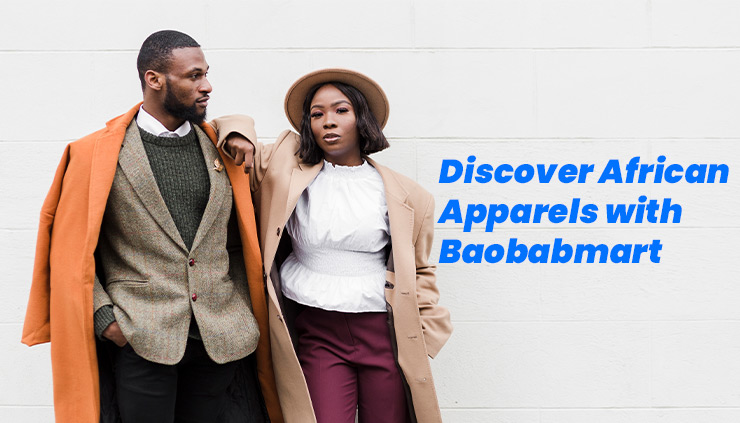
Choosing the right African fabric or style shouldn’t feel like guesswork. Whether you’re dressing for a cultural ceremony, a casual weekend, or a bold fashion statement, the wrong fabric can mean discomfort, the wrong style can mean a cultural misstep, and the wrong purchase can leave you with something that sits in your closet.
This guide cuts through the confusion. You’ll learn exactly what the most popular African fabrics are, which occasions each style suits best, how to identify quality, and how to mix traditional with modern without looking like a costume
Choosing the Best African Fabrics and Styles
Know Your Fabrics: The Foundation of Every Great African Outfit
Before you pick a style, you need to understand the fabric. Every major African textile has its own origin, texture, weight, and cultural meaning. Getting this right is step one.
Ankara (African Wax Print Fabric)
Ankara is the most widely recognized African fabric worldwide. It’s a 100% cotton fabric printed with bold, geometric, and often symbolic patterns using a wax-resist dyeing process. The result is vibrant, stiff fabric with a distinctive “crinkle” when you touch it.
What makes it special: The patterns carry meaning. Certain prints are tied to specific communities, life events, or even political statements across West and Central Africa.
Best for:
- Everyday wear (dresses, skirts, tops, headwraps)
- Cultural events and ceremonies
- Statement fashion pieces
- Mixing with Western wardrobe basics
What to watch for when buying: Genuine Ankara has color on both sides of the fabric, and the pattern is consistent throughout. Imitations often fade quickly, have blurry prints, or show a white underside.
👉 Shop Ankara fabrics: Ankara Fabrics on Baobabmart | Ankara Dresses | Ankara Print Bags
Kente Fabric
Kente is a handwoven silk and cotton cloth originally from the Ashanti people of Ghana. It is arguably the most prestigious African textile; each strip is hand-woven on narrow looms and then sewn together. The geometric patterns and color combinations are not decorative coincidences; they each carry encoded meaning.
Color meanings at a glance:
- Gold/Yellow: Royalty, wealth, and high status
- Green: Growth, renewal, and fertility
- Red: Political passion, bloodshed remembered
- Blue: Peace, harmony, and love
- Black: Maturity, spiritual energy, and aging
Best for:
- Weddings, graduations, and formal ceremonies
- Cultural celebrations and heritage events
- Statement garments, Kente is not everyday wear by tradition, though modern fashion is changing that
Buying tip: Authentic handwoven Kente is expensive because of the labor involved. If the price seems too low, it’s likely machine-printed Kente fabric — not the same thing, but still beautiful and more accessible.
👉 Explore: Kente Fabrics | Kente Outfits | Kente Skirts & Tops | Kente Scarves
Bogolan (Mud Cloth)
Bogolan, commonly called mud cloth, comes from Mali and is one of Africa’s oldest textile traditions. It’s made by hand-painting sun-dried cotton strips with fermented mud, creating deep brown, black, and beige geometric symbols. Each pattern tells a story or encodes a proverb.
What makes it different: This is a fabric with serious cultural weight. Traditionally worn by hunters and warriors, and used in rites of passage ceremonies.
Best for:
- Home décor and wall hangings
- Statement jackets, coats, and bags
- Cultural fashion with a story to tell
- Anyone drawn to earth tones and natural aesthetics
Style note: Mud cloth pairs exceptionally well with denim. The contrast between its textured earthiness and clean denim lines is a look that works across cultures.
👉 Shop: Bogolan Fabrics on Baobabmart
Dashiki Fabric
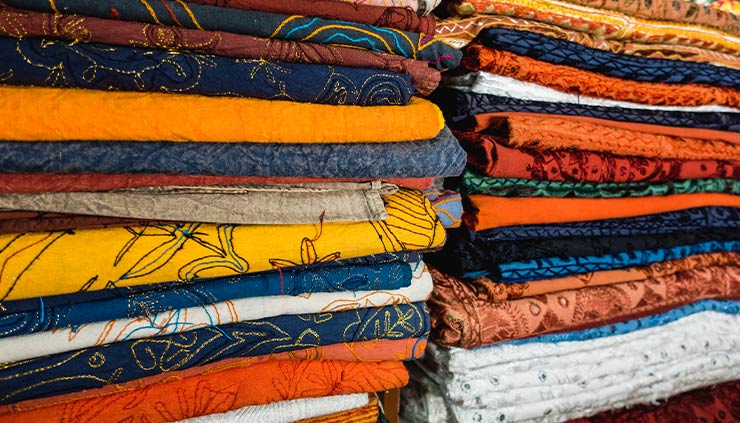
The Dashiki is a loose-fitting, brightly colored garment (and fabric) from West Africa that became globally recognized during the 1960s and 70s Black Power movement. The characteristic V-neck embroidery called “Angelina print” is the defining visual feature.
Best for:
- Casual and semi-casual wear
- Cultural pride and expression
- Hot climates: it breathes well
- Men and women equally
Note: The Dashiki is one of the most cross-cultural African garments. It’s approachable, comfortable, and pairs easily with jeans, trousers, or African print bottoms.
👉 Shop: Dashiki Fabrics | Dashikis on Baobabmart
Choosing the Right Style for the Right Occasion
Fabric is only half the equation. The cut and style matter just as much. Here’s how to match garment styles to occasions.
Here are some standout modern fashion items rooted in African tradition:
Traditional Attire: For Ceremonies, Celebrations & Cultural Identity
If you’re attending a wedding, naming ceremony, funeral, or cultural festival, traditional attire is both appropriate and expected. The key styles to know:
Boubou (Grand Boubou / Agbada): A flowing, wide-sleeved robe worn across West and Central Africa. In its full three-piece form (inner shirt, trousers, and outer robe), it signals formality and status. Women’s versions are equally elegant, often heavily embroidered.
Who it’s for: Men and women attending formal cultural events. Also popular for religious observances across Muslim-majority communities in West Africa.
👉 Shop: Boubous on Baobabmart
Kaftan: A long tunic-style garment, less structured than the Boubou but equally versatile. Worn by both men and women, it suits semi-formal and casual settings.
Who it’s for: Anyone wanting comfort and elegance without the full ceremony of a Boubou. Great for dinner events, garden parties, and cultural gatherings.
👉 Shop: Kaftans on Baobabmart
Modern African Fashion: For Everyday Wear & Fashion-Forward Looks
African fashion has gone global. Designers from Lagos, Accra, Nairobi, and Dakar are setting trends that reach runways in Paris and New York. Modern African fashion is about fusing traditional textiles with contemporary silhouettes.
Ankara Dresses From wrap dresses to A-line cuts to bodycon styles — Ankara translates beautifully into modern womenswear. The boldness of the print does most of the work; the cut just needs to be clean.
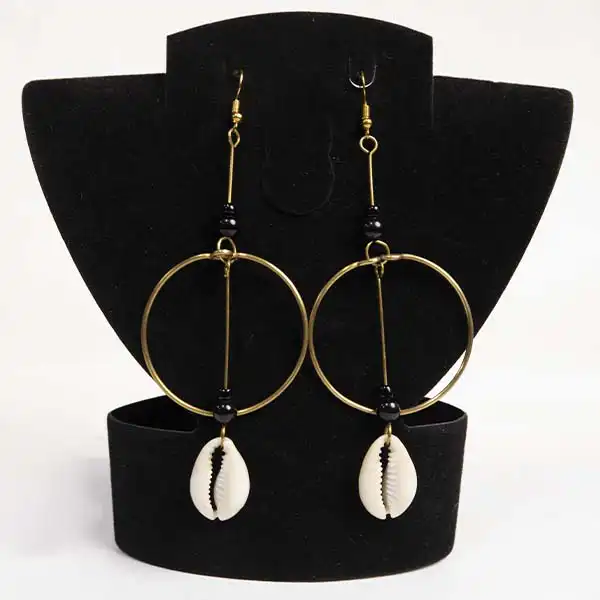
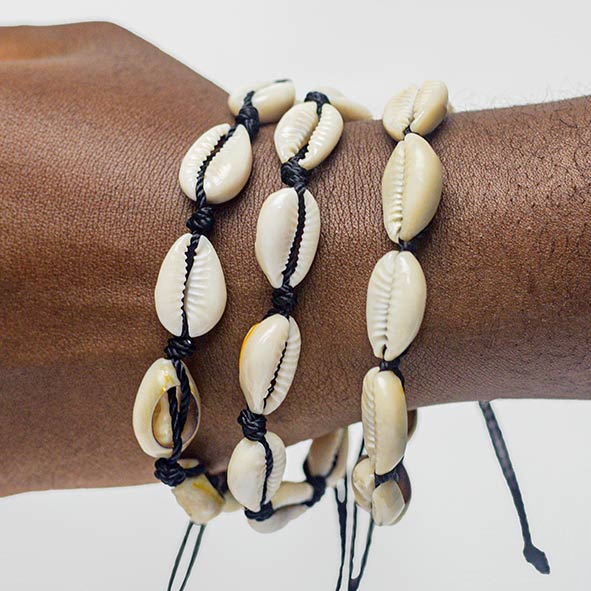
Style tip: Keep accessories minimal when wearing bold Ankara prints. Let the fabric speak. A pair of simple earrings or cowrie shell accessories is all you need.
👉 Shop: Ankara Dresses | Cowrie Shell Accessories
African Print Jumpsuits are one of the most versatile modern African fashion pieces. Works for work events, casual outings, and social gatherings.
Buying tip: Pay attention to fabric weight. A heavier Ankara jumpsuit can feel stiff and hot in warm climates. Look for lighter-weight wax prints for better comfort.
👉 Shop: African Print Jumpsuits
Afro-Fusion Streetwear This is where African textiles meet sneaker culture, streetwear silhouettes, and contemporary youth fashion. Think Ankara-trim hoodies, Kente-accented sneakers, and Bogolan patch jackets.
Who it’s for: Younger buyers and anyone who wants to incorporate African identity into their daily urban style.
👉 Shop: Afro-fusion Streetwear | Ankara Print Sneakers
Men’s African Fashion: A Dedicated Guide
Men’s African fashion is often underserved in mainstream fashion content. Here’s a clear breakdown:
Shirts & Trousers: The most versatile entry point. An Ankara or Dashiki shirt paired with neutral trousers is office-appropriate in many African cities and fashion-forward internationally.
Suits & Blazers: African print suiting has become a serious fashion statement. A Kente or Ankara blazer with a solid-color trouser is a high-impact look that works for weddings, events, and business-casual settings.
Traditional Outfits: From the Agbada to the Kaftan, traditional menswear commands respect in social settings.
👉 Shop: Men’s African Clothing | Shirts & Trousers | Suits and Blazers | Traditional Outfits
Women’s African Fashion: From Dresses to Outerwear
Women have the widest range of options in African fashion. Key categories:
Dresses: Ankara and Kente translate into almost every dress silhouette. Pick based on occasion and body comfort, not just print.
Skirts and Tops: Great for mixing and matching. A solid-color top with a bold African print skirt (or vice versa) is a styling formula that rarely fails.
Jackets and Coats: African print outerwear has grown significantly. A Bogolan or Ankara coat makes a statement in any season.
👉 Shop: Women’s African Clothing | Dresses | Skirts and Tops | Women’s Jackets and Coats
How to Identify Quality African Clothing
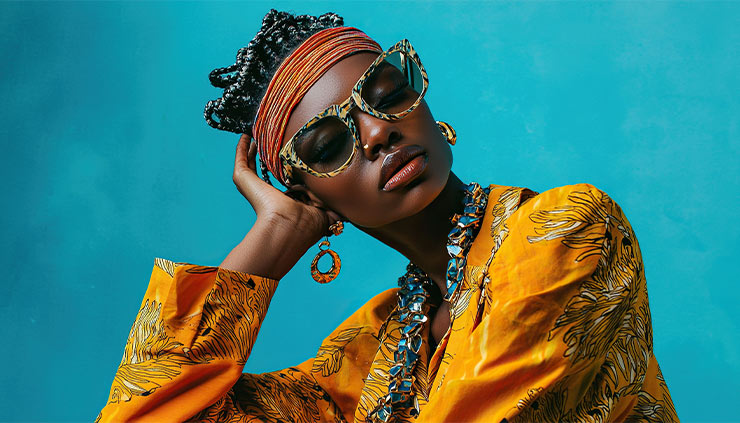
The African fashion market, like all fashion markets, has significant variation in quality. Here’s what separates a good purchase from a bad one:
- Check the stitching. Quality African garments have tight, even stitching at seams and embroidery points. Loose threads or uneven lines are red flags.
- Test the fabric weight. Authentic Ankara should feel substantial, not flimsy. Lightweight, see-through wax print fabric is usually lower quality.
- Look at the pattern alignment at the seams. On a well-made African print garment, the pattern continues across seams without obvious misalignment. This is a clear quality indicator.
- Check the print depth. Hold Ankara up to the light. If you can clearly see through it like tissue paper, it’s likely low-grade. Good-quality Ankara has density.
- Ask about the fabric origin. Fabrics from established mills in Ghana, Côte d’Ivoire, and Nigeria tend to be higher quality than mass-produced imitations. At Baobabmart, we source directly from verified African suppliers to ensure authenticity.
Completing the Look: Accessories & Footwear
An African outfit without the right accessories is like a meal without seasoning. Here are the key accessories to consider:
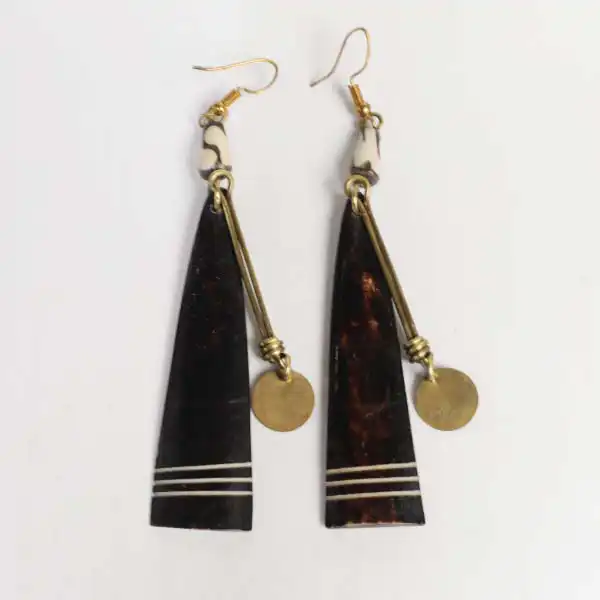
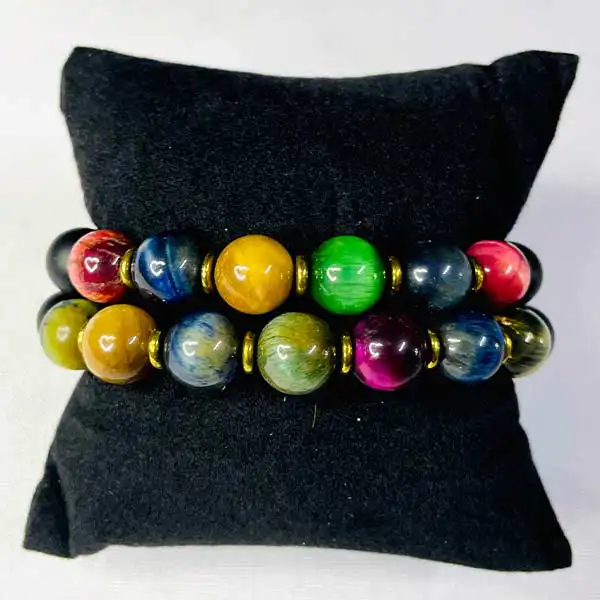
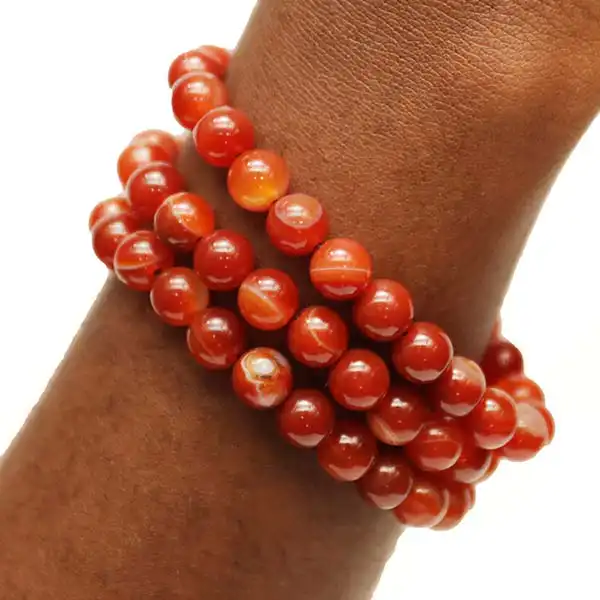
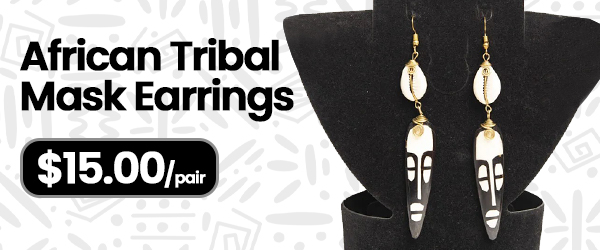
Jewelry: Cowrie shells, beads, and bronze are the defining elements of authentic African jewelry. These aren’t just decorative — they carry cultural symbolism from fertility to protection.
👉 Shop: Handmade Jewelry | Cowrie Shell Accessories
Bags: An Ankara print bag is one of the easiest ways to add an African touch to any outfit, even a Western one.
👉 Shop: Ankara Print Bags | Shoulder Bags | Tote Bags
Footwear Handcrafted sandals, beaded shoes, and Ankara-print sneakers complete the look from the ground up.
👉 Shop: Handcrafted Sandals | Beaded Shoes | Ankara Print Sneakers
Quick Decision Guide: What Should You Buy?
| Your Situation | Recommended Style | Recommended Fabric |
|---|---|---|
| Wedding or formal ceremony | Boubou, Agbada, or Kente outfit | Kente, embroidered cotton |
| Cultural festival or celebration | Dashiki, traditional attire | Ankara, Kente |
| Casual daily wear | Ankara dress, shirt + trousers | Ankara wax print |
| Office or business event | Ankara blazer, tailored kaftan | Quality Ankara or Bogolan |
| Streetwear / youth fashion | Afro-fusion pieces, print sneakers | Ankara, Bogolan accents |
| First-time African fashion buyer | Dashiki or Ankara print top | Dashiki fabric or Ankara |
| Home décor or artisan gifts | Bogolan throws, Kente scarves | Bogolan, Kente |
Frequently Asked Questions
Q: Is it respectful for non-Africans to wear African fashion? Yes — wearing African fashion as genuine appreciation (not mockery) is widely welcomed. The key is to approach it with respect, learn about what you’re wearing, and buy from authentic African suppliers.
Q: How do I care for Ankara fabric? Cold machine wash or hand wash. Avoid soaking in hot water, which causes colors to bleed. Iron on medium heat while slightly damp. Avoid bleach entirely.
Q: What’s the difference between Kente fabric and Kente outfits? Kente fabric is the raw material, strips of handwoven cloth. Kente outfits are finished garments made from Kente cloth or Kente-inspired machine-print fabric. Handwoven Kente is more expensive; machine-print Kente is more affordable and accessible.
Q: Can I buy African fabrics to have them tailored locally? Absolutely, and this is one of the most popular ways to get a perfect fit. Buy your fabric from Baobabmart and take it to a local tailor with your preferred style.
👉 Browse all African fabrics: African Print Fabrics Collection
Have questions about sizing, fabric sourcing, or wholesale orders? Contact our support team — we’re here to help you find exactly what you need.


2 Comments
Muito explicativo, de forma sucinta e objetiva, gostei.
Muito obrigado pela atenção e gentileza.