






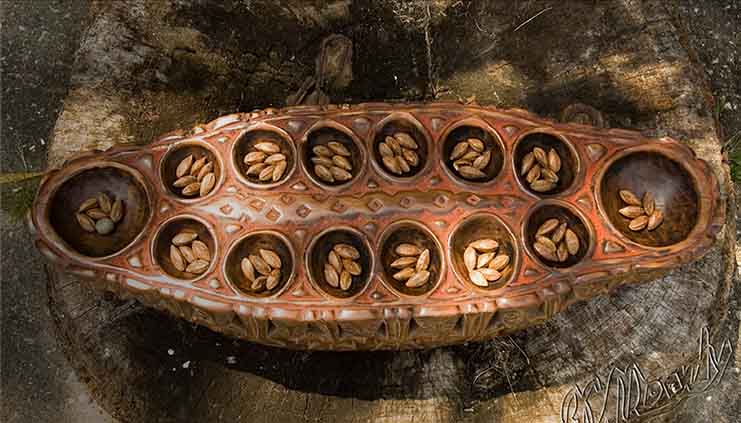
The game of Mancala is more than just a fun and strategic pastime; it is a reflection of Africa’s deep cultural heritage. What makes African Handmade Mancala Boards even more special is the artistry behind the handmade wooden boards that are used to play the game. These boards, carefully crafted by skilled African artisans, are not just functional, they are pieces of art that tell a story.
Every curve, carving, and grain pattern on these boards is the result of traditional techniques passed down through generations. In this article, we will explore the artistry behind African handmade Mancala boards, from the materials used to the techniques employed, and why they make such beautiful and meaningful items.
Here, we’ll explore;
The Art of Crafting African Handmade Mancala Boards
Handmade Tradition
African handmade wooden Mancala boards are created using techniques that have been honed and perfected over many generations. The artisans who design these boards are not just creating game pieces; they are preserving a piece of cultural history. The process begins with selecting the right type of wood, which is crucial for ensuring that the board is durable and visually appealing.
At BaobabMart, our Mancala boards are made from premium African woods such as Ayous, Azobe, Bilinga, and Bubinga. These types of wood are chosen for their strength, beauty, and the way they complement the intricate carvings that are a hallmark of African art.
Tools of the Trade
To create a handmade Mancala board, African artisans use simple yet effective tools—often ones that have been used in their communities for centuries. Traditional hand-carving tools like chisels and knives are employed to shape the wood and carve out the pits, which are an essential part of the game. The artisans carefully carve the board, paying close attention to detail and ensuring that each pit is smooth and uniform. The process of creating these boards is highly labor-intensive, requiring patience, precision, and a deep understanding of the material.
Attention to Detail
One of the most remarkable aspects of African handmade Mancala boards is the level of detail that goes into each piece. The artisans take their time to design each board with care, ensuring that the design is both functional and beautiful. From the way the pits are carved to the smoothness of the wood’s surface, every element is meticulously executed.
Some Mancala boards feature intricate carvings along the edges, displaying traditional African patterns and symbols. These designs are often inspired by nature, culture, and history, adding an extra layer of meaning to the board. The time and effort invested in each board ensure that it is not just a game tool, but also a work of art.
The Materials behind African Handmade Mancala Boards
Types of Wood Used
The type of wood used in designing Mancala boards is critical to the final product’s quality and aesthetic appeal. Different woods offer different textures, colors, and levels of durability. Here are some of the most popular woods used in the creation of Mancala boards at BaobabMart:
1. Ayous Wood
- Texture: Light and fine-grained
- Color: Pale, almost ivory-like color
- Durability: Ayous wood is lightweight but strong, making it ideal for designing intricate designs.
Ayous wood is often used for Mancala boards that feature detailed carvings. Its light color provides a striking contrast to darker designs, and its fine texture allows artisans to create smooth, clean lines. This wood is also known for being easy to work with, which is why it is often chosen for boards with complex artistic elements.
2. Azobe Wood
- Texture: Dense and tough
- Color: Rich, reddish-brown hue
- Durability: Extremely durable and long-lasting
Azobe wood is perfect for designing durable Mancala boards that will last for many years. Its rich color and natural sheen make it a favorite among artisans who want to create boards with a luxurious finish. Azobe wood is known for its strength, which makes it resistant to wear and tear. This ensures that the board can withstand the rigors of regular gameplay while maintaining its beauty.
3. Bilinga Wood
- Texture: Coarse and sturdy
- Color: Vibrant golden-yellow tone
- Durability: Strong and durable
Bilinga wood stands out for its bright, cheerful color, which adds a touch of warmth to any room. It is also a very strong wood, making it ideal for players who want a durable board that will last. The coarse texture of Bilinga wood gives it a rustic feel, which many people find appealing. When used in Mancala boards, Bilinga provides both beauty and resilience.
4. Bubinga Wood
- Texture: Smooth with complex grain patterns
- Color: Deep reddish-brown
- Durability: Highly durable and long-lasting
Bubinga is considered one of the most luxurious woods used in crafting African handmade Mancala boards. Its deep reddish-brown color and intricate grain patterns give it a rich, elegant appearance. Bubinga is also very strong, making it a popular choice for high-end boards. The natural beauty of Bubinga wood means that even the simplest of designs can look stunning when crafted from this material.
Sustainability and Ethical Sourcing
At BaobabMart, we are committed to sustainability and ethical sourcing. The wood used to craft our Mancala boards is carefully sourced from sustainably managed forests, ensuring that the environment is protected. We work with artisans who prioritize eco-friendly practices, helping to preserve Africa’s natural resources for future generations.
By choosing a handmade Mancala board from BaobabMart, you are not only getting a beautifully crafted piece, but you are also supporting responsible forestry and helping to protect the environment. Sustainability is a core value in the production of these boards, reflecting the artisans’ respect for nature and their desire to leave a positive impact on the world.
The Techniques Used in Crafting African Handmade Mancala Boards
Carving the Board
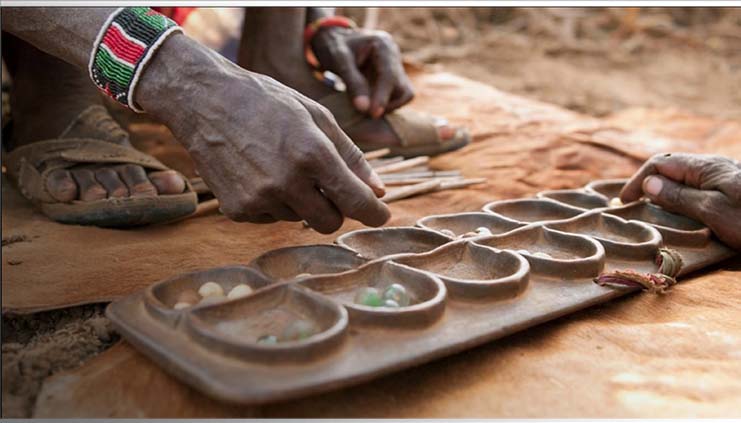
The process of carving a Mancala board begins with selecting a solid piece of wood and mapping out the design. The artisan marks where the pits will be carved and begins the delicate work of creating the indentations that define the board. Each pit is carved by hand, ensuring that it is deep enough to hold the game is playing pieces—often seeds or stones—while maintaining smooth, rounded edges to make gameplay comfortable.
The carving process is both an art and a science. The artisans must have a steady hand and a sharp eye for detail to ensure that the pits are uniform in size and shape. This uniformity is important not only for aesthetic purposes but also for ensuring that the game is fair and functional. Depending on the design, the artisan may also add decorative carvings around the edges of the board, which often include symbols or patterns that hold cultural significance.
Smoothing and Polishing
After the board has been carved, the next step is to smooth and polish the wood. This involves sanding the surface to remove any rough edges or imperfections, ensuring that the board is smooth to the touch. The polishing process highlights the natural grain of the wood, bringing out its rich colors and patterns.
Some artisans apply natural oils or waxes to the wood during the polishing process, which helps protect the wood and gives it a beautiful, glossy finish. The result is a board that feels luxurious and looks stunning, with the natural beauty of the wood on full display.
Adding the Finishing Touches
Once the board has been carved, smoothed, and polished, the artisan may add final touches to enhance the board’s aesthetic appeal. This could include additional carvings, inlays, or other decorative elements. Some boards are left with a natural, minimalist finish, while others are adorned with intricate designs that tell a story or symbolize aspects of African culture.
At BaobabMart, we offer a variety of Mancala boards that range from simple, elegant designs to more ornate pieces. Whether you prefer a minimalist board or one with detailed carvings, each piece is crafted with the same level of care and attention to detail.
The Significance of African Handmade Mancala Boards
A Piece of African Heritage
Handmade Mancala boards are not just game boards; they are a symbol of African heritage. The game of Mancala has been played for thousands of years across Africa, and the handmade boards reflect the cultural significance of the game. Each board is crafted using traditional techniques that have been passed down through generations, preserving the artistry and craftsmanship of African communities.
When you own a handmade Mancala board, you are owning a piece of history—a connection to the past and the traditions that have shaped African culture. Whether displayed in your home or used to play the game, the board serves as a reminder of the beauty and depth of African heritage.
Supporting African Artisans
By purchasing a handmade Mancala board from BaobabMart, you are supporting African artisans and their communities. These artisans rely on their craft to provide for their families and preserve their cultural traditions. Your purchase helps ensure that these skilled craftsmen and women can continue to practice their art, pass down their knowledge to future generations, and contribute to the economic development of their communities.
At BaobabMart, we are committed to fair trade practices, ensuring that our artisans are fairly compensated for their work. When you buy a handmade Mancala board, you are making a conscious choice to support ethical production and contribute to the well-being of the artisans who create these beautiful pieces. Read about the artistry behind African Handmade Mancala boards on Traditional African Craftsmanship.
Why Choose a African Handmade Mancala Boards?
Uniqueness and Personal Touch
One of the main reasons to choose a handmade Mancala board is its uniqueness. Unlike mass-produced items, each handmade board is a one-of-a-kind piece. The natural variations in the wood, combined with the artisan’s individual touch, ensure that no two boards are exactly alike. When you give or receive a handmade Mancala board, you are getting something truly special—an item that reflects the creativity and skill of the person who made it.
Durability and Quality
Handmade Mancala boards are crafted with care and built to last. The use of high-quality materials, combined with the skill of the artisans, ensures that the board will withstand years of use. Whether you plan to play the game regularly or simply display the board as a decorative piece, you can be confident that it will retain its beauty and functionality for a long time.
A Meaningful Gift
A handmade Mancala board makes a thoughtful and meaningful gift. Whether for a friend, family member, or even yourself, a gift carries cultural significance, artistic value, and practical use. The time, effort, and care that goes into designing each board make it a gift that will be cherished for years to come.
Conclusion: African Handmade Mancala Boards
The artistry behind African handmade Mancala boards is a testament to the rich cultural heritage and artistic traditions of Africa. These boards are more than just a tool for playing a game—they are works of art that reflect the skill, creativity, and dedication of the artisans who create them. From the careful selection of wood to the intricate carvings and polishing, each board is a unique piece that carries a story and a connection to African culture.
At BaobabMart, we are proud to offer a range of handmade Mancala boards that display the beauty and artistry of African artisans. By choosing one of our boards, you are not only getting a high-quality, beautifully crafted item, but you are also supporting fair trade and helping to preserve traditional craftsmanship.
Whether you are looking for a meaningful gift or a beautiful piece for your own home, an African handmade Mancala board is a timeless choice that combines art, culture, and function. Explore our African collection today and discover the beauty of African Handmade Mancala Boards.