








African clothing isn’t one style; it’s dozens of them, from centuries-old woven cloth to Ankara pieces cut for a modern office. If you’ve been searching for “African clothing” and gotten overwhelmed by how much falls under that one label, this guide breaks it down: the traditional styles worth knowing, the modern looks built from them, and where to find each one.
What Makes African Clothing Styles Unique
Most African clothing styles trace back to a specific fabric, region, or craft tradition, which is part of why the category feels so varied.
Ankara’s bold wax-print patterns, Kente’s woven geometric bands, and Shweshwe’s indigo prints all come from different parts of the continent and different techniques, and each carries its own cultural weight rather than being interchangeable “African print.”
That’s also what separates authentic pieces from generic ones.
A garment made by an artisan working in a specific technique, hand-woven Kente or block-printed Ankara, carries craftsmanship that mass production can’t replicate.
Knowing the difference helps you shop for the actual style you want, not just something that looks vaguely similar.
Traditional African Clothing
Traditional African clothing is where most modern styles originate, and it’s still worn for ceremonies, celebrations, and by plenty of people as everyday wear. A few of the most recognizable:
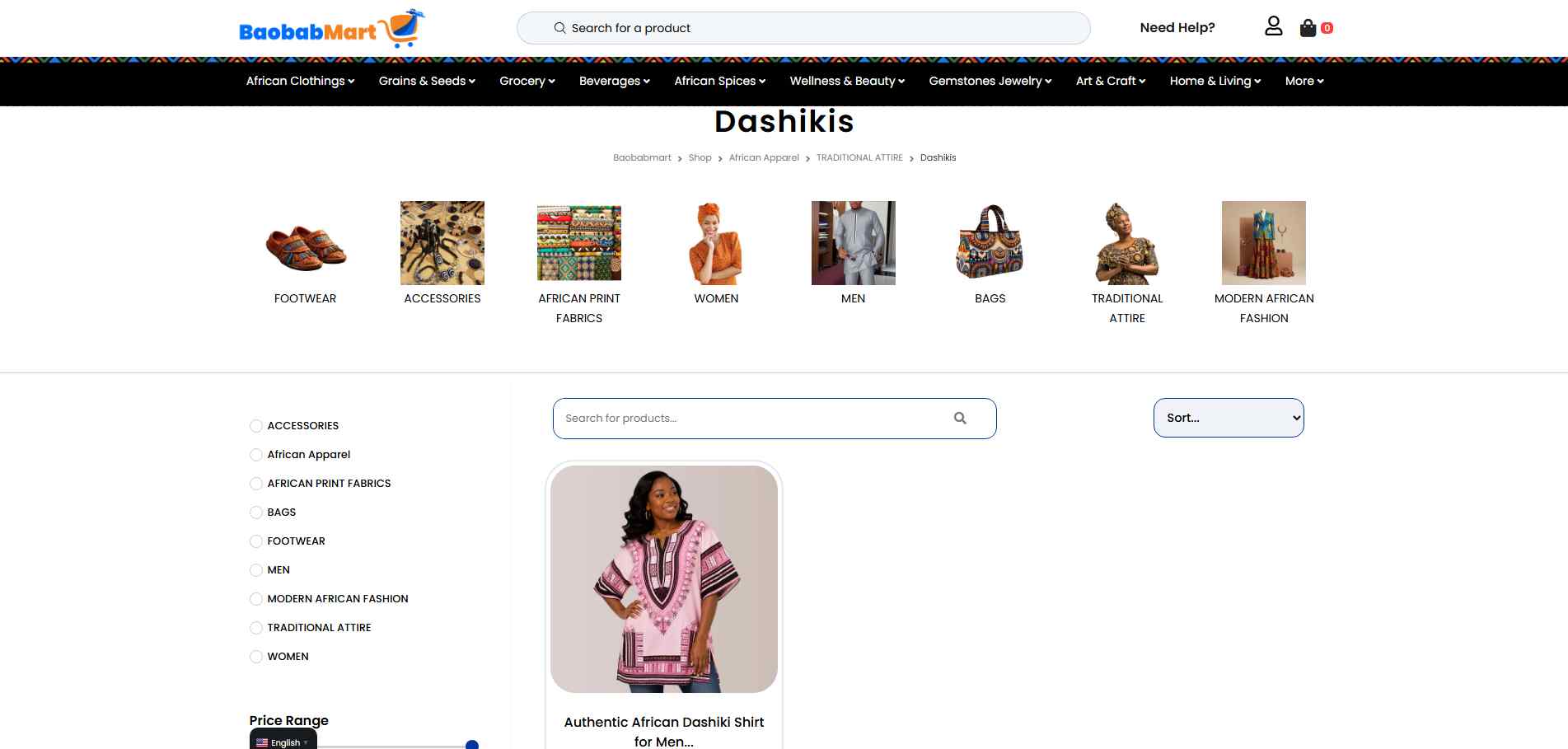
Dashikis. Loose-fitting, brightly patterned tops (or full sets) worn across West Africa, now a wardrobe staple worldwide. They work equally well for a cultural event or a casual weekend look browse dashikis.
Kaftans and boubous. Flowing, lightweight robes that prioritize ease of movement without giving up structure. Popular for warm-weather wear and for lounging without sacrificing style see the kaftan collection.
Kente-inspired pieces. Originally from Ghana, Kente’s woven, geometric patterns are among the most recognizable African textiles worldwide.
Traditionally reserved for significant occasions, Kente-print pieces now show up in everything from stoles to full outfits.
Agbada and formal robes. Wide-sleeved, flowing formal wear common at weddings and major celebrations across West Africa, a go-to when the occasion calls for something with real presence.
You’ll find the full range of these along with other regionally specific styles in the traditional attire collection.
Ankara Dress Styles
Ankara is probably the single most recognizable African print in modern fashion: bold, wax-printed cotton in colors and patterns that don’t try to blend in. As dresses, it shows up in a few distinct forms:
- Straight-cut and bodycon Ankara dresses for a more fitted, structured look
- Flared and A-line Ankara dresses for everyday comfort and movement
- Maxi Ankara dresses for a longer, more dramatic silhouette
- Bridal and occasion-cut Ankara dresses for weddings and formal events
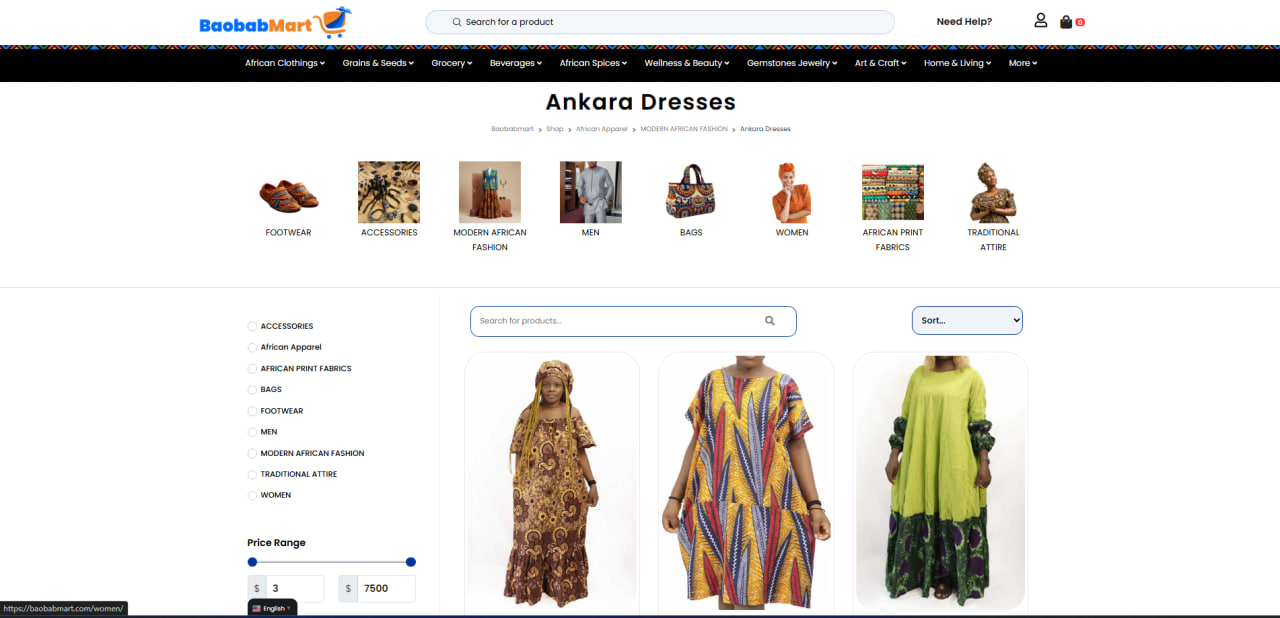
Because the print itself does most of the visual work, Ankara dresses tend to work well with minimal accessorizing; a plain sandal or clutch is often enough. Explore the full range in the Ankara dresses collection.
African Traditional and Everyday Dresses
Beyond Ankara specifically, “African dresses” covers a wide range of cuts and fabrics, including styles like the Kaba, a fitted, often floor-length dress style popular across West and Central Africa, known for structured necklines and tailored silhouettes.
It’s one of the styles people search for most specifically, and it’s worth calling out on its own: see examples like this Kaba dress in white lace or this Kaba dress with a Mao neckline.
For something lighter and more casual, African maxi dresses — long, breathable, often in a single bold print — are an easy everyday option that doesn’t require much styling effort. Browse the full dresses collection to compare cuts, fabrics, and lengths side by side.
Modern and Contemporary African Fashion
Contemporary African fashion takes the fabrics and prints above and applies them to modern silhouettes, the kind of pieces that work in an office as easily as at a weekend event. Common examples:
- Ankara or African print blazers, worn over a plain top for a subtle nod to the pattern
- Tailored tunics and jumpsuits, cut from African textiles but styled like contemporary basics
- Print-panel or accent pieces, where African fabric is used as a detail rather than the whole garment
This is the category worth exploring if you want the look without going fully traditional see the modern African fashion collection or the broader African apparel collection for the full mix of traditional and contemporary pieces in one place.
What to Wear to an African Wedding or Celebration
African wedding guest outfits tend to land in one of two categories: traditional (Agbada, Kaftan, Kente-inspired pieces, or a structured Kaba dress) or modern-with-a-nod-to-tradition (an Ankara occasion dress or print blazer over neutral separates).
Weddings and cultural ceremonies are usually where the more elaborate traditional pieces make sense, while everyday celebrations lean better toward the modern styles above.
If you’re unsure which direction fits the specific event, err toward the traditional styles — Kaftans and structured Kaba dresses both work well for formal African celebrations without requiring custom tailoring.
How to Style African Clothing
A few practical tips that apply across most of the styles above:
- Mix and match. Pair a bold Ankara skirt or dress with a plain top or blazer so the print has room to stand out.
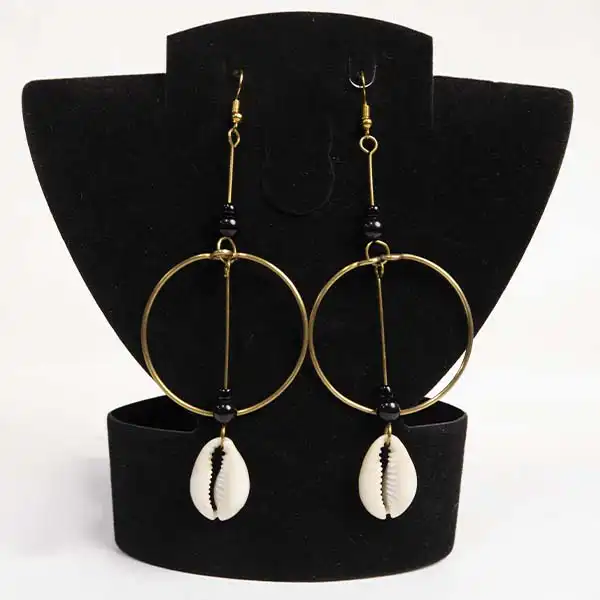
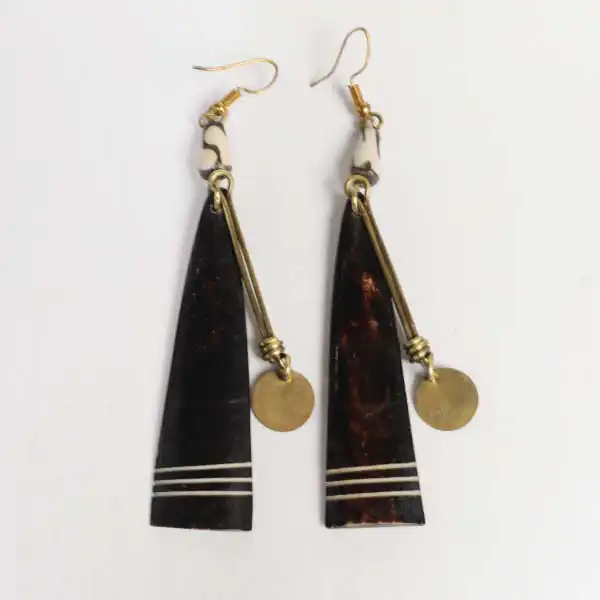
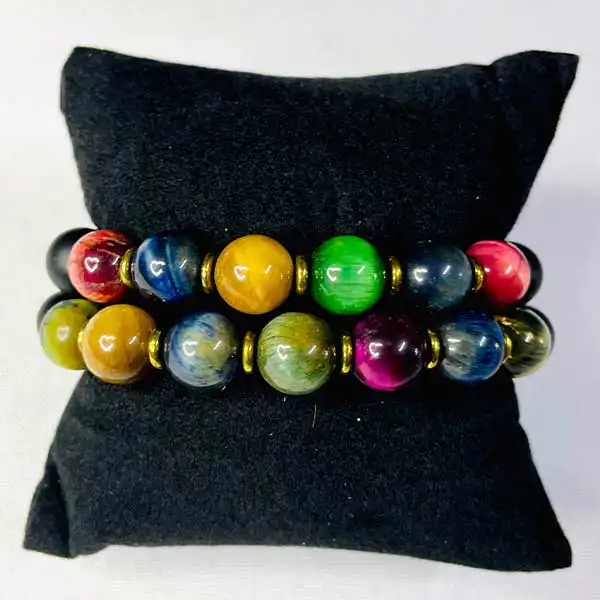
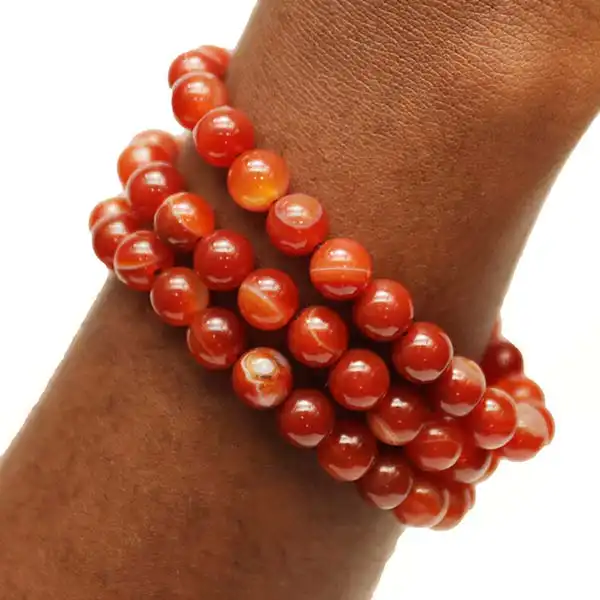
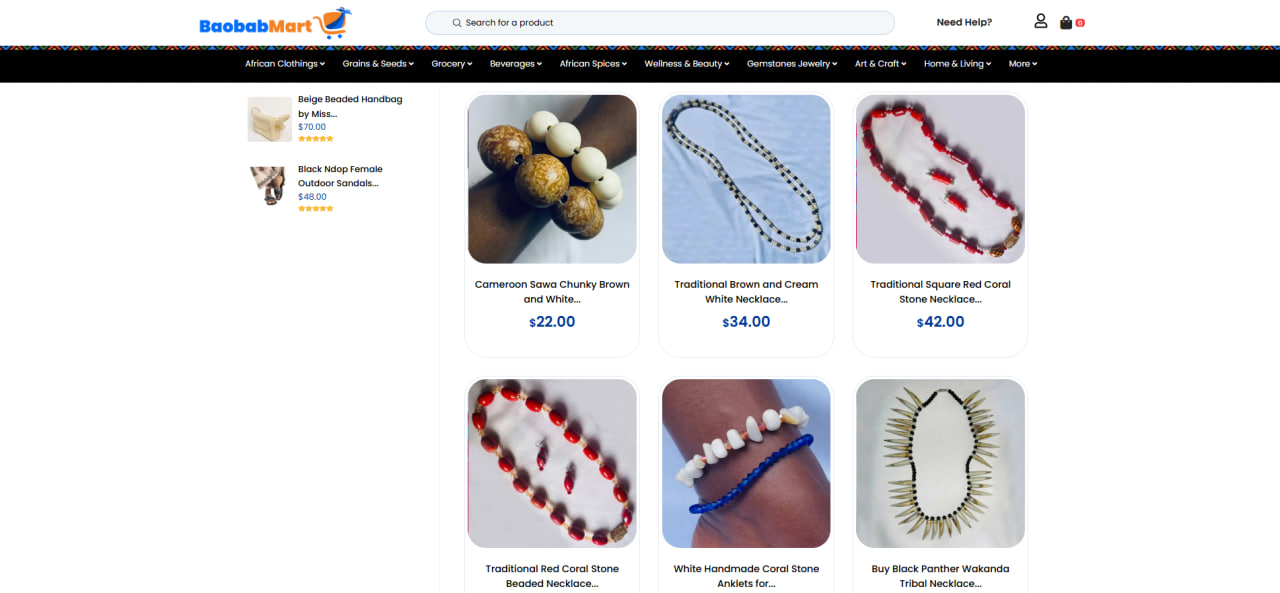
- Accessorize deliberately. Beaded jewelry or a headwrap can elevate an outfit without competing with the print see the African beads and jewelry collection.
- Layer for versatility. An African print blazer or scarf over a neutral outfit is an easy way to incorporate a style without committing to a full look.
- Match fabric weight to occasion. Lightweight Ankara cotton suits everyday wear; heavier woven fabrics like Kente suit more formal settings.
Why Shop African Clothing Styles at BaobabMart
Shopping for authentic African clothing online can be hit or miss; quality and sourcing vary a lot between sellers. At BaobabMart:
- Authenticity: every piece is sourced directly from African designers and artisans, not mass-produced replicas.
- Range: traditional and modern styles are organized into dedicated collections, so you can shop by the specific look you want rather than sorting through everything at once.
- Affordability: inexpensive African attire options sit alongside more premium pieces, so budget doesn’t limit which styles are available to you.
Browse the full African apparel collection to see the range for yourself.
Key Takeaways
- African clothing styles range from traditional (dashikis, kaftans, Kente, Agbada) to modern, tailored pieces built from the same fabrics.
- Ankara is the most recognizable African print and shows up across dresses, blazers, and accessories.
- Kaba dresses and African maxi dresses are two of the most searched-for dress styles specifically.
- Traditional pieces suit weddings and ceremonies; modern styles suit everyday and office wear.
- BaobabMart organizes these into dedicated collections traditional attire, Ankara dresses, dresses, and modern African fashion so you can shop by style.
FAQs About African Clothing Styles
What are the main African clothing styles?
Broadly: traditional wear (dashikis, kaftans, boubous, Kente, Agbada), Ankara-print pieces, and modern/contemporary designs that use African fabrics in tailored, everyday cuts.
What’s the difference between Ankara and traditional African clothing?
Ankara refers specifically to the bold, wax-printed cotton fabric it can be traditional or modern in cut. “Traditional African clothing” is a broader term covering garments like Kente, Agbada, and boubous, which use a range of different fabrics and weaving techniques.
What is a Kaba dress?
A fitted, often floor-length dress style popular across West and Central Africa, known for structured necklines and tailored silhouettes, one of the most specifically searched-for African dress styles.
What should I wear to an African wedding as a guest?
Traditional pieces (Kaftan, Agbada, a structured Kaba dress, or Kente-inspired wear) suit formal ceremonies; an Ankara occasion dress or print blazer works well for less formal celebrations.
Where can I buy authentic African clothing online?
BaobabMart sources directly from African designers and artisans and organizes pieces by style traditional, Ankara, dresses, and modern fashion so you can shop the specific look you’re after.
My Final Thought
“African clothing” isn’t one look; it’s a whole range of traditions and modern reinventions, and knowing the difference makes it much easier to shop for what you actually want.
The world of African clothing styles spans a rich diversity of fabrics, patterns, and regional influences. As traditional garments adapt to contemporary fashion, knowing these distinct origins helps you make more informed choices when building your wardrobe.
Whether that’s a traditional Kaftan for a wedding or an everyday Ankara maxi dress, explore the full African apparel collection to find it.