









African art and craft embody centuries of heritage, innovation, and storytelling. From ancient traditions to modern interpretations, these works reflect the continent’s diverse cultures.
At BaobabMart, we honor this legacy by curating authentic, ethically sourced pieces. This article explores:
- The historical roots and cultural significance
- Evolution into contemporary styles
- Our mission to preserve and promote these artistic traditions
Discover how African creativity continues to inspire the world.
Here, we’ll be exploring;
The Rich History of African Art and Craft

1. Ancient African Art and Its Cultural Significance
African art boasts a rich history rooted in ancient civilizations, where it served religious, ceremonial, and practical roles.
Sculptures, masks, pottery, textiles, and beadwork featured intricate designs and deep symbolism.
Far beyond decoration, these works carried spiritual and cultural significance, playing key roles in rituals, storytelling, and social ceremonies.
2. Rock Art and Early Sculptures
Africa’s earliest art appears in rock paintings and carvings found from the Sahara to Southern Africa. These prehistoric works vividly depict:
- Hunting expeditions
- Ritual dances
- Daily community life
Preserving invaluable glimpses into early African civilizations.
The sculptural mastery of ancient Egypt and Nubia further reveals Africa’s artistic heritage through:
Narrative wall reliefs
Demonstrating remarkable technical skill and cultural sophistication.
Stone and metal statues of deities/rulers
Detailed wooden figurines
3. Traditional African Art Forms
Traditional African art forms have been passed down through generations, preserving the cultural heritage of various ethnic groups.
Each region and community has its unique artistic styles and techniques, reflecting their distinct traditions and beliefs.
4. Masks and Sculptures
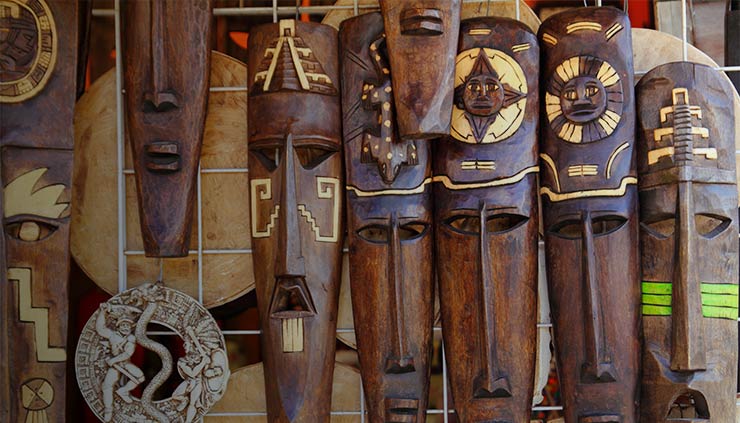
Masks and sculptures are among the most iconic forms of traditional African art.
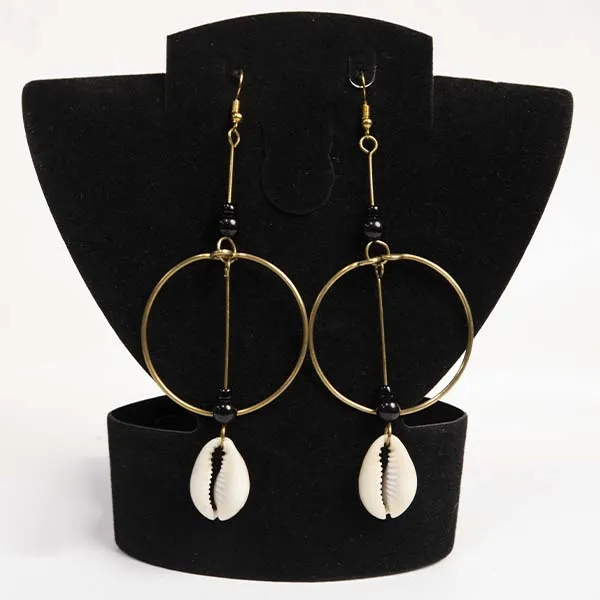
African masks, used in ceremonies and dances, embody ancestors, spirits, and deities, crafted with intricate details and adorned with beads, feathers, and shells, each carrying specific meaning.
Sculptures, made from wood, bronze, or ivory, depict humans, animals, or mythical beings, serving religious, social, and commemorative roles, reflecting African spirituality and cultural identity.
5. Textiles and Beadwork
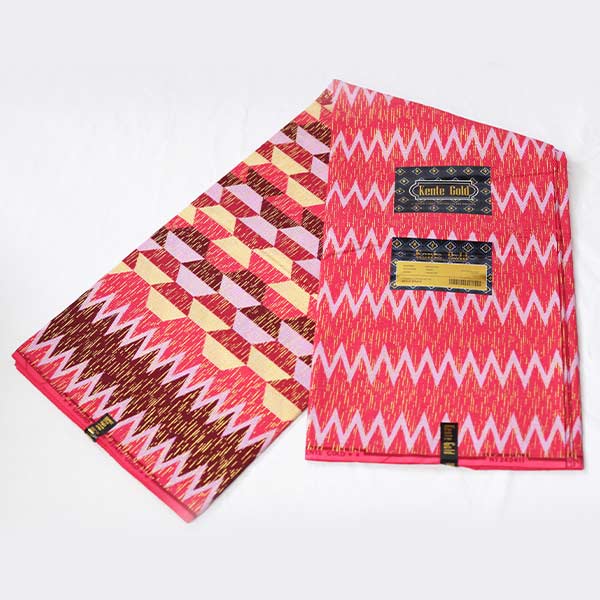
Vibrant Textiles & Meaningful Beadwork. Africa’s textile heritage shines through iconic fabrics like:
- Ghana’s Kente: Woven silk/cotton with symbolic patterns
- Mali’s Bogolanfini: Mud-dyed cotton telling visual stories
- South Africa’s Shweshwe: Indigo-printed fabric for ceremonies
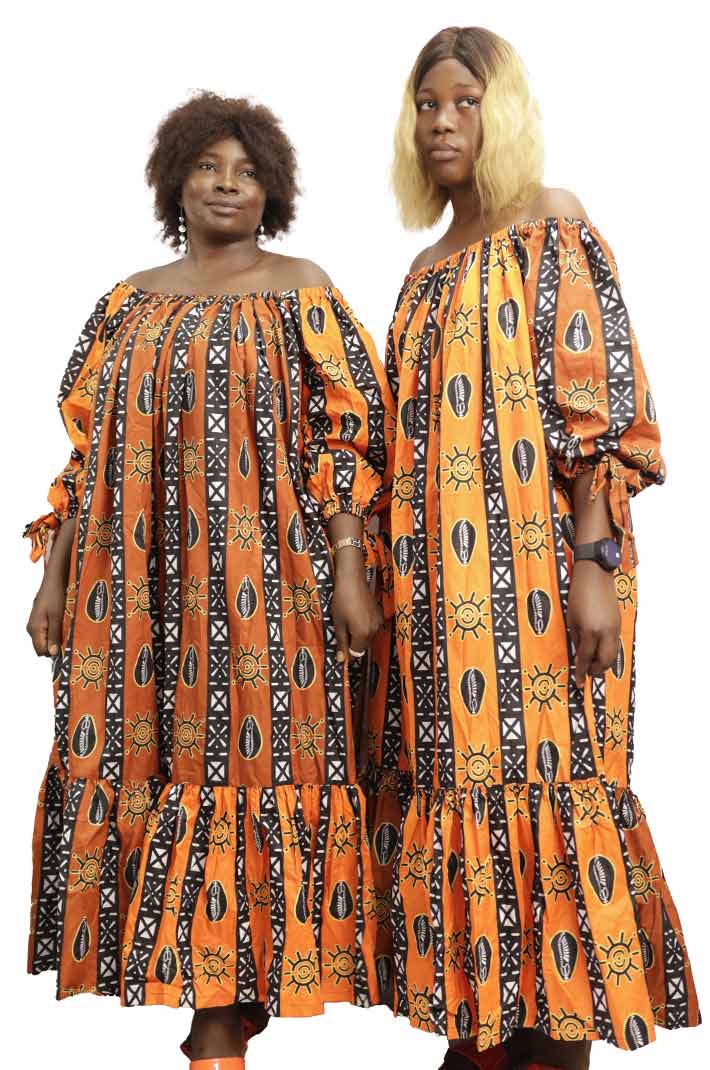
Each textile preserves unique dyeing/weaving techniques while conveying cultural narratives through clothing and decor.
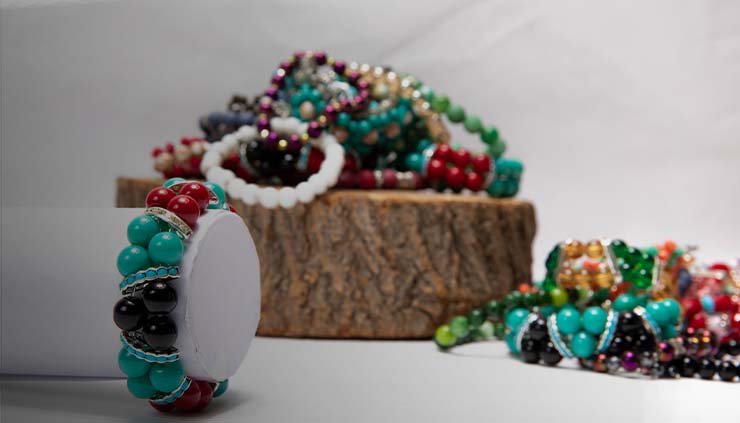
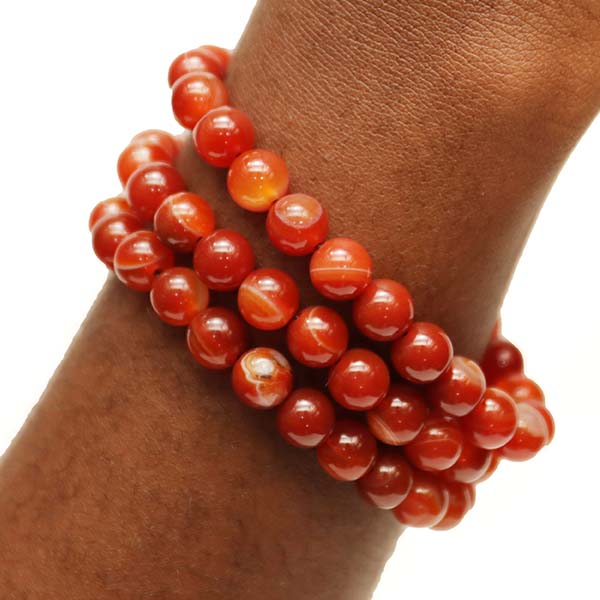
Beadwork carries equal cultural weight, particularly among:
- Zulu artisans: Color-coded jewelry representing social roles
These pieces transform adornment into wearable heritage, marking identity and status. - Maasai communities: Intricate bead collars denoting life stages
6. The Influence of African Art on Global Culture
African art’s bold shapes, abstract forms, and vibrant colors have profoundly shaped global culture, inspiring Western artists like Pablo Picasso during the early 20th-century Cubist movement.
Its influence persists, captivating contemporary artists worldwide and deepening appreciation for Africa’s artistic heritage.
BaobabMart facilitates this cultural exchange by offering a platform for African artisans to showcase their work to a global audience.
Contemporary Trends in African Art and Craft

1. Revival of Traditional Techniques
Contemporary African artists and artisans are reviving traditional techniques, blending them with modern influences to create unique and innovative works.
This revival is not only a means of preserving cultural heritage but also a way to adapt and innovate in a globalized world.
2. Modern Sculptures and Installations
Modern African sculptors are pushing the boundaries of traditional art by experimenting with new materials, forms, and concepts.
Artists like El Anatsui from Ghana use recycled materials to create large-scale installations that explore themes of history, identity, and environment.
These contemporary works maintain a connection to traditional art while addressing current global issues.
3. Textile Innovations
African textile artists are also innovating within their craft, creating contemporary designs that incorporate traditional weaving and dyeing techniques.
Designers are experimenting with eco-friendly materials and sustainable practices, aligning with global trends towards sustainability.
BaobabMart supports these artisans by offering a range of contemporary textiles that honor tradition while embracing modernity.
The Role of Technology in African Art

Technology is playing an increasingly significant role in the evolution of African art and craft.
Digital platforms, social media, and e-commerce have opened new avenues for artists to showcase and sell their work, reaching a broader audience.
1. Digital Art and NFTs
Digital art is emerging as a new frontier for African artists. With the rise of NFTs (non-fungible tokens), artists can create and sell digital artworks, gaining recognition and financial support.
This technological advancement provides a new medium for artistic expression and a novel way to preserve and share African cultural heritage.
2. Online Marketplaces and Virtual Exhibitions
Online marketplaces and virtual exhibitions have become essential for promoting African art and craft.
Platforms like BaobabMart enable artisans to reach international customers, expanding their market and increasing their income.
Virtual exhibitions allow artists to showcase their work to a global audience, fostering cross-cultural exchanges and appreciation for African art.
3. Sustainable and Ethical Practices
Sustainability and ethical practices are central to the contemporary African art and craft scene.
Artisans are increasingly adopting eco-friendly materials and methods, aligning with global movements towards sustainability.
Eco-Friendly Materials
African artisans are adopting sustainable materials like recycled metals, natural fibers, and organic dyes, reducing environmental impact while appealing to eco-conscious consumers.
BaobabMart supports these artisans, offering stunning, environmentally responsible products that align with our commitment to sustainability.
Fair Trade and Ethical Sourcing
Fairtrade and ethical sourcing are core to BaobabMart’s mission.
We ensure artisans are fairly paid and work safely, empowering local communities economically.
Ethical sourcing fosters transparency and accountability in our supply chain, reflecting our dedication to social responsibility.
BaobabMart’s Role in Promoting African Art and Craft
1. Supporting Artisans and Communities
BaobabMart is dedicated to supporting African artisans and their communities by providing a platform for their work.
We collaborate with artisans across the continent, ensuring that their craftsmanship is recognized and valued.
2. Empowering Artisans
We empower artisans by offering fair prices for their products and providing them with the resources and support needed to grow their businesses.
Through training programs, workshops, and access to markets, we help artisans enhance their skills and expand their reach.
This empowerment fosters sustainable economic development and preserves traditional crafts.
3. Community Development Projects
BaobabMart invests in community development projects that benefit artisans and their families.
These projects include education initiatives, healthcare programs, and infrastructure improvements.
By addressing the broader needs of the community, we contribute to the overall well-being and resilience of artisan communities.
4. Showcasing African Art Globally
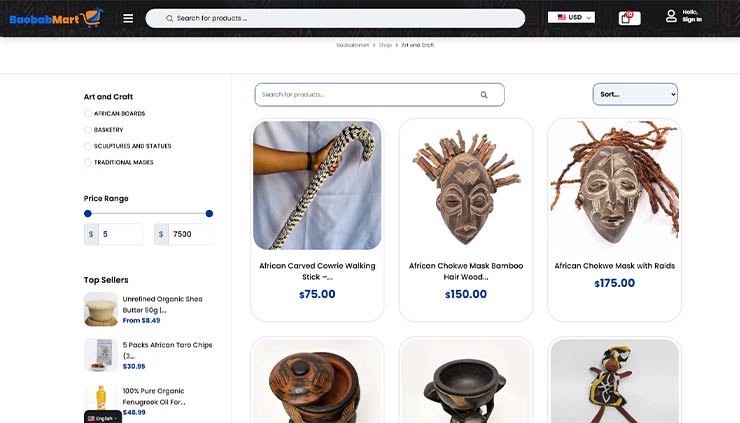
BaobabMart plays a crucial role in showcasing African art and craft to a global audience.
Through our online platform, we bring the beauty and diversity of African art to customers around the world.
5. Curated Collections
We offer curated collections that highlight the best of African art and craft, from traditional pieces to contemporary designs.
Our collections are carefully selected to ensure authenticity, quality, and cultural significance.
By curating these collections, we provide customers with unique and meaningful products that celebrate African heritage.
6. Cultural Exchange and Education
BaobabMart promotes cultural exchange and education by sharing the stories and traditions behind our products.
We provide detailed descriptions, artist profiles, and cultural insights, allowing customers to connect with the artisans and their work.
This educational approach fosters a deeper appreciation for African art and encourages cross-cultural understanding.
7. Future Goals and Aspirations
BaobabMart is committed to continuous growth and innovation in promoting African art and craft.
Our future goals include expanding our product range, enhancing our sustainability efforts, and increasing our impact on artisan communities.
8. Expanding Product Range
We aim to expand our product range to include more diverse and innovative artworks.
This includes exploring new art forms, collaborating with emerging artists, and incorporating contemporary trends.
By offering a wider variety of products, we cater to the evolving tastes and preferences of our customers.
9. Enhancing Sustainability Efforts
Sustainability remains a core focus for BaobabMart.
We will continue to enhance our sustainability efforts by sourcing eco-friendly materials, reducing our carbon footprint, and supporting artisans who prioritize environmental responsibility.
Our commitment to sustainability ensures that our products contribute to a healthier planet and a brighter future.
10. Increasing Impact on Artisan Communities
BaobabMart aspires to increase our impact on artisan communities by scaling our operations and reaching more artisans.
This includes expanding our training programs, investing in community development projects, and fostering long-term partnerships with artisans.
By amplifying our impact, we create greater opportunities for economic empowerment and cultural preservation.
Conclusion
African art and craft weave a vibrant tapestry of creativity, tradition, and innovation, captivating audiences from ancient roots to modern trends.
BaobabMart champions this legacy by promoting artisans and showcasing their work globally, guided by eco-friendly practices, fair trade, and ethical sourcing.
Through innovation and collaboration, we aim to amplify our impact in the dynamic world of African art.
Join us in celebrating its beauty, diversity, and cultural significance while supporting the skilled artisans behind these extraordinary creations.