













African Animal Shells Uses and Benefits: Traditional and Modern Insights
- Written by Léthicia Nyemeck
- Last Updated: 1 year ago

Africa’s vast landscapes and diverse ecosystems are home to a remarkable variety of wildlife, including a unique array of animals with shells. These fascinating creatures play essential roles in their environments and hold significant cultural importance. This comprehensive guide will explore the diverse species of African animals with shells, their ecological roles, cultural significance, and conservation efforts. Whether you’re a nature enthusiast, a student, or simply curious about the natural world, this guide will give you a deep understanding of African Animal Shells Uses and Benefits. Find African Animal Shells at BaobabMart and explore their traditional uses.
Table of contents African Animal Shells Uses and Benefits
Types of African Animals with Shells
Terrestrial Animals with Shells
Tortoise
Tortoises are among the most well-known terrestrial animals with shells in Africa. These reptiles are characterized by their domed shells and slow movements.
- African Spurred Tortoise: Also known as the Sulcata tortoise, it is one of the largest tortoise species in the world. Native to the Sahara Desert, this tortoise is well-adapted to arid environments and can live for over 70 years. The Sulcata’s impressive size and resilience symbolize endurance and strength in many African cultures.
- Leopard Tortoise: Found in various parts of sub-Saharan Africa, the Leopard tortoise is named for the distinctive spotted pattern on its shell. It inhabits savannas, grasslands, and semi-desert areas. This species is known for its adaptability to different environments and its ability to survive on a diet of tough, fibrous plants.
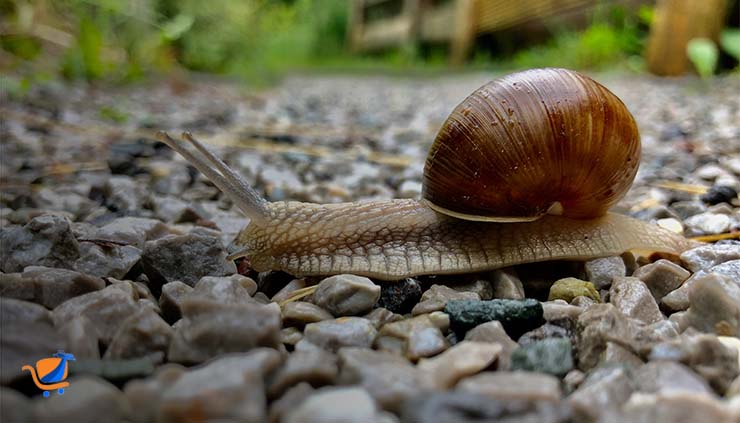
Snails
While snails are not as prominent as tortoises, they play a vital role in terrestrial ecosystems.
Giant African Land Snail: This snail is not only one of the largest but also one of the most widely recognized in Africa. It thrives in moist, tropical environments and is an important decomposer, breaking down organic matter and recycling nutrients back into the soil. In many African cultures, this snail is also seen as a symbol of persistence and determination due to its slow yet steady movement.
Aquatic Animals with Shells
Turtles
Turtles are another prominent group of animals with shells, adapted to both freshwater and marine environments.
- African Side Neck Turtle: This freshwater turtle is common in rivers and lakes across Africa. It gets its name from the way it tucks its head sideways into its shell. The African Side neck Turtle is an important part of freshwater ecosystems, helping to control insect populations and maintain the health of aquatic plants.
- Leatherback Sea Turtle: The largest of all sea turtles, the Leatherback is a migratory species that can be found along the coasts of Africa. Unlike other turtles, it has a leathery shell rather than a hard one. The Leatherback plays a critical role in marine ecosystems by helping to maintain the health of seagrass beds and coral reefs.
Marine Animals with Shells
Mollusks
Mollusks, including snails and bivalves, are a diverse group of marine animals with shells.
African Oysters: Found along the coastlines, African oysters are important both ecologically and economically. They filter water and provide habitat for other marine life. Oysters are also a valuable food source for many coastal communities, contributing to local economies and culinary traditions.
Ecological Roles of Animals with Shells
Ecosystem Engineers
Animals with shells often serve as ecosystem engineers, modifying their environments in ways that benefit other species.
- Tortoises: By burrowing and grazing, tortoises help maintain the health of their habitats, promoting plant diversity and soil aeration. Their burrows also provide shelter for other animals, contributing to the overall biodiversity of their ecosystems.
- Oysters: Oysters create reefs that provide shelter and breeding grounds for various marine organisms, contributing to the biodiversity of coastal ecosystems. These reefs also help protect shorelines from erosion and improve water quality by filtering out pollutants.
Indicators of Environmental Health
The presence and health of animals with shells can indicate the overall health of their ecosystems.
- Turtles: Turtles are sensitive to changes in their environment, such as pollution and habitat destruction. Their populations can serve as indicators of ecosystem health. Declines in turtle populations often signal broader environmental issues that need to be addressed.
- Snails: Snails play a crucial role in nutrient cycling and soil health. Changes in snail populations can reflect changes in environmental conditions, such as soil quality and moisture levels. Healthy snail populations are a sign of a well-functioning ecosystem.
Cultural Significance of African Animals with Shells
Symbolism and Mythology
Animals with shells hold a significant place in African folklore and mythology.
- Tortoises in Folklore: Tortoises are often depicted as wise and cunning creatures in African folklore. Stories of their cleverness and perseverance are common across various cultures. For example, the tortoise is a central figure in many West African tales, where it is often portrayed as outsmarting larger, stronger animals.
- Snail Symbolism: In many African cultures, snails symbolize patience and resilience due to their slow and steady movement. They are often associated with the idea that slow and steady wins the race, and are used in proverbs and teachings to convey important life lessons.
Traditional Uses and Benefits
Animals with shells have been utilized in traditional African practices for centuries.
- Medicinal Uses: Tortoise shells and snail mucus are used in traditional medicine for their believed healing properties. Tortoise shells are sometimes ground into powder and used in remedies for ailments such as arthritis and respiratory issues. Snail mucus is believed to have skin-healing properties and is used in treatments for wounds and skin conditions.
- Culinary Delicacies: Giant African land snails are considered a delicacy in many regions and are an important source of protein. They are often prepared in various ways, such as grilled, fried, or stewed, and are enjoyed as part of traditional feasts and celebrations.
Conservation Efforts for African Animals with Shells
Threats to Animals with Shells
Despite their importance, many animals with shells face significant threats.
- Habitat Loss: Urbanization, agriculture, and deforestation are leading to the loss of habitats for many species of tortoises, turtles, and snails. As natural habitats are converted for human use, these animals lose the environments they need to survive and thrive.
- Pollution: Pollution, particularly in marine environments, poses a severe threat to turtles and mollusks. Plastic waste, oil spills, and chemical contaminants can be fatal to these animals. For example, sea turtles often mistake plastic bags for jellyfish, leading to ingestion and often fatal blockages.
- Overharvesting: Overharvesting of snails and oysters for food and traditional medicine has led to declines in their populations. Unsustainable harvesting practices can deplete populations faster than they can reproduce, leading to long-term declines and potential extinction.
Conservation Initiatives
Various conservation initiatives are in place to protect and preserve African animals with shells.
- Protected Areas: Establishing protected areas, such as national parks and marine reserves; helps safeguard habitats and provide safe havens for these species. Protected areas restrict human activities that can harm wildlife and their habitats, allowing populations to recover and thrive.
- Breeding Programs: Captive breeding programs for endangered species, such as the African spurred tortoise, aim to boost populations and reintroduce individuals into the wild. These programs also provide valuable research opportunities to learn more about the biology and behavior of these species.
- Public Awareness and Education: Raising public awareness about the importance of animals with shells and the threats they face is crucial for conservation efforts. Educational programs and campaigns can foster a greater appreciation for these creatures and encourage sustainable practices.
Case Studies: Successful Conservation Stories
The Aldabra Giant Tortoise
The Aldabra giant tortoise, native to the Aldabra Atoll in the Seychelles, is a conservation success story.
- Habitat Protection: The Aldabra Atoll has been designated a UNESCO World Heritage Site, providing strict protection for the tortoise’s habitat. This designation helps ensure that the unique ecosystem of the atoll is preserved for future generations.
- Population Recovery: Thanks to conservation efforts, the population of Aldabra giant tortoises has recovered, making it one of the largest populations of giant tortoises in the world. This success demonstrates the effectiveness of habitat protection and dedicated conservation programs.
The Olive Ridley Sea Turtle
The Olive Ridley sea turtle, found along the African coast, has benefited from conservation programs.
- Nest Protection: Community-based initiatives to protect nesting sites have significantly improved hatchling survival rates. Local communities play a crucial role in these efforts, monitoring nests and ensuring that hatchlings reach the sea safely.
- International Collaboration: Cross-border conservation efforts have been crucial in addressing the threats faced by migratory sea turtles. International cooperation helps ensure that conservation measures are effective across the turtles’ entire migratory range.
The Role of BaobabMart in Promoting Awareness and Conservation
Ethical Sourcing and Fair Trade Practices
At BaobabMart, we are committed to ethical sourcing and fair trade practices, ensuring that our products do not contribute to the exploitation of endangered species.
- Sustainable Products: We offer products that are sustainably sourced, ensuring that our supply chains do not harm wildlife or their habitats. By choosing sustainable products, consumers can support conservation efforts and reduce their environmental impact.
- Supporting Local Communities: By partnering with local artisans and communities, we promote sustainable livelihoods that do not rely on overharvesting wildlife. This approach helps create economic opportunities that are compatible with conservation goals.
Educational Initiatives
BaobabMart is dedicated to raising awareness about the importance of conservation and the protection of African animals with shells.
- Educational Content: Through our blog and social media platforms, we share informative content about the ecological roles and conservation needs of these animals. We aim to educate our audience about the importance of preserving biodiversity and the steps they can take to contribute to conservation efforts.
- Community Engagement: We engage with local communities to promote conservation practices and support grassroots initiatives. By working closely with communities, we help ensure that conservation efforts are locally relevant and effective.
Conclusion: African Animal Shells Uses and Benefits
African animals with shells are a fascinating and vital part of the continent’s biodiversity. From the majestic tortoises of the Sahara to the resilient oysters of the coast, these creatures play crucial roles in their ecosystems and hold significant cultural importance. However, they face numerous threats that require concerted conservation efforts.
At BaobabMart, we are passionate about promoting the conservation of African wildlife through ethical practices and educational initiatives. By exploring and understanding the world of African animals with shells, we can all contribute to their preservation and ensure that future generations continue to benefit from their presence in our ecosystems and cultures.
Through sustainable sourcing, community engagement, and public education, we strive to make a positive impact on the conservation of these remarkable creatures. By supporting conservation efforts and making informed choices, we can help protect Africa’s unique and diverse wildlife for years to come.