





Traditional African style today blends cultural heritage with modern fashion. You’ll see it in fabrics like Ankara, Kente, and Aso-oke, shaped into outfits you can wear casually or formally.
If you want authentic pieces made in Africa by African designers, platforms like BaobabMart give you a wider, more reliable starting point.
If you’re new to this, the real question is not what to wear first. It’s how to wear it in a way that feels natural.
Most Beginners Feel This (Even If They Don’t Say It)
You like the look.
You’ve seen it done well.
But when it’s your turn, it feels uncertain.
Too bold, and it looks forced.
Too simple, and it loses the essence.
That hesitation is normal. African style carries identity, culture, and a strong visual presence. You’re not just picking an outfit. You’re stepping into something that already has meaning.
The goal is not to get everything right on day one. It’s to understand what you’re wearing and build from there.
What Traditional African Style Really Means Today
Traditional African style today goes beyond wearing garments exactly as they were centuries ago. It focuses on understanding where those garments come from and wearing them in a way that fits modern life.
Across the continent, clothing has always been tied to identity. What you wear can signal your region, your status, your occasion, or even your values. That hasn’t changed. What has changed is how those elements are expressed.
Today, you’ll see:
- Ankara used for tailored shirts, co-ords, and everyday dresses
- Aso-oke reworked into cleaner, structured outfits for weddings and formal events
- Agbada worn with slimmer cuts or styled with modern footwear
- Adire fabrics shaped into minimalist, contemporary silhouettes
The result is a balance. The meaning stays rooted in tradition, while the expression adapts to how people dress today.
For a beginner, this matters because you’re learning how to carry the essence of African style in a way that fits your environment.
You’re not trying to copy a cultural look exactly as it was worn. You’re learning how to carry its essence in a way that feels natural in your own environment.
Start With Fabrics, Not Outfits
If you understand the fabric, you understand the style.
Ankara (Your Easiest Starting Point)
Ankara is bold, colourful, and versatile. It works in almost any setting, from casual outfits to more polished looks.
It’s where most beginners start because it’s flexible. You can wear it without needing to fully commit to a traditional silhouette.
Get African quality Ancara now!
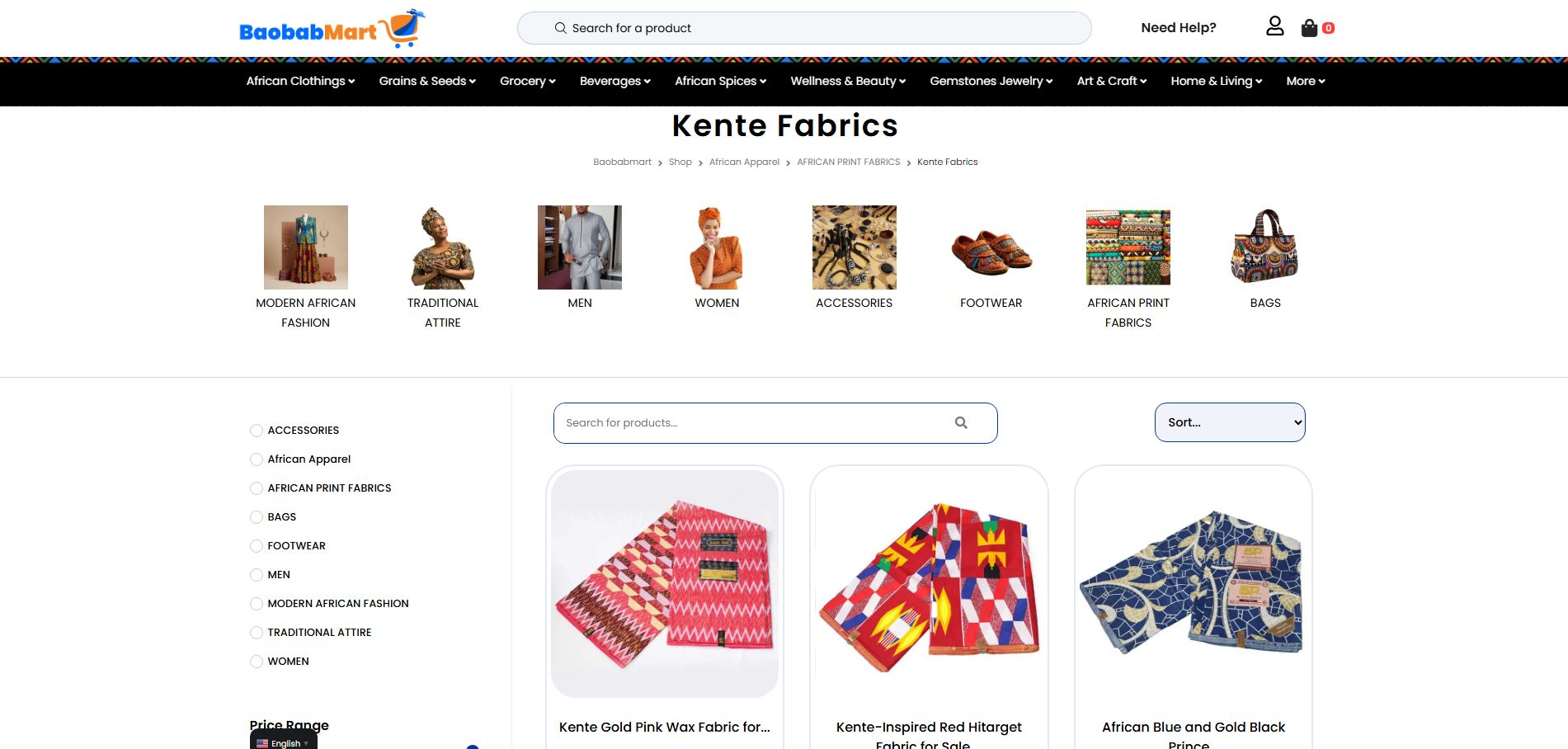
Kente (Statement and Occasion)
Kente carries meaning. It’s woven, symbolic, and traditionally linked to status and celebration.
You don’t wear Kente casually without intention. It’s better used in:
- formal outfits
- cultural events
- statement pieces
Aso-oke (Structured and Premium)
Aso-oke has weight and presence. It’s used for:
- weddings
- agbada
- ceremonial outfits
This is not everyday wear. It’s for moments that require presence.
Adire (Subtle and Artistic)
Adire is quieter but rich in detail. It works well in modern styling because it blends easily with neutral pieces.
Toghu and Ndop (Strong Cultural Identity)
These are rooted in Central African tradition. They carry a strong identity and are best worn when you understand their context or want to express heritage clearly.
Browse quality African fabrics for sale
How to Wear Traditional African Style in Real Life
This is where most people get it wrong. They try to wear everything at once.
You don’t need to.
Everyday Style
Start simple.
An Ankara shirt with plain trousers.
A patterned skirt with a neutral top.
Let one piece speak. Keep everything else calm.
Smart Casual
This is where African style really shines.
A well-fitted Ankara blazer.
A matching two-piece set.
You look intentional without trying too hard.
Formal and Events
Here, you can go deeper.
Agbada, boubou, or structured dresses in Aso-oke or Kente work well. The key is fit.
Even traditional pieces should sit properly on your body. That’s what makes them feel modern.
Cultural and Ceremonial
This is where tradition comes first.
Respect the meaning behind the clothing. Understand the occasion. This is not the place to experiment randomly.
The One Rule That Changes Everything
Don’t try to look “African.”
Focus on looking well-dressed.
African style is strongest when it feels natural, not performed.
That means:
- good fit
- balanced colours
- intentional pieces
Once that is right, the fabric carries the rest.
How to Avoid Low-Quality or Copycat Pieces
This is one of the most important parts of the process, especially for beginners.
Many pieces labelled as “African style” are produced far from the cultures they represent. They may use similar patterns, while the quality, fabric, and construction differ.
The difference becomes clear when you pay attention to a few details.
Start with the fabric. Authentic Ankara is usually cotton and holds its structure. Lower-quality versions often feel thinner or overly synthetic. Woven fabrics like Kente or Aso-oke carry weight and texture that reflect their craftsmanship.
Next is stitching. Clean, consistent stitching reflects care in production. It gives the garment a finished, reliable feel.
Then comes origin. A reliable seller explains where the piece comes from or where it was made. That clarity builds trust.
Finally, look at how the piece is presented. Sellers who understand their products often share details about the style, the fabric, and how it’s meant to be worn. That context adds confidence to your choice.to believe it.
Where BaobabMart Comes In Naturally
As you begin paying attention to fabric, fit, and origin, your buying process becomes more intentional.
You start looking for pieces that feel grounded in craftsmanship and culture.
This is where BaobabMart becomes useful in a practical way.
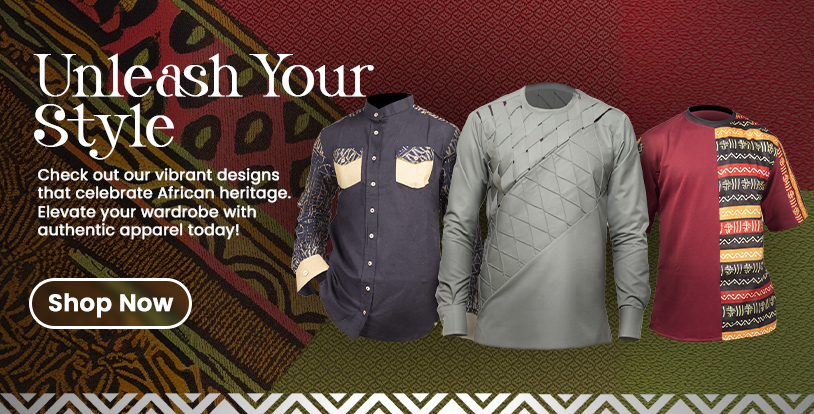
You can explore different types of African clothing in one place, including traditional garments, modern interpretations, fabrics for tailoring, and accessories that complete a look.
For a beginner, this creates space to learn. You can compare styles, understand what suits you, and build your wardrobe step by step.
Over time, this kind of exploration helps you shape your own style within African fashion.g.
How to Choose Your First Real Outfit
Choosing your first outfit is where everything comes together.
Start with one piece that naturally draws your attention. It could be a shirt, a dress, or even a fabric you want tailored.
Build around that piece with simplicity. Keep the rest of the outfit clean, so the focus remains clear. Neutral trousers, well-chosen footwear, or minimal accessories are often enough.
Pay close attention to fit. A well-fitted piece brings everything together and makes the look feel complete.
Then wear it more than once.
With each wear, you become more comfortable, more aware of how it feels, and more confident in your choices. That’s how your style develops naturally.
What Happens When You Get It Right
You stop questioning the outfit.
You wear it, and it feels like part of you.
The fabric sits right.
The fit makes sense.
The look doesn’t feel forced.
That’s when African style stops being something you’re trying and becomes something you actually own.