



Chebe powder has been part of hair care in Chad for generations. The Basara Arab women there are known for hair that grows down to the waist, and chebe is the ingredient they credit for it. But chebe powder on its own is just a dry, gritty herbal blend.
It doesn’t moisturize, it doesn’t spread, and it won’t do much for your hair sitting in a jar. The part that actually matters, and the part most people get wrong, is what you mix it with.
Quick answer:
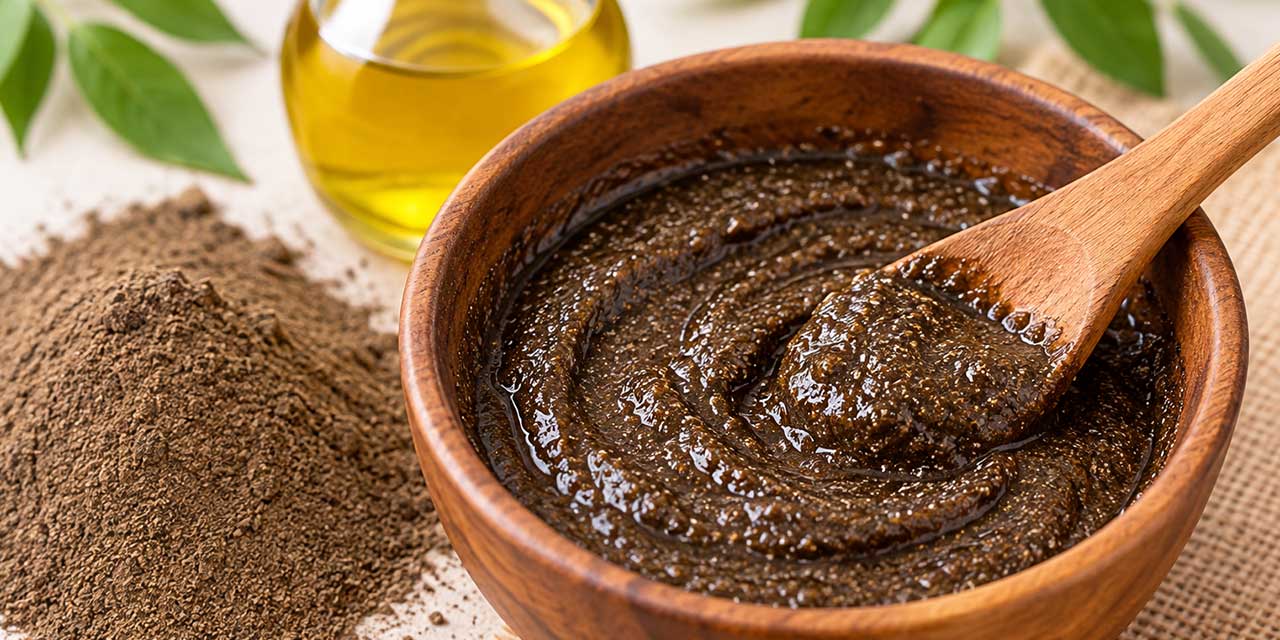
To mix chebe powder with oil, combine 2–3 tablespoons of chebe powder with 2–4 tablespoons of a carrier oil (coconut, olive, or castor are the most popular) until it forms a thick, spreadable paste.
Apply it to clean, damp hair from mid-length to ends, not the scalp, then braid or twist your hair and leave the mix in for a few hours or overnight before rinsing.
Below is the full breakdown: why chebe needs oil in the first place, exactly how to mix it (with real ratios, not guesswork), which oils work best for which hair goals, and the mistakes that quietly ruin most people’s results.
Jump to Section
What Is Chebe Powder, and Why Does It Need Oil?
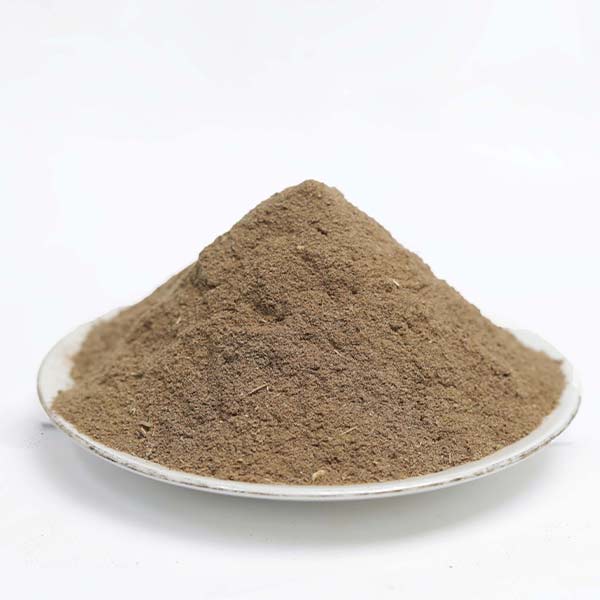
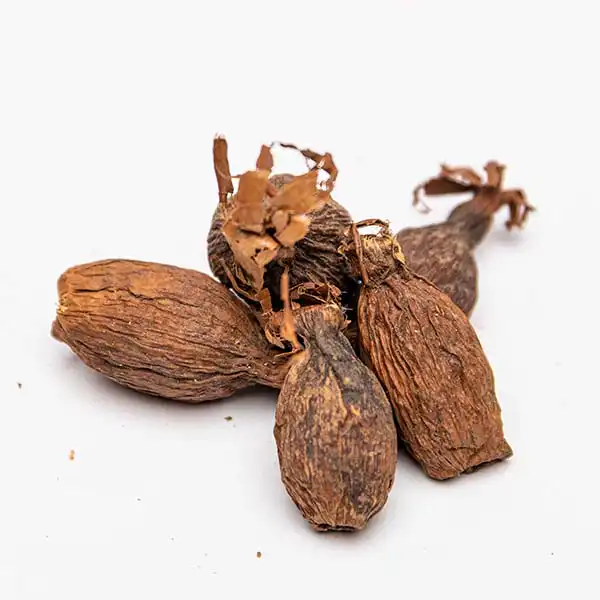
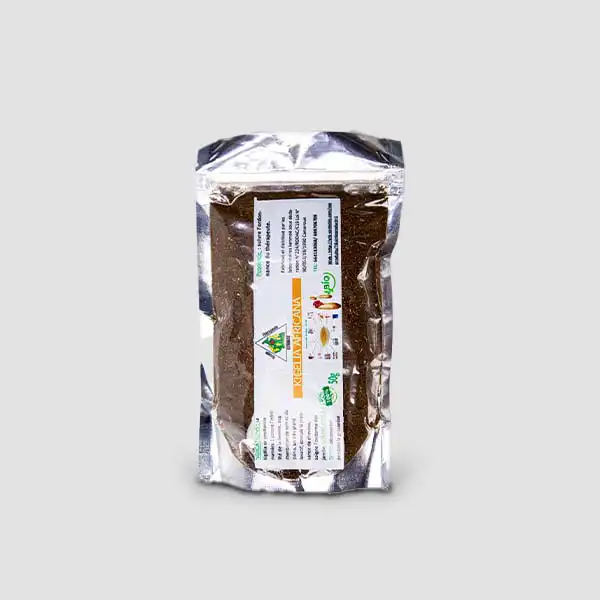
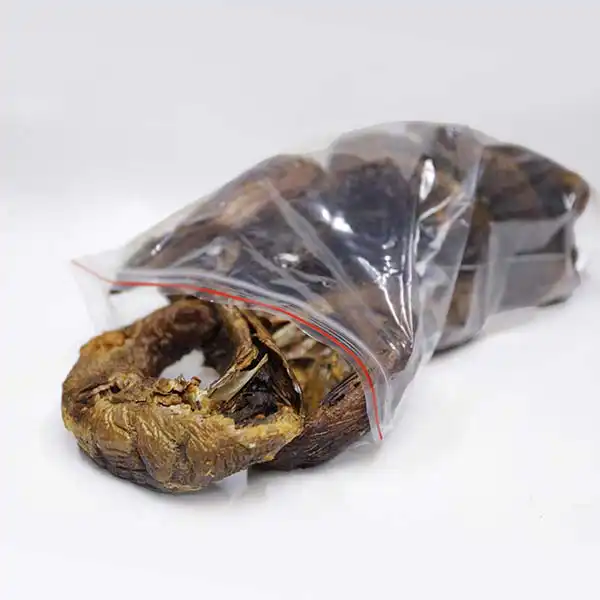
Chebe powder is made from ground croton lavender seeds, usually blended with a few other traditional ingredients like cloves and resin.
It’s prized for two things: helping hair retain length by reducing breakage, and coating the hair shaft to lock in moisture.
What it can’t do is deliver either of those benefits by itself! It needs a fatty, spreadable base to carry it onto the hair and hold it there.
This is really just an application of a principle that shows up across natural hair care: water or a water-based product hydrates the hair, and an oil layer on top seals that moisture in so it doesn’t evaporate straight back out.
It’s the same logic behind the LOC (liquid-oil-cream) method that a lot of curl and coil specialists recommend. Chebe powder is the “active” ingredient; the oil is what turns it into something you can actually use.
Worth being upfront about: there isn’t a large body of clinical research specifically testing chebe powder on hair growth.
What’s well documented is generational, anecdotal use, and the fact that the ingredients and mixing method line up with hair science that is well established: moisture retention and breakage reduction, which is what allows length that’s already there to be retained rather than trimmed away.
That’s a meaningfully different (and more honest) claim than “grows hair faster,” and it’s still a good reason to use it consistently.
How to Mix Chebe Powder With Oil (Two Reliable Methods)
There are two ways to go about this, depending on whether you want something ready in five minutes or something you can batch-make and store.
Method 1: The Quick Paste Mix
This is the one most people start with. It’s fast, it doesn’t require any equipment, and you can adjust it on the fly.
| Hair length / density | Chebe powder | Carrier oil | Result |
|---|---|---|---|
| Short to shoulder-length, fine | 2 tbsp | 2–3 tbsp | Loose, easy-to-spread paste |
| Shoulder to bra-strap length | 3 tbsp | 3–4 tbsp | Medium, workable paste |
| Bra-strap length or longer, thick | 4–5 tbsp | 4–6 tbsp | Thicker paste with extra oil for full coverage |
- Add the chebe powder to a small bowl.
- Pour in the oil gradually, stirring as you go.
- Keep adjusting until you get a thick but spreadable paste; add more oil if it’s too dry and crumbly, more powder if it’s too runny to hold on the hair.
Method 2: The Infused Oil (Make-Ahead Option)
If you’d rather not mix a fresh batch every time, you can infuse the oil itself:
- Combine your chebe powder and oil of choice in a heatproof container set over a double boiler (or a bowl over a pot of simmering water).
- Let it gently heat for about an hour, stirring occasionally; don’t let it boil.
- Strain out the solids through a fine sieve or cheesecloth.
- Store the strained, chebe-infused oil in a sealed jar. It applies more like a regular hair oil and is far less messy than the paste.
A note on safety: Chebe powder is coarse and can feel abrasive directly on the scalp, and a small number of people find it irritating.
Patch-test any new mix on a small section of skin or hair first, and if you have a sensitive scalp, keep the mix on your strands rather than your roots.
Chebe Powder and Castor Oil: The Go-To Growth Combo
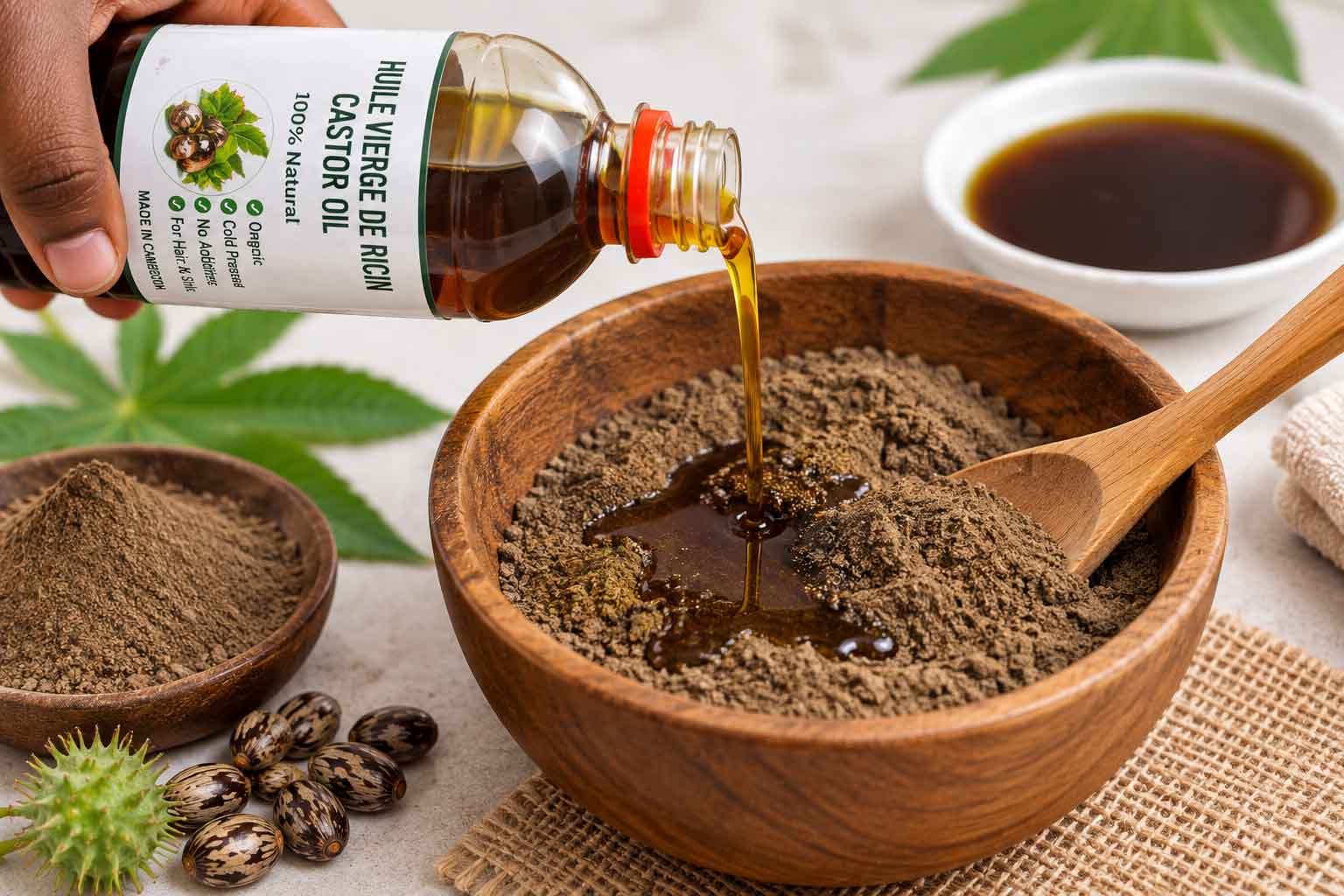
If length retention is the goal, chebe powder and castor oil is the pairing most people reach for.
Castor oil is thick and rich in ricinoleic acid, and it’s commonly used on ends and edges specifically because it’s occlusive; it sits on the hair and seals moisture in exceptionally well.
The trade-off is texture: castor oil on its own is too sticky and heavy to mix cleanly with chebe powder.
The fix is to cut it with a lighter oil first. A common ratio is 2 parts coconut or olive oil to 1 part castor oil, blended together before you fold in the chebe powder.
That gives you the sealing benefits of castor oil without ending up with a paste that’s impossible to rinse out.
Other Oils That Work Well With Chebe Powder
Castor oil isn’t the only option, and which oil you reach for should really depend on what your hair needs that week.
Coconut Oil
Coconut oil is one of the few oils that can actually penetrate the hair shaft rather than just sitting on the surface, which is why it’s such a common base for chebe mixes. It helps reduce the amount of moisture (and protein) hair loses during washing.
Olive Oil
Extra virgin olive oil is a good pick when hair feels rough, tangled, or is recovering from a protective style. It smooths the cuticle and makes detangling noticeably easier.
Shea Butter
Unrefined shea butter is solid at room temperature, so melt it first before blending it in. It’s the heaviest option here, best saved for when hair needs serious, multi-day moisture sealing.
Avocado Oil
Avocado oil is lighter than shea but still deeply moisturizing, a solid choice for hair that’s on the drier side but doesn’t need the heaviest treatment.
Sweet Almond Oil
Sweet almond oil is one of the lightest carrier oils on this list, which makes it a good entry point if you’re new to chebe and don’t want a heavy first mix.
Optional add-in:
A few drops of an essential oil like rosemary or peppermint are sometimes added for scalp sensation or scent. Rosemary in particular gets mentioned a lot in natural hair circles, though the evidence for it specifically boosting growth is still thin.
If you add one, always dilute it into the carrier oil first and patch-test, since essential oils can irritate skin at full strength.
Chebe Oil: The Ready-Made Shortcut

If mixing your own paste isn’t something you want to add to your routine, a pre-made chebe oil does the same basic job with none of the measuring.
Yoti’s Chebe Oil is a lighter, everyday option made with chebe powder and avocado oil — good for regular use between deeper treatments.
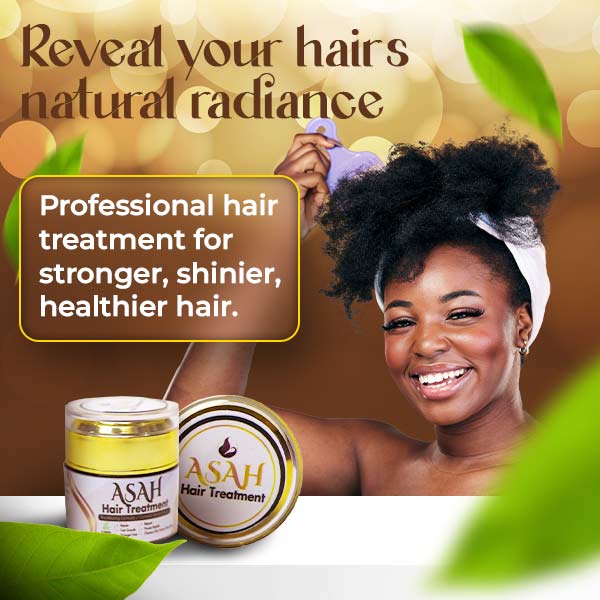
For something richer, the Chebe Hair Growth Oil from Asah blends chebe with vitamin E and essential oils and works well as a heavier, once- or twice-weekly treatment.
Either is a reasonable starting point if you want to see how your hair responds to chebe before committing to buying chebe powder and building your own mix from scratch.
Step-by-Step Application Guide
- Start with clean, damp hair. If it’s already dry, mist it lightly with water first; detangling is easier on damp hair.
- Section your hair into 4–8 parts and clip each one up as you go.
- Apply from mid-length to ends, working one section at a time. Skip the scalp; Chebe’s texture can be gritty enough to clog pores, and it isn’t necessary for the treatment to work.
- Braid or twist each section once it’s coated to keep the mix in place and protect your hair while it works.
- Let it sit. A few hours is enough for most people; some leave it in overnight or for a few days under a scarf or bonnet if they’re already wearing twists. Cover your pillow; chebe can stain fabric.
- Rinse thoroughly, usually with two rounds of shampoo to fully clear the residue, followed by a deep conditioner or leave-in. Lukewarm water is the better choice here: it opens the cuticle enough for shampoo to clear out buildup without stripping the scalp the way hot water can.
How Often Should You Use Chebe Powder for Hair Growth?

Once a week is the sweet spot for most people. Using it more often than that tends to cause product buildup rather than faster results, especially if you’re not clarifying regularly.
If you’re new to chebe, start every 10–14 days and see how your hair responds before increasing frequency.
Common Mistakes to Avoid
- Making the paste too thick. A mix that’s more clay than paste is hard to apply evenly and even harder to rinse out.
- Applying it directly to the scalp. It’s not needed there, and it’s more likely to cause irritation on the skin than on the hair shaft.
- Using the wrong oil for your hair’s needs. A heavy oil like shea butter on already well-moisturized hair can just sit on top and weigh it down; a light oil like almond on very dry hair may not seal enough.
- Skipping the patch test. This matters more with chebe than with most oils, since the powder itself can be irritating for some scalps.
- Expecting overnight results. Length retention from reduced breakage shows up over weeks and months of consistent use, not after one treatment.
Frequently Asked Questions
What is chebe powder made of?
Traditionally, it’s ground croton lavender (Croton zambesicus) seeds, often combined with other ingredients like cloves, resin, and aromatic seeds, depending on the exact blend.
Can I apply chebe powder directly to my scalp?
It’s not recommended. The texture is coarse enough to feel abrasive on skin and can clog pores; keep it on the hair strands, from mid-length to ends.
Does chebe powder actually grow hair, or does it just prevent breakage?
The stronger, better-supported claim is breakage prevention and moisture retention — which allows the length you already have to stick around instead of snapping off. There isn’t solid clinical research showing it accelerates new hair growth, despite how it’s often marketed.
How long should I leave a chebe powder and oil mix in my hair?
A few hours is enough for most people. Overnight or multi-day wear (typically under twists or a scarf) is fine too, as long as your scalp isn’t irritated by it.
How often should I use chebe powder?
About once a week for most hair types. More frequent use tends to cause buildup rather than better results.
Can I mix chebe powder with any oil?
Any liquid carrier oil will technically work, but lighter oils (almond, avocado, olive) suit fine or already-moisturized hair, while heavier oils (castor, shea butter) suit thicker or drier hair that needs more sealing.
Does chebe powder expire?
Yes — like any dried herbal powder, it can lose potency and pick up moisture over time. Store it in an airtight container away from heat and light, and use it within the timeframe on the packaging.
Chebe powder does the heavy lifting, but the oil you mix it with is what actually determines how your hair feels afterward.
Start simple: chebe powder and one oil, like coconut, before layering in castor oil or shea butter once you know how your hair responds.
Consistency matters more than complexity here: a plain mix used weekly will outperform an elaborate one used occasionally.
You can find everything mentioned in this guide — chebe powder, chebe seeds, carrier oils, and ready-made chebe oil — over in our wellness and beauty collection.