







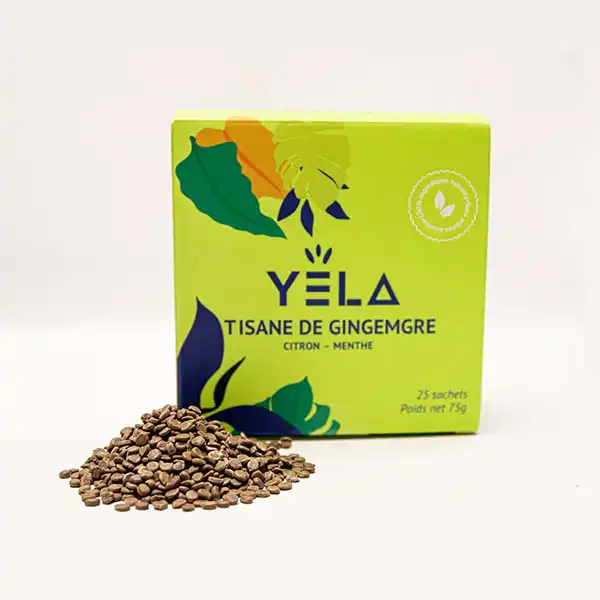
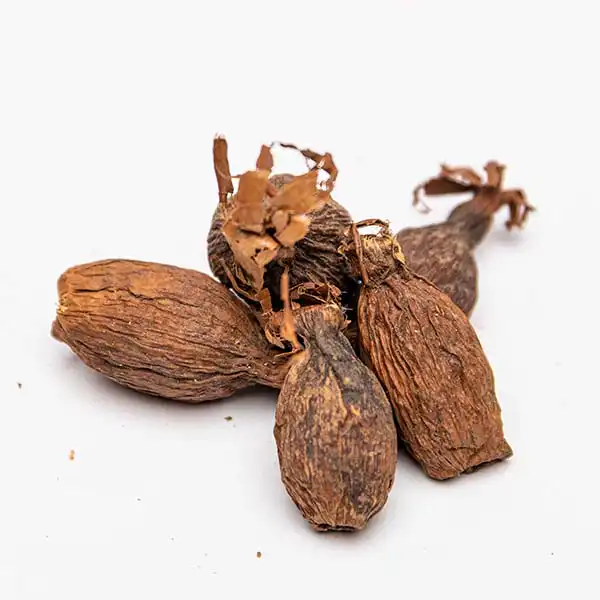







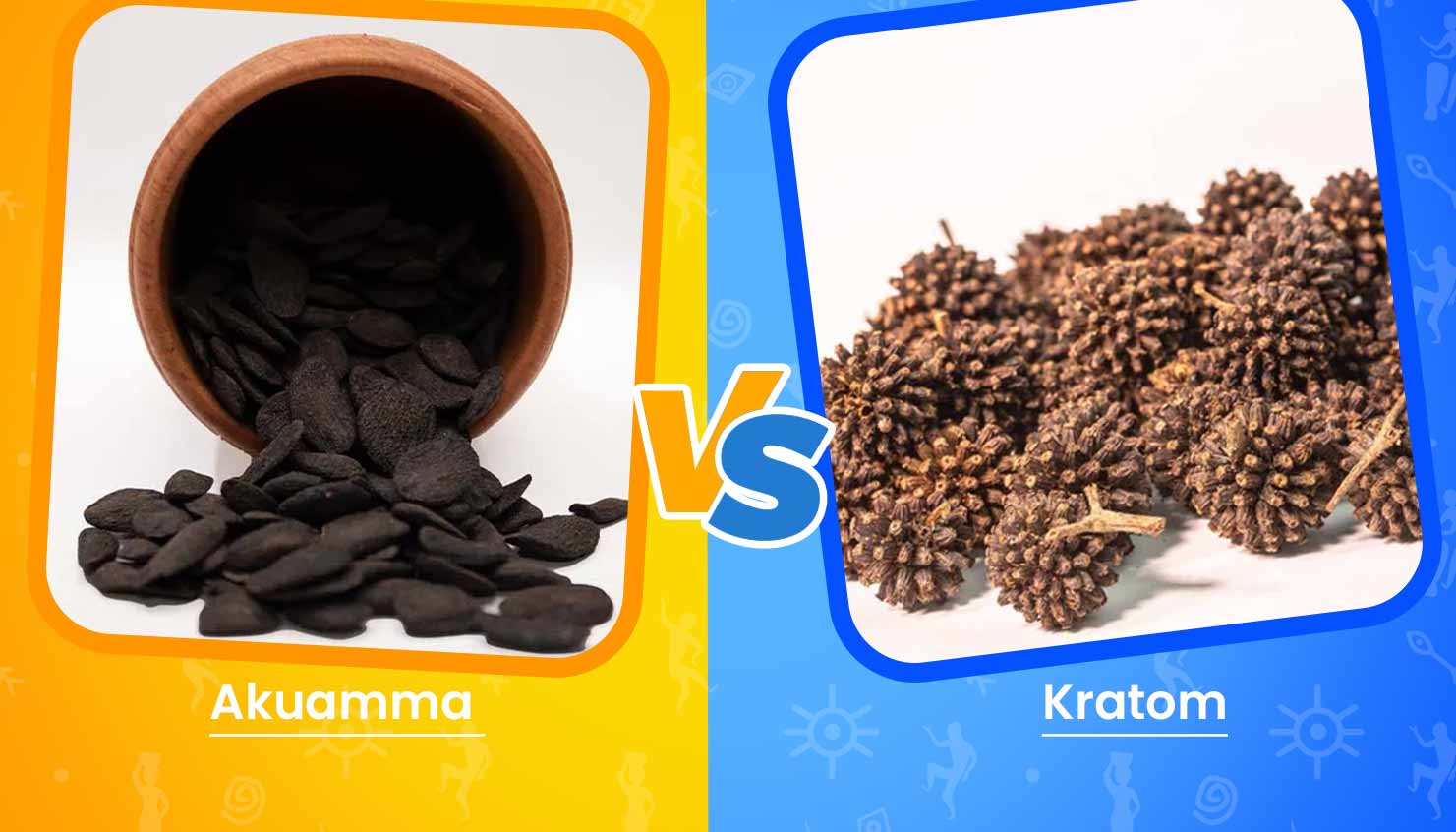
As demand for natural pain relief grows, two plants stand out: Akuamma seeds and Kratom.
Both plants have centuries of traditional use but differ in their potency, legality, and effects.
If you are looking for alternatives to pharmaceutical products, this guide presents their main differences and helps you choose Akuamma vs Kratom the one that best suits your needs.
Jump to Section
What is kratom?
Kratom (Mitragyna speciosa) is a tropical tree native to Southeast Asia. Its leaves are used to boost energy, relieve pain, and improve mood.
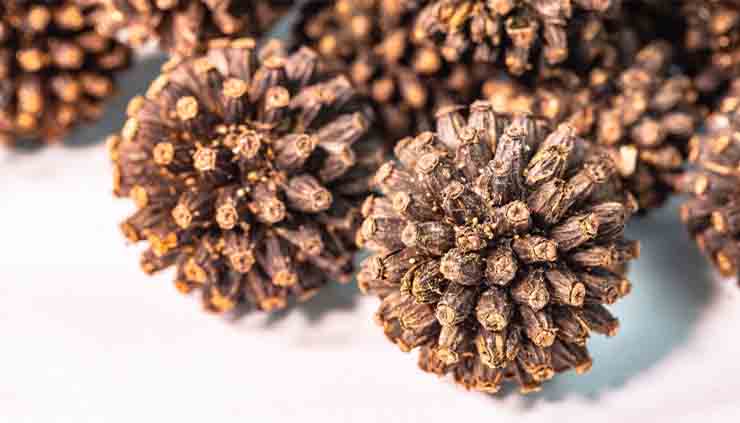
Kratom is available in various forms, including powder, capsules, extracts, and tea. Its active ingredients, mitragynine and 7-α-hydroxy mitragynine, interact with opioid receptors, offering pain relief at different doses. While it remains legal in most U.S.
states, it’s important to check local regulations before use.
In terms of safety, low doses are generally well tolerated, but higher doses may lead to side effects such as nausea or dizziness.
The effects of kratom also vary depending on the amount taken, lower doses tend to provide energy and improved concentration, while higher doses are associated with pain relief and relaxation.
What is Akuamma?
Akuamma / Kenkeliba seeds (Picralima nitida) come from a West African tree traditionally used to treat pain, fever, and malaria.

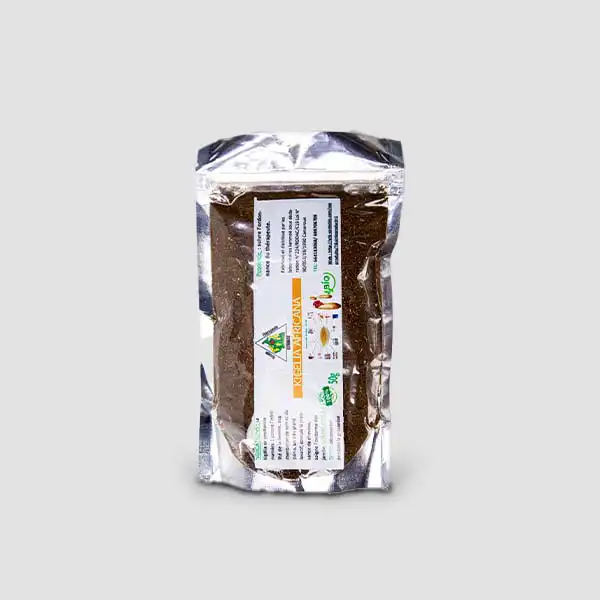
Akuamma seeds are generally available in seed, powder, or capsule form, although their bitter taste can be unpleasant for some users.
Its active compounds, notably alkaloids such as akuammine, interact with opioid receptors but have weaker binding effects than kratom.
At present, akuamma seeds are unregulated in most countries, which means that their legal status is generally permissive but subject to change.
Safety research is limited, with most information coming from anecdotal reports suggesting that akuamma seeds have milder effects than kratom, although some users experience gastric discomfort.
As with any supplement, caution is advised due to the lack of in-depth scientific studies.
Akuamma is often chosen by those seeking mild relief or who avoid the stronger effects of kratom.
Akuamma vs Kratom: Key Differences
| Factor | Akuamma Seeds | Kratom |
| Source | Seeds (West Africa) | Leaves (Southeast Asia) |
| Potency | Mild to moderate | Moderate to strong |
| Legality | Unregulated, but less scrutinized | Legal in most U.S. states |
| Research | Limited clinical data | More studies |
| Taste | Extremely bitter | Earthy, bitter |
Key Similarities: Akuamma vs Kratom
Both akuamma and kratom interact with opioid receptors, though akuamma binds more weakly.
Traditionally, they have been used to relieve pain and combat fatigue.
They are commonly sold in similar forms, including raw powders, capsules, and extracts, making them accessible for various consumption preferences.
However, while kratom is more widely studied and recognized, akuamma remains less researched, with its effects and safety profile less clearly defined.
Users should approach both with caution, especially given the potential for side effects and varying individual responses.
Which One Should You Choose?
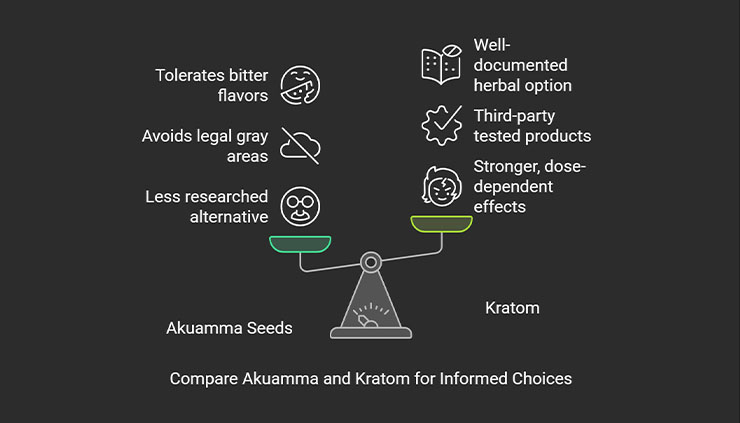
Consider Akuamma Seeds If You…
- Prefer a milder, less-researched alternative.
- Want to avoid kratom’s legal gray areas.
- Can tolerate bitter flavors.
Choose Kratom If You…
- Need stronger, dose-dependent effects.
- Value third-party tested products.
- Seek a well-documented herbal option.
Note: Akuamma lacks rigorous safety studies. Kratom, while more researched, should still be used responsibly.
The Verdict
Although akuamma seeds may attract wary users, kratom remains the most effective and versatile option for pain relief, energy, and mood support, especially when purchased from reputable sellers who prioritise laboratory testing.
Final Thoughts Akuamma vs Kratom
Natural remedies require careful consideration.
Akuamma may suit those experimenting with gentler options, but kratom’s balanced potency and tradition make it a standout choice.
Always consult your doctor before trying new supplements.