






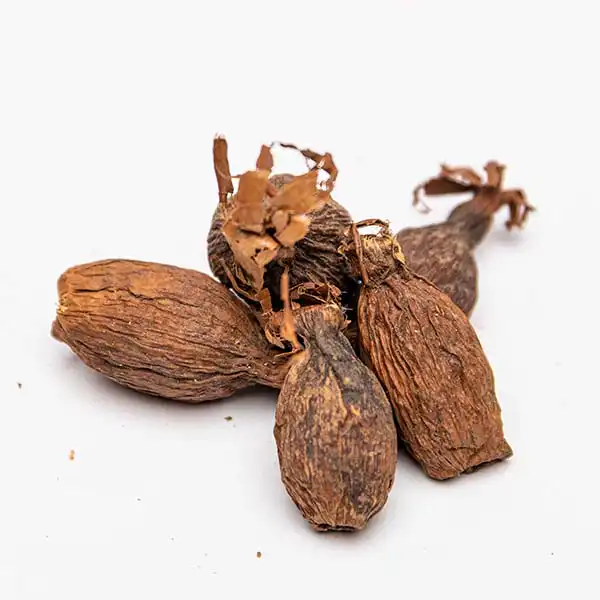





In many African cultures, few elements carry as much ritual significance as red kola Nut and palm wine.
More than just refreshment, they represent peace, respect, hospitality, goodwill, and reconciliation and serve as a bridge between the physical and spiritual worlds.
Although the Igbo people of Nigeria hold these two items in high esteem, they are also at the centre of traditions throughout West and Central Africa, with each culture adding unique meaning to their use.
Jump to section;
Red Kola Nut and Palm Wine: The Sacred Symbols of The Igbo Tradition
For the Igbo people, red kola (Cola acuminata) and palm wine are indispensable in ceremonies: births, weddings, titles, funerals, and communal gatherings.
After my recent visit to my Igbo friend, I learned that red kola and palm wine need to be presented according to a strict protocol:
- Red Kola nut (Oji Igbo): Offering red kola nuts to guests first shows peace, respect, and kindness. Sharing them builds unity, as the saying goes: “He who brings kola nut brings life“.
- Palm wine (Nkwu): This holy drink is poured a little on the ground for ancestors before drinking. It stands for joy, togetherness, and blessings from above.
Outside Igboland: Red Kola and Palm Wine in Other African Cultures
1. The Bamenda and Bamileke (Cameroon), Traditional Weddings
Mixing red kola with palm wine at weddings carries special meaning, strengthening unity, wealth, and ancestral blessings.
The groom’s family presents kola and the wine to the bride’s family as a gesture of respect, goodwill, and commitment.
The kola nut, often broken and shared, signifies peace, acceptance, and the merging of two families.
At the same time, the palm wine poured from a decorated calabash represents joy, fertility, and the sweetness of married life.
Elders perform rituals in which prayers are recited over the kola nut before consumption, and palm wine is offered to the ancestors to seek their approval for the union.
This tradition strengthens social bonds and ensures the couple’s prosperity under the watchful eyes of the community and the divine.
2. The Yoruba (Nigeria/Benin/Togo), Obi abata, and Palm Wine
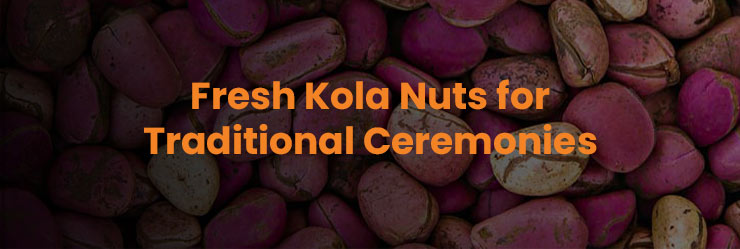
Among the Yoruba, red kola nut, called “obi abata,” and palm wine play a key role in traditional weddings, “igba nkwu”, chieftaincy ceremonies, and ancestral rites.
The kola nut is split into lobes and shared, while palm wine is served in a cup(ox horn, bamboo cup, etc) and offered to “orisha”/ deities such as Ogun (the god of iron) and Obatala (the god of purity).
3. The Beti and Fang (Cameroon/Gabon), Sacred Libations
In Central Africa, palm wine, commonly called “matango” or “malamba,” and red kola nut are used in initiation ceremonies, dispute resolution, and marriage negotiations.
Elders chew the kola nut to seal agreements; it is believed to carry oaths to the spirit world.
Learn more about the impact of red kola nuts in traditional ceremonies.
The Socio-Political Significance of the Red Kola and Palm Wine Rituals
In addition to their spiritual role, these rituals also have political and social functions: they serve to communicate.
1. Display of Wealth, Power, and Diplomacy
In many African societies, the offering of red kola nuts and palm wine is a symbol of status and influence.
- Among the Igbo, titled men such as the Ozo and Nze present kola nuts and palm wine to display their wealth and gain respect.
This display attracts allies and reinforces loyalty, especially in times of conflict. - In Yoruba culture, kola nuts (obi) are used at royal courts and in meetings with chiefs.
The Oba (king) often distributes kola nuts to dignitaries as a sign of goodwill and authority. - Among the Akan people of Ghana, kola nuts are exchanged during chieftaincy ceremonies and peace negotiations as a symbol of agreement and trust.
- In Sierra Leone, Mende and Temne use kola nuts in marriage negotiations and conflict resolution, where the acceptance of a kola nut signifies a binding agreement.
This practice goes beyond personal prestige and is a political tool used to forge alliances, settle disputes, and maintain social order.
Get 20% off our kola nut and palm wine combo from Baobabmart
2. Reciprocity and the Reinforcement of Social Bonds
Sharing kola nuts and palm wine is deeply linked to the African principle of reciprocity, the idea that generosity must be reciprocated with gratitude and loyalty.
- In Hausa culture, offering kola nuts (goro) at weddings or naming ceremonies strengthens kinship ties. Refusal may be considered as an insult.
- Among the Efik and Ibibio (Nigeria), palm wine is shared at Ekpe society meetings, where elders use it to seal oaths and agreements.
- In Liberia, the Kpelle people give kola nuts to guests as a gesture of hospitality and to strengthen community ties.
Those who give generously earn respect and honour, while those who withhold face social exclusion or suspicion.
This system ensures that community leaders remain accountable and maintain social harmony.
Did you know? Baobabmart has ready-to-ship palm wine in stock
3. A Cultural Identity and Intergenerational Legacy
Kola nut and palm wine rituals are personal acts and collective traditions that define an entire community.
- In the Benin Republic, the Fon people incorporate palm wine into Vodun/voodoo ceremonies, linking the living with the spirit world.
- Among the Bamileke of Cameroon, kola nuts are used in funeral rites, symbolising the continuity of life after death.
- The Dagomba of northern Ghana uses kola nuts in dowry negotiations to ensure that the ancestors bless marriages.
These rituals transcend generations and ensure that cultural values are preserved.
Even in urban areas, many Africans still observe these traditions at weddings, festivals, and diplomatic meetings, demonstrating their enduring relevance.
A pan-African symbol of unity and tradition
From Nigeria to Ghana, Cameroon to Sierra Leone, African kola nuts and palm wine are more than ceremonial items – they are living symbols of African unity, diplomacy, and heritage.
Whether used in royal courts, marriage ceremonies, or conflict resolution, they reinforce the values of respect, reciprocity, and community pride.
Are you wondering if the consumption of red kola nut daily is safe?
Read our detailed article on the topic.