




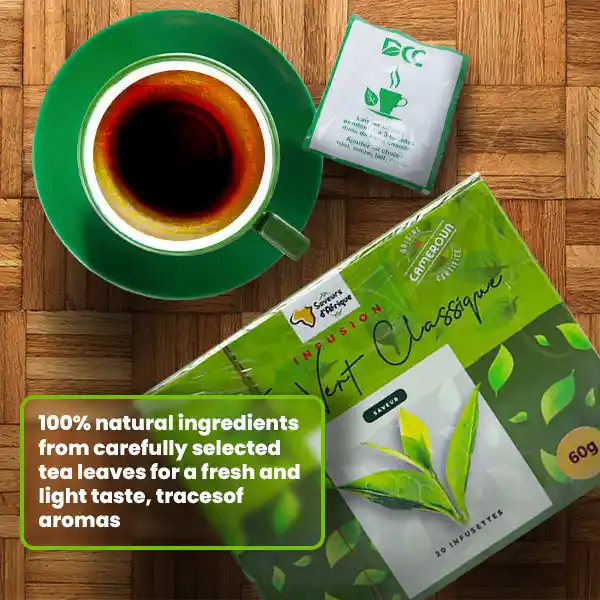
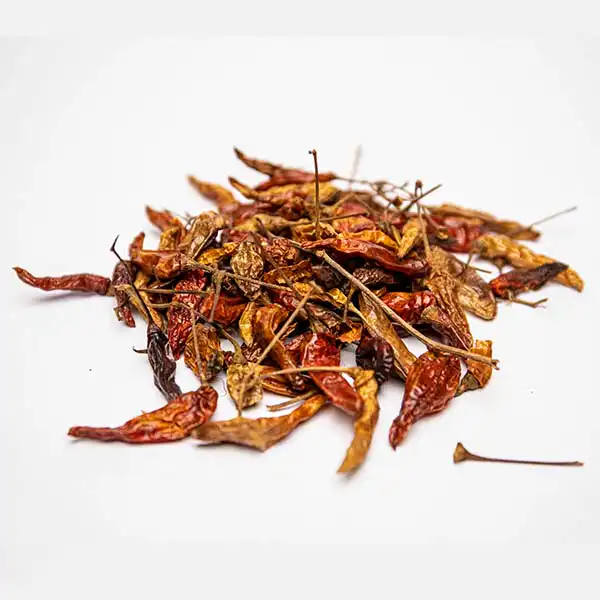








Are you new to African tea? No worries! Our comprehensive guide covers it all.
It has simple steps, from picking the best tea to its uses and benefits. As a bonus, we also covered African weight loss teas.
In this guide, you’ll learn:
What is African Tea

African tea is the common term used for hot drinks made from various plants, herbs, and spices native to the African continent and its culture.
These drinks are part of traditional African culture and are often used for their medicinal virtues and refreshing flavors.
African teas are more than just beverages; they celebrate culture, tradition, and the continent’s rich biodiversity.
From herbal infusions to caffeinated drinks, African teas offer various flavors and health benefits, making them part of daily life across Africa.
Before discussing our main topic, let’s explore the global landscape of African tea.
Data from Google Trends reveals that the demand for African tea has remained remarkably stable over the past five years. While there was a noticeable spike in early 2020, interest has since leveled off, indicating a consistent appreciation for this delightful African beverage.
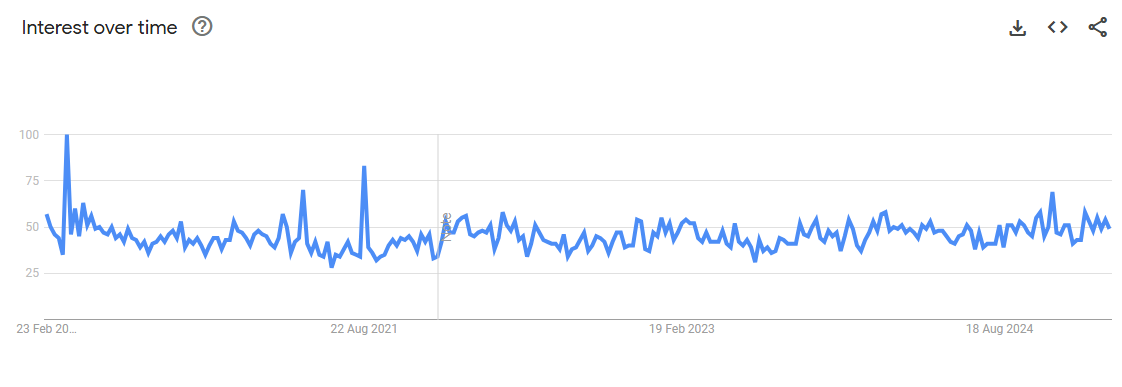
The accompanying graph illustrates this steady global demand, highlighting that people worldwide cherish African tea.
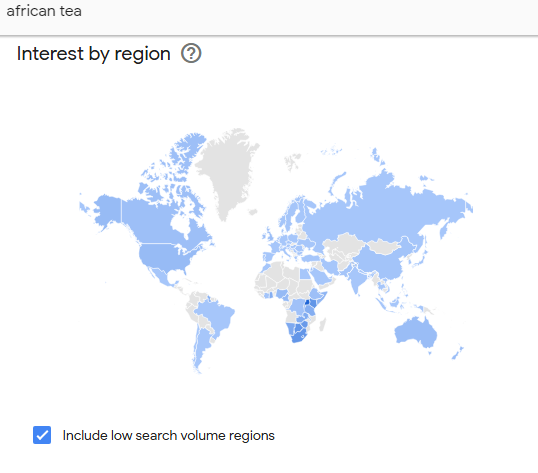
Additionally, the map showcases the regions where African tea is most popular, including the United States, Europe, Australia, and beyond.
This trend underscores the significance of African tea, which is why we are excited to bring out this guide!
Together, let’s see the panoply of African teas and their uses.
Types of African Teas
1. African Herbal Teas
African herbal teas are caffeine-free infusions prepared from several local plants, each offering its own flavors and health benefits.
Some examples include South African rooibos, known for their antioxidant properties, and hibiscus tea, popular in West and North Africa for its sour, cranberry-like flavor.
Rooibos tea:
Rooibos tea, or red bush tea, is an infusion from the leaves of the Aspalathus linearis plant. Traditionally enjoyed for generations in southern Africa, rooibos has gained international popularity.
Unlike black and green teas, rooibos is naturally caffeine-free and low in tannins, making it an interesting option for people sensitive to caffeine or wishing to reduce their tannin intake.
Studies indicate that regular consumption of rooibos tea can contribute to heart health by improving cholesterol levels and lowering blood pressure.
Its possible anti-inflammatory properties could also help reduce inflammation and promote general well-being.
Hibiscus (Bissap/Sobolo/Foléré)
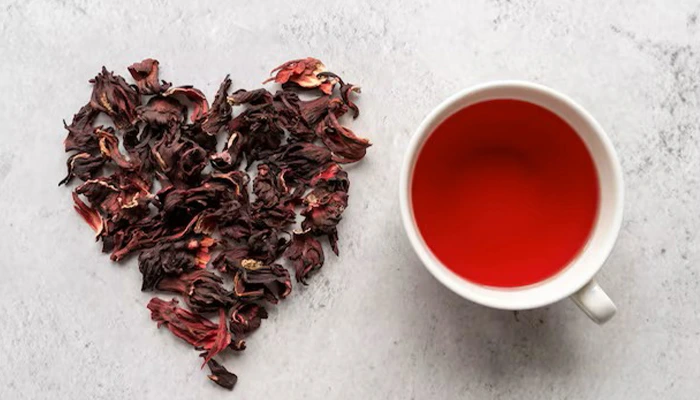
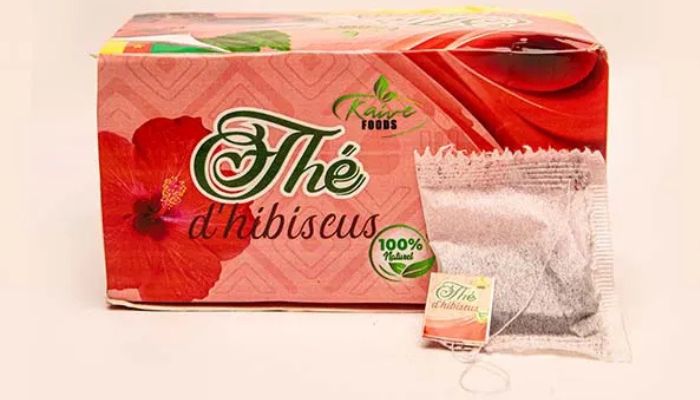
Hibiscus tea, made from the Hibiscus sabdariffa plant, is an herbal drink widely consumed in Africa. It is known for its bright red color and sour cranberry-like taste.
In West Africa, it is commonly known as “bissap” in Senegal, “sobolo” in Ghana, “zobo” in Nigeria, and “Foléré” in Cameroon. It is often consumed hot or cold, sometimes with mint or ginger.
Hibiscus tea is traditionally used for its potent health benefits, including aiding digestion, reducing bloating, and supporting cardiovascular health.
Buchu
Buchu tea is an herbal tea made from the leaves of Agathosma betulina and Agathosma crenulata, plants found in South Africa. It is known for its aroma, including peppermint, rosemary, and blackcurrant notes.
Despite its pleasing taste, Buchu possesses diuretic, anti-inflammatory, and antimicrobial properties, making it a popular choice for those seeking natural remedies for urinary tract infections and inflammation.
Even though it’s generally considered safe, it’s advisable to consult a healthcare professional before incorporating buchu tea into your daily routine, especially if you have existing health problems or are taking medication.
Kinkeliba
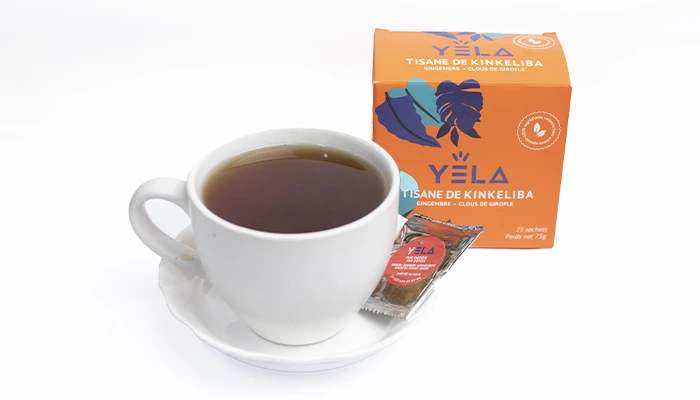
Kinkeliba tea, from the leaves of the Combretum micranthum plant, is a traditional West African infusion famous for its health benefits.
In countries such as Senegal, Mali, and Guinea, kinkeliba, commonly called the “health tree,” is consumed for its medicinal properties.
The tea is caffeine-free, making it suitable for consumption at any time of day.
2. African Caffeinated Teas
African caffeinated teas from East African countries such as Kenya, Malawi, Tanzania, and Moroccan mint teas are black and purple.
These teas are known for their bold flavors and moderate caffeine concentration, providing a rich, stimulating drink. These teas include;
Black Tea
Black teas tend to contain less caffeine than coffee but still provide a significant energy boost.
They are a caffeinated alternative to coffee, with different blends available to suit individual preferences and energy needs.
On average, a 237 ml cup of black tea contains around 47 milligrams of caffeine, but these figures can vary depending on factors such as blend and infusion time.
It’s important to note that despite black tea’s caffeine boost, excessive consumption can lead to side effects such as anxiety or digestive problems.
In addition, people suffering from iron deficiency anemia should moderate their consumption, as the compounds in black tea can interfere with iron absorption.
Purple Tea
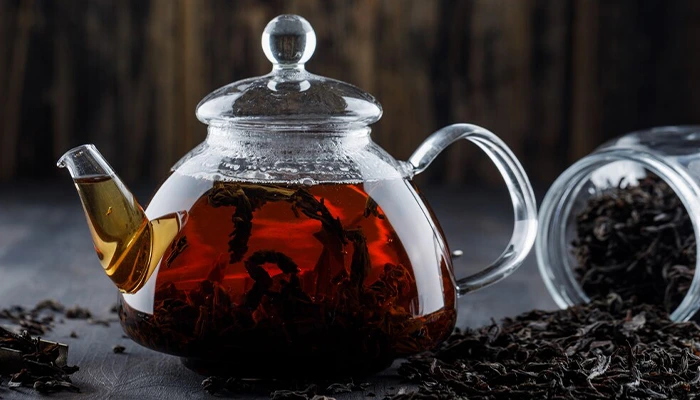
One variety of Kenyan tea is purple tea, from a rare purple-leaved cultivar of the Camellia sinensis plant.
This tea is known for its lower caffeine content than black and green teas and its high antioxidant content, which is responsible for its distinct color.
Purple tea has a smooth flavor with a slightly sweet aftertaste and is increasingly attracting attention for its potential health benefits.
Moroccan Mint Tea:
Moroccan mint tea is a caffeinated African drink made from green and fresh mint.
Its caffeine content is lower than that of black tea or coffee, making it a more gentle option for those seeking a slight energy boost. A 6 oz cup contains around 25 mg of caffeine.
In Morocco and other North African countries, mint tea is served as a symbol of hospitality and friendship.
It is often served with large quantities of sugar to enhance the taste. Preparing and serving mint tea is integral to North African social and cultural rituals.
3. Other African Teas
Africa offers an entire journey into teas, be it caffeinated or caffeine-free. Here are some other popular African teas;
Moringa Tea

Native to parts of Africa and Asia, Moringa tea is an infusion made from the leaves of the Moringa oleifera tree.
Known for its rich nutritional profile, Moringa leaves are packed with vitamins, minerals, and antioxidants, making this tea a popular choice for those seeking a healthy beverage.
Moringa tea is available in various forms, including leaves and tea bags.
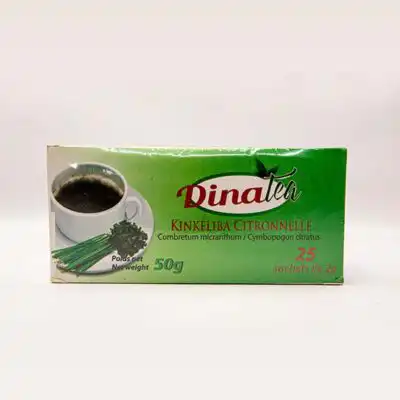
Lemongrass Tea

Lemongrass tea is a leafy drink popular in many African countries. It is renowned for its refreshing citrus taste and health benefits.
In countries like Mali, it is used to calm digestive problems and help with relaxation. Its easy preparation and accessibility make it a perfect addition to any tea collection.
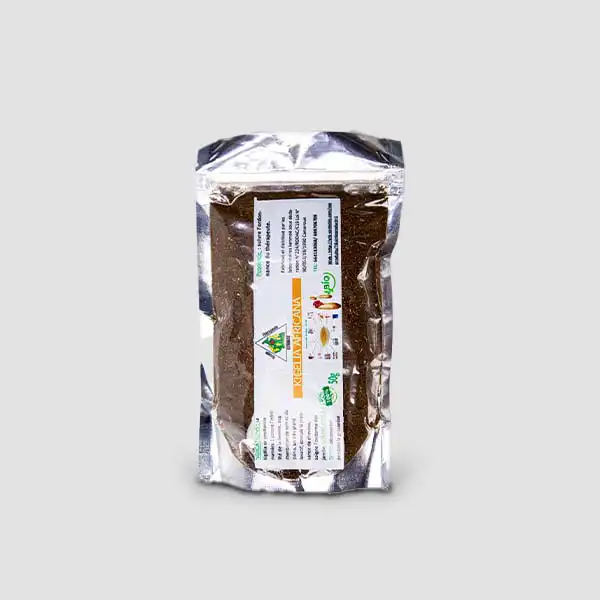
Kigelia Tea
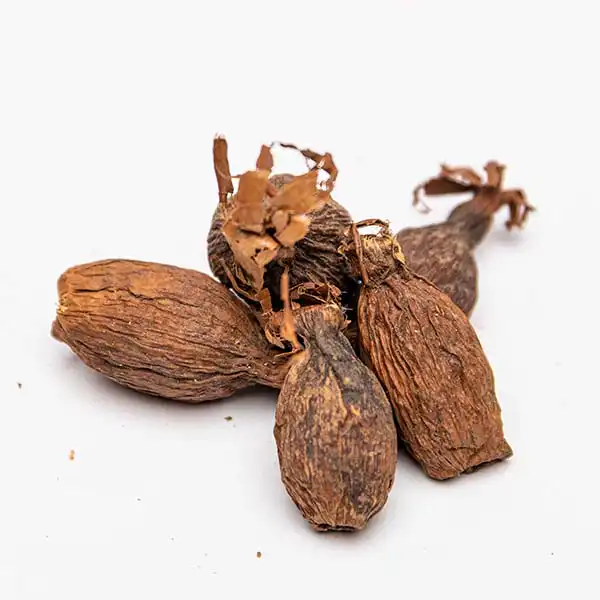
Kigelia tea is an infusion made from either the fruit, leaves, or bark of the Kigelia africana tree, commonly known as the sausage tree.
This tree is found in sub-Saharan Africa and is famous for its large, sausage-shaped fruits.
The different parts of the Kigelia africana plant, such as the fruit, bark, and leaves, have been used in African phytotherapy to treat various health problems.
Kigelia tea can be made by boiling the dried fruit, bark, and leaves or infusing the powder from any of them.
If you want to know which teas are the best of the African teas listed above, read our article on the 6 Top African Teas.
Benefits of African Tea
African teas are not just part of cultural traditions; they also offer health benefits, making them a valuable part of your daily life. Here are some good reasons to drink African teas:
- Rich in antioxidants: African teas are rich in antioxidants, which help combat oxidative stress and may reduce the risk of chronic disease. For example, rooibos tea contains antioxidants such as aspalathin and quercetin, which are known for their potential to protect against heart disease and cancer.
- Caffeine-free options: Rooibos tea is naturally caffeine-free, making it an excellent choice for those seeking a calming beverage without the stimulating effects of caffeine.
- Heart Health: Regular consumption of rooibos tea may improve lipid profiles by lowering triglycerides and LDL (“bad” cholesterol) while increasing HDL (“good” cholesterol), potentially reducing the risk of cardiovascular disease.
- Digestive aid: Mint tea, popular in North Africa, can aid digestion by relaxing the intestinal walls and stimulating bile production, which is beneficial for fat digestion and may help treat irritable bowel syndrome.
- Stress reduction: Sipping a warm cup of tea can be a calming ritual, promoting relaxation and potentially reducing stress.
- Possible reduction in cancer risk: Some studies suggest that the antioxidants in rooibos tea may help prevent the growth of cancer cells. However, more research is needed to confirm these effects.
- Supports the immune system: Black tea, commonly consumed in several African regions, contains compounds that may support the immune system and help the body fight infections.
What are African Herbal Teas Used for?
African herbal teas have been used for centuries across the continent for their medicinal properties, cultural significance, and taste. Here are some of the main uses of African herbal teas:
1. Medicinal purposes: African Herbal Teas
- Digestive health: Teas such as lemongrass and ginger are often used to calm upset stomachs, relieve gas, and improve digestion.
- Immune support: Buchu tea is known for its antimicrobial properties, which help fight infections and boost the immune system.
- Anti-inflammatory: Buchu and ginger teas are used to reduce inflammation and relieve pain, particularly in conditions such as arthritis.
- Detoxification: Kinkeliba tea traditionally supports liver health and detoxifies the body.
- Cold and flu relief: Ginger tea and Artemesia are often used to relieve cold and flu symptoms due to their warming and anti-inflammatory properties.
2. Heart health
Hibiscus tea is widely used to lower blood pressure and cholesterol levels, promoting overall cardiovascular health.
3. Relaxation and Stress Reduction
- Rooibos tea, which is naturally caffeine-free, is often used to promote relaxation and reduce stress.
- Lemongrass tea is known for its calming effects, helping to reduce anxiety and improve sleep quality.
4. Weight management
- Hibiscus and rooibos teas are valued for promoting weight loss by stimulating metabolism and reducing water retention.
- Kinkeliba tea is also used to manage weight due to its detoxifying properties.
5. Skin Health
- Rooibos tea contains alpha-hydroxy acid and zinc, which are beneficial to the skin and can help reduce acne and other skin conditions.
- Hibiscus tea is rich in antioxidants, which help maintain healthy skin by reducing signs of aging and improving elasticity.
6. Cultural and social uses
- Moroccan Mint Tea symbolizes hospitality and is often served at social gatherings and ceremonies.
- Hibiscus tea (Bissap/Sobolo): This tea is often consumed during celebrations and festivals, adding a cultural richness to its consumption.
7. Hydration and refreshment
Many African herbal teas, such as hibiscus and lemongrass, are consumed for their refreshing and hydrating properties, especially in hot climates.
8. Traditional Rituals and Healing Practices
- Buchu and Kinkeliba teas are often used in traditional healing practices to treat various ailments and promote general well-being.
- Rooibos tea is sometimes used in traditional rituals for its soothing and health-promoting properties.
African Weight Loss Teas
African teas for weight loss are natural infusions that have gained popularity for their ability to promote weight management.
These teas are often made from local plants and herbs known for their metabolism-boosting, detoxifying, and appetite-suppressing properties.
Here are some of the most popular African teas for weight loss and how they work:
1. Hibiscus Tea (Bissap/Sobolo)
Benefits:
- Acts as a natural diuretic, helping to reduce water retention and bloating.
- Contains compounds that may inhibit the production of amylase, an enzyme that breaks down carbohydrates, potentially reducing calorie absorption.
- Rich in antioxidants, which support metabolism and overall health.
How to Use:
Brew dried hibiscus flowers in hot water and enjoy hot or cold. Add ginger or lemon for extra flavor and weight loss benefits.
2. Rooibos Tea
Benefits:
- Naturally caffeine-free and low in tannins, making it a gentle option for weight loss.
- Contains aspalathin, a unique antioxidant that helps regulate blood sugar levels and reduce fat storage.
- Helps reduce stress-related overeating by lowering cortisol levels.
How to Use:
Steep rooibos leaves in boiling water for 5-7 minutes. Drink plain or with a splash of milk.
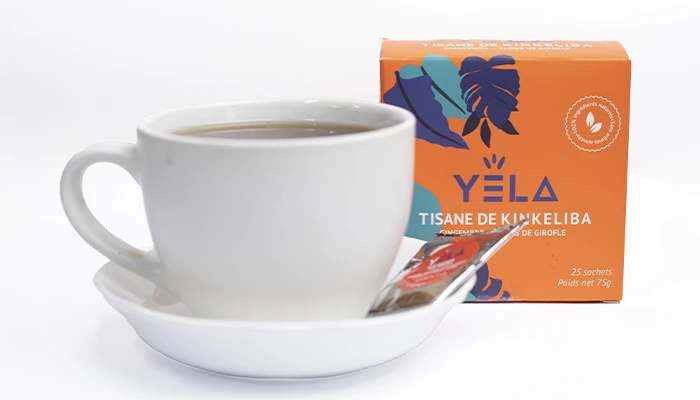
3. Kinkeliba Tea
Benefits:
- Known as a “weight loss tea” due to its detoxifying properties, which help cleanse the liver and improve metabolism.
- Acts as a mild laxative, aiding digestion and reducing bloating.
- Rich in antioxidants that support fat burning.
How to Use:
Boil dried kinkeliba leaves in water for 10-15 minutes. Strain and drink warm.
4. Ginger Tea

Benefits:
- Boosts metabolism and increases thermogenesis (the body’s ability to burn calories).
- Suppresses appetite and reduces cravings.
- Aids digestion and reduces bloating, making it a great addition to a weight loss regimen.
How to Use:
Slice fresh ginger root and steep in hot water for 5-10 minutes. Add lemon or honey for extra flavor.
5. Lemongrass Tea
Benefits:
- Acts as a natural diuretic, helping to flush out excess fluids and toxins.
- Improves digestion and reduces bloating.
- Contains compounds that may help break down fat cells.
How to Use:
Steep fresh or dried lemongrass in hot water for 5-7 minutes. Enjoy plain or with a touch of honey.
How African Weight Loss Teas Work
African weight loss teas harness the power of nature to support your weight management routine.
These teas boost your metabolism with ingredients like ginger and rooibos, allowing your body to burn calories more effectively. They also act as natural diuretics, like hibiscus and lemongrass, helping to eliminate excess water weight.
Additionally, these teas can help curb cravings and reduce overeating thanks to ingredients like ginger and rooibos, while others like kinkeliba and buchu support liver and kidney function, aiding in detoxification.
Finally, many African teas, including lemongrass and ginger, promote healthy digestion, reduce bloating, and improve nutrient absorption.
This multifaceted approach makes African weight loss teas a natural and holistic to support your weight loss goals.
Tips for Using African Weight Loss Teas
- Drink 1-3 cups daily, preferably before meals, to help control appetite.
- Combine this with a balanced diet and regular exercise to achieve the best results.
- Avoid adding excessive sugar or sweeteners to keep calories low.
- Consult a healthcare professional before using these teas if you have any underlying health conditions or are pregnant.
Final Thoughts
More than just drinks, African teas truly celebrate the African continent’s culture, tradition and great biodiversity.
Each cup tells the region’s story, from the rustic flavours of South African rooibos to the intense, malted notes of Kenyan black tea.
Not only do they offer a tasty experience, but they also have many health benefits, from boosting immunity to promoting relaxation.
So, the next time you have a cup, take the time to appreciate the journey these teas have taken from the sunny fields of Africa to your cup!