


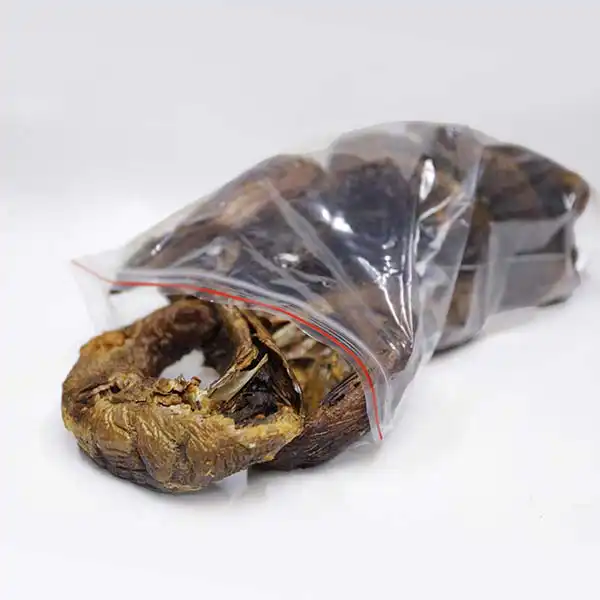
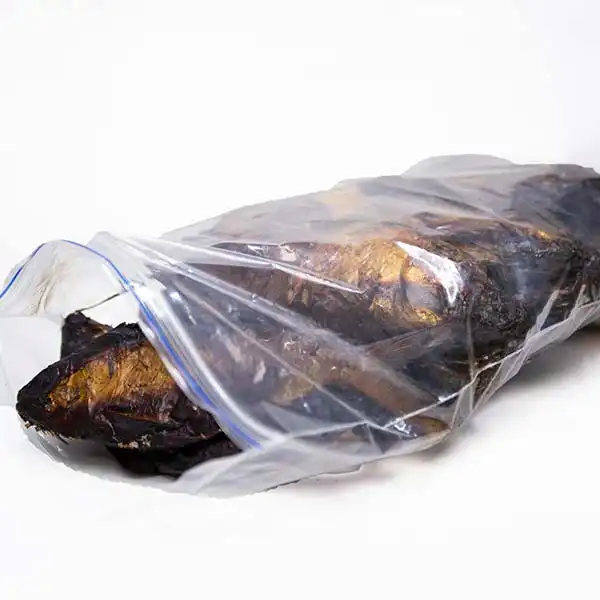
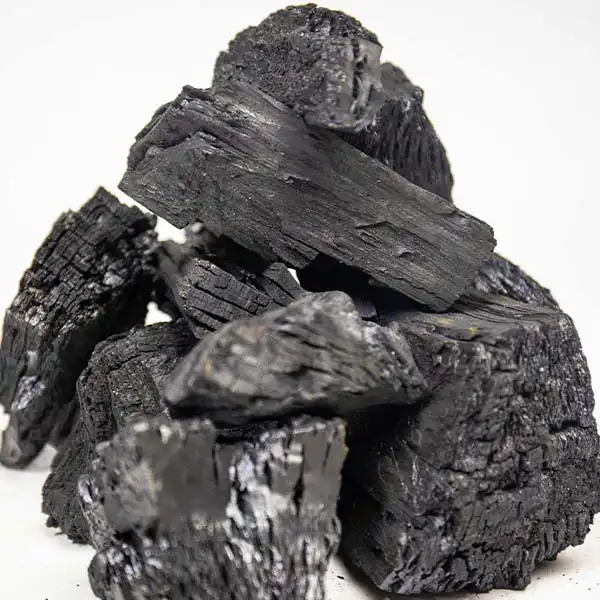

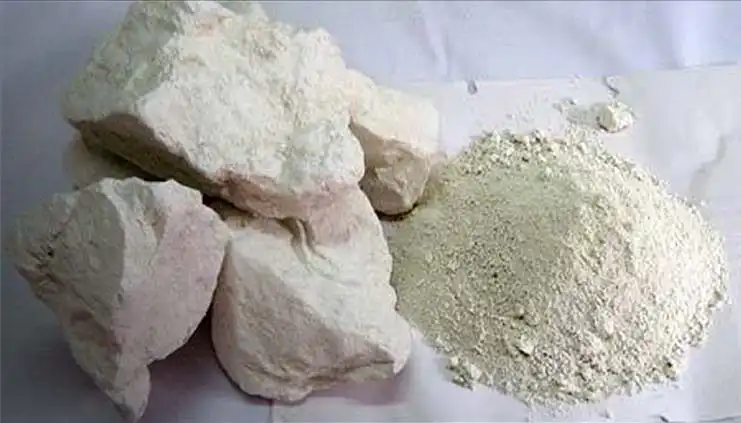
Calabash chalk has a longstanding history in certain African communities, where it is consumed for medicinal purposes or as a response to cravings, particularly during pregnancy. However, the consumption of this naturally occurring clay-like substance has raised concerns about its potential health effects. One of the most prominent concerns is its possible link to fibroids, a condition affecting millions of women worldwide.
In this in-depth article, we will explore whether calabash chalk can cause fibroids, analyze the myths and facts surrounding this claim, and shed light on the actual health risks associated with consuming calabash chalk. We will also highlight the real causes of fibroids and guide how to avoid unnecessary health risks.
What Is Calabash Chalk? Can Calabash Chalk Cause Fibroids?
1.1 Definition and Origins
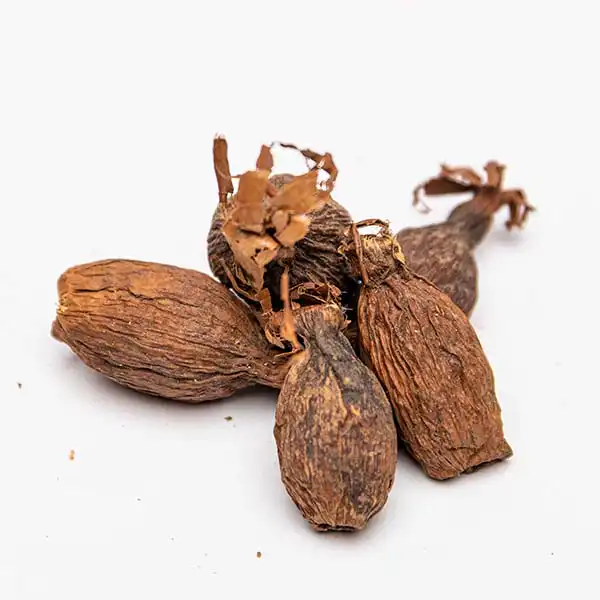
Calabash chalk, also referred to as Nzu (in Igbo), Ebumba (in Swahili), or La Craie (in French), is a type of earthy clay that some people consume in different parts of Africa and the African diaspora. It is often extracted from clay pits and shaped into various forms, including blocks or tablets, to make it easier to consume.
While calabash chalk is naturally occurring, the soil from which it is sourced may be exposed to industrial pollutants or environmental contaminants, making it potentially harmful to human health. The consumption of calabash chalk is part of the broader practice of geophagy—the intentional consumption of earth, clay, or soil—which is prevalent in certain communities.
1.2 Cultural Significance
Calabash chalk holds cultural significance, particularly in sub-Saharan Africa, where it is commonly consumed by pregnant women. The cravings for non-food items like chalk, soil, or clay are known as pica. Pregnant women may feel the need to eat calabash chalk due to perceived or real deficiencies in certain nutrients, such as calcium or iron.
Some communities also believe in the medicinal properties of calabash chalk. It is thought to help with digestion, alleviate nausea during pregnancy, and provide relief from morning sickness. In some regions, it is even believed to have spiritual or magical properties. Buy Calabash Chalk for sale at Baobabmart and explore its historical uses.
1.3 Composition
Calabash chalk is made up of several minerals, but its composition can vary depending on where it is sourced. The primary components include:
- Kaolin: A type of soft clay commonly used in cosmetics and pharmaceuticals.
- Calcium Carbonate: Known for its role in bone health.
- Magnesium: Essential for muscle and nerve function.
- Iron: Important for oxygen transport in the blood.
However, calabash chalk may also contain harmful substances such as lead, arsenic, and other heavy metals, which are known to have toxic effects on the body.
Understanding Fibroids
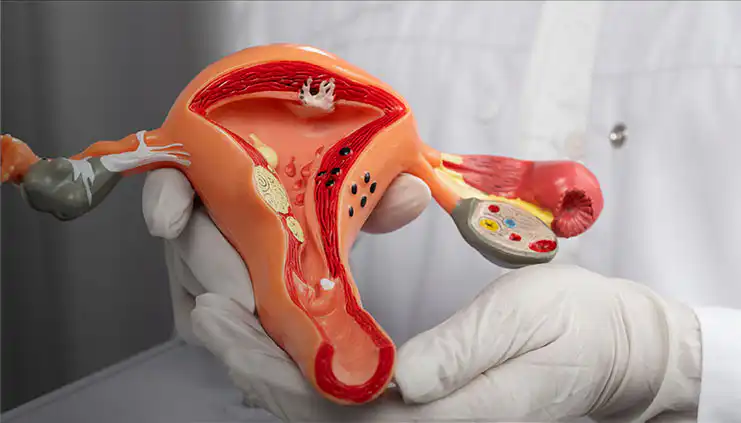
2.1 What Are Fibroids?
Fibroids, also called uterine leiomyomas, are non-cancerous growths that develop within or on the uterus. These growths can vary in size, ranging from small, barely detectable nodules to large tumors that distort the shape of the uterus. Though benign, fibroids can cause a range of uncomfortable and sometimes severe symptoms, particularly in women of reproductive age.
Fibroids are extremely common, affecting up to 70% to 80% of women by the age of 50. However, the exact cause of fibroids is still not fully understood. It is clear that hormonal, genetic, and environmental factors contribute to their development and growth.
2.2 Symptoms of Fibroids
The symptoms associated with fibroids can vary greatly depending on their size, number, and location within the uterus. Some women may experience no symptoms, while others may suffer from debilitating effects. Common symptoms of fibroids include:
- Heavy menstrual bleeding: Some women experience abnormally heavy periods, which can lead to anemia.
- Pelvic pain or pressure: As fibroids grow, they can press on surrounding organs, causing discomfort or a feeling of fullness.
- Frequent urination: Fibroids may press on the bladder, causing the need to urinate more frequently.
- Constipation: Large fibroids can also press on the bowels, leading to difficulty with bowel movements.
- Back pain: Depending on their location, fibroids can cause pain in the lower back.
- Reproductive issues: Some women may experience infertility, recurrent miscarriages, or complications during pregnancy due to fibroids.
2.3 Risk Factors for Developing Fibroids
Several factors increase a woman’s likelihood of developing fibroids:
- Genetics: If your mother or sisters have fibroids, you are more likely to develop them yourself.
- Hormonal imbalance: Estrogen and progesterone, the hormones that regulate the menstrual cycle, can promote the growth of fibroids. Higher levels of these hormones, particularly estrogen, are linked to fibroid development.
- Age: Fibroids are most common in women between the ages of 30 and 50. They tend to shrink after menopause due to the decrease in hormone levels.
- Ethnicity: African-American women are significantly more likely to develop fibroids and often experience them at a younger age than women of other ethnicities.
- Lifestyle factors: A diet high in red meat and low in vegetables, along with obesity, has been associated with an increased risk of fibroids.
The Myth: Can Calabash Chalk Cause Fibroids?
3.1 Origins of the Myth
The idea that consuming calabash chalk can lead to the development of fibroids is a widespread misconception. This belief likely stems from the fact that fibroids are common among African women, who also happen to engage in the cultural practice of geophagy (eating earthy substances like calabash chalk). However, there is no scientific evidence to support the notion that calabash chalk consumption directly causes fibroids.
3.2 Breaking down the Claim
To better understand why this myth persists, let us break down the potential risks and factors involved:
- No Proven Causality: Medical research has not established any direct connection between the consumption of calabash chalk and the development of fibroids. The causes of fibroids are primarily related to hormonal imbalances and genetic predispositions.
- Heavy Metal Toxicity: While calabash chalk contains heavy metals such as lead and arsenic, which are harmful to human health, these toxins are not known to cause fibroids. Instead, they pose other significant health risks, including neurotoxicity and organ damage.
3.3 What Are the True Risks of Calabash Chalk?
Although consuming calabash chalk does not cause fibroids, it does come with serious health risks. These include:
- Lead Poisoning: Lead, commonly found in calabash chalk, is a toxic metal that can cause developmental delays in children, cognitive impairment, and severe health problems in adults.
- Arsenic Exposure: Arsenic, a known carcinogen, is also found in some samples of calabash chalk. Long-term exposure to arsenic can lead to cancers of the skin, lungs, and bladder.
- Intestinal Blockages: The consumption of hard, clay-like substances can lead to gastrointestinal issues, including intestinal blockages, constipation, and difficulty in digestion.
While these risks are significant, they are unrelated to fibroid development.
The Facts: What Causes Fibroids? Can Calabash Chalk Cause Fibroids?
4.1 Hormonal Factors
The most significant factor contributing to the development of fibroids is hormonal imbalance, specifically the influence of estrogen and progesterone. These hormones promote the growth of fibroids by stimulating the proliferation of cells in the uterine lining. This is why fibroids tend to grow during reproductive years when hormone levels are high and shrink after menopause.
4.2 Genetics and Family History
Fibroid development also has a strong genetic component. Women with a family history of fibroids are significantly more likely to develop the condition. Certain genetic mutations in the cells of the uterus are thought to promote the formation of fibroids.
4.3 Diet and Lifestyle
Although calabash chalk consumption is not linked to fibroids, diet, and lifestyle can play a role in their development:
- High-Fat Diets: A diet high in red meat, fatty foods, and processed meats has been associated with an increased risk of fibroid growth.
- Low Vegetable Intake: A diet low in vegetables, fruits, and fiber-rich foods may contribute to fibroid development, as these foods help regulate hormone levels and inflammation in the body.
- Obesity: Excess body weight is linked to elevated estrogen levels, which can fuel the growth of fibroids.
4.4 Environmental Toxins
Certain environmental toxins, particularly endocrine-disrupting chemicals (EDCs), can mimic or interfere with hormones like estrogen. These chemicals are found in plastics, pesticides, and some cosmetics, and prolonged exposure to them may increase the risk of fibroid development.
Health Risks of Calabash Chalk: Beyond Fibroids
5.1 The Danger of Lead and Heavy Metals
While calabash chalk does not cause fibroids, it poses other significant health risks, primarily due to its potential contamination with heavy metals like lead and arsenic. These substances are particularly dangerous for pregnant women and children:
- Lead Poisoning: Lead exposure can result in developmental delays, cognitive impairment, and learning difficulties in children. In adults, it can cause kidney damage, high blood pressure, and fertility problems.
- Arsenic Exposure: Long-term arsenic exposure can increase the risk of several cancers, including those affecting the skin, lungs, and bladder.
5.2 Nutritional Deficiencies
One of the paradoxical effects of consuming calabash chalk is that while it is often consumed to address nutritional deficiencies (such as cravings for calcium or iron), its consumption can lead to the malabsorption of essential nutrients. The presence of heavy metals and other contaminants in the chalk can interfere with the body’s ability to absorb nutrients effectively, compounding existing deficiencies.
Conclusion: Can Calabash Chalk Cause Fibroids?
Calabash chalk, a substance deeply rooted in cultural practices, has been the subject of much speculation regarding its effects on health, particularly its alleged link to fibroids. However, scientific evidence does not support the claim that calabash chalk causes fibroids. Instead, the development of fibroids is driven by a combination of hormonal, genetic, and lifestyle factors. Read more about Calabash Chalk and its side effects.
While calabash chalk is not responsible for fibroids, its consumption is not without risk. The presence of heavy metals such as lead and arsenic poses significant health hazards, including lead poisoning, cognitive impairment, and potential cancer risks.
For women concerned about fibroids or general reproductive health, it is essential to focus on factors such as maintaining hormonal balance, following a healthy diet, and minimizing exposure to environmental toxins. Avoiding the consumption of potentially harmful substances like calabash chalk can prevent unnecessary health complications and ensure overall well-being.
In summary, separating myths from facts about fibroids and calabash chalk helps individuals make informed choices about their health. While cultural practices may offer comfort or tradition, it is crucial to weigh the potential risks carefully, especially when modern medical knowledge provides clarity on these issues.