














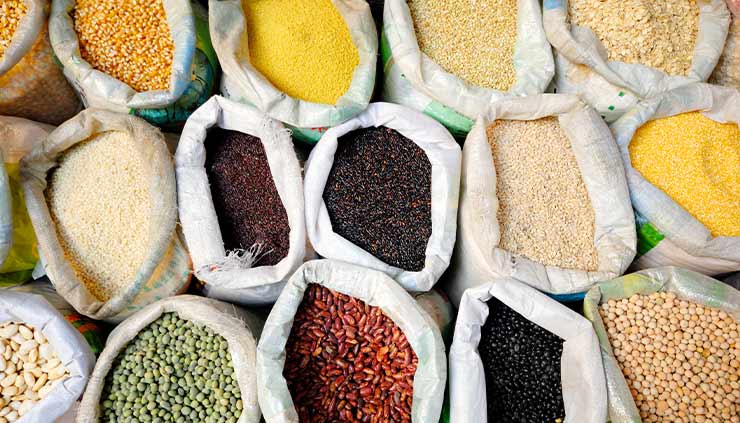
Africa is home to a rich agricultural legacy, with grains and seeds playing a central role in both daily life and cultural traditions.
These natural staples are more than just food. They are symbols of resilience, heritage, and nourishment.
In this article, we explore the origins, cultural relevance, and nutritional value of African grains and seeds. You’ll also discover how they are used in traditional recipes, modern African cuisine, and why resourcing them from Baobabmart.
The Historical and Cultural Significance of African Grains and Seeds
A Journey Through Time
African grains and seeds have been cultivated for thousands of years, forming the foundation of many ancient civilizations.
From the fertile lands of Egypt and Nubia to the powerful empires of West Africa, staples like millet, sorghum, and teff have nourished communities and fueled cultural and economic development across the continent.
Ancient Egypt
In Ancient Egypt, grains such as barley and emmer wheat were staple crops.
They were used not only for food but also for brewing beer, which was a common beverage in daily life and religious ceremonies.
The importance of grains is evident in their presence in tomb offerings and hieroglyphics.
West African Empires
In West Africa, millet and sorghum have been central to agricultural practices for centuries.
These grains were essential to the diet of the Mali and Songhai empires, providing sustenance and supporting the vibrant trade networks that connected Africa to Europe and Asia.
Cultural Heritage and Traditions
Across Africa, grains and seeds hold deep cultural meaning beyond their role as food.
In many communities, staples like millet and sorghum are central to rituals, ceremonies, and festivals.
These grains often symbolize fertility, prosperity, and unity, making them powerful representations of life and community in African traditions.
Ceremonial Uses
In regions like West Africa, grains such as millet are used in wedding ceremonies and other rites of passage.
They are often given as gifts or used to prepare special dishes that symbolize abundance and good fortune.
Festive Traditions
During harvest festivals and communal celebrations, grains and seeds take center stage.
These events celebrate the agricultural cycle and the community’s connection to the land.
Traditional dishes made from grains are shared, strengthening social bonds and cultural identity.
Nutritional Value of African Grains and Seeds
A Powerhouse of Nutrients
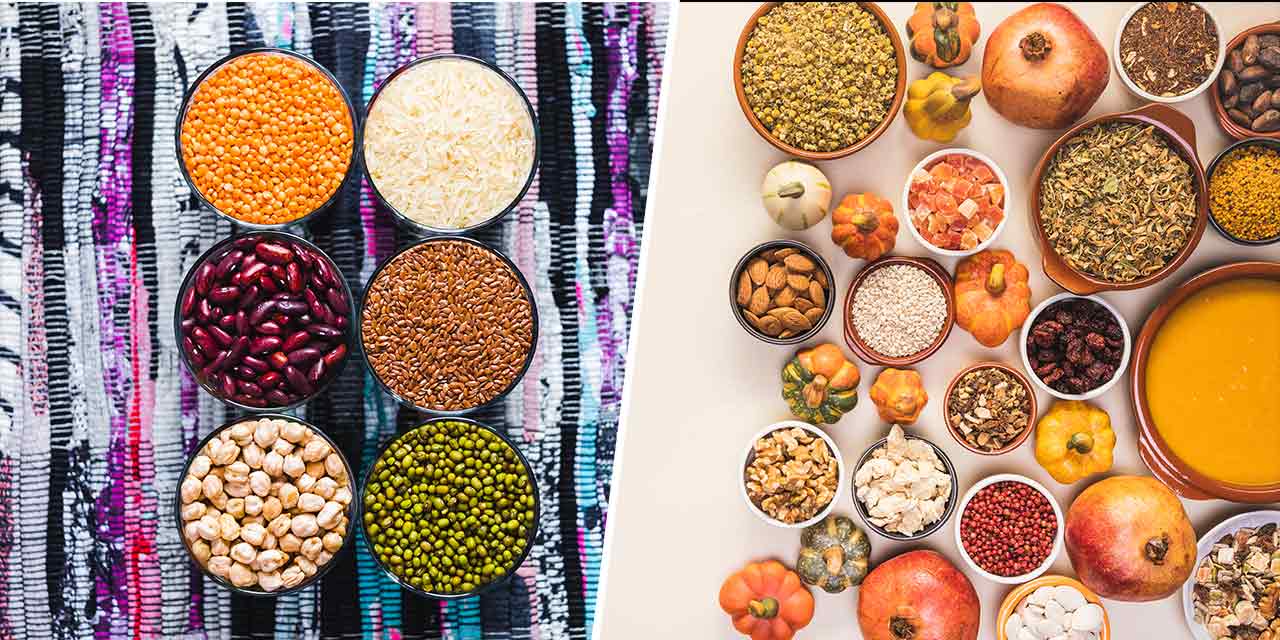
African grains and seeds are known for their exceptional nutritional profiles. They are rich in essential vitamins, minerals, and antioxidants that contribute to overall health and well-being.
Millet
- Nutritional Profile: High in magnesium, phosphorus, and iron. Contains B vitamins, especially niacin (B3).
- Health Benefits: Supports heart health, helps manage blood sugar levels, and boosts digestive health.
Millet is a versatile grain that is gluten-free and easy to digest. Its high fiber content aids in digestion, while its magnesium and phosphorus contribute to bone health.
Additionally, millet’s iron content helps combat anemia, making it a valuable food for women and children.
Sorghum
- Nutritional Profile: Rich in dietary fiber, protein, and antioxidants. Contains significant amounts of iron, phosphorus, and B vitamins.
- Health Benefits: Promotes digestive health, supports cardiovascular health, and has potential anti-cancer properties.
Sorghum is a drought-resistant grain that thrives in arid regions. Its high fiber content supports digestive health, while its antioxidants, including phenolic compounds, help protect against oxidative stress.
Sorghum is also a good source of protein, making it a valuable food in regions where animal protein is scarce.
Teff
- Nutritional Profile: High in protein, fiber, and essential amino acids. Excellent source of iron and calcium.
- Health Benefits: Supports bone health, aids in digestion, and helps regulate blood sugar levels.
Teff is a tiny grain with a mighty nutritional punch. It contains all eight essential amino acids, making it a complete protein source.
Its high iron content is particularly beneficial for individuals with iron-deficiency anemia. Additionally, teff’s calcium content supports bone health, while its low glycemic index makes it suitable for diabetics.
Fonio
- Nutritional Profile: Rich in amino acids, particularly methionine and cysteine. Contains iron, zinc, and magnesium.
- Health Benefits: Promotes healthy skin and hair, supports metabolic processes, and aids in blood sugar management.
Fonio is one of the oldest cultivated grains in Africa and is often referred to as a superfood. Its high amino acid content, particularly methionine and cysteine, supports healthy skin, hair, and nails.
Fonio is also easy to digest and gluten-free, making it suitable for individuals with celiac disease or gluten intolerance.
Sesame Seeds
- Nutritional Profile: High in healthy fats, protein, and dietary fiber. Rich in calcium, magnesium, and zinc.
- Health Benefits: Supports bone health, improves skin elasticity, and helps manage cholesterol levels.
Sesame seeds are a nutrient-dense food packed with healthy fats, protein, and fiber.
Their high calcium and magnesium content supports bone health, while their zinc content aids in immune function and skin health.
Additionally, the phytosterols in sesame seeds help lower cholesterol levels, promoting cardiovascular health.
Culinary Uses of African Grains and Seeds
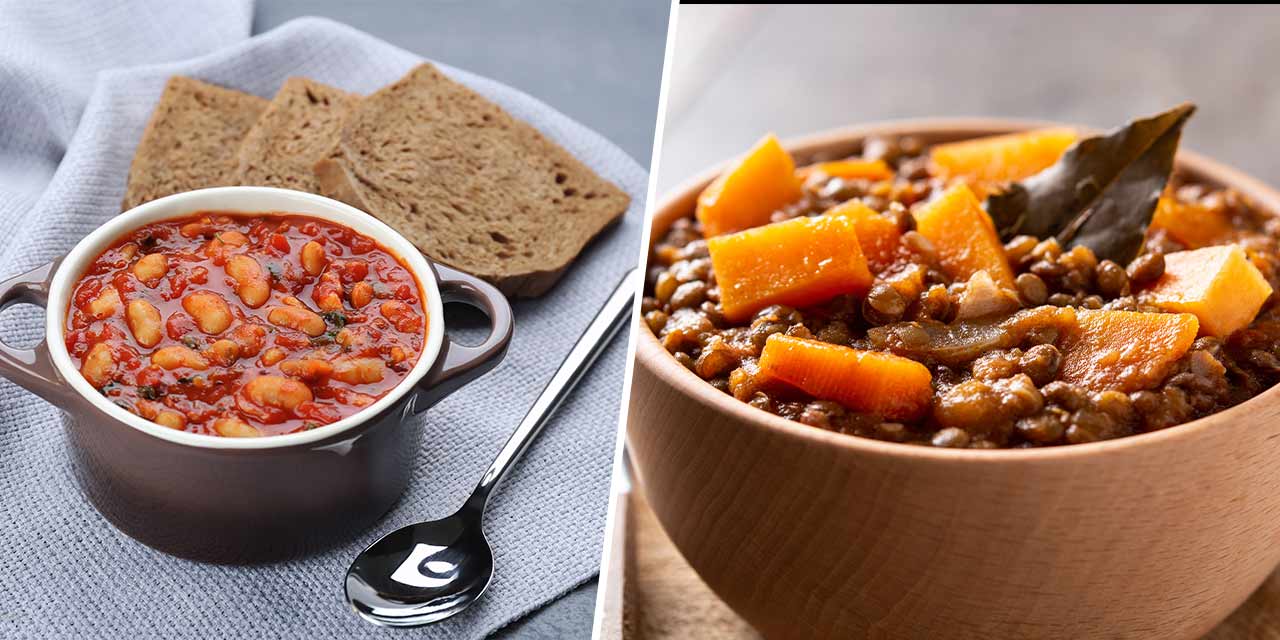
Traditional African Dishes
African grains and seeds are staples in many traditional dishes, providing nourishment and flavor.
Millet-Based Dishes
- Porridge: Millet porridge is a common breakfast dish across Africa, enjoyed with milk, sugar, or honey.
- Stews and Soups: Millet is often used to thicken soups and stews, adding a hearty texture.
Millet is incredibly versatile and can be used in both sweet and savory dishes.
In West Africa, it is commonly used to make a fermented porridge called fura, which is enjoyed as a cooling beverage or meal.
Sorghum Delicacies
- Flatbreads: Sorghum flour is used to make flatbreads, such as Sudanese kisra and Ethiopian injera.
- Beverages: Sorghum is fermented to produce traditional drinks like opaque beer in Southern Africa.
Sorghum’s adaptability makes it a staple in many African cuisines. In Ethiopia, injera, a sourdough flatbread made from sorghum, is a dietary staple.
Sorghum is also used to make traditional alcoholic and non-alcoholic beverages, reflecting its cultural importance.
Teff Treats
- Injera: A staple in Ethiopian and Eritrean cuisine, injera is a sourdough flatbread made from teff flour.
- Porridge: Teff porridge, known as genfo, is a popular dish in Ethiopia.
Teff is central to Ethiopian and Eritrean cuisines, where it is used to make the iconic injera.
This spongy flatbread is used to scoop up stews and salads, forming the basis of many meals.
Genfo, a thick porridge made from teff, is often served with spiced butter and berbere sauce.
Fonio Feasts
- Pilafs: Fonio is cooked as a fluffy grain similar to couscous and served with vegetables and meats.
- Desserts: Fonio is used in sweet dishes, combined with honey, nuts, and dried fruits.
Fonio’s light and fluffy texture makes it ideal for pilafs and salads. It cooks quickly and pairs well with a variety of ingredients.
In West Africa, fonio is often used in festive dishes and is a staple during special occasions.
Sesame Seed Creations
- Tahini: Ground sesame seeds are used to make tahini, a key ingredient in hummus and various dressings.
- Sesame Snacks: Roasted sesame seeds are often enjoyed as a snack or used to garnish dishes.
Sesame seeds are used in a variety of ways in African cuisine. They are often ground into a paste to make tahini, which is used in sauces and dips.
Roasted sesame seeds are also used to garnish dishes, adding a nutty flavor and crunchy texture.
Modern Culinary Innovations

As the global interest in African cuisine grows, chefs and food enthusiasts are finding innovative ways to incorporate African grains and seeds into contemporary dishes.
Fusion Cuisine
African grains and seeds are being embraced in fusion cuisine, where they are combined with ingredients and cooking techniques from other culinary traditions.
For example, teff is being used to make gluten-free pancakes and waffles, while fonio is featured in grain bowls and salads.
Health Foods
The health benefits of African grains and seeds have made them popular in the health food market.
Products like teff flour, fonio cereal, and sorghum snacks are becoming increasingly available in health food stores and online markets, appealing to health-conscious consumers.
Health Benefits of African Grains and Seeds
Supporting Heart Health
African grains and seeds are known for their heart-healthy properties.
The high fiber content in grains like sorghum and millet helps lower cholesterol levels, while the healthy fats in sesame seeds support cardiovascular function.
Fiber and Cholesterol
Dietary fiber plays a crucial role in maintaining heart health. It helps reduce levels of LDL cholesterol (the “bad” cholesterol) in the blood, which can lower the risk of heart disease.
Grains like millet and sorghum are excellent sources of fiber, making them beneficial for heart health.
Healthy Fats
Sesame seeds are rich in healthy fats, particularly polyunsaturated and monounsaturated fats. These fats help reduce inflammation and support overall cardiovascular health.
Including sesame seeds in the diet can contribute to a healthier lipid profile.
Managing Sugar Levels
The low glycemic index of grains like teff and fonio makes them ideal for individuals managing diabetes.
These grains release glucose slowly into the bloodstream, preventing spikes in blood sugar levels.
Glycemic Control
Grains like teff and fonio have a low glycemic index, making them excellent for managing blood sugar. They digest slowly, helping to maintain steady energy and support diabetic-friendly diets.
Explore our selection of low-GI African grains like teff and fonio to support healthy eating.
Insulin Sensitivity
Consuming whole grains and seeds can improve insulin sensitivity, which is crucial for blood sugar management.
The fiber and nutrients in these foods help regulate insulin production and utilization, promoting better glucose control.
Enhancing Digestive Health
The high fiber content in African grains promotes healthy digestion. Millet and sorghum, in particular, are effective in preventing constipation and promoting regular bowel movements.
Digestive Regularity
Dietary fiber is essential for maintaining digestive regularity. It adds bulk to the stool and promotes regular bowel movements, preventing constipation.
Grains like millet and sorghum are rich in insoluble fiber, which supports healthy digestion.
Gut Health
Fiber also serves as a prebiotic, providing nourishment for beneficial gut bacteria.
A healthy gut microbiome is linked to improved digestion, enhanced immune function, and better overall health.
Including fiber-rich grains in the diet can support a healthy gut.
Boosting Immune Function
The rich nutrient profile of African grains and seeds supports a robust immune system.
Minerals like zinc and magnesium found in sesame seeds and fonio play a crucial role in immune function and overall health.
Immune Boosting Nutrients
Zinc is an essential mineral for immune function, helping the body fight off infections and heal wounds.
Sesame seeds and fonio are good sources of zinc, making them beneficial for immune health.
Magnesium, found in many African grains, also supports immune function and overall well-being.
Antioxidant Properties
Many African grains and seeds contain antioxidants that help protect the body from oxidative stress and inflammation.
Sorghum, for example, is rich in phenolic compounds with antioxidant properties. These antioxidants support immune health and reduce the risk of chronic diseases.
Sourcing Authentic African Grains and Seeds

BaobabMart’s Commitment to Quality and Authenticity
At BaobabMart, we pride ourselves on offering authentic African grains and seeds sourced directly from reputable suppliers and artisans.
Our commitment to quality ensures that every product meets the highest standards of excellence.
Direct Sourcing
We partner directly with local farmers and cooperatives to bring you authentic, high-quality grains and seeds. This approach ensures freshness while supporting African farming communities.
Shop our ethically sourced African grains and seeds and make a difference with every purchase.
Quality Control
Our stringent quality control measures ensure that every product we offer meets our high standards. From the moment the grains and seeds are harvested to the time they reach our customers, we monitor every step of the process to guarantee quality and freshness.
Fairtrade Practices

We believe in fair trade practices that support African farmers and communities.
By establishing mutually beneficial relationships with our suppliers, we ensure that their hard work is duly rewarded, contributing to sustainable growth and economic development in the region.
Fair Compensation
Fairtrade practices ensure that farmers and producers receive fair compensation for their products.
This not only supports their livelihoods but also promotes sustainable agricultural practices and community development.
Community Impact
By sourcing our products through fair trade practices, we contribute to the economic development of African communities.
Fairtrade helps build stronger communities, improve living standards, and promote sustainable growth.
Cooking with African Grains and Seeds
Tipa and Techniques
Cooking with African grains and seeds can be a delightful culinary adventure. Here are some tips to get you started:
Soaking
Some grains, like millet and sorghum, benefit from soaking before cooking to reduce cooking time and improve digestibility.
Soaking helps break down anti-nutrients like phytic acid, making the grains more nutritious and easier to digest.
Toasting
Toasting grains like teff and sesame seeds before cooking enhances their flavor.
This simple technique brings out the nutty aroma and deepens the taste of the grains, adding complexity to your dishes.
Experimenting with Spices
African grains shine when combined with spices like cumin, coriander, and turmeric. These blends enhance flavor and bring out the richness of each dish. Don’t hesitate to mix and match to create your own signature meals.
Enhance your pantry with our authentic African spices and elevate every grain-based recipe.
Pairing with Other Ingredients
African grains and seeds are versatile and can be paired with a variety of ingredients.
They complement vegetables, meats, and legumes, making them suitable for a wide range of dishes.
Vegetables
African grains and seeds are versatile and can be paired with a variety of ingredients.
They complement vegetables, meats, and legumes, making them suitable for a wide range of dishes.
Meats
Teff and fonio can be used as a base for meat dishes, adding texture and flavor.
Use them to create grain bowls topped with grilled meats, sautéed greens, and a drizzle of sauce for a satisfying and balanced meal.
Legumes
Combining grains and legumes creates a complete protein source, providing all essential amino acids.
Try pairing fonio with chickpeas, lentils, or black-eyed peas for a protein-rich and filling dish.
The Future of African Grains and Seeds
Rising Global Interest
Interest in African grains and seeds is growing fast. Known for their health benefits and bold flavors, they are now used by chefs, nutritionists, and food lovers worldwide to add depth and diversity to modern dishes.
Browse our African grains and seeds collection to discover authentic ingredients for your recipes.
Culinary Trends
African grains and seeds are gaining popularity in today’s kitchens. Valued for their nutrition and flavor, they fit perfectly into plant-based and gluten-free diets, making them a favorite in both gourmet restaurants and home cooking.
Research and Innovation
Ongoing research and innovation in agriculture and food science are helping to improve the cultivation and processing of African grains and seeds. This research is focused on enhancing yield, nutritional value, and sustainability, ensuring that these crops continue to thrive and support global food security.
Sustainable Agriculture
As demand grows, sustainable agricultural practices are essential to ensure the continued availability and quality of African grains and seeds. Supporting local farmers through fair trade and organic farming methods can help preserve the environment and promote long-term food security.
Organic Farming
Organic farming practices minimize the use of synthetic chemicals and promote soil health. By supporting organic farming, we can ensure that African grains and seeds are grown in a way that respects the environment and promotes biodiversity.
Soil Health
Healthy soil is crucial for sustainable agriculture. Practices such as crop rotation, cover cropping, and composting help maintain soil fertility and prevent erosion. Supporting these practices ensures the long-term viability of African agriculture.
Conclusion
African grains and seeds are more than everyday staples. They reflect centuries of tradition, culture, and sustainable farming. At BaobabMart, we proudly bring you the finest selection of these nutrient-rich ingredients, sourced directly from African farmers.
Whether you’re passionate about healthy eating, cultural connection, or culinary creativity, our grains and seeds offer something meaningful for everyone.
Make a nourishing choice that supports communities and honors tradition.
Browse our full grains and seeds collection and experience Africa in every bite.