










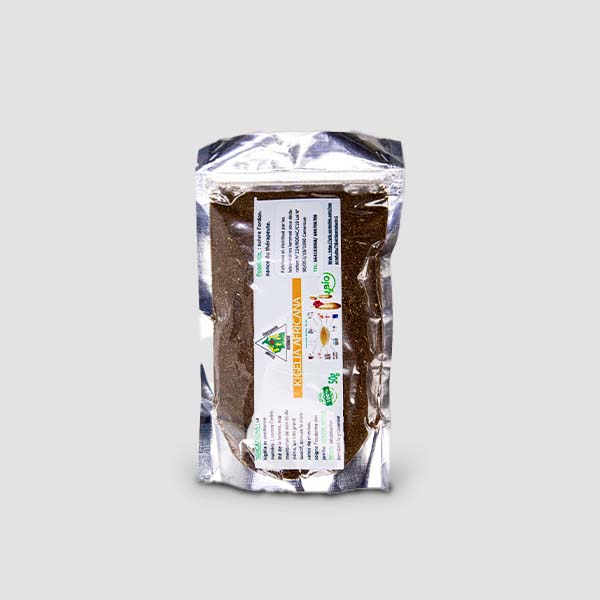


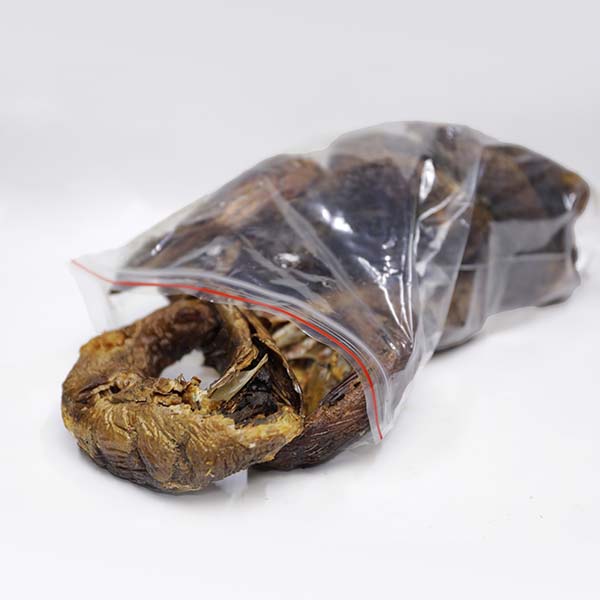


Bitter leaves, derived from the Vernonia amygdalina plant, are a cornerstone of African cuisine and traditional medicine. Their characteristic bitter taste is not only a flavor enhancer in various dishes but also a key indicator of their potent medicinal properties. As a staple in many African households, bitter leaves are consumed in both fresh and dried forms, each offering unique benefits and effects. In this article, we will explore the comprehensive comparison between fresh and dried bitter leaves, covering aspects such as their nutritional content, health benefits, culinary applications, and storage. By understanding these differences, you can make an informed choice on how best to incorporate this remarkable plant into your diet and wellness routine.
This contains;
Fresh Bitter Leaves vs. Dried Leaves
| Fresh Bitter Leaves | Dried Bitter Leaves | |
| Nutritional content | ⭐⭐⭐⭐⭐Rich in vitamins A, C, E, and B-complex vitamins, along with essential minerals like iron, calcium, and magnesium | ⭐⭐Contains only fiber and minerals due to the drying process |
| Culinary Uses | ⭐⭐Only used in one dish; ndolé | ⭐⭐⭐⭐ Used in dishes such as porridge cocoyam, Ofe Onugbu, egusi soup |
| Preservation methods | ⭐⭐⭐Preserved by refrigeration or freezing | ⭐⭐⭐⭐⭐No refrigeration needed; Only in dry places |
| Health benefits | ⭐⭐⭐⭐⭐Contains all the essential nutrients for overall health and immune function | ⭐⭐⭐Concentrates fibers and minerals for digestion |
| Convenience and Storage | ⭐⭐⭐Shorter shelf life and must be stored properly to prevent wilting and spoilage | ⭐⭐⭐⭐⭐Easier to store and have a longer shelf life |
| Shipping | ⭐Cannot easily be shipped; High risk of wilting and spoilage | ⭐⭐⭐⭐⭐Can be shipped to anywhere in the world |
Understanding Fresh and Dried Bitter Leaves
What Are Fresh Bitter Leaves?
Fresh bitter leaves are directly harvested from the Vernonia amygdalina plant. They are characterized by their vibrant green color and robust, bitter flavor. In their fresh state, these leaves are packed with moisture and a wide range of nutrients, making them highly valued in both cooking and traditional healing practices. Fresh bitter leaves are often used in their raw form for salads, or they may be rinsed and boiled to reduce their bitterness before being added to soups and stews.
What Are Dried Bitter Leaves?
Dried bitter leaves are the dehydrated form of fresh bitter leaves. The drying process involves removing the moisture content from the leaves, which helps in preserving them for longer periods. This process intensifies the flavor, concentrating the bitterness while retaining many of the nutritional benefits. Dried bitter leaves are especially popular in regions where access to fresh leaves may be limited, and they are often rehydrated before use in cooking.
The Importance of Both Forms in African Culture
In many African cultures, the use of both fresh and dried bitter leaves is widespread and significant. Fresh bitter leaves are often preferred for their immediate availability and potent flavor, while dried bitter leaves are valued for their convenience and extended shelf life. Both forms are deeply embedded in traditional culinary practices, with specific recipes and methods of preparation passed down through generations. Additionally, the use of bitter leaves in traditional medicine highlights their importance beyond just food, as they are employed in various remedies for ailments ranging from digestive issues to malaria.
Nutritional Comparison
Nutritional Profile of Fresh Bitter Leaves
Fresh bitter leaves are rich in a variety of essential nutrients, making them a highly nutritious addition to any diet. The key nutrients include:
- Vitamins: Fresh bitter leaves are an excellent source of vitamins A, C, and E. Vitamin A is crucial for maintaining good vision and promoting skin health, while vitamin C supports immune function and enhances iron absorption. Vitamin E acts as a powerful antioxidant, protecting cells from oxidative damage.
- Minerals: Fresh leaves contain high levels of calcium, iron, and potassium. Calcium is essential for bone health, iron is critical for the production of red blood cells and oxygen transport, and potassium helps regulate blood pressure and maintain fluid balance.
- Phytonutrients: These leaves are rich in phytonutrients, including flavonoids and alkaloids, which have anti-inflammatory, anti-cancer, and anti-diabetic properties.
- Water Content: The high water content in fresh bitter leaves contributes to hydration and helps in maintaining the overall balance of bodily fluids.
Nutritional Profile of Dried Bitter Leaves
The drying process can affect the nutrient composition of bitter leaves, but many of the essential nutrients are retained, albeit in a more concentrated form:
- Concentrated Nutrients: Drying reduces the water content, resulting in a concentration of vitamins, minerals, and phytonutrients. This means that a smaller quantity of dried bitter leaves can provide similar, if not greater, nutritional benefits compared to fresh leaves.
- Antioxidants: The antioxidants present in fresh bitter leaves, such as vitamin E and certain phytonutrients, remain intact during drying. These antioxidants are crucial for neutralizing free radicals and preventing oxidative stress, which is linked to chronic diseases.
- Dietary Fiber: Dried bitter leaves retain their dietary fiber content, which is important for digestive health, helping to regulate bowel movements and support a healthy gut microbiome.
- Reduced Vitamin C Content: Vitamin C, being sensitive to heat and air, may decrease during the drying process. However, the leaves still offer other vital nutrients that contribute to overall health.
Differences in Nutritional Value
The differences in nutritional value between fresh and dried bitter leaves are subtle yet significant:
- Vitamin Retention: Fresh bitter leaves have higher levels of vitamin C compared to dried leaves, making them slightly superior in this regard. Vitamin C is a water-soluble vitamin that is susceptible to degradation during drying.
- Nutrient Density: Dried bitter leaves, due to the loss of water content, offer a more nutrient-dense option. This means that a smaller serving of dried leaves can provide the same nutritional punch as a larger serving of fresh leaves.
- Flavor and Aroma: The drying process intensifies the flavor and aroma of bitter leaves. While fresh leaves offer a more delicate bitterness, dried leaves have a stronger, more pronounced flavor that can be either a benefit or a drawback, depending on personal preference.
Health Benefits of Fresh and Dried Bitter Leaves
Health Benefits of Fresh Bitter Leaves
Fresh bitter leaves are celebrated for their wide range of health benefits, which are derived from their rich nutritional content:
Immune System Support
- High in Immune-Boosting Vitamins: The abundance of vitamins A, C, and E in fresh bitter leaves helps to fortify the immune system, making the body more resilient to infections and illnesses. Regular consumption can enhance the body’s natural defenses, particularly during cold and flu seasons.
Digestive Health
- Natural Laxative Effect: Fresh bitter leaves are known to stimulate digestive enzymes, promoting better digestion and aiding in the relief of constipation and other gastrointestinal issues. Their natural laxative effect is gentle and helps maintain regular bowel movements.
Antimicrobial Properties
- Fighting Infections: Fresh bitter leaves have potent antimicrobial properties, which can help the body fight off bacterial, viral, and fungal infections. This makes them a valuable component in traditional medicine, particularly in treating ailments such as malaria and respiratory infections.
Health Benefits of Dried Bitter Leaves
Dried bitter leaves, while sharing many of the benefits of fresh leaves, also offer some unique advantages due to their concentrated form:
Liver Detoxification
- Natural Detoxifier: Dried bitter leaves are often used in traditional detoxification therapies to cleanse the liver. They stimulate bile production, which aids in the digestion and elimination of toxins from the body. Regular consumption can support liver health and prevent liver-related diseases.
Weight Management
- Promoting Satiety: The high fiber content in dried bitter leaves promotes a feeling of fullness, which can help reduce overall calorie intake and support weight loss efforts. This is particularly beneficial for individuals looking to manage their weight naturally.
Blood Sugar Control
- Regulating Blood Glucose Levels: Dried bitter leaves have been shown to improve insulin sensitivity and help regulate blood sugar levels. This makes them a beneficial addition to the diet of individuals with diabetes or those at risk of developing the condition.
Comparing the Health Benefits
When comparing the health benefits of fresh and dried bitter leaves, several key points emerge:
- Immediate vs. Sustained Benefits: Fresh bitter leaves provide immediate benefits, particularly in boosting the immune system and supporting digestive health. Dried bitter leaves, on the other hand, offer sustained benefits over time, particularly in detoxification and weight management.
- Accessibility: Fresh bitter leaves are typically more potent in their immediate effects due to their high water content and fresh enzymes. However, dried bitter leaves are more accessible and can be stored for long periods, making them a convenient option for ongoing health maintenance.
Culinary Uses of Fresh and Dried Bitter Leaves
Cooking with Fresh Bitter Leaves
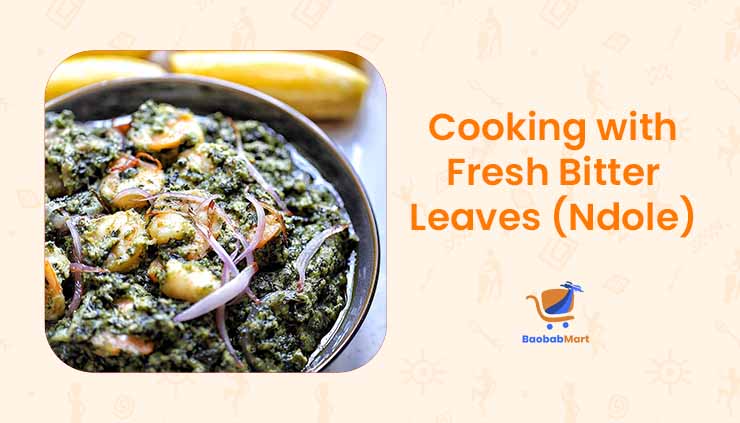
Fresh bitter leaves are a key ingredient in many traditional African dishes, where their strong, bitter flavor adds complexity and depth to meals:
Soups and Stews
- Egusi Soup: Fresh bitter leaves are often used in Egusi soup, a popular Nigerian dish made with ground melon seeds, meat, and spices. The leaves are typically added towards the end of cooking to preserve their flavor and nutritional content.
- Bitter Leaf Soup (Ofe Onugbu): Another staple in Nigerian cuisine, Bitter Leaf Soup is made with fresh bitter leaves, cocoyam, and assorted meats or fish. The leaves are boiled and rinsed multiple times to reduce their bitterness before being added to the soup.
Salads and Raw Dishes
- Fresh Salads: In some regions, fresh bitter leaves are used in salads, where their bitterness is offset by the addition of sweet or tangy ingredients such as tomatoes, onions, and avocados. This creates a refreshing and nutrient-dense salad that is both flavorful and health-promoting.
Cooking with Dried Bitter Leaves
Dried bitter leaves are versatile and can be used in many of the same dishes as fresh leaves, with some adjustments to preparation methods:
Rehydrated in Soups and Stews
- Ndolé: A traditional dish from Cameroon, Ndolé is made with groundnuts, meat, and rehydrated dried bitter leaves. The leaves are soaked in water before being added to the stew, where they absorb the rich flavors of the other ingredients.
- Bitter Leaf Stew: Dried bitter leaves are also used in various stews across Central Africa. They are rehydrated and cooked with tomatoes, onions, and meat to create a hearty and nutritious meal.
Herbal Teas and Infusions
- Bitter Leaf Tea: Dried bitter leaves can be brewed into an herbal tea that is known for its detoxifying properties. This tea is often consumed as a natural remedy for digestive issues and to support overall well-being.
- Health Infusions: The leaves can be used to make infusions that are consumed for their medicinal benefits, such as lowering blood sugar levels and aiding in weight management.
Comparing Culinary Uses
The culinary uses of fresh and dried bitter leaves can vary depending on the dish and the desired outcome:
- Flavor Profile: Fresh bitter leaves offer a more intense, sharp bitterness, which can be desirable in certain traditional dishes. Dried bitter leaves, once rehydrated, have a slightly milder flavor, which may appeal to those who prefer a less intense taste.
- Preparation Requirements: Fresh bitter leaves require more preparation, including multiple rinsing and boiling steps to reduce their bitterness. Dried bitter leaves are more convenient in this regard, as they simply need to be rehydrated before use.
Storage and Shelf Life
Storing Fresh Bitter Leaves
Fresh bitter leaves are perishable and require careful storage to maintain their quality:
- Refrigeration: Fresh bitter leaves should be stored in the refrigerator, preferably in a plastic bag or container with a little moisture to keep them fresh. They can typically last up to a week when stored properly.
- Freezing: For longer storage, fresh bitter leaves can be blanched and frozen. This process helps preserve their nutrients and extends their shelf life to several months.
Storing Dried Bitter Leaves
Dried bitter leaves have a significantly longer shelf life and are easier to store:
- Airtight Containers: Store dried bitter leaves in an airtight container in a cool, dry place. This will help preserve their flavor and nutritional value.
- Long-Term Storage: Dried bitter leaves can last for several months to a year when stored properly, making them a practical option for long-term use.
Comparing Storage and Shelf Life
When it comes to storage and shelf life, dried bitter leaves are the clear winner:
- Longevity: Dried bitter leaves can be stored for extended periods without losing their nutritional value, making them a convenient option for those who may not have frequent access to fresh leaves.
- Ease of Storage: The ability to store dried bitter leaves at room temperature adds to their convenience, especially in regions where refrigeration may not be readily available.
Effects on Overall Well-Being
Fresh Bitter Leaves
Fresh bitter leaves are known for their immediate impact on health and well-being:
- Immediate Nutrient Intake: Consuming fresh bitter leaves provides a quick boost of essential vitamins and minerals, which can improve energy levels, support immune function, and promote overall health.
- Freshness Factor: The freshness of the leaves contributes to their potency, making them a preferred choice for those seeking the most immediate health benefits.
Dried Bitter Leaves
Dried bitter leaves offer sustained benefits over time:
- Consistency in Nutrition: While some vitamins, such as vitamin C, may be lost during drying, the concentrated nutrients in dried bitter leaves provide a reliable source of health benefits, particularly when fresh leaves are not available.
- Long-Term Use: The extended shelf life of dried bitter leaves makes them suitable for long-term use, ensuring that you can maintain a consistent intake of their health-promoting compounds.
Comparing Effects on Well-Being
Both fresh and dried bitter leaves contribute to overall well-being, but they do so in slightly different ways:
- Immediate vs. Sustained Benefits: Fresh bitter leaves offer immediate health benefits due to their high nutrient content and freshness, while dried bitter leaves provide a more sustained source of nutrition that can be enjoyed over time.
- Adaptability: The adaptability of dried bitter leaves makes them a practical choice for maintaining health year-round, especially in areas where fresh leaves may not be readily available.
Environmental Impact and Sustainability
Fresh Bitter Leaves
The cultivation and consumption of fresh bitter leaves have both positive and negative environmental impacts:
- Local Sourcing: Fresh bitter leaves are often locally sourced, which reduces the carbon footprint associated with transportation. This supports local farmers and promotes sustainable agriculture.
- Perishability: The high perishability of fresh bitter leaves can lead to food waste if not consumed quickly. This waste contributes to environmental issues such as increased greenhouse gas emissions from decomposing organic matter.
Dried Bitter Leaves
Dried bitter leaves offer a more sustainable option in terms of storage and transportation:
- Reduced Waste: The extended shelf life of dried bitter leaves reduces the likelihood of food waste, making them a more sustainable choice for both consumers and suppliers.
- Energy Use in Drying: However, the drying process itself may require energy, depending on the method used. Traditional sun-drying methods have a lower environmental impact compared to industrial drying techniques that may rely on fossil fuels.
Comparing Environmental Impact
When considering the environmental impact, dried bitter leaves generally offer a more sustainable option:
- Less Food Waste: Dried bitter leaves are less likely to spoil, reducing the amount of food waste and its associated environmental impact.
- Lower Transportation Impact: The ability to store and transport dried bitter leaves more easily reduces the carbon footprint, particularly in regions where fresh leaves are not locally available.
Conclusion
The comparison between fresh and dried bitter leaves reveals that both forms offer unique benefits and play important roles in African cuisine and traditional medicine. Fresh bitter leaves provide immediate access to a wide range of nutrients and are favored for their potent flavor and health benefits. On the other hand, dried bitter leaves offer convenience, longer shelf life, and concentrated nutrients, making them a practical choice for those who need a reliable source of bitter leaves year-round.
Ultimately, the choice between fresh and dried bitter leaves depends on your personal needs, availability, and how you plan to use them in your diet and wellness routine. Whether you prefer the fresh, vibrant taste of just-harvested leaves or the convenience and versatility of dried leaves, incorporating either form into your lifestyle can help you enjoy the many health benefits and rich cultural heritage associated with this remarkable plant.
In summary, though fresh bitter leaves are integral to ndolé, dried bitter leaves are more commended to online buyers since they offer convenience and longer shelf life.




2 Comments
Gracias por compartir.. , me interesa información sobre las hojas secas amargas o no…
Gracias
Thanks so much for your message! 🌿 Yes, some dried leaves do have a naturally bitter taste, while others are milder; it really depends on the type.