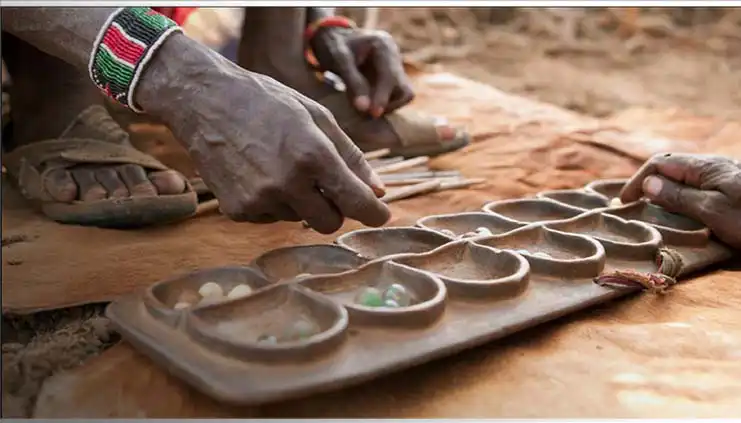

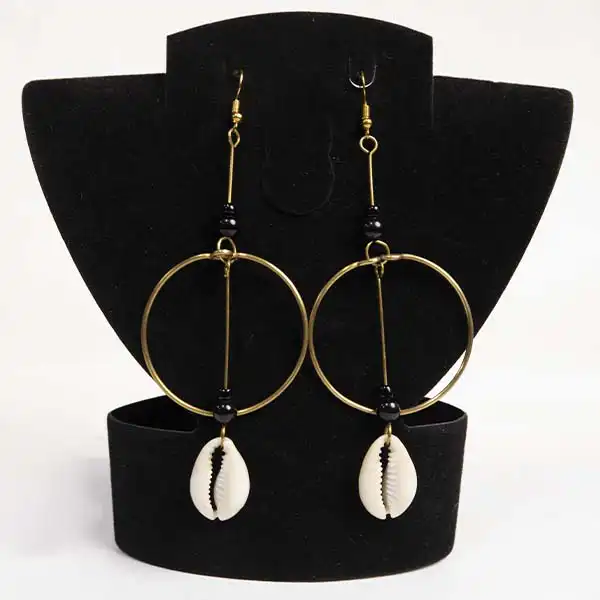
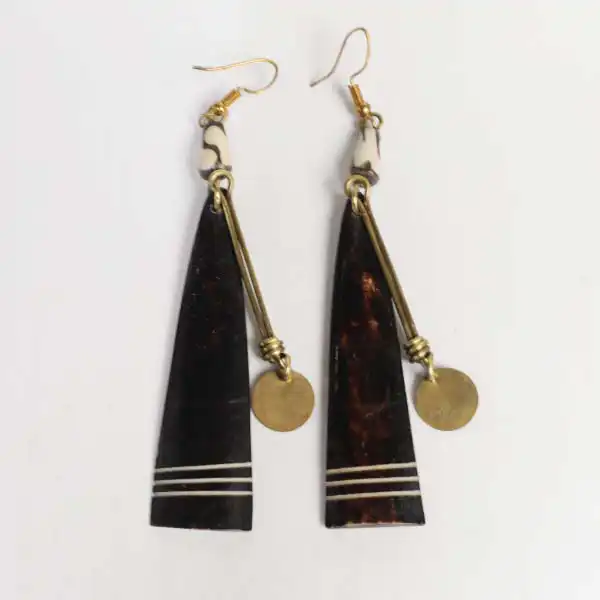


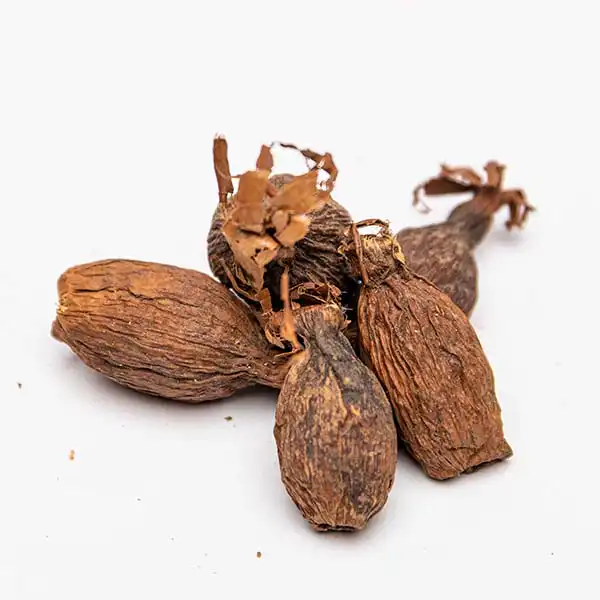
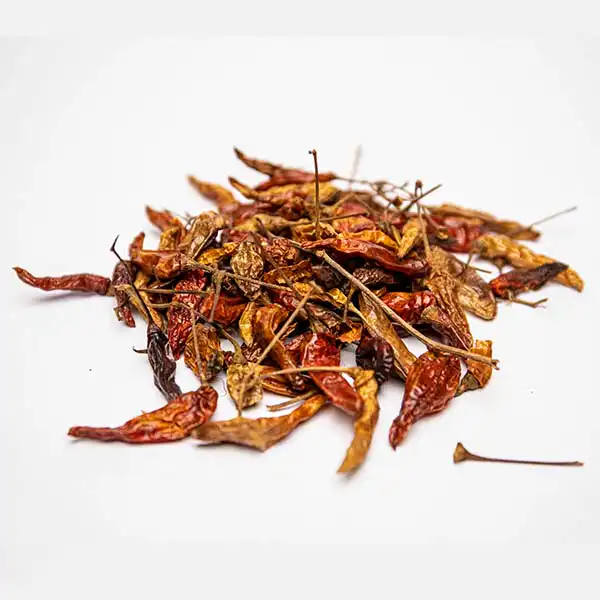

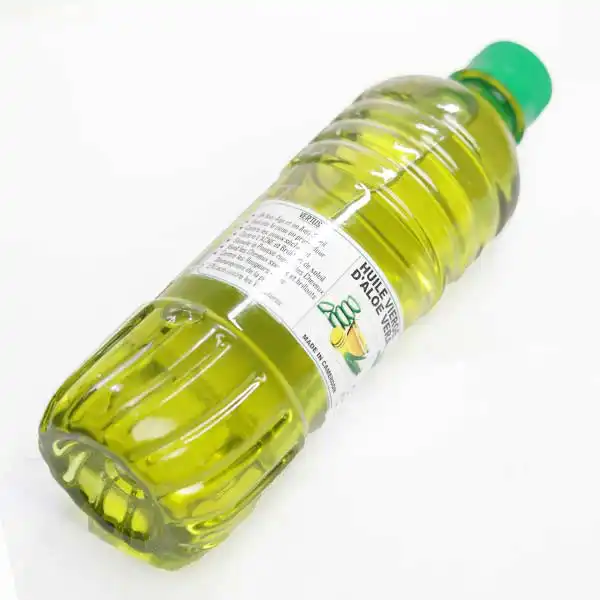
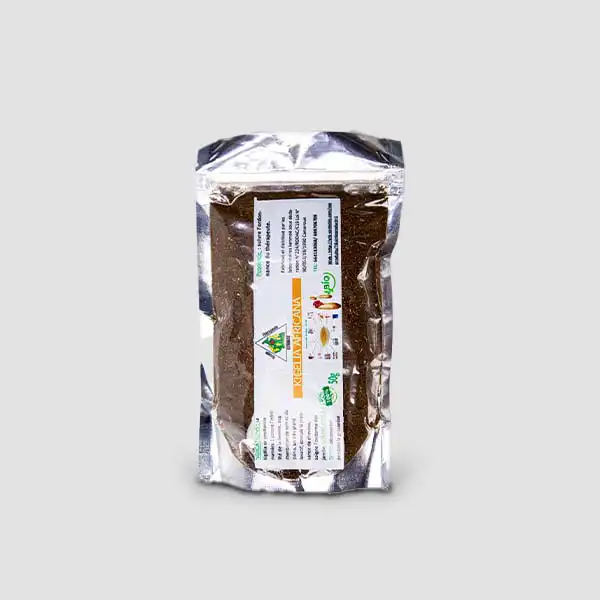
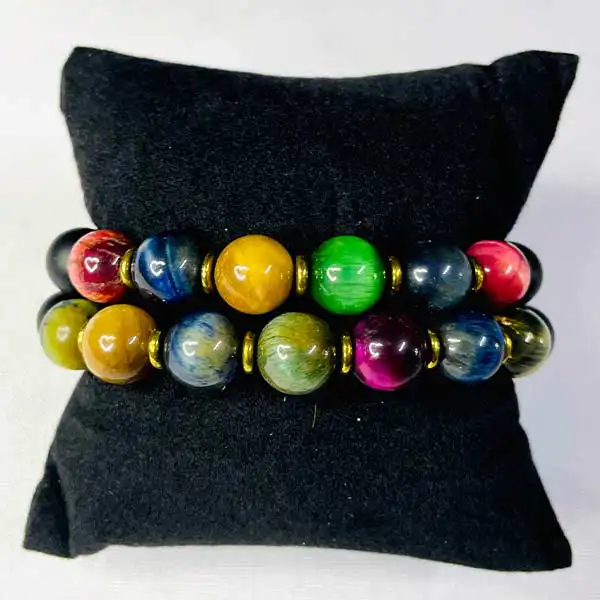
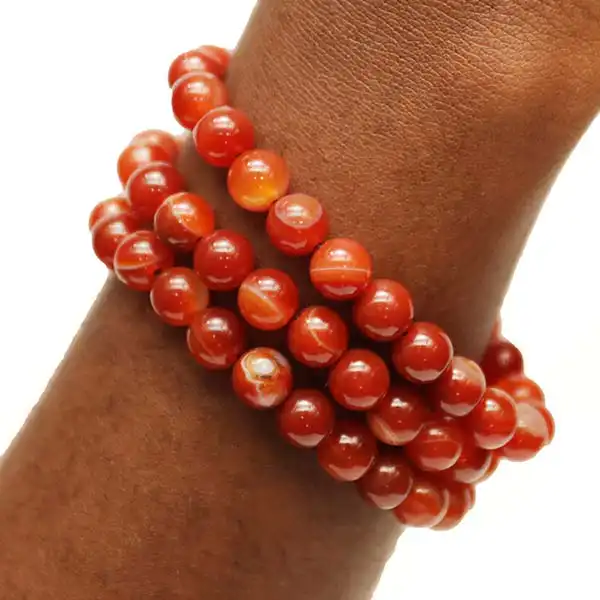
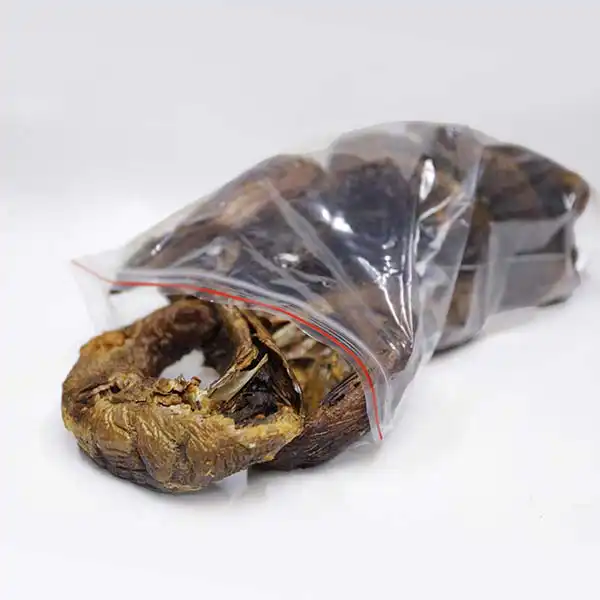
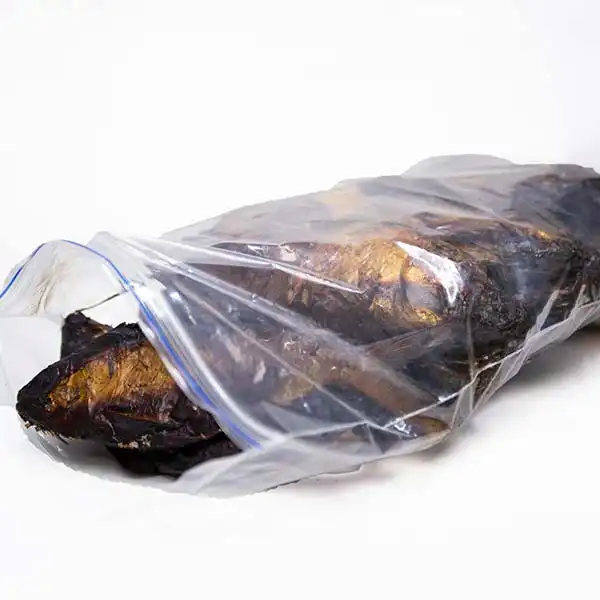

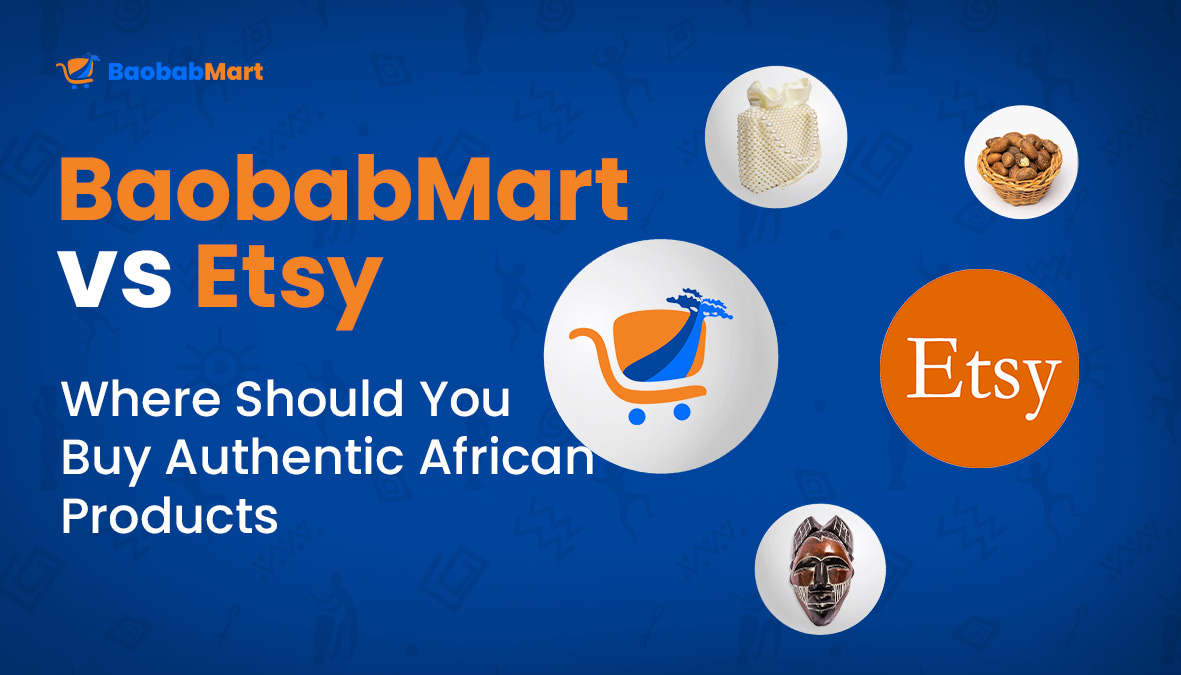
Etsy is a strong marketplace for handmade, vintage, and creative goods from independent sellers around the world. BaobabMart is more focused: it is built for buyers who want African products from Africa, including groceries, spices, natural beauty products, clothing, jewellery, handmade masks, figurines, sculptures, carvings, baskets, and home décor.
If you want broad handmade discovery, Etsy is useful. If you want authentic African products with clearer sourcing, cultural relevance, and niche-focused support, BaobabMart is the better place to start.
Navigating the decision between baobabmart vs Etsy comes down to whether you prefer a global handmade marketplace or a specialized hub dedicated entirely to authentic African goods.
Why This Comparison Matters
Etsy is one of the most trusted places online for handmade, vintage, personalised, and creative goods. Many buyers go there because they want something with more character than a mass-market product.
That makes this comparison important.
A buyer searching for African products on Etsy is usually not looking for cheap generic items.
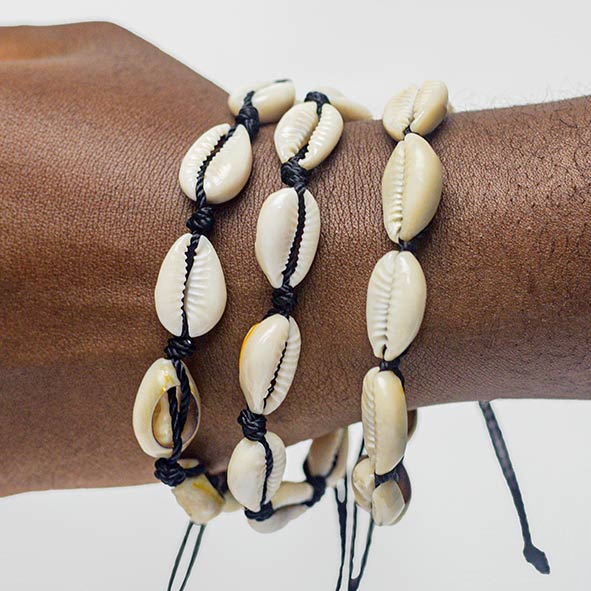
They may be looking for a handmade necklace, African print clothing, carved décor, natural shea butter, cowrie accessories, baskets, masks, sculptures, or something that feels meaningful.
The challenge is that “handmade” and “African-made” do not always mean the same thing.
A product can be handmade, beautiful, and still made outside Africa. It can be African-inspired, well-designed, and still not come from African artisans or African producers.
That is where BaobabMart creates a clearer path for buyers who want the African connection to be part of the product itself, not just part of the design style.
Etsy’s Strength: Handmade Discovery At Global Scale
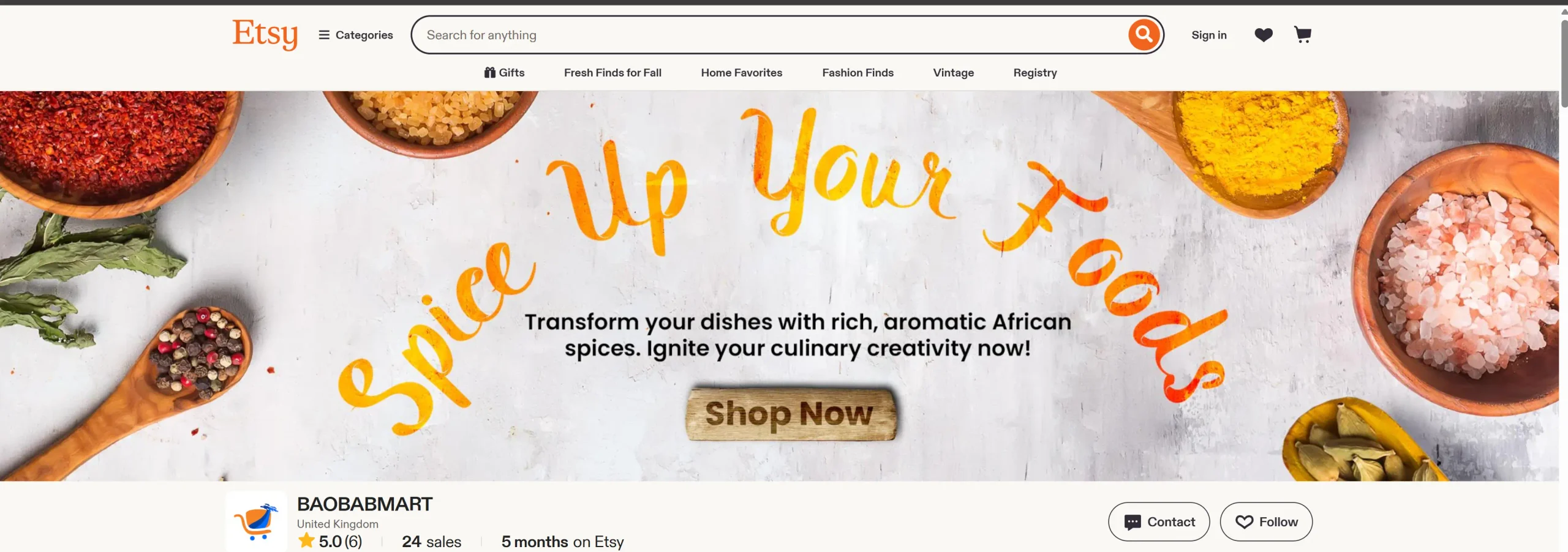
Etsy is popular for a reason.
It gives buyers access to thousands of small shops and independent makers across different countries. You can find personalised jewellery, hand-painted décor, custom clothing, vintage pieces, craft supplies, artwork, and gifts that feel different from standard retail.
For African-inspired products, Etsy can be useful when you want variety and are willing to search carefully.
You may find beautiful beaded jewellery, Ankara-inspired clothing, wall art, baskets, cowrie accessories, and customised pieces.
Etsy also gives buyers tools to filter results by price, category, delivery estimates, offers, and other shopping needs.
Its help centre explains that Etsy search lets buyers explore shops from around the world and filter results by price, delivery date, offers, category, and more.
That is Etsy’s real advantage: discovery.
You can explore a huge creative marketplace and find things you did not know you were looking for.
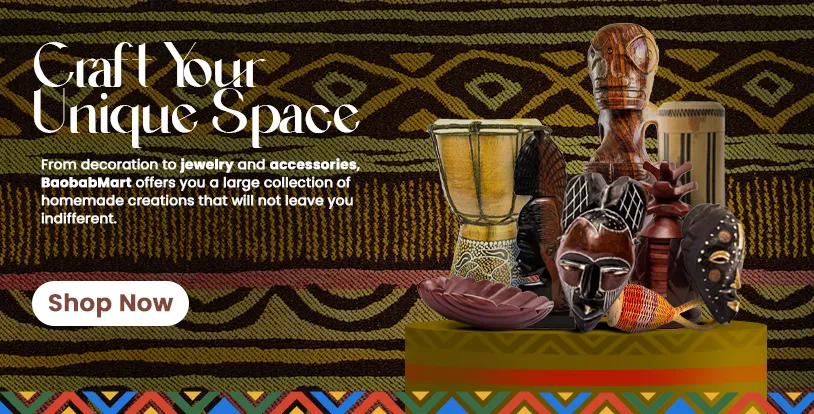
Where Etsy Becomes Harder For African Products
The challenge starts when the buyer wants African authenticity, not only African styling.
On Etsy, every shop operates independently. Etsy explains that buyers purchase directly from independent sellers, and each seller manages their own orders and inventory. That model gives sellers freedom, but it also places more responsibility on the buyer.
You often have to check:
- where the seller is based
- whether the item is made by the seller
- whether it is African-made or African-inspired
- what materials were used
- how long shipping will take
- whether the cultural meaning is explained properly
Etsy does have policies around handmade and seller-made items. Its rules say items must be made, designed, handpicked, or sourced by the seller, and that reselling mass-produced items as handmade is not allowed in the Handmade category.
That helps. Still, for African products, the buyer usually has to do more checking.
A necklace may be cowrie-inspired but made outside Africa. A mask may look African but come from a décor wholesaler.
A fabric may use African print but have no clear connection to African production. Some items are genuinely beautiful and well-made, but the path to verifying origin can take time.
For casual shopping, that may be fine. For someone who wants the real thing, it creates friction.
BaobabMart’s Strength: African Products As The Main Category
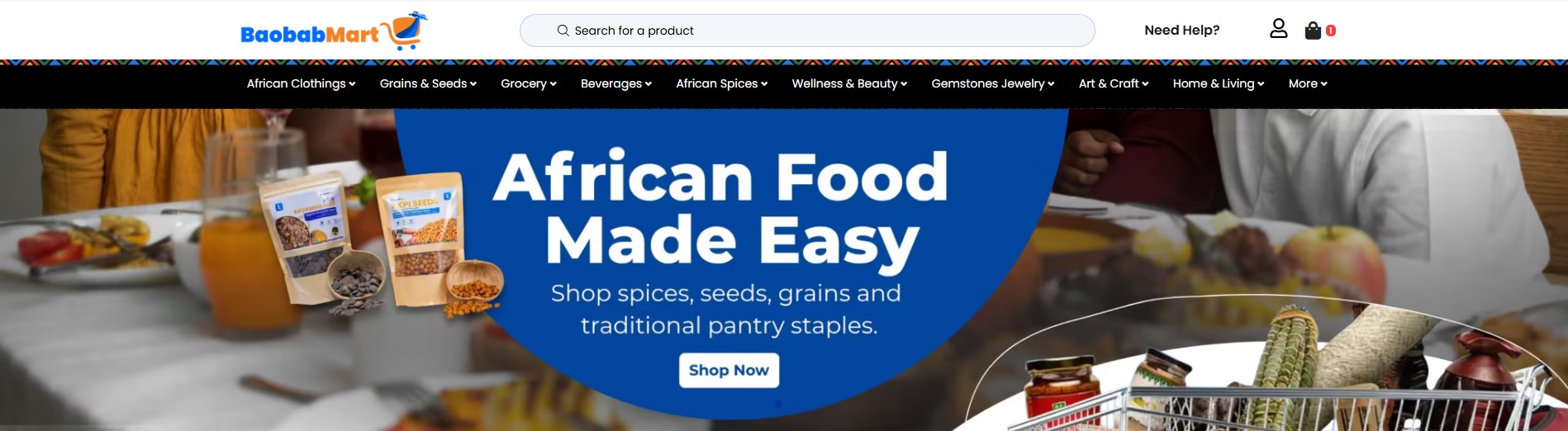
BaobabMart begins from a more specific place.
It is not trying to cover every type of handmade product in the world. Its purpose is African commerce: connecting buyers with products rooted in African sourcing, African creativity, African materials, and African sellers.
That focus changes the shopping experience.
You are not searching through a global handmade platform and trying to separate African-made goods from African-inspired goods. You are entering a marketplace where the African product niche is already the centre.
That matters across categories like:
- African groceries, grains, seeds, and spices
- Raw and natural beauty products like shea butter and oils
- African clothing, fabrics, footwear, bags, and accessories
- Handmade African masks, figurines, carvings, and sculptures
- beads, baskets, crafts, cowrie pieces, and home décor
This is where BaobabMart becomes more relevant than Etsy for a buyer who cares about origin.
The platform is built around the exact kind of product the buyer is searching for.
Authenticity: Handmade Is Not Always The Same As African-Made
This is the heart of the comparison.
Etsy is strong for handmade and creative work. BaobabMart is stronger when the buyer specifically wants African-made or Africa-sourced products.
That distinction matters.
A product can be handmade in the US, UK, France, or Germany and still be inspired by African culture. It may be beautiful. It may be high quality. It may even be made by someone who deeply respects African design.
But a buyer looking for authentic African products may want more than inspiration.
They may want:
- fabrics sourced from African sellers
- spices grown and prepared in Africa
- masks carved by African artisans
- sculptures made with African materials
- natural oils processed by African producers
- jewellery tied to African beadwork traditions
BaobabMart is better aligned with that kind of buyer because its marketplace exists around African origin and cultural product relevance.
You are not just buying something that looks African. You are trying to buy something with a clearer connection to Africa.
Pricing and Value: BaobabMart vs Etsy
Etsy pricing can vary widely because each seller sets their own prices. That can be helpful when you want options. You may find affordable pieces, premium handmade work, custom designs, and rare vintage items all in the same search.
Seller costs can also affect pricing. Current Etsy fee breakdowns show sellers commonly deal with a $0.20 listing fee, a 6.5% transaction fee, payment processing fees, and possible offsite ad fees depending on the sale.
Those fees do not automatically mean Etsy is expensive. Many sellers price fairly. But for buyers, pricing can feel inconsistent because the platform includes many seller types, production models, locations, and shipping setups.
BaobabMart’s value sits in a different place.
The value comes from niche focus, clearer African sourcing, and the ability to buy across African product categories in one marketplace. If you are buying shea butter, grains, beads, carved décor, traditional clothing, and African spices, BaobabMart helps you shop inside one coherent product world.
That saves time.
It also reduces the need to compare dozens of unrelated sellers to understand which one is truly connected to African sourcing.
Shopping Experience and Buyer Confidence
Etsy is excellent when you enjoy browsing.
You can spend time exploring different shops, saving favourites, comparing designs, and messaging sellers. For gifts, personalised items, and creative inspiration, that kind of browsing is part of the appeal.
For African products, the same experience can become slower.
A buyer may need to open several listings before understanding:
- who made the product
- where the materials come from
- whether the item is handmade, sourced, or designed
- whether it is actually from Africa
- whether the seller understands the cultural meaning
BaobabMart gives the buyer a more direct path.
The categories are already African-focused, so the shopping process feels less scattered. A buyer looking for African crafts can move from masks to figurines to sculptures without leaving the niche. A buyer looking for African fashion can explore clothing, fabrics, bags, footwear, and accessories in the same environment.
This matters because confidence builds faster when the marketplace itself understands the product category.
Handmade African Arts, Masks, Figurines, and Sculptures
This is one of the clearest areas where BaobabMart should stand out.
African arts and crafts are not ordinary décor items. A handmade mask, carved figurine, wooden sculpture, beadwork item, or woven home piece often carries a craft tradition behind it.
A serious buyer wants to know:
- what material was used
- whether the piece is handmade
- where it comes from
- whether it was made by an African artisan
- whether it has cultural meaning or decorative purpose
Etsy can be useful for finding creative décor and handmade art, especially if the seller explains the piece well. But because Etsy is broad, the buyer must check each listing carefully.
BaobabMart gives African arts and crafts a stronger natural home.
The category fits the marketplace. The buyer does not have to treat African masks, sculptures, figurines, and carvings as one small decorative subcategory among millions of unrelated handmade goods. They sit within a wider African product environment, alongside fashion, jewellery, fabrics, beauty products, and cultural home pieces.
That makes the buying experience feel more grounded.
Communication and Support
Etsy’s communication depends heavily on the individual seller. Many Etsy sellers are excellent communicators. They answer questions, offer custom work, and help buyers understand details before ordering.
That seller-to-buyer relationship is one of Etsy’s strengths.
The challenge is consistency. One shop may reply quickly. Another may take longer. One seller may explain cultural context well. Another may focus only on the product description.
BaobabMart’s advantage comes from niche support.
A buyer asking about African spices, handmade crafts, natural oils, or traditional fabrics is asking questions inside the platform’s main area of focus. That makes support more relevant.
This matters when the buyer needs help choosing between products, understanding origin, checking delivery expectations, or buying multiple African categories at once.
Which Platform Should You Choose?
Here is the practical way to decide.
This is the simplest way to think about it.
Etsy is better for broad handmade browsing. BaobabMart is better for focused African product buying.
The Clear Takeaway
Etsy is a valuable marketplace. It gives independent sellers a global audience and gives buyers access to creative products they may never find in ordinary stores.
BaobabMart serves a more specific need.
It is built for buyers who want African products from Africa, made or sourced through African producers, artisans, farmers, and sellers. That focus makes a difference when you are buying items where origin matters: spices, grains, shea butter, oils, clothing, fabrics, masks, figurines, sculptures, jewellery, baskets, and cultural home décor.
Choose Etsy when you want to browse global handmade creativity.
Choose BaobabMart when you want African products with clearer sourcing, stronger niche focus, and a marketplace built around the culture you are actually shopping for.