




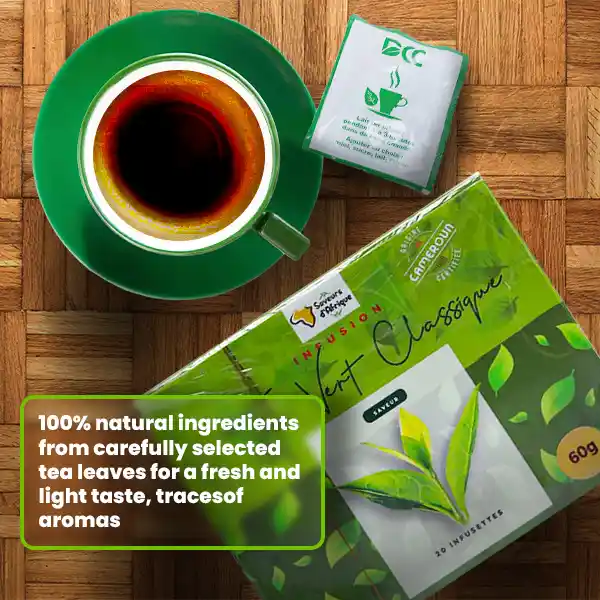
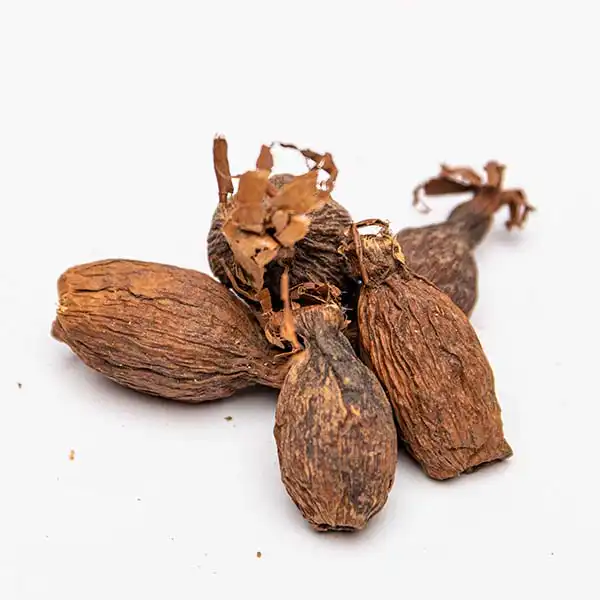


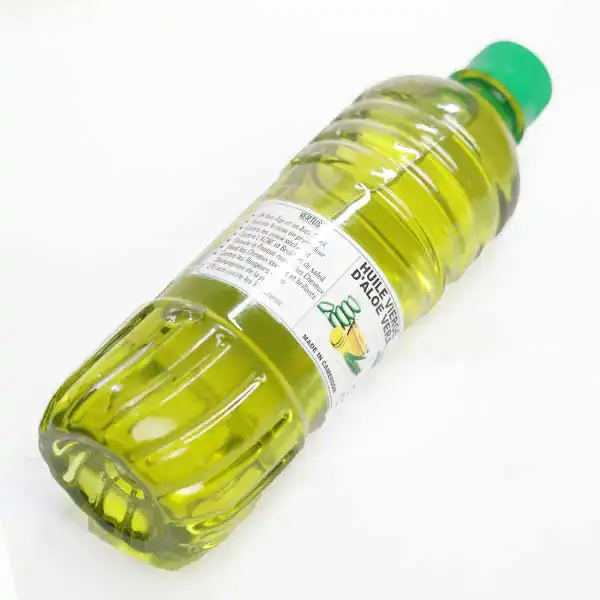
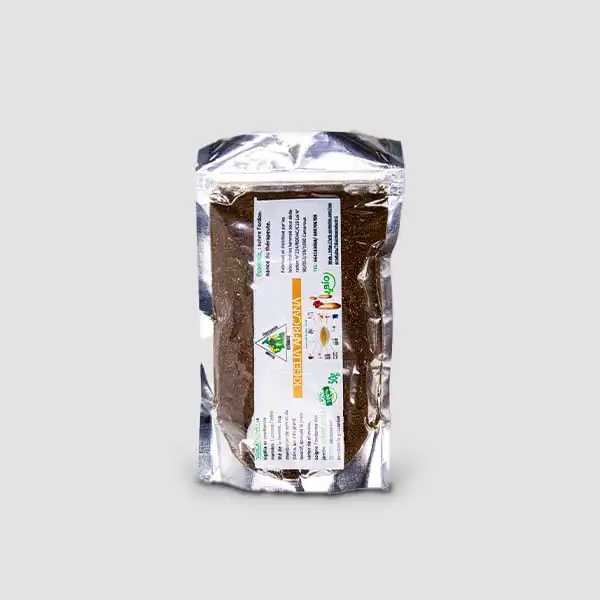







If you’re sourcing African products in the US, your best options fall into two groups: US-based distributors like Africa Imports and African Modern for fast delivery, and global marketplaces like BaobabMart and ANKA when you want direct access to African producers and a wider product range.
As demand for authentic African products in the US continues to grow, buyers are becoming more intentional about quality and origin.
Whether you are looking for traditional textiles, handmade crafts, or regional pantry staples, using trusted platforms helps eliminate the risk of mass-produced imitations while supporting the original creators directly.
What You’re Actually Looking For (Even If You Don’t Say It)
If you’re searching for African product suppliers in the US, you’re not just browsing.
You’re trying to answer a few important questions:
- Can I trust the quality?
- Will the supply be consistent?
- Can I scale this if it works?
- Who is easiest to work with long-term?
That’s where most articles fall short. They list suppliers, but they don’t help you choose.
Let’s fix that.
The Two Types of African Product Suppliers in the US
Once you understand this, everything becomes clearer.
1. U.S.-Based Distributors (Fast, Predictable, Limited Range)
These companies import African goods in bulk and stock them locally in the U.S.
You’ll come across names like:
- Africa Imports
- African Modern
- Africa Direct
What this gives you:
- faster delivery within the U.S.
- easier logistics and returns
- stable pricing and inventory
Where you’ll notice limits:
- product selection is often fixed
- trends change slowly
- less direct connection to producers
This works well if you want low friction and predictable restocking.
2. Global Marketplaces (More Variety, Direct Sourcing)
These platforms connect you directly or indirectly to African producers.
Key ones include:
What this gives you:
- access to a wider range of African products
- newer, more unique items
- direct sourcing from artisans and producers
- better positioning if you want to stand out in your market
What you need to manage:
- shipping timelines
- supplier communication
- product selection choices
This works best if you’re thinking beyond basic resale and want distinct inventory.
A Closer Look at the Main Suppliers
BaobabMart

BaobabMart stands out for one reason that matters to serious buyers:
it gives you access to multiple categories of African products in one place, with both retail and bulk options.
From the source material, it connects buyers with verified artisans, farmers, and suppliers across Africa while supporting wholesale sourcing for U.S. businesses.
You’ll find:
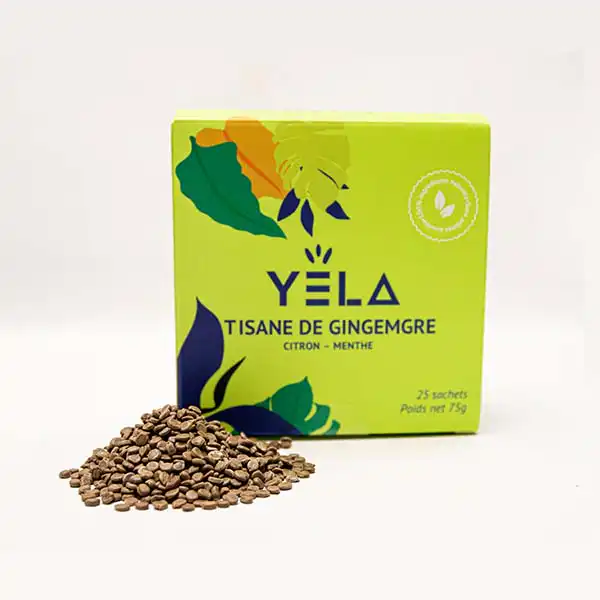
- spices, grains, and food products
- oils and wellness items
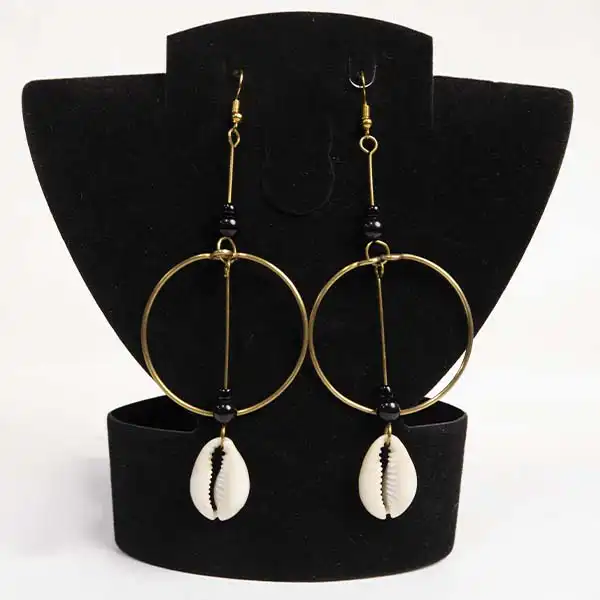
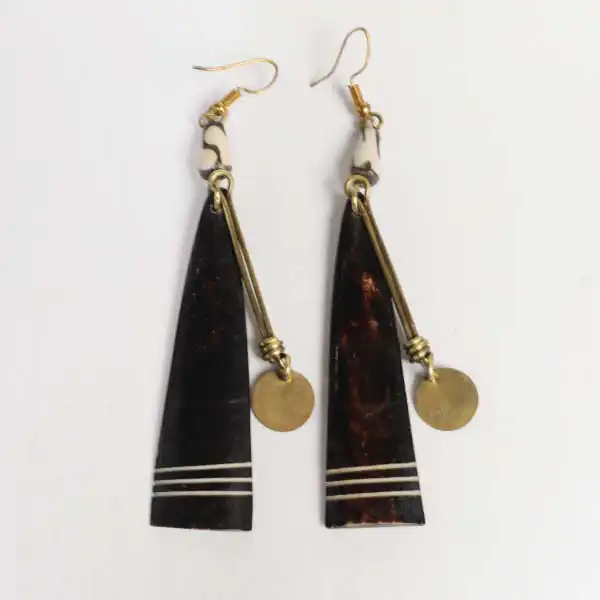
- fashion, fabrics, and accessories
- handcrafted and cultural goods
What makes it practical for a U.S. buyer:
- you’re not locked into one product category
- you can test different products without changing platforms
- it supports both small orders and bulk sourcing
For many business owners, this becomes the place they explore first when they want to build or expand an African product line.
Africa Imports

One of the most established distributors in the U.S.
From the source, it supports over 1,000 artisans and focuses heavily on ready-to-ship inventory with low minimum orders.
Strong in:
- black soap and skincare
- clothing and jewelry
- home décor
Best suited for:
- retailers who want quick inventory
- stores that need a consistent supply without managing imports
ANKA
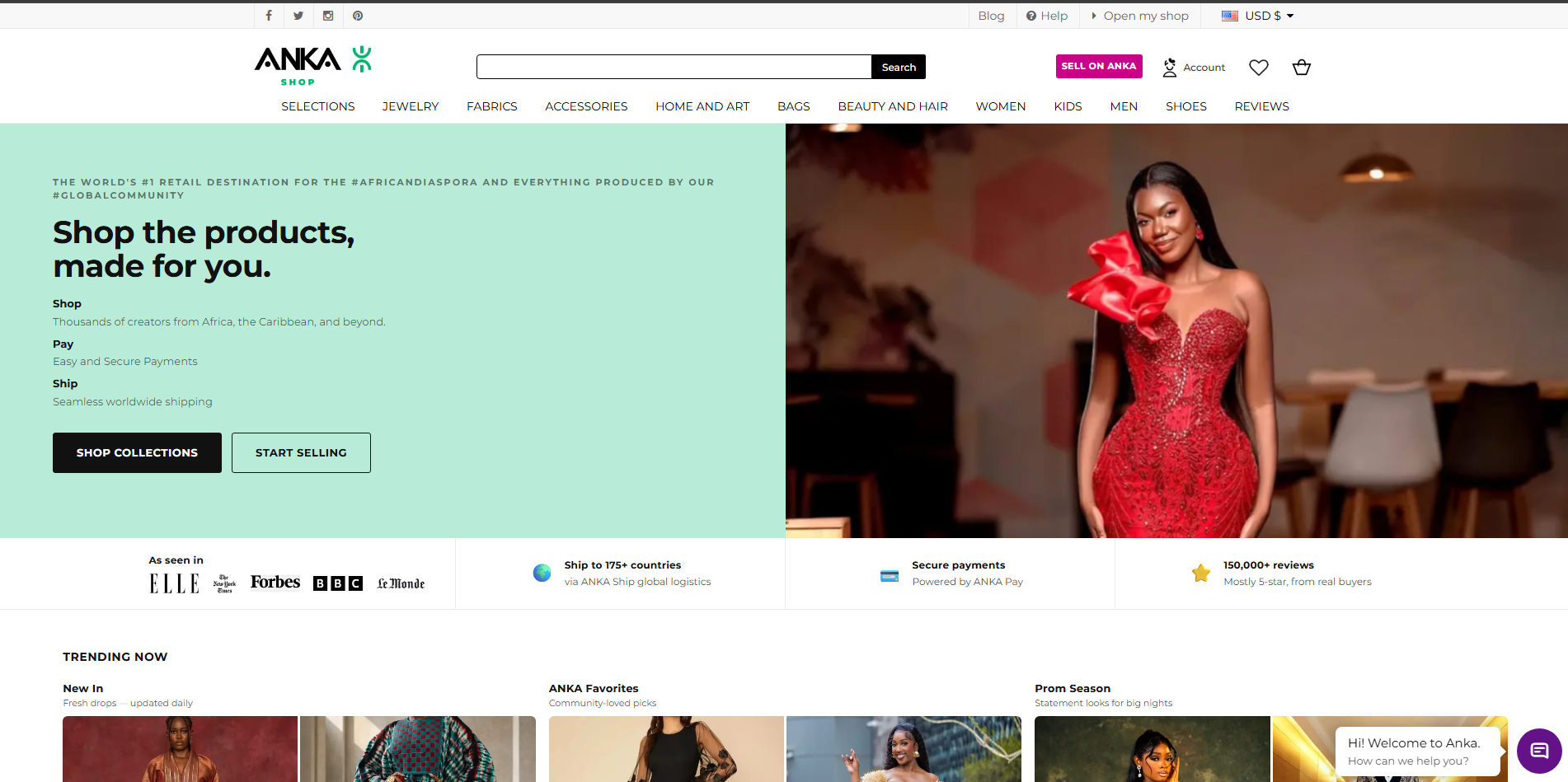
ANKA operates more like a structured ecosystem for African brands.
It connects thousands of vendors and supports bulk buying across fashion, textiles, jewelry, and accessories.
You’ll notice:
- strong presence of independent designers
- more fashion-forward inventory
- direct connection to African brands
Best suited for:
- boutiques
- fashion retailers
- buyers looking for differentiated products
Wosiwosi

Focused mainly on African food supply.
From the source, it serves grocery stores, restaurants, and distributors with bulk food products and ingredients.
Best suited for:
- African grocery businesses
- restaurants
- food distributors
African Modern
Long-standing supplier focused on handmade African goods.
Strong in:
- home décor
- furniture
- artisan products
From the source, it works with cooperatives and sells through wholesale channels like Faire.
Best suited for:
- gift shops
- cultural stores
- interior-focused retailers
Africa Direct
A niche but respected supplier for African art and jewelry.
From the source, it sources from over 100 independent traders and supports community initiatives.
Best suited for:
- collectors
- art-focused businesses
- specialty retailers
How to Choose the Right Supplier for Your Business
This is where most people hesitate.
A simple way to decide:
- If you want fast turnover and easy logistics → go with U.S.-based distributors
- If you want unique products and stronger brand positioning → use global marketplaces
- If you want both → combine them
Many successful retailers don’t rely on just one supplier.
They:
- Use distributors for core inventory
- Use marketplaces like BaobabMart to expand and test new products
That balance gives you stability and growth at the same time.
What Most Buyers Get Wrong (And Why It Costs Them Later)
Price is the easiest thing to compare, so it’s where most buyers start.
That works for a first order. It rarely works for the third or fourth.
What tends to cause problems later is not the price you paid, but what sits behind it:
- Inconsistent restocking
A supplier may offer a good price today, then struggle to replenish the same SKU next month. That breaks your ability to keep shelves filled or listings live. - Unclear sourcing
When product origin isn’t clear, quality varies. That shows up as returns, complaints, or mixed reviews that are hard to fix. - Narrow catalog depth
Many suppliers are strong in one category. If you need to expand your range, you end up opening new accounts and splitting orders across vendors. - Communication gaps
Small delays in responses or missing order details add up when you’re working at scale.
A more reliable way to evaluate a supplier is to look at:
- how often they restock key items
- whether they can supply the same product consistently
- how wide their catalog is within your niche
- how easy it is to place, track, and repeat orders
That’s where the difference between distributors and marketplaces becomes practical.
A US distributor like Africa Imports is built for repeatability. You know what’s in stock and when it ships.
A marketplace like BaobabMart is built for range and sourcing. You can test products, find new categories, and work closer to origin.
Many buyers combine both because each one solves a different part of the problem.
Where This Leaves You (How To Make a Smart First Move)
Instead of trying to find one supplier that does everything, decide based on what you need right now and what you plan to do next.
If your priority is getting inventory quickly and keeping it moving, start with a U.S.-based distributor. You’ll get faster delivery, predictable stock, and a simpler workflow. This works well for core African products in the US that you plan to reorder often.
If your priority is building a differentiated catalog, look at marketplaces that connect you to African producers. This is where you’ll find items that are harder to source locally and easier to position as unique in your market.
If you’re planning to grow beyond a single category, it helps to start somewhere that lets you expand without switching platforms every time. This is where BaobabMart becomes useful for many buyers.
You can begin with one product line, then move into others without resetting your sourcing process. From spices and oils to fabrics, footwear, and handcrafted goods, the structure supports gradual expansion rather than forcing you into separate supplier relationships for each category.
A simple approach that works in practice:
- Use distributors for steady, repeat orders
- Use marketplaces to test and expand
- Keep your core products consistent while introducing new ones gradually
That balance gives you control.
You’re not locked into one supplier, and you’re not constantly starting from scratch. You build a system that grows with your business, instead of one that needs to be rebuilt every time demand changes.