










The US has strong African store clusters in places like Houston, Atlanta, Maryland/DC, New York, and Minneapolis. Most of these stores are excellent for groceries, but limited beyond that.
Many buyers combine local stores for essentials and platforms like BaobabMart when they want a wider, more reliable range of African products.
What This Search Really Feels Like
You’re not just browsing.
You’re trying to find something specific. Something real. Something that feels like it came from where it should.
So you search for African stores in the US. You find a few. You visit one.
Sometimes it works perfectly. You find the ingredients you need, maybe even a few extras you didn’t expect.
Other times, it’s different. The product isn’t there. Or it was there last week but not today. Or the store has what you want, just not in the quality you expected.
After a few attempts, you start to understand something important.
This isn’t about availability. It’s about consistency.
The Cities That Actually Have Strong African Stores
African stores in the US are not evenly spread. They are concentrated around specific communities. If you’re in the right place, the experience is much easier.
Houston and Dallas (Texas)
This is one of the strongest African shopping regions in the US.
Stores you’ll hear about:
- Southwest Farmers Market
- My Shasha
- Aso Rock Market
- Alief African Foods
What stands out here is volume. Houston, in particular, has a strong Nigerian and West African presence, which means you’ll find:
- fresh produce
- meat and seafood
- pantry staples
- snacks and drinks
Some stores even offer delivery or warehouse pickup.
Where it becomes limited is when you move beyond food. If you’re looking for clothing, accessories, or a broader cultural mix, you’ll likely need another source.
Maryland, DC, and Virginia
This is not just a good area. It’s one of the most established African shopping corridors in the country.
You’ll find:
- multiple African grocery stores within short distances
- Ethiopian, Nigerian, Ghanaian, and East African products
- beauty supply shops and specialty stores
Typical stores include:
- All African Food Stores
- Smaller independent markets across Silver Spring and Hyattsville
What makes this area different is density. You don’t need to travel far to find options.
But the pattern still holds. Most stores are focused on essentials. Variety across different product categories is harder to find in one place.
Atlanta
Atlanta is often talked about for its strong Black culture and business presence, and that extends into African products as well.
You’ll find:
- African grocery stores
- hair and beauty supply shops
- small boutiques and pop-up vendors
The demand is strong here, and the community supports it.
What’s interesting about Atlanta is that it feels like a growing market. There’s access, but it’s still evolving. You’ll find good options, but not always everything in one place.
New York (Queens and the Bronx)
New York offers diversity.
Stores like:
- Taz International Food Empire
bring together a wide range of African and Caribbean products.
You’ll find:
- multiple regional products
- a broader mix compared to most cities
- easier access to niche items
But like most large cities, it’s spread out. You may need to move between neighborhoods to get everything.
Minneapolis and St. Paul (Minnesota)
This is one of the most overlooked but important areas.
The strong Somali and East African community here means:
- consistent access to East African products
- reliable grocery stores
- strong cultural presence
If you’re in this region, you’ll likely find what you need more easily than expected.
Los Angeles
Los Angeles has options, but they’re more scattered.
A store like:
can be a strong find, especially for West African goods.
But overall, the experience is more about discovery. You may need to search a bit more and travel further compared to other regions.
The Pattern Across All These Cities
No matter where you are, the experience tends to follow the same structure.
Local African stores in the US are:
- strong for groceries
- reliable for everyday essentials
- tied closely to specific communities
But they are not built to offer everything.
So your shopping becomes fragmented.
One place for food.
Another for something else.
And sometimes, still not everything you need.
Why Most African Stores Focus on Food
This is not a coincidence.
Food is the most consistent demand. It sells quickly, it’s easier to stock, and it brings customers back regularly.
That’s why most African stores in the US are grocery-first.
Everything else — fashion, accessories, and handcrafted items — tends to be secondary or limited.
So if your needs go beyond food, you’re already stepping outside what most local stores are designed to handle.
When Local African Stores in the US Are Not Enough
At some point, most people realise something simple.
Local African stores in the US are reliable, but only within a certain range.
If your goal is:
- to pick up familiar groceries
- to grab something quickly
- to shop within your community
Then these stores do exactly what they’re meant to do.
But the moment your needs expand, the experience changes.
You might be looking for:
- a specific spice that’s not restocked regularly
- a particular fabric or clothing style
- handcrafted African accessories
- cultural items that are harder to source locally

That’s when the limits of local shopping become clear.
It’s not a failure of the stores.
It’s simply how they are structured.
Most African grocery stores in the US are built around fast-moving essentials, not a wide, multi-category experience.
So if you’re trying to find everything in one place, you’ll likely end up visiting multiple stores or settling for what’s available.
And over time, that becomes inefficient.
A More Complete Way to Buy African Products in the US
This is where the shift happens for most buyers.
Instead of relying only on physical locations, they start combining local access with online platforms that specialise in African products.
Not because online is better in every way,
but because it solves the exact problems local stores can’t always handle:
- wider product selection beyond groceries
- more consistent availability
- easier access regardless of location
- less time spent moving between stores
That’s why searches like where to buy African products in the US or African products online USA have grown steadily.
People are not just looking for stores anymore.
They’re looking for reliable ways to shop for quality African products.
Where BaobabMart Fits In Naturally
BaobabMart is not trying to replace African stores in the US.
It fits in where those stores stop.
Instead of focusing on one category like groceries, it brings together a broader range of African products in a single place. That includes:
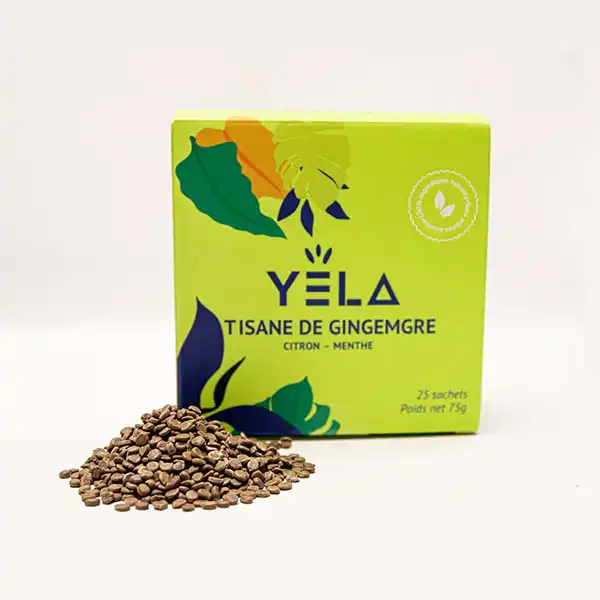
- food and spices you already know
- fabrics and clothing from different regions
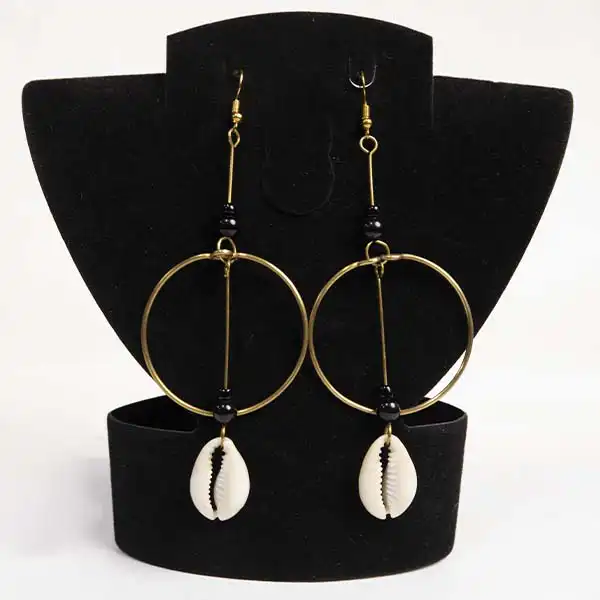
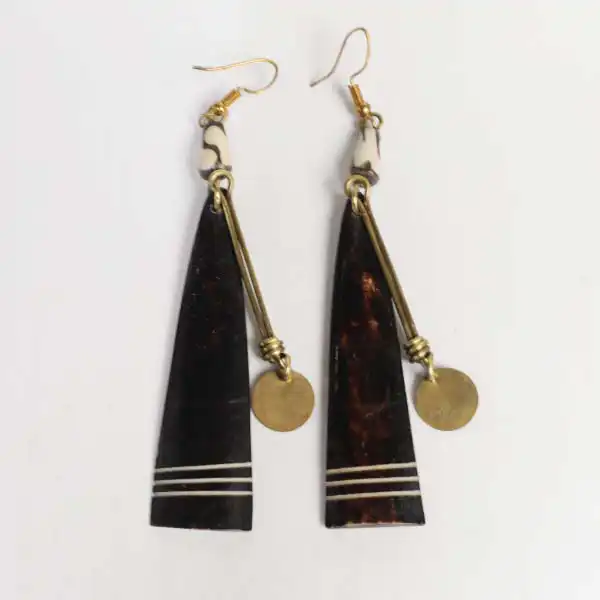
- handcrafted items and accessories
- everyday cultural products that are harder to find locally
But what really changes the experience is not just the range.
It’s the predictability.
You’re not guessing whether something will be in stock.
You’re not planning trips across different parts of the city.
You’re not trying to piece together your shopping from multiple sources.
You’re choosing from a space where the categories already make sense together.
That’s what turns searching into actual buying.
Other Online Options Still Worth Knowing
Even with platforms like BaobabMart, there are still other useful options depending on what you need.
Some are more focused and work well in specific cases:
- My Shasha is strong for groceries, especially with US-based delivery
- African Delights Store focuses on quick shipping for essential items
- Taz International Food Empire offers nationwide access to African food products
These platforms are helpful when your needs are clearly defined.
But if you’re trying to avoid using multiple stores for different categories, you’ll quickly see the limitation.
Most of them solve one part of the problem, not the full experience.
What Actually Works for Most People
After a while, buyers stop trying to find the “perfect” African store.
Instead, they build a system that works for them.
It usually looks like this:
- Local African stores in the US for groceries and immediate needs
- Online platforms for variety, reliability, and harder-to-find products
This approach removes pressure from both sides.
You’re no longer expecting one store to have everything.
And you’re no longer wasting time searching when you already know where to look.
A Clear Way to Decide What to Do Next
If you’re still unsure where to start, it helps to keep it simple.
- If you need something quickly and you know a nearby store has it, go local
- If you’re looking for variety or something specific, check online first
- If you’re tired of checking multiple places, use a platform that already brings things together
That’s usually where BaobabMart Store becomes the easiest option to try.
Not because it replaces everything else,
but because it removes the most friction from the process.