










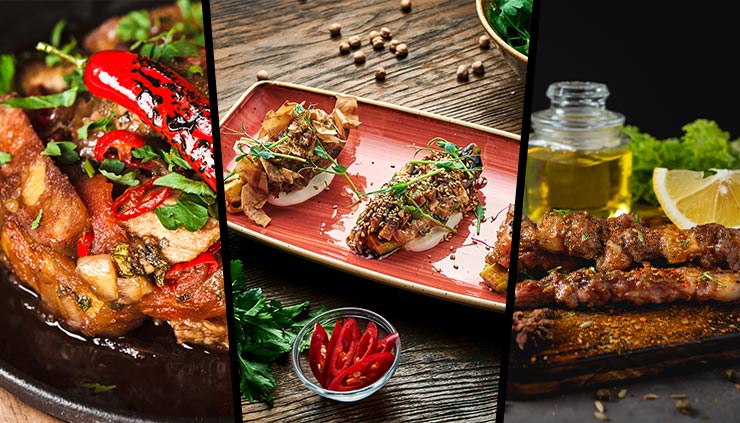
Ever wondered why people enjoy spicy food, even when it causes tears, sweat, and burning sensations?
This article explores the fascinating science and psychology behind the love for super spicy dishes and why some people crave the heat more than others.
The Global Fascination with Spicy Foods
Spicy food is more than just a culinary trend; it’s a global obsession. From Nigeria to Thailand to Mexico, millions crave that unmistakable “heat”.
But why? It turns out the answer isn’t just taste. It’s culture, biology, and a dash of thrill-seeking that adds an adventurous, daring element to every bite.
It’s all wrapped up in a single bite, daring us to explore new flavors and sensations.
African Spicy Cuisine: A Unique Flavor Adventure

Africa’s spicy dishes are a flavor explosion, a journey for the taste buds. Think of berbere from Ethiopia, a fiery, fragrant mix of chili, garlic, ginger, fenugreek, and more.
Or suya spice from West Africa, a smoky, peanut-based rub that clings to grilled meats like magic.
Don’t forget piri piri, the zesty chili sauce born in Africa and perfected by the Portuguese. African heat doesn’t just burn, it builds, layers, and transforms every bite into an adventure, an exciting exploration of flavor.
The Science Behind Spicy Food Enjoyment
What Makes Food Spicy?
The main culprit behind spicy heat is capsaicin, a compound found in chili peppers. It binds to heat-sensitive receptors in your mouth and tricks your brain into thinking you’re on fire, even though there’s no actual damage.
Other spices like Sichuan peppercorns use different compounds to create tingling, numbing sensations.
How the Body Reacts to Spiciness
Once capsaicin hits, the body goes into damage-control mode: sweating, watering eyes, runny nose. But here’s the twist: it’s all a bluff. You’re not hurt. The body just thinks you are. And afterward, a rush of endorphins kicks in, giving you a euphoric release.
The Pain‑Pleasure Principle: Why Some Crave Spicy

This is where it gets interesting. Spicy food causes pain, but your brain rewards you with pleasure.
That’s why some people chase the heat; it’s a natural high. Psychologists call it “benign masochism,” meaning we enjoy the thrill of discomfort when we know it’s not actually dangerous. For spice lovers, that burn is addictive.
Cultural Roots: Spicy Food Traditions Around the World
A Brief History of Spicy Foods in Africa
Chilies were introduced to Africa centuries ago by Portuguese traders. They quickly blended with traditional herbs and spices to become a cornerstone of African cuisine.
Today, spices are part of the identity, from the street food of Douala to the traditional stews of Addis Ababa.
Comparing Spice Cultures
- Africa: Spice blends like berbere, suya, and piri piri are bold, smoky, and deeply aromatic.
- Asia: Indian curries and Thai chilies bring layered spice; Sichuan cuisine adds numbing heat.
- Latin America: Salsas, moles, and rubs combine heat with citrus, smoke, and sweetness.
Spices as Social and Culinary Connectors

In many cultures, spices bring people together. Suya stands in Nigeria or shared injera in Ethiopia, spices are central to community, conversation, and celebration.
Personality, Genetics, and Spicy Food Tolerance
Are Some People Born to Love Spice?
Genetics plays a role. Some people have more sensitive heat receptors, while others barely flinch. But personality also matters; adventurous types and sensation-seekers tend to love spicy food as compared to non-adventurous people.
The Role of Exposure and Upbringing
People raised with spicy food adapt early. If you grow up eating spicy food, your body and brain normalize it.
What’s painful to one palate is pure comfort food to another.
Psychological Thrill‑Seeking
Spicy food scratches the itch for adrenaline junkies. It’s a legal, edible form of thrill-seeking. The brain treats it like a controlled risk, just enough to get your heart pumping, but never enough to harm you.
Health Benefits (and Myths) of Spicy Foods
Metabolism, Immunity, and More
Capsaicin can give your metabolism a mild boost and help with fat burning. It also has antimicrobial and anti-inflammatory effects.
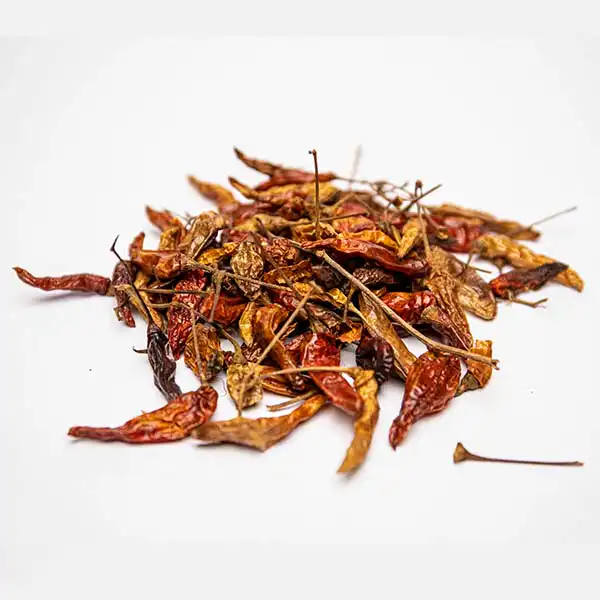
I remember my grandmother putting bird’s eye chillies(pili pili/ piri piri) on my cuts when I was a kid; it stung like hell at first, but the pain faded fast. Some research links regular spicy food consumption to better heart health and even a longer life. It may also support a healthier, more diverse gut.
Common Myths
- Myth: Spicy food harms your stomach.
Truth: For most people, moderate spice is harmless and even beneficial. Only those with certain conditions need to be cautious. - Myth: Spicy food causes ulcers.
Truth: Ulcers are caused by bacteria, not peppers. - Myth: All spicy food is unhealthy.
Truth: Most spice blends are packed with antioxidants and health-boosting herbs.
- Myth: Peppers can cure wounds or cuts.
Truth: While capsaicin has anti-inflammatory and antimicrobial properties, applying chili or pepper directly to wounds isn’t a reliable or safe treatment. It may relieve pain after an initial burn, but it’s not a substitute for proper medical care.
African Spices and Dishes: A Gateway for the Curious
Popular African Spices
- Berbere: A deep, complex blend from Ethiopia that’s earthy and hot.
- Suya Spice: Peanut, chili, garlic, and ginger, a street food essential in Nigeria and Cameroon.
- Bird’s Eye Chilli/ Piri Piri: Bright, bold, and citrusy. Perfect on grilled chicken or shrimp.
Signature Dishes to Try
- Doro Wat: Spicy Ethiopian chicken stew with berbere.
- Suya: Grilled meat skewers coated in spicy suya powder.
- Piri Piri Chicken: Charred, juicy, and hot.
Tips for Enjoying Spicy Food (Even If You’re New)
- Start mild: Go easy with mild chilies and small portions.
- Build slowly: Gradually increase heat to train your palate.
- Balance it: Use fat (yogurt, coconut milk) and acid (lemon, vinegar) to soften the burn.
- Cool it down: Bread, rice, or dairy help if you go overboard.
What to Do If Food is Too Spicy
Skip drinking water; it instead increases the burn. Try milk, yogurt, starchy foods like bread, rice or potatoes, or a spoonful of sugar. Avoid alcohol; it makes things worse.
How to Source Authentic African Spices and Spicy Foods
- Look for fresh, single-origin blends with no fillers.
- Check for harvest dates and bright colors; freshness matters.
- Buy from trusted vendors that specialize in African flavors.
Conclusion: Embracing the Adventure
Spicy food is more than pain. It’s flavor, tradition, and joy. African spices in particular offer an exciting way to explore bold, authentic tastes. Whether you’re a heat-seeker or a curious newcomer, there’s a whole world of spice waiting for you.
Baobabmart offers a customised gateway into African cuisine. Whether you want to start with berbere or dive straight into suya, it’s all there — authentic, fiery, and unforgettable.
FAQs
Is spicy food bad for your stomach?
Not usually. Most people digest spicy food just fine. If you have acid reflux or ulcers, talk to your doctor first.
Why do I sweat when I eat spicy food?
Your body thinks it’s overheating and reacts accordingly; the sweat is just your natural coolant.
Can I train myself to handle spicy food?
Yes. Start with mild spice and gradually increase over time. Your body will adapt to the spicy state.
What’s the best drink with spicy food?
Milk, yogurt drinks, or even sweet juices work better than water or alcohol.
What’s a good starter African spice?
Berbere; it’s flavorful, not overpowering, and incredibly versatile.