





Last year, my friend sighed over her brittle hair, exhausted by failed products, until she stumbled on chebe’s magic.
That’s why I’m sharing this guide on how to grow chebe seeds, packed with easy tips to help you grow this hair-saving plant at home.
Want to see your hair thrive?
Let’s Get Started;
Why Grow Chebe Seeds?
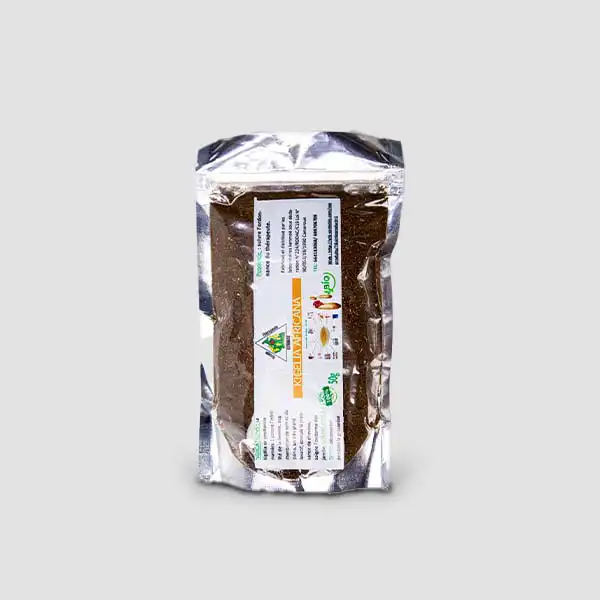
Chebe seeds from the Croton zambesicus shrub are treasured in African beauty rituals, particularly in Chad, where they’ve been used for generations to promote long, strong, and hydrated hair.
Growing your own Chebe plant provides unique benefits beyond store-bought powder. Home cultivation guarantees fresh, pure seeds without additives and helps preserve this indigenous African plant. You maintain complete control from planting to processing.
For herbalists and DIYers, cultivating Chebe offers a meaningful connection to tradition while supporting sustainability and self-reliance. The process honors the plant’s heritage while ensuring quality for personal hair care use.
Understanding the Chebe Plant (Croton zambesicus)
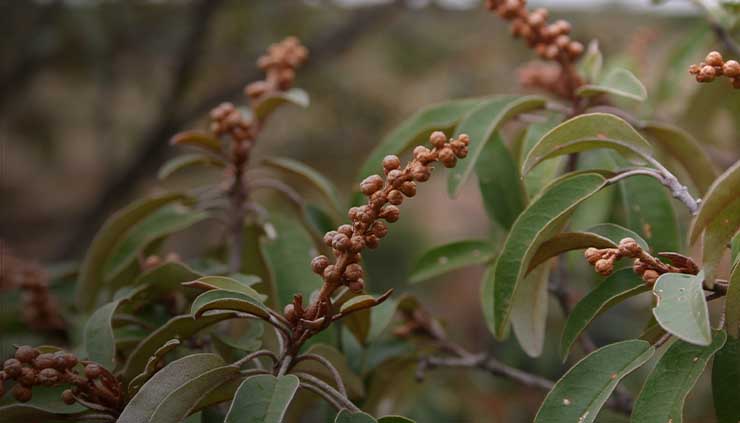
Originally found in the Sahel belt of Africa, Croton zambesicus is a hardy and versatile shrub that adapts well to dry, sunny environments. It grows wild in the sandy plains of Chad, where its seeds are carefully collected and sun-dried for use in natural beauty rituals.
Key Botanical Features:
- Height: Reaches 2 to 4 meters at full maturity.
- Leaves: Small, leathery, and oval-shaped with a tough texture ideal for dry climates.
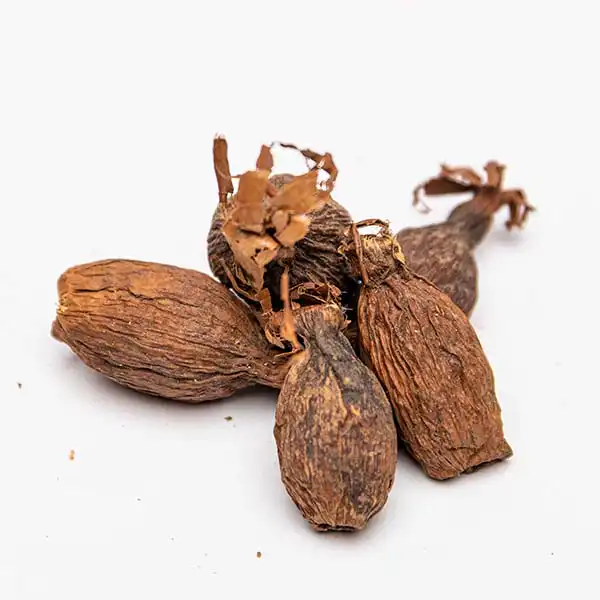
- Seeds: Contained within dry pods, light brown when mature.
- Growth Pattern: Highly drought-tolerant, yet responsive to occasional watering and basic care.
This resilient shrub is not only valued for its seeds but also admired for its ability to thrive with minimal intervention.
Sourcing Authentic Chebe Seeds for Planting
To cultivate Chebe successfully, it’s crucial to start with fresh, viable seeds. Many Chebe products sold for haircare are already ground into powder or heat-treated, making them unsuitable for germination.
When sourcing Chebe seeds for planting, ensure the following:
- Whole, unprocessed seeds: Look for intact seeds, firm and not ground.
- Trusted origin: Preferably sourced from Chad or nearby regions where Croton zambesicus is native.
- No chemical coatings or treatments: Choose seeds that are organic and untreated.
- Transparent suppliers: Vendors like Baobabmart offer clear origin information and harvesting details.
Avoid purchasing Chebe labeled as “ready-to-use” for hair, as these versions are typically roasted or blended, rendering them sterile.

Ideal Growing Conditions for Chebe Seeds
Climate and Soil Requirements
To mirror the chebe plant’s native habitat, replicate the dry, sunny conditions of the Sahel region.
- Hardiness zones: Best grown in USDA zones 10–12.
- Temperature range: 75–95°F (24–35°C) is ideal.
- Soil type: Prefers well-draining sandy or loamy soil. Add perlite or coarse sand for improved aeration.
- Soil pH: Slightly acidic to neutral (pH 6.0–7.5).
- Drought tolerance: Naturally adapted to dry regions, but benefits from moderate watering during the growing season.
Sunlight and Watering Needs
- Sunlight: Requires full sun, at least 6 to 8 hours daily.
- Watering: Water once or twice a week, allowing the soil to dry out in between. Overwatering can lead to root rot.
Step-by-Step Guide: How to Plant Chebe Seeds
1. Seed Preparation and Germination
Before planting, pre-soak your Chebe seeds in lukewarm water ( between 98–110°F or 36.5–40.5°C ) for 24 hours. This softens the outer seed coat and enhances germination.
Optional but helpful: Scarify the seed by gently scratching the outer shell with a nail file or sandpaper to improve water absorption.
2. Planting Depth and Spacing
- Containers: Use 6-inch pots with proper drainage.
- Soil Mix: Blend sand, compost, and perlite for a well-aerated medium.
- Planting Depth: Sow seeds about ½ inch (1.25 cm) deep.
- Spacing: If transplanting outdoors, space plants 3 to 4 feet (1 to 1.2 meters) apart to allow for bushy growth.
3. Early Care and Maintenance
- Keep the soil evenly moist but not soggy during germination (usually 2–4 weeks).
- Once seedlings emerge, thin them to retain the strongest plant per pot.
- Shield young plants from harsh winds or extreme cold.
- Watch for pests like aphids use neem oil or a diluted soap spray if needed.

Caring for the Chebe Plant Through Its Growth Cycle
Once sown, the chebe plant requires minimal care but responds well to occasional maintenance.
- Fertilization: Use organic compost or a balanced fertilizer every 6–8 weeks during the growing season.
- Pruning: Trim the tops of leggy branches to encourage bushy growth and better seed production.
- Pest & Disease Control: Avoid overwatering to prevent fungal issues; monitor for pests and treat with natural solutions when needed.
Harvesting Chebe Seeds
When and How to Harvest
- Time to Maturity: Chebe seeds are typically ready 6 to 8 months after the plant flowers.
- Signs of Readiness: The pods will turn dry and brown, indicating maturity.
- Harvest Method: Gently hand-pick mature pods, then sun-dry them for 3–5 days.
Post-Harvest Processing
- Roasting (Optional): Light roasting enhances the signature nutty fragrance of the seeds used for haircare.
- Grinding: Use a clean spice grinder to make a fine powder.
- Storage: Keep in an airtight container, away from light and moisture, to preserve freshness.
FAQs How to Grow Chebe Seeds
How long until Chebe plants produce seeds?
Expect seed production within 12 to 18 months after germination, depending on climate and care.
Can Chebe grow indoors?
Yes! Use south-facing windowsills or grow lights to replicate full sun conditions.
Why won’t my seeds sprout?
Old or processed seeds often lose viability. Always use fresh, untreated seeds from reputable suppliers like Baobabmart.
Why Source Chebe Seeds from Baobabmart?
Baobabmart is the go-to source for home gardeners and herbalists who want to grow Chebe authentically and sustainably.
We offer:
- Authentic Seeds from Chad – Sourced directly from trusted growers.
- High Germination Rates – Fresh, untreated seeds with proper storage guidelines.
- Detailed Growing Guides – Perfect for beginners and experts alike.
- Ethical & Sustainable Practices – Supporting traditional harvesters and biodiversity preservation.
Ready to grow your chebe plant? Get started today with Baobabmart’s quality Chebe seeds and embrace the power of ancestral African haircare from soil to strand.