













The red kola nut is a culturally, medicinally, and economically significant resource. Though less known than bitter kola, it has unique properties and a rich history.
This article explores the origins of the red kola nuts, their traditional uses, and their modern value. It highlights why this nut matters in talks about natural remedies, African heritage, and sustainability.
Together we will look at these;
What Are Red Kola Nuts?
Red kola nuts are fruits of the Cola acuminata and Cola nitida trees, native to West Africa.
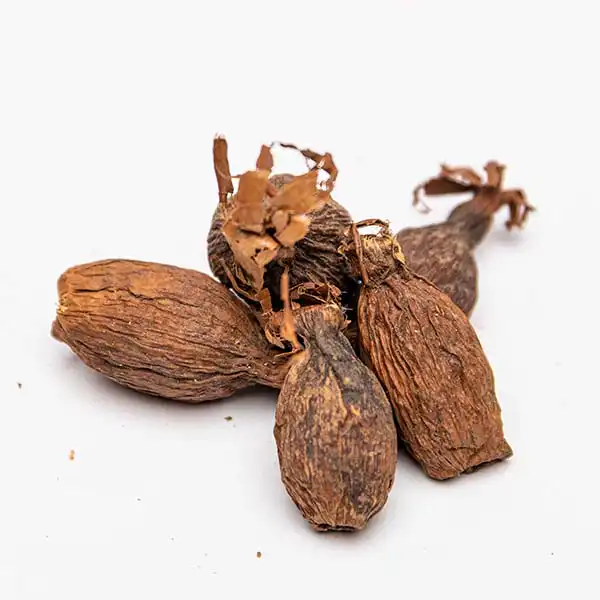
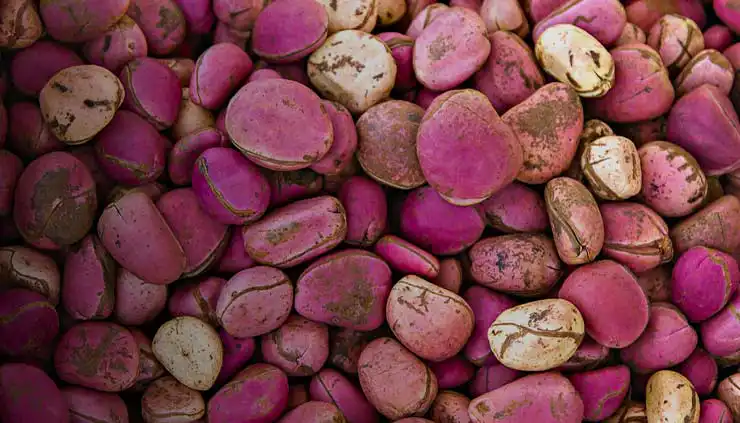
These nuts are well known for their reddish-brown color, compact size, and slightly bitter taste.
Red kola nuts have a delightfully crisp texture. You’ll notice a satisfying crunch when you snap off a piece—effortlessly by hand, like breaking a biscuit.
This brittleness isn’t just a sensory delight. It reveals the nut’s unique structural design.
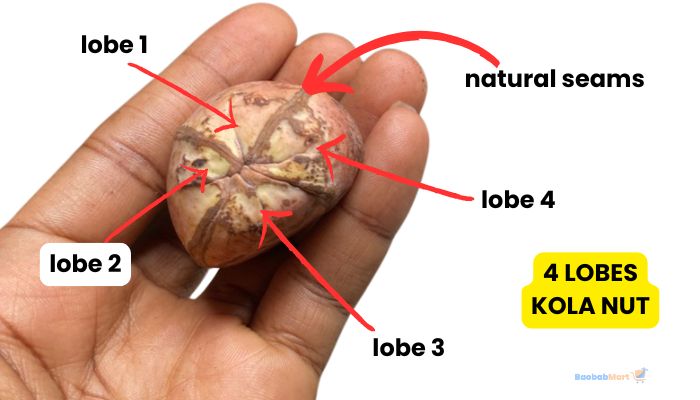
Upon closer inspection, you’ll see natural seams (called lobes) running downward from the top of the nut.
These lobes act as guides, determining how many pieces the kola nut can split into.
For example, a nut with 4 lobes can be divided into 4 distinct segments.
This feature isn’t uniform across all nuts—red kola can display anywhere from 2 to 5 lobes, creating variability in size and shape.
The number of lobes isn’t just a curiosity—it’s a practical feature. More lobes mean more bite-sized pieces, perfect for sharing or portioning.
This built-in “breakability” makes red kola nut a versatile ingredient in cultural practices, snacks, or traditional ceremonies where controlled serving sizes matter.
For a better experience, I suggest you buy 1kg (35 oz) Natural West African Red Kola Nut – From 2 lobes to 5 lobes Red Kola Nut for Sale at baobabmart.
This should give you a better understanding of what I am talking about.
Understand Red Kola Nut
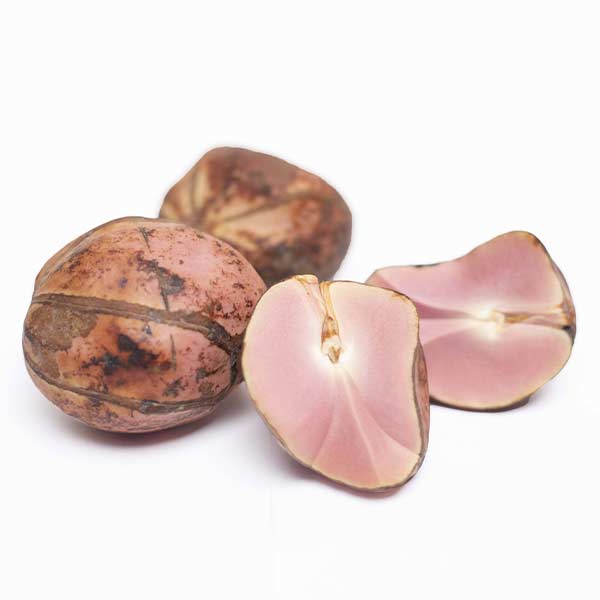
Unlike bitter kola, red kola is milder and often used in cultural rituals, traditional medicine, and even as a natural stimulant.
The red kola nut, though regionally popular, is gaining global attention for its versatility and cultural value.
Its mix of caffeine, theobromine, and antioxidants supports its wide-ranging uses.
Origins of the Red Kola Nut
The Birthplace: West Africa
The kola tree flourishes in West African rainforests, with Nigeria, Cameroon, Ghana, Ivory Coast, and Sierra Leone as top producers of red kola nuts.
These nuts have been cultivated for centuries, deeply rooted in the region’s culture and economy.
Natural Habitat and Growth
- Climate Needs: Red kola trees require warm, humid climates and fertile soils, which are abundant in West Africa.
- Tree Characteristics: The kola tree can grow up to 20 meters tall, with large glossy leaves and fruits encasing the red kola nut. The nuts are harvested once the fruits mature and split open, revealing their precious contents.
Cultural Origins
In African societies, the red kola nut is more than food; it’s a cultural symbol. It’s tied to hospitality, spirituality, and community, often presented at events like weddings and peace talks.
Traditional Uses of Red Kola Nut
The red kola nut has played a significant role in African traditions, serving various purposes ranging from medicinal remedies to cultural rituals.
You can buy Red Kola Nut at BaobabMart and enjoy its rich heritage and benefits.
1. A Symbol of Hospitality
In many West African cultures, offering a red kola nut signifies hospitality and respect. Visitors are often greeted with kola nuts as a gesture of goodwill and welcome.
- In Ceremonial Practices: The kola nut is presented and shared among participants during important events like weddings or funerals to foster unity and respect.
- As a Peace Offering: The red kola nut is sometimes used in conflict resolution. Offering a kola nut symbolizes the intention to resolve disputes amicably.
2. Traditional Medicine
Red kola nuts have been used in traditional African medicine for their therapeutic properties. Caffeine and theobromine in red kola nuts help treat various ailments effectively.
- Energy Boost: Chewing red kola nuts has been a natural way to combat fatigue, particularly for laborers, hunters, and travelers.
- Digestive Aid: The nuts have traditionally been used to relieve indigestion, bloating, and other minor digestive issues.
- Respiratory Relief: Red kola nuts sometimes ease respiratory symptoms, such as coughs and nasal congestion.
3. Spiritual Significance
The red kola nut holds spiritual value in many African communities. It is often used in rituals, prayers, and offerings to deities or ancestors.
- Connection to Ancestors: In some traditions, kola nuts are offered during prayers or ceremonies to seek guidance and blessings from ancestors.
- Symbol of Unity: Sharing a kola nut during communal gatherings is seen as a way to strengthen social bonds and create a sense of unity.
Medicinal Properties of Red Kola Nut
Traditional uses of red kola nuts lack scientific backing, but modern research confirms their health benefits. Here are some medicinal properties of this distinctive nut:
1. Natural Stimulant
Red kola nuts are rich in caffeine, a natural stimulant that enhances mental alertness and physical energy.
- Boosts Productivity: Chewing red kola nuts can provide a quick burst of energy, making them ideal for labor-intensive tasks or extended periods of focus.
- Enhances Mood: The nuts stimulate the production of dopamine, a neurotransmitter associated with pleasure and motivation.
2. Antioxidant Powerhouse
The antioxidants in red kola nuts, including catechins and flavonoids, help protect cells from oxidative damage.
- Reduces Risk of Chronic Diseases: These antioxidants play a role in preventing diseases like cancer, diabetes, and cardiovascular issues.
- Supports Skin Health: Regular consumption of red kola nuts may improve skin elasticity and reduce the signs of aging.
3. Digestive Benefits
The natural compounds in red kola nuts stimulate the production of gastric juices, aiding digestion.
- Relieves Constipation: The nuts have mild laxative properties, effectively treating occasional constipation.
- Soothes Indigestion: Red kola nuts are often used to alleviate symptoms of indigestion, including bloating and stomach discomfort.
Want to know more? Read our latest article on the health benefits of red kola nuts.
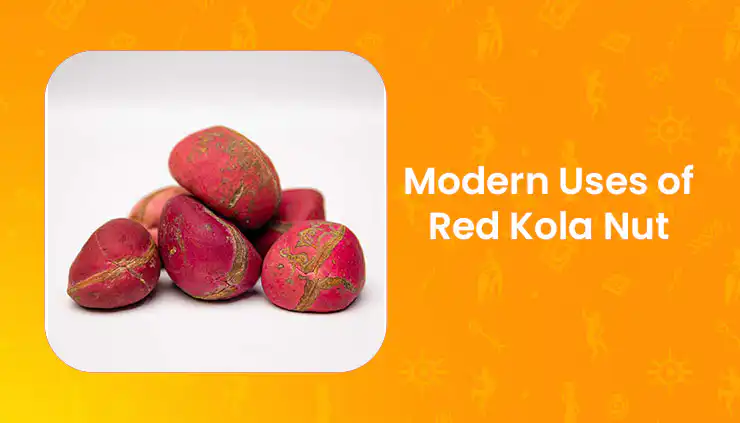
Modern Uses of Red Kola Nut
While deeply rooted in traditional practices, red kola nuts have found new applications in modern times.
1. Food and Beverages
Red kola nuts are increasingly being incorporated into food and beverages for their unique flavor and health benefits.
- As a Tea or Powder: Ground red kola nuts can be brewed into tea or added to smoothies for a healthful boost.
- Natural Ingredient in Drinks: In some countries, kola nut extracts flavor beverages, including cola drinks and herbal tonics.
2. Alternative Medicine
As interest in natural remedies grows, red kola nuts are becoming a popular alternative for those seeking holistic approaches to health.
- Weight Management: Their appetite-suppressing properties make red kola nuts a natural choice for people aiming to control their weight.
- Pain Relief: The nuts’ anti-inflammatory compounds can help alleviate joint pain and headaches.
3. Cosmetic Industry
Due to their antioxidant and anti-inflammatory properties, red kola nuts are increasingly being used in skincare products.
- Improves Skin Elasticity: Extracts from red kola nuts are added to creams and serums to enhance skin elasticity and combat wrinkles.
- Fights Acne: The anti-inflammatory effects of red kola nuts make them effective for reducing acne and soothing irritated skin.
Preservation and Sustainability of Red Kola Nuts
As global demand for natural and traditional remedies increases, ensuring the sustainable cultivation and harvesting of red kola nuts is essential.
Challenges in Cultivation
- Deforestation: The destruction of tropical rainforests threatens the habitats of kola trees, including those producing red kola nuts.
- Overharvesting: Unsustainable harvesting practices can deplete the availability of these nuts for future generations.
Promoting Sustainability
- Community-Based Farming: Encouraging local communities to cultivate kola trees sustainably ensures a steady supply while preserving the environment.
- Fair Trade Practices: Companies like BaobabMart emphasize ethical sourcing, providing fair wages to farmers, and supporting sustainable farming techniques.
Good read: Is Consuming Red Kola Nut Daily Safe? Learn All The Myths and Facts.
Final Thought: The Legacy of Red Kola Nut
The red kola nut is a natural stimulant and an African cultural symbol that connects tradition with modern health benefits, increasingly supported by science.
From its origins in the tropical forests of West Africa to its role in ceremonies and natural medicine, the red kola nut carries a legacy of resilience, community, and holistic health.
As we continue to explore the potential of natural resources, the red kola nut highlights the value of traditional knowledge, honoring the past while promoting a healthier, sustainable future.