







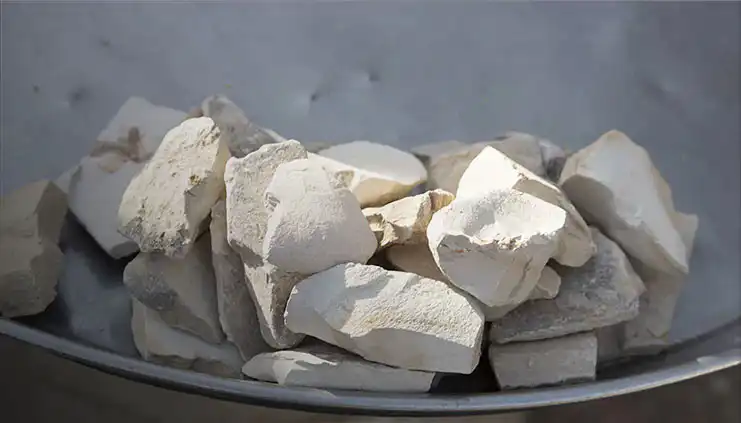
Calabash chalk, also known as Nzu, La Craie, or Ebumba, is a naturally occurring clay-like substance primarily consumed in parts of West Africa. Traditionally, it has been used by pregnant women to alleviate morning sickness and cravings associated with pica, a condition where individuals crave non-food items. While calabash chalk has deep roots in cultural practices and is believed to offer some health benefits, the consumption of this substance comes with significant health risks and concerns. Modern scientific research has raised alarms regarding calabash chalk side effects and its safety, particularly due to its potential toxicity and contamination with heavy metals.
In this article, we will take an in-depth look at the side effects of eating calabash chalk, exploring the risks associated with its consumption and the potential dangers to human health. For those who consume or are curious about this substance, understanding the negative health impacts is essential for making informed decisions. Buy Calabash Chalk at BaobabMart and learn about its properties.
Understanding Calabash Chalk Side Effects
1.1 What Is Calabash Chalk?
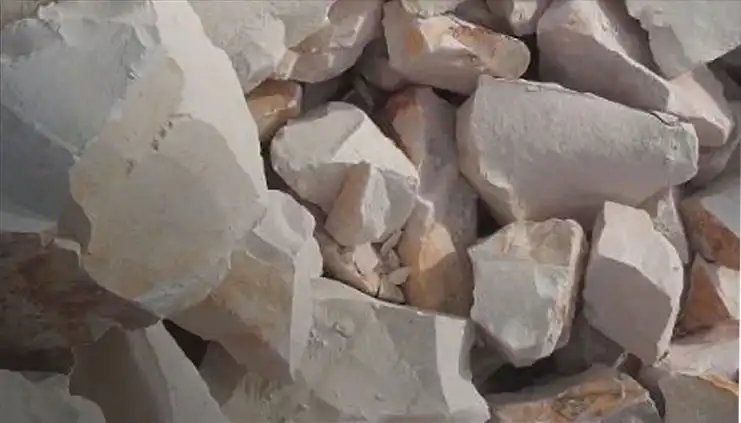
Calabash chalk is a naturally occurring type of clay primarily found in West African regions, where it is harvested from clay pits, sun-dried, and sometimes molded into small blocks. In traditional settings, it is either eaten raw or mixed into water to form a drink. The chalk is usually pale white, beige, or gray, with a gritty texture and a somewhat earthy taste.
Culturally, calabash chalk has been used by pregnant women to alleviate nausea and morning sickness or to satisfy cravings for non-food items (pica). Some people also believe it offers digestive benefits and detoxifies the body. While these traditional beliefs have persisted for centuries, recent studies suggest that the consumption of calabash chalk poses various health risks.
1.2 Composition of Calabash Chalk
Calabash chalk contains some naturally occurring minerals such as calcium, magnesium, and iron, which have contributed to its reputation as a health supplement. However, research has found that it can also contain harmful contaminants, including:
- Lead
- Arsenic
- Mercury
- Other toxic heavy metals
These contaminants can enter the chalk through the soil where it is harvested, posing significant health risks to those who consume it regularly.
The Risks of Eating Calabash Chalk
2.1 Heavy Metal Poisoning
One of the most critical concerns regarding the consumption of calabash chalk is its high content of toxic heavy metals such as lead, arsenic, and mercury. These metals are harmful to the body, and prolonged exposure can lead to severe health problems.
Lead Poisoning
Lead is a neurotoxin that can cause serious health problems, particularly in children and pregnant women. When ingested, lead accumulates in the body, and even small amounts can have devastating effects on the nervous system.
- Impact on children: Lead poisoning can impair cognitive development, cause learning disabilities, and lead to behavioral issues in children.
- Impact on adults: In adults, lead exposure can cause high blood pressure, joint and muscle pain, memory problems, and mood disorders.
Arsenic Exposure
Arsenic is a known carcinogen, meaning it increases the risk of cancer. Chronic exposure to arsenic can lead to cancers of the skin, lungs, bladder, and liver.
- Symptoms of arsenic exposure: Symptoms may include skin changes, abdominal pain, vomiting, diarrhea, and abnormal heart rhythms. Long-term exposure can result in more serious complications, including cancer and organ failure.
Mercury Contamination
Mercury exposure can cause neurological and cognitive issues, including memory problems, tremors, and irritability. Pregnant women exposed to mercury can pass the toxin to their unborn children, leading to developmental delays and birth defects.
2.2 Gastrointestinal Complications
Though some believe calabash chalk can aid digestion, in reality, it can lead to significant gastrointestinal issues. The consumption of this gritty, indigestible substance can cause blockages in the intestines, leading to severe discomfort and potential medical emergencies.
Intestinal Blockage
Eating large amounts of calabash chalk can lead to the formation of intestinal obstructions. Because the chalk is not digestible, it can accumulate in the digestive tract, causing pain, bloating, and constipation. In severe cases, surgical intervention may be necessary to remove the blockage.
Constipation
Even in smaller amounts, calabash chalk may cause constipation due to its dense, clay-like nature. The chalk can absorb moisture from the intestines, hardening stools and making it difficult to pass bowel movements. Over time, chronic constipation can lead to other complications, such as hemorrhoids or anal fissures.
2.3 Impact on Nutrient Absorption
While some people consume calabash chalk to supplement their calcium or iron intake, it can impair the body’s ability to absorb essential nutrients. Prolonged consumption of this substance can lead to nutritional deficiencies that impact overall health.
Iron Deficiency (Anemia)
Iron is a crucial mineral for the production of hemoglobin, the protein in red blood cells that carries oxygen throughout the body. However, consuming calabash chalk can reduce the body’s ability to absorb iron from food, leading to iron deficiency anemia. Symptoms of anemia include:
- Fatigue
- Dizziness
- Shortness of breath
- Pale skin
Iron deficiency can be especially dangerous for pregnant women, as it increases the risk of complications during childbirth and can negatively affect the development of the baby.
Calcium Deficiency
Though calabash chalk contains calcium, it can bind to calcium in the digestive tract and prevent it from being absorbed properly. Over time, this can lead to calcium deficiency, weakening bones, and increasing the risk of fractures and osteoporosis.
2.4 Toxic Effects on Pregnancy
One of the primary groups of people who consume calabash chalk is pregnant women, particularly those experiencing pica cravings. However, this practice poses serious risks to both the mother and the developing fetus.
Impact on Fetal Development
Heavy metals such as lead, mercury, and arsenic are highly dangerous for developing fetuses. Pregnant women who consume calabash chalk expose their unborn babies to these toxic substances, increasing the risk of:
- Birth defects
- Developmental delays
- Low birth weight
- Premature birth
Increased Risk of Miscarriage
Exposure to high levels of lead and other heavy metals has been linked to an increased risk of miscarriage. Pregnant women who consume calabash chalk should be aware of the serious dangers it poses to their pregnancy.
2.5 Dental Health Problems
Eating calabash chalk can also take a toll on your teeth. The gritty texture of the chalk can wear down the enamel, leading to tooth decay, sensitivity, and even tooth loss over time.
- Erosion of enamel: Enamel is the hard, protective layer of your teeth, and once it is worn down, it cannot be replaced. The abrasive texture of calabash chalk can cause enamel erosion, leaving your teeth vulnerable to cavities.
- Tooth sensitivity: As enamel wears down, your teeth may become more sensitive to hot, cold, or sweet foods, leading to discomfort when eating or drinking.
- Increased risk of decay: Without the protective enamel, your teeth are at greater risk of developing cavities, which can lead to pain, infection, and tooth loss if left untreated.
2.6 Respiratory Issues from Inhalation
While most side effects of calabash chalk come from ingestion, there are also risks associated with inhaling the fine particles of chalk dust. This can happen while handling or preparing the chalk, especially in powdered form.
Lung Irritation
Inhaling calabash chalk dust can irritate the lungs, leading to coughing, shortness of breath, and chest pain. Over time, repeated exposure to chalk dust can increase the risk of developing respiratory conditions such as chronic bronchitis or asthma.
About Calabash Chalk Side Effects; Myths vs. Facts
3.1 Myth: Calabash Chalk is a Safe Source of Minerals
Many people consume calabash chalk believing it provides a natural and safe source of minerals like calcium and iron. However, the fact is that while it may contain these minerals, the presence of toxic heavy metals far outweighs any potential benefits. There are safer, healthier sources of minerals that do not come with the same health risks.
3.2 Myth: Calabash Chalk Can Cure Digestive Problems
Some traditional users believe that calabash chalk can soothe digestive issues such as heartburn or indigestion. However, this is a myth. While it may temporarily coat the stomach lining, it does not address the root cause of digestive issues and can cause constipation and blockages.
Conclusion: Understanding the Dangers of Calabash Chalk
While calabash chalk holds significant cultural importance and is traditionally used in many African communities, its consumption poses serious health risks. From heavy metal poisoning to gastrointestinal complications and nutrient deficiencies, the dangers associated with calabash chalk far outweigh any perceived benefits.
For those who experience cravings related to pica, it is essential to seek safer, healthier alternatives that provide the necessary minerals without exposing the body to harmful toxins. Pregnant women and individuals with underlying health conditions should be particularly cautious, as the risks of consuming calabash chalk can be severe, impacting both their health and the health of their unborn children.
Ultimately, it is crucial to base health decisions on scientific evidence rather than traditional beliefs alone, ensuring that the choices we make contribute to long-term wellness rather than harm. Read more about Calabash Chalk side effects here.