


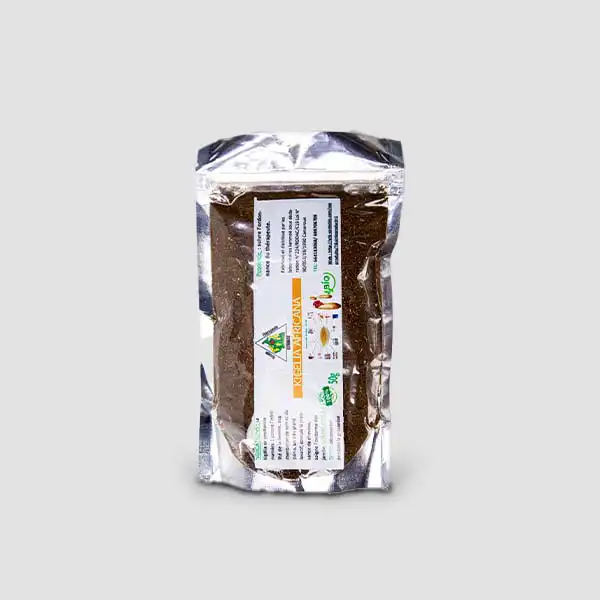
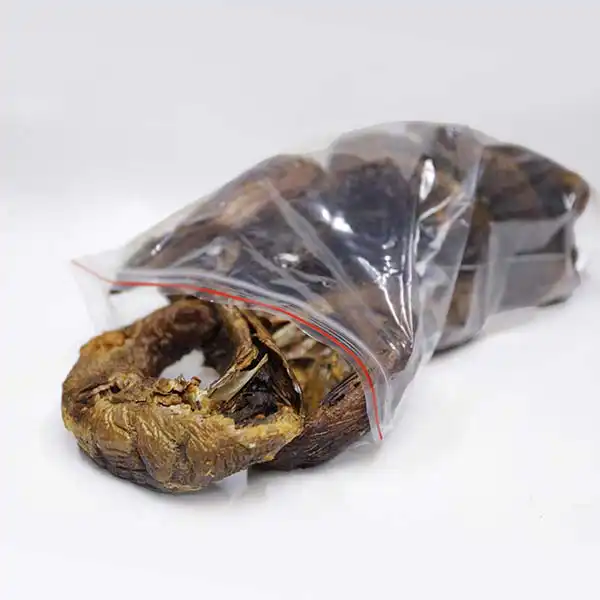

Calabash chalk, commonly known as Nzu, Ebumba, or La Craie, is a naturally occurring clay or soil substance used by various African cultures for centuries. Its consumption and application range from traditional medicinal purposes to beauty practices and even spiritual ceremonies. However, with the increasing interest in alternative medicine and traditional healing practices, it is essential to explore both the health benefits of Calabash Chalk and the risks associated with it.
Although calabash chalk is widely used and appreciated for its cultural and perceived health benefits, modern scientific research raises concerns over its safety, particularly regarding the presence of harmful substances. This article delves into the traditional uses, perceived health benefits, scientific concerns, and myths surrounding calabash chalk to provide a balanced view.
What Is Calabash Chalk? Are there Health Benefits of Calabash Chalk?
1.1 Origins and Composition of Calabash Chalk
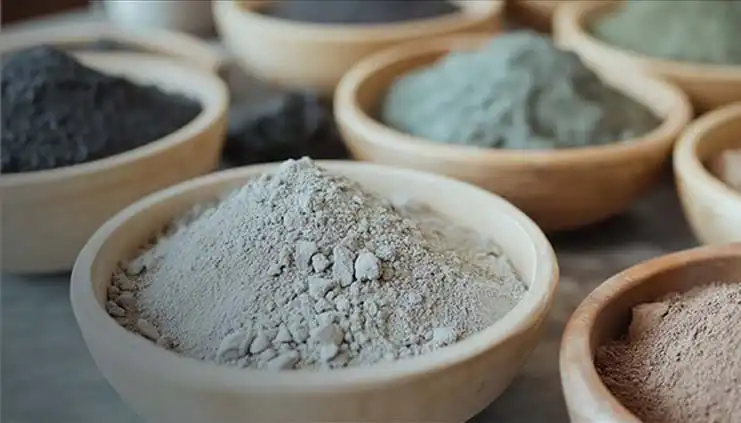
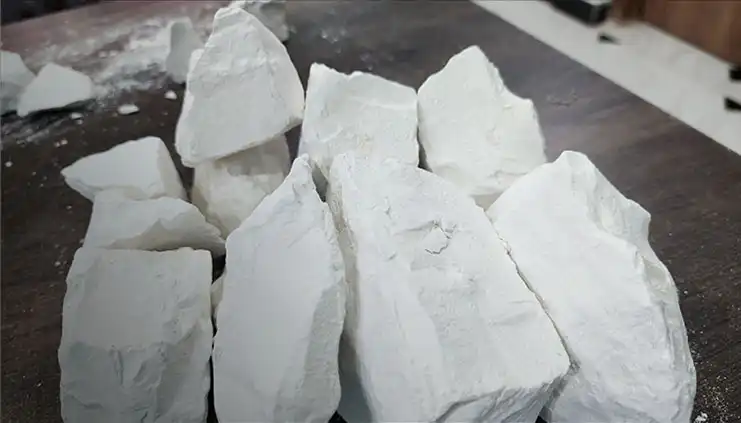
Calabash chalk is a type of earthy material sourced from natural clay pits found predominantly in regions of West Africa. It is then processed by sun-drying, which results in the creation of small blocks or lumps. In its most common form, it is off-white, pale, or gray and can easily be shaped into different sizes for consumption or cosmetic use.
The chalk is rich in minerals such as calcium, magnesium, and iron, which are key components of its appeal to certain demographics, particularly pregnant women. However, its nutritional content is often outweighed by its potential contamination with toxic substances like lead, arsenic, and mercury.
1.2 Cultural and Traditional Significance of Calabash Chalk
The consumption and application of calabash chalk in African societies span centuries. Traditionally, calabash chalk has been consumed by pregnant women to satisfy cravings for non-food substances, a condition known as pica. This condition is often thought to be caused by mineral deficiencies, particularly in calcium and iron, which are crucial during pregnancy.
In addition to its use in pregnancy, calabash chalk holds a revered place in certain spiritual rituals and cosmetic practices. It is believed to have detoxifying and purifying properties, and in some communities, it is thought to ward off negative energies or aid in spiritual cleansing.
Traditional Uses of Calabash Chalk
2.1 Calabash Chalk for Nausea and Morning Sickness
One of the most prevalent traditional uses of calabash chalk is to alleviate morning sickness during pregnancy. Pregnant women in many African societies consume small quantities of this chalk to relieve nausea and other gastrointestinal discomforts. It is believed that the chalky texture and minerals within calabash chalk soothe the stomach, providing relief from the uneasiness often associated with the early stages of pregnancy.
2.2 Calabash Chalk as a Natural Antacid
Calabash chalk has long been used in traditional medicine as a remedy for indigestion and heartburn. It is believed to neutralize stomach acid, providing relief from gastric discomfort. Some individuals dealing with acid reflux or hyperacidity chew on small pieces of calabash chalk to help reduce symptoms.
2.3 Source of Essential Minerals
Calabash chalk is often consumed with the belief that it serves as a natural source of important minerals like calcium and iron. These minerals play vital roles in bone health, muscle function, and blood circulation. For pregnant women, the added demand for these minerals during pregnancy may lead to a greater desire for calabash chalk consumption.
- Calcium: Vital for maintaining strong bones and teeth, calcium is necessary for muscle function and nerve signaling. Pregnant women may turn to calabash chalk as a natural source of calcium to help with their increased needs during pregnancy.
- Iron: Iron is essential for the production of hemoglobin, the protein in red blood cells that carries oxygen throughout the body. A deficiency in iron can lead to anemia, a condition common in pregnancy. Some pregnant women believe that calabash chalk helps to supplement their iron levels.
However, while calabash chalk may contain these essential minerals, it also poses potential health risks due to its contamination with toxic substances.
2.4 Detoxifying Effects of Calabash Chalk
Many traditional users believe that calabash chalk acts as a detoxifier, absorbing harmful toxins from the digestive tract and helping cleanse the body of impurities. In some communities, calabash chalk is believed to help rid the body of excess waste and aid in digestion.
Although this belief is widely held, there is no strong scientific evidence to support the detoxifying properties of calabash chalk. It is important to consider both the traditional beliefs surrounding the use of calabash chalk and the lack of empirical support for its detoxifying claims.
2.5 Skin Care and Cosmetic Applications
Calabash chalk is also used in traditional beauty practices. It is often applied topically to the skin as a natural exfoliant or face mask, believed to help draw out impurities and improve the complexion. In some cases, calabash chalk is used as a base for cosmetic products or lotions to treat acne, blemishes, or oily skin.
It is thought that the chalk’s absorbent properties help remove excess oil and dirt from the skin, making it a popular natural remedy for those dealing with skin issues.
Health Benefits of Calabash Chalk
3.1 Satisfying Pica Cravings
For pregnant women and others experiencing pica, a craving for non-food substances, calabash chalk offers a sense of relief. Pica often stems from mineral deficiencies, particularly calcium and iron. By consuming calabash chalk, some individuals feel they are addressing their body’s deficiency and satisfying the cravings that accompany this condition.
Many users report feeling a sense of satisfaction after consuming small amounts of calabash chalk, reducing their need to seek out other non-food items like soil, ashes, or other forms of clay.
3.2 Perceived Digestive Benefits
Calabash chalk is often used in traditional medicine as a digestive aid, believed to help reduce acidity in the stomach and soothe indigestion. The chalky texture is thought to provide a coating effect on the stomach lining, which helps ease irritation and discomfort from acid reflux, heartburn, or ulcers.
3.3 Skin Health Benefits
As a topical application, calabash chalk is thought to provide benefits for skin health. It is commonly used as a face mask or scrub to help remove dead skin cells, draw out impurities, and absorb excess oils. People who use calabash chalk as part of their skincare routine claim that it helps them achieve clearer, smoother skin.
Calabash chalk is also thought to help soothe inflammatory skin conditions like rashes or acne, thanks to its absorbent properties.
3.4 Spiritual and Ceremonial Uses
In addition to its medicinal and cosmetic applications, calabash chalk has significant spiritual importance in some African cultures. It is often used in ceremonial or ritualistic settings, where it is believed to help purify the body and spirit.
Traditional healers may incorporate calabash chalk into their practices to remove negative energies, provide protection, or promote overall well-being. The chalk’s spiritual uses are deeply rooted in the cultural heritage of various African communities, where it plays a role in rituals of cleansing and healing. Understanding the health benefits of Calabash Chalk available at BaobabMart.
Scientific Concerns: Health Risks of Calabash Chalk
4.1 Heavy Metal Contamination and Toxicity
Despite its perceived benefits, calabash chalk poses significant health risks due to the presence of heavy metals such as lead, arsenic, and mercury. Scientific studies have shown that regular consumption of calabash chalk can expose individuals to these toxic substances, which can accumulate in the body over time and lead to serious health issues.
- Lead: Lead poisoning can cause cognitive and developmental issues, particularly in children. Long-term exposure can also damage the kidneys, nervous system, and cardiovascular system.
- Arsenic: Arsenic is a known carcinogen that can increase the risk of various cancers, particularly of the skin, bladder, and lungs.
- Mercury: Mercury exposure can lead to neurological damage, affecting memory, coordination, and cognitive function.
4.2 Digestive Complications
Calabash chalk, when consumed in excess, can lead to digestive complications such as constipation or intestinal blockages. Since it is not a food substance, its dense texture can accumulate in the digestive tract, causing discomfort and potentially requiring medical intervention.
4.3 Nutritional Deficiencies
While calabash chalk is consumed for its perceived mineral content, it can interfere with the absorption of important nutrients. Prolonged use of calabash chalk may block the absorption of minerals like iron, calcium, and zinc, which are essential for maintaining good health.
Myths and Facts About Calabash Chalk
5.1 Myth: Calabash Chalk Is a Safe Source of Calcium
Many people believe that calabash chalk is a safe and natural source of calcium. However, this is a myth. The potential contamination with heavy metals makes it far from a safe option. There are much safer and healthier sources of calcium, such as dairy products, leafy greens, and fortified foods.
5.2 Fact: Calabash Chalk Can Cause Toxicity
The risk of toxicity from consuming calabash chalk is real and documented. Lead poisoning, arsenic contamination, and mercury exposure are all valid concerns. Therefore, the long-term consumption of calabash chalk poses significant health hazards.
5.3 Myth: Calabash Chalk Can Cure All Digestive Issues
While some people turn to calabash chalk for relief from digestive problems, there is no scientific evidence to suggest that it can cure conditions like acid reflux or ulcers. It may temporarily soothe the stomach lining, but it is not a reliable or safe long-term solution.
Conclusion: Weighing the Benefits and Risks
Calabash chalk is deeply embedded in many African cultures, valued for its perceived benefits in treating nausea, satisfying cravings, and acting as a natural remedy. However, its use also comes with serious risks, primarily due to the presence of heavy metals and other contaminants. While there may be anecdotal benefits to consuming calabash chalk, these are outweighed by the potential harm it can cause, particularly when consumed in large quantities.
For those seeking to address mineral deficiencies or digestive issues, there are far safer and more effective alternatives available, from nutrient-rich foods to over-the-counter supplements. While the cultural significance of calabash chalk should be respected, individuals must make informed choices about their health, considering both traditional and modern medical knowledge. Browse BaobabMart’s African herbal products for more wellness choices.
In summary, while calabash chalk may offer traditional uses and perceived benefits, it is crucial to recognize its potential health hazards. Making safer dietary choices can prevent unnecessary health risks and promote overall well-being. Discover more on the health benefits of Calabash Chalk tofay