








The Eco-Friendly Benefits of Choosing Natural Arabic Gum: A Comprehensive Guide
-
By Léthicia Nyemeck
- Updated: 2 years ago
- Published on
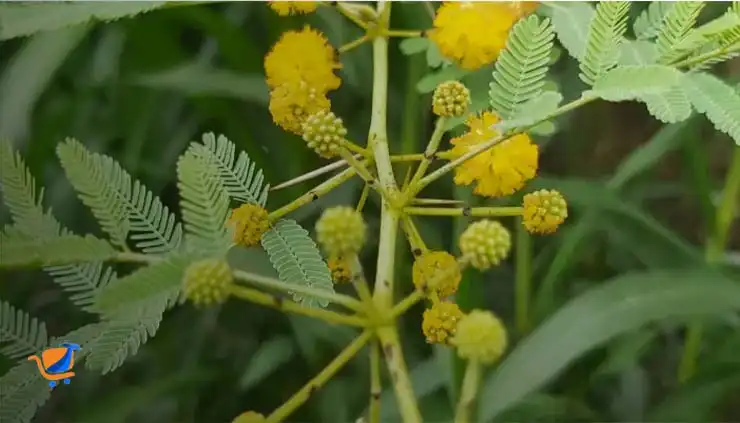
As environmental consciousness continues to rise, the demand for sustainable and eco-friendly products has never been higher. Consumers are increasingly making choices that reflect their commitment to the planet, seeking out products that are not only effective but also have a minimal environmental impact. Natural Arabic Gum, also known as Acacia Gum, is one such product that aligns perfectly with these values. Harvested from the sap of acacia trees primarily found in Africa, Arabic Gum is a natural, renewable resource with a wide range of applications across industries. This guide explores the extensive eco-friendly benefits of choosing Natural Arabic Gum, from its sustainable harvesting practices to its role in promoting biodiversity and supporting local economies.
Here, we cover;
Exploring Natural Arabic Gum
What is Natural Arabic Gum?
Natural Arabic Gum is a water-soluble gum derived from the hardened sap of acacia trees, specifically Acacia senegal and Acacia seyal. These trees are native to the Sahel region of Africa, where they thrive in arid and semi-arid climates. The gum is harvested by making small incisions in the tree bark, allowing the sap to exude and harden naturally. Once hardened, it is collected, cleaned, and processed into a fine powder or granules for use in various industries.
Arabic Gum is renowned for its unique properties, including its ability to emulsify, stabilize, and thicken products. It is widely used in the food, pharmaceutical, cosmetic, and industrial sectors, making it a versatile and valuable natural ingredient.
What is the Harvesting Process of Natural Arabic Gum
The process of harvesting Arabic Gum is both traditional and sustainable. Farmers make precise incisions in the bark of mature acacia trees, from which the sap slowly oozes out. This sap hardens into a resin over several weeks, forming what we know as Arabic Gum. The gum is then carefully harvested by hand, ensuring that the trees are not damaged and can continue to produce gum in future seasons. This method of harvesting is sustainable and allows the acacia trees to thrive in their natural environment, making Arabic Gum a renewable resource.
Historical and Cultural Significance of Natural Arabic Gum
Arabic Gum has been used for thousands of years in various cultures for its medicinal, culinary, and cosmetic properties. In Ancient Egypt, it was a key ingredient in the mummification process and was also used in cosmetics and inks. In the Middle East and Africa, it has been a staple in traditional medicine and food preparation. Today, Arabic Gum continues to be valued not only for its practical applications but also for its ability to support sustainable livelihoods in the regions where it is harvested.
How Eco-Friendly is to Choose Natural Arabic Gum?
1. Sustainable Harvesting Practices
Non-Invasive and Renewable Resource
One of the most significant eco-friendly aspects of Natural Arabic Gum is its sustainable harvesting process. The extraction of Arabic Gum is non-invasive, meaning that the acacia trees are not harmed during the process. Unlike many other natural resources that require the destruction or depletion of the source, Arabic Gum is harvested in a way that allows the trees to regenerate and continue producing gum year after year. This makes Arabic Gum a renewable resource, contributing to long-term environmental sustainability.
The ability of acacia trees to regenerate and produce gum without being cut down is a crucial factor in maintaining the ecological balance in the regions where these trees grow. This sustainable practice ensures that the natural landscape remains intact, supporting not only the trees but also the broader ecosystem that depends on them.
Preservation of Biodiversity
The acacia trees that produce Arabic Gum are often found in regions with limited vegetation, making them vital to the preservation of local biodiversity. These trees provide essential habitat and food for a variety of wildlife, including birds, insects, and mammals. The sustainable harvesting of Arabic Gum helps to preserve these trees and the biodiversity they support.
In addition to supporting wildlife, acacia trees play a crucial role in soil stabilization and water retention. Their deep root systems help prevent soil erosion and desertification, which are significant environmental challenges in arid regions. By choosing products made with Arabic Gum, consumers contribute to the preservation of these critical ecosystems and the biodiversity they support.
2. Supporting Local Communities
Economic Empowerment
The production of Natural Arabic Gum is a vital source of income for many rural communities in Africa, particularly in countries like Sudan, Senegal, and Chad. The gum is often referred to as “white gold” due to its economic significance. For many families, the income generated from Arabic Gum production provides the means to afford education, healthcare, and improved living conditions.
By choosing products made with Arabic Gum, consumers directly support the economic empowerment of these communities. The demand for Arabic Gum creates jobs and provides a stable source of income for farmers, many of whom work in regions with limited economic opportunities. This economic empowerment helps to reduce poverty and improve the quality of life in these communities, making Arabic Gum production a key factor in sustainable development.
Fair Trade and Ethical Sourcing
Many companies involved in the production and sale of Arabic Gum are committed to fair trade and ethical sourcing practices. These practices ensure that the farmers and workers involved in the harvesting and processing of Arabic Gum receive fair wages and work under safe conditions. Fairtrade certifications help guarantee that the benefits of Arabic Gum production are shared equitably among all participants in the supply chain.
By supporting fair trade Arabic Gum, consumers contribute to the development of sustainable economies in some of the world’s most vulnerable regions. Fairtrade practices also promote transparency and accountability in the supply chain, ensuring that the production of Arabic Gum adheres to high ethical and environmental standards.
3. Low Environmental Impact
Minimal Processing and Chemical-Free
One of the key eco-friendly benefits of Natural Arabic Gum is its minimal environmental impact during production. The harvesting and processing of Arabic Gum require very little energy and involve no harmful chemicals. The gum is collected from the trees, cleaned, and ground into a powder or granules without the need for extensive industrial processing. This minimal processing helps to conserve energy and reduce the carbon footprint associated with its production.
Unlike synthetic additives and chemicals used in many industries, Arabic Gum is a natural product that does not contribute to pollution or environmental degradation. Its production does not release harmful emissions or by-products into the environment, making it a safer and more sustainable choice for manufacturers and consumers alike.
Biodegradability
Another significant eco-friendly benefit of Natural Arabic Gum is its biodegradability. As a natural substance, Arabic Gum breaks down easily in the environment without leaving behind harmful residues or contributing to pollution. This contrasts sharply with many synthetic materials, which can persist in the environment for decades, causing long-term ecological damage.
The biodegradable nature of Arabic Gum makes it an ideal ingredient in products that prioritize environmental sustainability. Whether used in food, cosmetics, or packaging, products made with Arabic Gum are less likely to contribute to the growing problem of environmental pollution. By choosing biodegradable products, consumers can reduce their environmental impact and support a cleaner, healthier planet.
4. Versatility in Eco-Friendly Products
Natural Ingredient in Eco-Friendly Foods
In the food industry, Natural Arabic Gum is used as a stabilizer, emulsifier, and thickener in a wide range of products. Its natural properties make it an ideal ingredient for eco-friendly and organic food products. Arabic Gum is commonly found in beverages, confectioneries, and baked goods, where it helps to improve texture and shelf life without the need for synthetic additives.
The use of Arabic Gum in food products aligns with the growing demand for natural and organic ingredients. Consumers are increasingly looking for food products that are free from artificial preservatives, colors, and flavors. Arabic Gum provides a natural alternative to these synthetic ingredients, offering the same functional benefits without compromising on health or environmental sustainability.
Eco-Friendly Cosmetics and Personal Care Products
The cosmetic and personal care industry has seen a significant shift towards natural and sustainable ingredients in recent years. Consumers are becoming more conscious of the impact of their beauty products on the environment and are seeking out alternatives to synthetic chemicals. Natural Arabic Gum is at the forefront of this movement, providing a natural alternative to synthetic thickeners, stabilizers, and emulsifiers.
Arabic Gum is used in a variety of cosmetic and personal care products, including lotions, creams, shampoos, and conditioners. Its gentle, non-toxic nature makes it suitable for sensitive skin and environmentally conscious consumers. Additionally, because it is biodegradable, products made with Arabic Gum do not contribute to long-term environmental pollution, making them a responsible choice for eco-conscious consumers.
Sustainable Packaging Solutions
Arabic Gum is also used in the production of eco-friendly packaging materials. Its adhesive properties make it a valuable component in biodegradable and recyclable packaging, helping to reduce the reliance on plastic and other non-renewable materials. The use of Arabic Gum in packaging supports the principles of a circular economy, where products are designed to be reused, recycled, or biodegraded.
By choosing products packaged with materials containing Arabic Gum, consumers can further reduce their environmental footprint. Eco-friendly packaging solutions that incorporate Arabic Gum help to reduce waste and promote sustainability, contributing to a cleaner and healthier planet.
5. Carbon Sequestration and Climate Change Mitigation
Role of Acacia Trees in Carbon Sequestration
Acacia trees, the source of Arabic Gum, play a crucial role in carbon sequestration, the process by which trees absorb carbon dioxide from the atmosphere and store it in their biomass. This process helps to mitigate the effects of climate change by reducing the concentration of greenhouse gases in the atmosphere. Acacia trees are particularly effective at sequestering carbon due to their deep root systems and ability to thrive in arid environments.
By supporting the sustainable harvesting of Arabic Gum, consumers are indirectly contributing to the fight against climate change. The preservation and growth of acacia trees help to reduce carbon emissions and promote a healthier environment, making Arabic Gum production an important part of global efforts to combat climate change.
Combatting Desertification
In addition to their role in carbon sequestration, acacia trees are vital in combatting desertification, a process where fertile land becomes desert due to factors such as deforestation, overgrazing, and climate change. Desertification is a significant environmental challenge, particularly in the Sahel region of Africa, where Arabic Gum is harvested.
Acacia trees help to combat desertification by stabilizing the soil, retaining moisture, and preventing erosion. Their deep roots hold the soil in place, reducing the risk of desertification and helping to maintain the fertility of the land. By preserving and promoting the growth of acacia trees through Arabic Gum production, local communities can protect their land from desertification, ensuring its viability for future generations.
6. Ethical Consumerism and Conscious Choices
Aligning Consumer Values with Environmental Responsibility
As consumers become more aware of the environmental impact of their choices, there is a growing demand for products that align with their values. Natural Arabic Gum is a prime example of a product that meets the criteria of ethical consumerism. By choosing products made with Arabic Gum, consumers can feel confident that they are supporting sustainable practices, ethical sourcing, and the preservation of natural resources.
Consumers who prioritize environmental responsibility can make a positive impact by choosing products that use Natural Arabic Gum. Whether in food, cosmetics, or packaging, Arabic Gum offers a natural, sustainable alternative to synthetic ingredients and materials, aligning with the values of eco-conscious consumers.
Educating Consumers on the Benefits of Arabic Gum
Education is key to promoting the eco-friendly benefits of Natural Arabic Gum. By raising awareness about the sustainability and environmental impact of Arabic Gum, consumers can make informed choices that contribute to a healthier planet. Brands that use Arabic Gum in their products can play a significant role in this educational effort by providing information about the source and benefits of Arabic Gum on their packaging and marketing materials.
Educating consumers about the environmental benefits of Arabic Gum can also help to drive demand for sustainable products, encouraging more companies to adopt eco-friendly practices. By supporting products made with Arabic Gum, consumers can help to create a market that values sustainability and environmental responsibility.
7. Reducing Waste and Promoting Circular Economy
Recyclable and Biodegradable Materials
The use of Arabic Gum in packaging and other materials supports the principles of a circular economy, where products are designed to be reused, recycled, or biodegraded. Arabic Gum-based adhesives and coatings contribute to the production of packaging that is fully recyclable or biodegradable, reducing waste and the environmental impact of disposable products.
By choosing products that incorporate Arabic Gum, consumers can support a more sustainable and waste-free economy. The use of biodegradable and recyclable materials helps to reduce the amount of waste that ends up in landfills and oceans, contributing to a cleaner and healthier environment.
Supporting a Closed-Loop System
In a closed-loop system, waste is minimized by ensuring that products and materials are reused or recycled at the end of their life cycle. Arabic Gum’s biodegradability and minimal processing make it an ideal component in products designed for a closed-loop system. By choosing products that incorporate Arabic Gum, consumers can support a more sustainable and waste-free economy.
The promotion of a closed-loop system aligns with the principles of a circular economy, where resources are used efficiently and waste is minimized. By supporting products made with Arabic Gum, consumers can contribute to the development of a more sustainable and circular economy, reducing the environmental impact of their choices.
8. Health and Environmental Synergy
Natural Health Benefits with Minimal Environmental Impact
Natural Arabic Gum offers numerous health benefits, including promoting digestive health, supporting weight management, and providing skin care solutions. These health benefits come with minimal environmental impact, as the production and use of Arabic Gum do not require harmful chemicals or extensive industrial processes. This synergy between health and environmental sustainability makes Arabic Gum a valuable ingredient in products that prioritize both personal well-being and ecological responsibility.
Consumers who prioritize both health and environmental sustainability can benefit from products made with Natural Arabic Gum. Whether used in dietary supplements, skin care products, or food, Arabic Gum offers a natural solution that supports both personal health and environmental responsibility.
Eco-Friendly Alternatives to Synthetic Chemicals
In many industries, Natural Arabic Gum provides an eco-friendly alternative to synthetic chemicals and additives. Whether used as a thickener in food, a binder in pharmaceuticals, or a stabilizer in cosmetics, Arabic Gum offers a natural solution that reduces the reliance on environmentally damaging chemicals. By replacing synthetic ingredients with Arabic Gum, manufacturers can produce products that are safer for consumers and the environment.
The use of Arabic Gum as an alternative to synthetic chemicals aligns with the growing demand for natural and sustainable products. By choosing products made with Arabic Gum, consumers can reduce their exposure to synthetic chemicals and support the development of a more sustainable and environmentally friendly market.
Conclusion: Benefits of Choosing Natural Arabic Gum
Natural Arabic Gum is not only a versatile and beneficial substance but also an eco-friendly choice that supports sustainable practices and ethical consumerism. From its sustainable harvesting process to its role in reducing waste and promoting a circular economy, Arabic Gum offers numerous environmental benefits. By choosing products made with Natural Arabic Gum, consumers can support the preservation of natural resources, the empowerment of local communities, and the reduction of their environmental footprint.
At BaobabMart, we are proud to offer high-quality, authentic Natural Arabic Gum sourced from the rich landscapes of Africa. Our commitment to sustainability and ethical sourcing ensures that every purchase you make contributes to a healthier planet and the well-being of communities across Africa. Explore the eco-friendly benefits of Natural Arabic Gum today and discover how this ancient natural resource can make a positive impact on your life and the environment.