





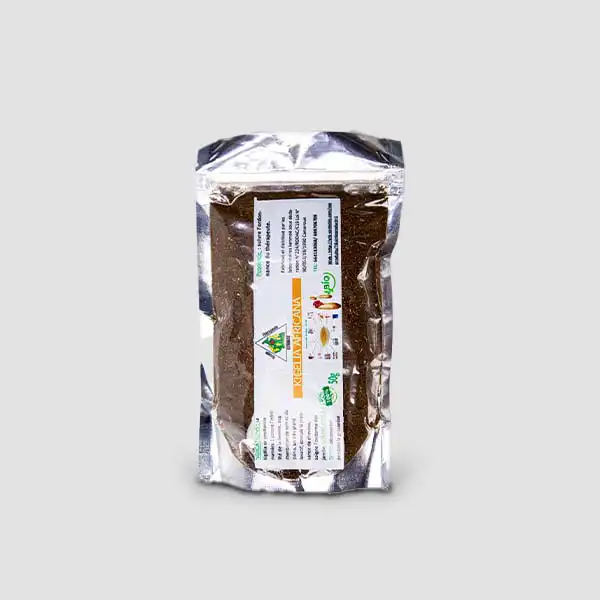


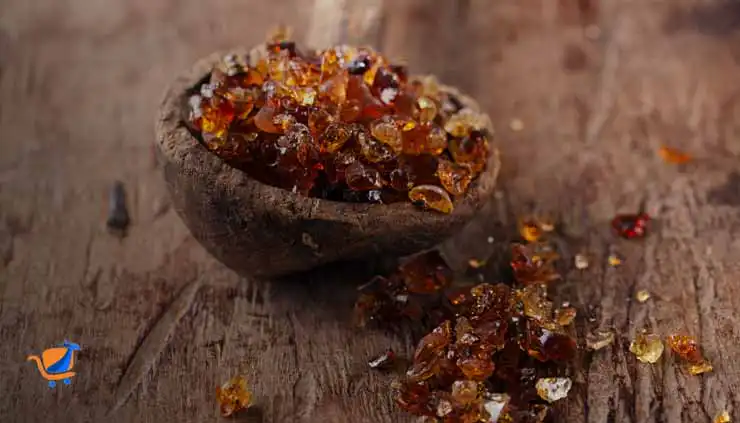
Natural Arabic Gum, also known as Acacia Gum, is one of nature’s most versatile and valuable substances. Derived from the sap of Acacia senegal and Acacia seyal trees, this natural gum has been used for centuries across various cultures and industries.
From food and beverages to pharmaceuticals, cosmetics, and industrial applications, Arabic Gum’s unique properties make it an indispensable ingredient in many products.
This comprehensive guide explores the versatility of Arabic gum for home Remedies, highlighting its uses, benefits, and the vital role it plays in supporting sustainable practices and local economies.
Jump to section
Understanding Natural Arabic Gum
The Origin and Composition of Arabic Gum
Natural Arabic Gum is harvested from the sap of acacia trees, which are primarily found in the Sahel region of Africa, spanning countries like Sudan, Senegal, and Chad.
These trees thrive in arid and semi-arid climates, making them resilient to harsh environmental conditions.
The harvesting process involves making small incisions in the bark of the tree, allowing the sap to ooze out and harden into a resin. Once the sap has hardened, it is carefully collected by hand, cleaned, and processed into a fine powder or granules.
Arabic Gum is composed mainly of polysaccharides and glycoproteins, including arabinose, galactose, rhamnose, and glucuronic acid.
These components give Arabic Gum its unique properties, such as high water solubility, emulsification, stabilization, and thickening. Its natural composition makes it safe for consumption and use in a wide range of applications, earning it a place in numerous industries worldwide.
Historical Significance and Traditional Uses of Arabic Gum
The history of Arabic Gum dates back thousands of years, with its earliest known use in Ancient Egypt. It was a crucial ingredient in the mummification process and was also used in cosmetics, inks, and paints. Arabic Gum’s role in ancient trade routes, such as the Silk Road, underscores its value as a commodity.
It was traded extensively between Africa, the Middle East, and Asia, where it was used in a variety of traditional practices.
In Africa and the Middle East, Arabic Gum has long been used in traditional medicine to treat various ailments, including digestive disorders, respiratory issues, and skin conditions.
Its versatility and effectiveness in these traditional remedies have contributed to its continued use and popularity in modern times.
Why Arabic Gum Remains Relevant Today
Despite the availability of synthetic alternatives, Natural Arabic Gum remains a preferred choice for many manufacturers and consumers.
Its natural origin, safety, and multifunctional properties make it a versatile ingredient that aligns with the growing demand for clean-label, natural products.
Additionally, its sustainable harvesting process and the economic benefits it provides to rural communities in Africa further enhance its appeal in today’s market.
The Versatility of Natural Arabic Gum in Food and Beverages
1. A Natural Emulsifier and Stabilizer
One of the most prominent uses of Natural Arabic Gum is in the food and beverage industry, where it serves as a natural emulsifier and stabilizer.
Its ability to stabilize oil-in-water emulsions makes it an essential ingredient in products like salad dressings, sauces, and beverages.
Arabic Gum’s natural emulsification properties prevent the separation of ingredients, ensuring a consistent texture and appearance in food products.
Key Applications in Food:
- Beverages: In soft drinks, Arabic Gum is used to stabilize the sugar and prevent crystallization, resulting in a smooth, consistent texture. It also enhances the mouthfeel of beverages, making them more palatable.
- Confectionery: Arabic Gum plays a crucial role in the production of candies and sweets. It controls sugar crystallization, improves texture, and extends the shelf life of products like gummy candies and chewing gum.
- Baked Goods: In baked goods, Arabic Gum acts as a stabilizer, enhancing texture, improving moisture retention, and prolonging freshness. It is especially valuable in gluten-free baking, where it provides the structure typically offered by gluten.
2. A Source of Dietary Fiber
Natural Arabic Gum is a rich source of soluble dietary fiber, which is essential for maintaining digestive health.
The soluble fiber in Arabic Gum has been shown to promote regular bowel movements, lower cholesterol levels, and regulate blood sugar levels, making it a valuable ingredient in health-focused food products.
Health Benefits:
- Digestive Health: The soluble fiber in Arabic Gum promotes the growth of beneficial gut bacteria, which can improve digestion and prevent constipation. It also helps soothe the digestive tract, making it beneficial for individuals with irritable bowel syndrome (IBS) or other gastrointestinal issues.
- Heart Health: By helping to lower cholesterol levels, Arabic Gum supports cardiovascular health, reducing the risk of heart disease. The fiber binds to bile acids in the intestines, which are then excreted from the body, lowering overall cholesterol levels.
- Blood Sugar Regulation: The fiber content in Arabic Gum can slow the absorption of sugar into the bloodstream, aiding in blood sugar management for individuals with diabetes. This can help prevent spikes in blood sugar levels after meals.
3. A Versatile Ingredient in Specialty Foods
Arabic Gum’s versatility extends to specialty foods, where it is used in gluten-free, vegan, and low-calorie products.
Its natural origin and multifunctional properties make it an ideal ingredient for products designed for consumers with dietary restrictions or specific health goals.
Applications in Specialty Foods:
- Gluten-Free Baking: Arabic Gum acts as a binder and stabilizer in gluten-free baking, providing the structure and elasticity that gluten typically offers. This helps improve the texture and appearance of gluten-free bread, cakes, and cookies.
- Vegan Products: As a plant-based ingredient, Arabic Gum is suitable for vegan products, offering a natural alternative to animal-derived stabilizers and emulsifiers. It is commonly used in vegan ice cream, sauces, and desserts.
- Low-Calorie Foods: Arabic Gum is often used in low-calorie foods as a bulking agent, providing texture and volume without adding calories. Its ability to mimic the mouthfeel of fats makes it a valuable ingredient in reduced-fat and low-calorie products.
The Role of Natural Arabic Gum in Pharmaceuticals and Medicine

1. A Safe and Effective Excipient
In the pharmaceutical industry, Natural Arabic Gum is widely used as an excipient, a substance that is added to drug formulations to aid in the manufacturing process and improve the stability and bioavailability of active ingredients.
Its non-toxic, hypoallergenic properties make it a preferred choice for use in tablets, capsules, and liquid formulations.
Pharmaceutical Applications:
- Tablet Binding: Arabic Gum is used as a binder in tablet formulations, helping to hold the ingredients together and ensuring that the tablet dissolves properly in the body. This improves the consistency and effectiveness of the medication.
- Suspending Agent: In liquid formulations, Arabic Gum acts as a suspending agent, preventing the active ingredients from settling at the bottom of the container. This ensures even distribution throughout the product, making it more effective.
- Controlled Release: Arabic Gum can be used in controlled-release formulations, where it helps regulate the release of the active ingredient over time. This enhances the efficacy of the medication and reduces the frequency of dosing.
2. Traditional Medicine and Herbal Remedies
Natural Arabic Gum has been a staple in traditional medicine for centuries, particularly in Africa and the Middle East.
It is known for its soothing and anti-inflammatory properties, making it a popular ingredient in remedies for sore throats, digestive issues, and skin conditions.
Traditional Uses:
- Sore Throats: Arabic Gum is commonly used in lozenges and syrups to soothe sore throats and reduce irritation. Its demulcent properties form a protective barrier over the throat’s mucous membranes, providing relief from pain and discomfort.
- Digestive Ailments: As a natural remedy for digestive issues, Arabic Gum is often used to treat constipation, diarrhea, and other gastrointestinal disturbances. Its gentle, soothing properties make it suitable for individuals with sensitive digestive systems.
- Wound Healing: In traditional medicine, Arabic Gum has been applied to wounds and burns to promote healing and reduce inflammation. Its natural anti-inflammatory and antimicrobial properties help protect the skin and accelerate the healing process.
3. Modern Applications in Healthcare
Beyond traditional uses, Arabic Gum is also being explored for its potential in modern healthcare applications.
Research is ongoing into its use as a prebiotic, a substance that promotes the growth of beneficial bacteria in the gut, and its potential role in managing chronic diseases such as diabetes and cardiovascular conditions.
Emerging Healthcare Applications:
- Prebiotic Potential: Recent studies suggest that Arabic Gum may function as a prebiotic, supporting the growth of beneficial gut bacteria and improving overall gut health. This could have implications for the management of conditions such as irritable bowel syndrome (IBS) and inflammatory bowel disease (IBD).
- Chronic Disease Management: There is growing interest in the potential role of Arabic Gum in managing chronic diseases such as diabetes and cardiovascular conditions. Its ability to regulate blood sugar levels and lower cholesterol makes it a promising candidate for inclusion in therapeutic diets.
Natural Arabic Gum in Cosmetics and Personal Care

1. A Natural Thickener and Stabilizer
In the cosmetics and personal care industry, Natural Arabic Gum is valued for its ability to thicken and stabilize formulations.
It is used in a wide range of products, including lotions, creams, shampoos, and conditioners, where it enhances texture, improves consistency, and extends shelf life.
Cosmetic Applications:
- Lotions and Creams: Arabic Gum is used as a thickening agent in lotions and creams, giving them a smooth, rich texture and helping to stabilize emulsions. This ensures that the product maintains its consistency over time, even in varying environmental conditions.
- Hair Care Products: In shampoos and conditioners, Arabic Gum helps improve the viscosity and consistency of the product, ensuring even distribution during use. It also enhances the shine and manageability of hair, making it a popular ingredient in hair care formulations.
- Face Masks: Arabic Gum’s film-forming properties make it an excellent ingredient in face masks, where it helps to tighten and firm the skin while delivering moisture. It also provides a protective barrier that locks in hydration and enhances the effectiveness of other active ingredients.
2. Skin-Soothing and Hydrating Properties
Arabic Gum is known for its skin-soothing and hydrating properties, making it a popular ingredient in skincare products designed for sensitive or dry skin.
Its ability to form a protective barrier on the skin helps to lock in moisture and prevent dehydration, promoting a healthy, radiant complexion.
Skincare Benefits:
- Hydration: Arabic Gum acts as a humectant, drawing moisture into the skin and helping to maintain hydration levels throughout the day. This makes it an ideal ingredient in moisturizers, serums, and hydrating masks.
- Soothing Irritation: For individuals with sensitive or irritated skin, Arabic Gum’s gentle nature helps to soothe redness and reduce inflammation, making it ideal for use in products designed for delicate skin. It is often included in formulations for eczema, rosacea, and other inflammatory skin conditions.
- Anti-Aging: The film-forming properties of Arabic Gum can help to tighten the skin and reduce the appearance of fine lines and wrinkles, making it a valuable ingredient in anti-aging formulations. It also enhances the skin’s natural barrier function, protecting it from environmental stressors and preventing premature aging.
3. Eco-Friendly and Sustainable Beauty
With the rise of eco-conscious consumers, there is an increasing demand for natural and sustainable ingredients in beauty products. Arabic Gum fits perfectly into this trend, offering a natural, biodegradable alternative to synthetic thickeners and stabilizers.
Its sustainable harvesting process further enhances its appeal, making it a responsible choice for brands committed to sustainability.
Eco-Friendly Applications:
- Sustainable Beauty Products: Arabic Gum is used in eco-friendly beauty products that prioritize natural, biodegradable ingredients. Its ability to enhance product performance without compromising sustainability makes it a valuable addition to green beauty formulations.
- Biodegradable Packaging: Beyond its use in products, Arabic Gum is also being explored as a component in biodegradable packaging materials. Its natural adhesive properties make it suitable for use in eco-friendly packaging, reducing the environmental impact of beauty products.
Industrial Applications of Natural Arabic Gum
1. A Natural Adhesive and Binder
Beyond its uses in food, pharmaceuticals, and cosmetics, Natural Arabic Gum is also employed in various industrial applications due to its adhesive and binding properties.
Its natural, non-toxic composition makes it a preferred choice in industries where safety and environmental impact are concerns.
Industrial Uses:
- Printing and Inks: Arabic Gum is used as a binder in printing inks, where it helps to improve adhesion to the printing surface and enhance the quality of the print. It also contributes to the viscosity and flow properties of the ink, ensuring consistent application.
- Ceramics and Pottery: In the ceramics industry, Arabic Gum is used as a binder in glazes and clay formulations, helping to improve the consistency and workability of the material. It also enhances the durability of the final product, ensuring that it withstands firing and glazing processes.
- Textiles: Arabic Gum is used in the textile industry as a sizing agent, where it helps to strengthen fibers and improve the texture of fabrics. It is also used in textile printing to enhance the adhesion of dyes and inks to the fabric, ensuring vibrant, long-lasting colors.
2. Eco-Friendly Packaging Solutions
With the growing demand for sustainable and eco-friendly products, Arabic Gum has found its place in the production of biodegradable packaging materials.
Its natural adhesive properties make it an ideal ingredient in the creation of packaging that is both functional and environmentally friendly.
Eco-Friendly Applications:
- Biodegradable Packaging: Arabic Gum is used in the production of biodegradable films and coatings, offering an eco-friendly alternative to traditional plastic packaging. These materials break down naturally in the environment, reducing the impact of packaging waste.
- Paper Products: In the paper industry, Arabic Gum is used as a sizing agent and adhesive, helping to improve the strength and durability of paper products while reducing the need for synthetic chemicals. It is also used in the production of eco-friendly paper coatings that enhance the water resistance and printability of paper products.
The Environmental and Economic Impact of Natural Arabic Gum
Sustainable Harvesting Practices
One of the key benefits of Natural Arabic Gum is its sustainable harvesting process. The acacia trees from which the gum is derived are not harmed during the harvesting process, allowing them to continue producing gum year after year.
This renewable resource plays a crucial role in supporting local ecosystems and preventing desertification in the regions where it is cultivated.
Sustainability Benefits:
- Environmental Conservation: The cultivation of acacia trees helps to stabilize the soil, retain moisture, and prevent desertification, contributing to the preservation of local ecosystems. The deep root systems of acacia trees also help prevent soil erosion, protecting the land from degradation.
- Biodiversity: Acacia trees provide a habitat for a variety of wildlife, supporting biodiversity in arid and semi-arid regions. By preserving these trees, the production of Arabic Gum contributes to the conservation of species that rely on acacia trees for food and shelter.
- Carbon Sequestration: As part of their natural growth process, acacia trees absorb carbon dioxide from the atmosphere, helping to mitigate the effects of climate change. The sustainable cultivation of these trees contributes to global efforts to reduce greenhouse gas emissions and combat climate change.
Supporting Local Economies
The production of Natural Arabic Gum is a vital source of income for many rural communities in Africa.
By choosing products made with Arabic Gum, consumers support the economic empowerment of these communities, helping to improve living standards and promote sustainable development.
Economic Impact:
- Job Creation: The harvesting and processing of Arabic Gum provide employment opportunities for thousands of people in rural areas, helping to reduce poverty and improve quality of life. These jobs are often a primary source of income for families in these regions, contributing to economic stability and growth.
- Fair Trade Practices: Many producers of Arabic Gum are committed to fair trade practices, ensuring that farmers receive fair compensation for their work and that the benefits of production are shared equitably. Fairtrade certification also ensures that production practices are sustainable and environmentally responsible, further enhancing the social and environmental impact of Arabic Gum production.
Ethical Consumerism and the Demand for Natural Ingredients
In recent years, there has been a significant shift towards ethical consumerism, with consumers increasingly seeking products that align with their values.
This trend has driven demand for natural, sustainably sourced ingredients like Arabic Gum, which offers a compelling alternative to synthetic and environmentally harmful substances.
Consumer Trends:
- Clean Label Products: The clean label movement emphasizes transparency, minimal processing, and natural sourcing. Arabic Gum’s natural origin and multifunctional properties make it a perfect fit for clean-label products, appealing to consumers who prioritize health, sustainability, and ethical sourcing.
- Sustainable Packaging: As consumers become more aware of the environmental impact of packaging waste, there is a growing demand for sustainable packaging solutions. Arabic Gum’s role in biodegradable packaging materials aligns with this trend, offering a natural solution that reduces the environmental footprint of packaged goods.
Conclusion: Natural Arabic Gum for Home Remedies
Natural Arabic Gum is an incredibly versatile and valuable natural resource with applications that span across various industries, from food and pharmaceuticals to cosmetics and industrial products.
Its unique properties, coupled with its natural origin and sustainable production, make it an ideal choice for consumers and manufacturers alike.
At BaobabMart, we are committed to offering high-quality, authentic Natural Arabic Gum sourced from the rich landscapes of Africa. By choosing our products, you are not only benefiting from the many uses of this remarkable natural substance but also supporting sustainable practices and the economic empowerment of local communities.
Explore the versatility of Natural Arabic Gum today and discover how it can enhance your products and contribute to a more sustainable future.