








Natural Arabic Gum, also known as Acacia Gum, is an exceptional substance with a history that spans thousands of years. Harvested from the sap of acacia trees, particularly Acacia senegal and Acacia seyal, this natural gum has become a cornerstone in various industries due to its versatility and unique properties. From food and beverages to cosmetics, pharmaceuticals, and even industrial applications, Natural Arabic Gum continues to be an invaluable resource. In this comprehensive guide, we will explore what makes Arabic Gum so special, its numerous applications, and its role in sustainable and ethical trade practices.
What to know about Arabic gum
The Origins of Natural Arabic Gum
The Acacia Tree: A Source of Life in Arid Regions
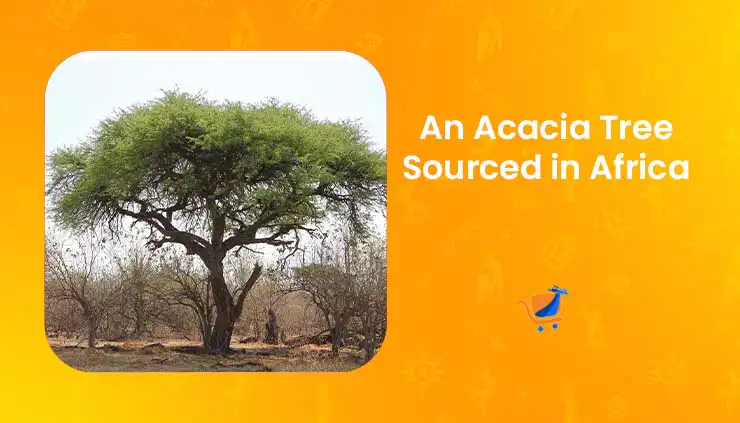
Acacia trees, the source of Arabic Gum, are well-adapted to thrive in harsh, arid climates. These resilient trees are predominantly found in the Sahelian region of Africa, stretching across countries like Sudan, Senegal, and Chad. Acacia trees play a crucial role in their ecosystems, providing gum, stabilizing soil, and offering shelter and nourishment to wildlife.
The process of harvesting Arabic Gum is as ancient as the tree itself. Farmers make small incisions in the tree’s bark, allowing the sap to seep and harden over time. This hardened sap, known as Arabic Gum, is then collected by hand. The harvesting process is labor-intensive but has been perfected over generations, ensuring that the trees continue to produce gum year after year without causing them harm.
Historical and Cultural Significance
Arabic Gum has been a part of human history for millennia. In Ancient Egypt, it was used in the mummification process, as an adhesive in papyrus scrolls, and even in cosmetics. Its use spread across the Middle East and North Africa, where it became a staple in traditional medicine and culinary practices.
During the medieval period, Arabic Gum was a valuable trade commodity, transported along trade routes from Africa to Europe and Asia, where it was used in art, writing, and early food preservation techniques.
Today, while modern science has discovered new applications for Arabic Gum, its traditional uses remain integral to many cultures. In countries like Sudan, Arabic Gum is still used in beverages like “gum Arabic tea,” a drink believed to have various health benefits, including aiding digestion and soothing the throat.
The Unique Composition and Properties of Natural Arabic Gum
Chemical Composition: A Natural Polysaccharide
Natural Arabic Gum is a complex mixture of glycoproteins and polysaccharides, primarily composed of arabinose, galactose, rhamnose, and glucuronic acid. This unique composition gives Arabic gum desirable properties, such as high solubility in water and its ability to form stable emulsions.
- Polysaccharides: These are long chains of carbohydrate molecules that are responsible for Arabic Gum’s ability to form viscous solutions, making it an effective thickening agent.
- Glycoproteins: These molecules contribute to Arabic Gum’s adhesive and film-forming properties, making it valuable in various industrial applications.
Physical Properties: Versatile and Multifunctional
Arabic Gum typically appears as small, irregularly shaped pieces that range in color from pale yellow to amber. It is water-soluble, forming a viscous solution when dissolved. This solubility is one of its most significant properties, as it allows Arabic Gum to act as an emulsifier, stabilizer, and thickener in numerous products.
Another critical property of Arabic Gum is its film-forming ability. When applied to surfaces, it creates a protective barrier, which is why it is used in products like confectionery glazes and pharmaceutical coatings. Arabic Gum is also odorless and tasteless, making it ideal for use in food products where it should not alter the taste or smell of the final product.
Applications of Natural Arabic Gum
Food and Beverage Industry
Emulsifier and Stabilizer: Enhancing Texture and Consistency
In the food and beverage industry, Natural Arabic Gum is highly prized for its ability to stabilize and emulsify products. An emulsifier helps blend ingredients that would otherwise separate, such as oil and water. In products like soft drinks, syrups, and salad dressings, Arabic Gum ensures that the ingredients remain mixed, providing a consistent texture and preventing separation during storage.
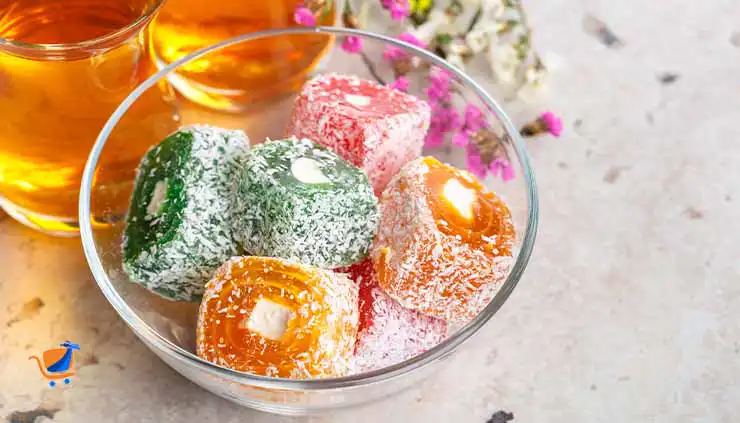
In confectionery, Arabic Gum is used to stabilize foams and prevent sugar crystallization, ensuring that products like marshmallows, gummy candies, and glazes maintain their desired texture and appearance. Its ability to form a smooth, glossy coating makes it indispensable in the production of these sweet treats.
Dietary Fiber: Promoting Digestive Health
Natural Arabic Gum is a rich source of soluble dietary fiber. Soluble fiber dissolves in water to form a gel-like substance in the gut, which can slow down digestion and promote the feeling of fullness. This property is particularly beneficial for those looking to manage their weight or improve their digestive health. By promoting the growth of beneficial gut bacteria, Arabic Gum supports a healthy digestive system and can help alleviate issues like constipation and irritable bowel syndrome (IBS).
Pharmaceutical and Medical Uses
Tablet Binding Agent: Ensuring Consistency and Efficacy
In the pharmaceutical industry, Arabic Gum is commonly used as a binding agent in tablet formulation. Its adhesive properties ensure that the active ingredients in tablets are held together, providing consistency and stability. This is crucial in ensuring that each tablet contains the correct dosage of medication and disintegrates appropriately in the digestive system for proper absorption.
Cough Syrups and Lozenges: Soothing Relief
Arabic Gum is also used in the production of cough syrups and lozenges, where it acts as a demulcent, a substance that soothes irritated mucous membranes. Its film-forming properties help coat the throat, providing relief from irritation and reducing the frequency of coughing. This makes it a popular ingredient in over-the-counter cold and flu remedies.
Cosmetic and Personal Care Industry
Skin Care Products: Hydration and Protection
In the cosmetic industry, Natural Arabic Gum is valued for its skin-conditioning and film-forming properties. It is often used in lotions, creams, and serums to improve the texture and stability of the product.
When applied to the skin, Arabic Gum forms a thin, protective film that helps to retain moisture and enhance the skin’s natural barrier function. This makes it a popular ingredient in products designed to hydrate and protect the skin, particularly in anti-aging formulations.
Hair Care Products: Enhancing Shine and Manageability
Arabic Gum is also a valuable ingredient in hair care products. Its ability to smooth the hair cuticle and add shine makes it a popular choice in shampoos, conditioners, and styling products. It helps to reduce frizz and improve the manageability of hair, making it easier to style and maintain. Additionally, its natural, non-toxic properties make it suitable for use in products aimed at individuals with sensitive skin or allergies.
Industrial Applications
Printing and Inks: Quality and Precision
In the printing industry, Natural Arabic Gum is a key ingredient in the production of water-based inks and adhesives. Its binding properties ensure that the ink adheres well to various surfaces, providing a consistent and high-quality finish. Arabic Gum is also used in lithographic printing, where it helps create a smooth and even surface on lithographic plates, ensuring precision in the printing process.
Ceramics and Paints: Versatility in Art and Industry
In ceramics, Arabic Gum is used as a binder in glazes and as a deflocculant in clay processing. Its ability to improve the workability of clay makes it essential in the production of fine ceramics, ensuring that the clay remains pliable and easy to shape. In the paint industry, Arabic Gum is used as a stabilizer to prevent pigments from settling, ensuring that the color remains consistent throughout the paint.
Health Benefits of Natural Arabic Gum
Digestive Health: Supporting Gut Flora
As a rich source of soluble dietary fiber, Natural Arabic Gum plays a significant role in promoting digestive health. Soluble fiber is known to support the growth of beneficial gut bacteria, which are essential for maintaining a healthy digestive system.
Regular consumption of Arabic Gum can help alleviate common digestive issues such as constipation, bloating, and indigestion. Furthermore, by promoting a healthy gut microbiome, Arabic Gum can contribute to overall well-being and may even have a positive impact on mental health, as recent studies have shown a strong connection between gut health and mental health.
Blood Sugar Control: Aiding in Diabetes Management
Natural Arabic Gum may also help in controlling blood sugar levels. The soluble fiber in Arabic Gum slows down the absorption of sugars in the digestive tract, preventing sudden spikes in blood glucose levels. This property makes Arabic Gum a beneficial supplement for individuals with diabetes or those at risk of developing the condition. By incorporating Arabic Gum into their diet, individuals may be able to better manage their blood sugar levels and reduce the risk of complications associated with diabetes.
Weight Management: Promoting Satiety
The dietary fiber content in Natural Arabic Gum can aid in weight management by promoting a feeling of fullness. Foods rich in soluble fiber can help reduce overall calorie intake by making individuals feel fuller for longer periods, thereby reducing the likelihood of overeating. For those looking to manage their weight or maintain a healthy lifestyle, incorporating Arabic Gum into their diet can be a simple yet effective strategy.
Sustainability and Ethical Considerations
Sustainable Harvesting Practices: Protecting Ecosystems
The production of Natural Arabic Gum is deeply intertwined with the livelihoods of communities in Africa, particularly in Sudan, which is the world’s largest producer of Arabic Gum. Sustainable harvesting practices are essential to ensure the long-term viability of acacia trees and the ecosystems they support. Ethical sourcing practices, including fair trade initiatives, play a crucial role in promoting sustainability and ensuring that local farmers receive fair compensation for their work.
Efforts to promote sustainable harvesting include training farmers in techniques that minimize damage to the trees and the surrounding environment. By adopting these practices, farmers can continue to harvest Arabic Gum for many years, ensuring a stable source of income while protecting the environment.
Supporting Local Communities: Ethical Trade and Fair Wages
Purchasing products made with Natural Arabic Gum contributes to the economic development of rural communities in Africa. Many of these communities rely heavily on the income generated from Arabic Gum production. By supporting ethical trade practices, consumers can ensure that the farmers and workers involved in the production of Arabic Gum receive fair wages and work in safe conditions.
Fairtrade organizations and certifications help to ensure that the benefits of Arabic Gum production are shared equitably. These initiatives often include programs that provide education, healthcare, and other essential services to the communities involved in Arabic Gum production, improving their quality of life and promoting sustainable development.
How to Use Natural Arabic Gum at Home
Culinary Uses: Exploring Traditional and Modern Recipes
Natural Arabic Gum can be used in various culinary applications at home. It can be added to smoothies, soups, and sauces as a thickening agent, giving these dishes a smooth and creamy texture. Additionally, Arabic Gum can be used to create homemade syrups and confections, where it acts as a stabilizer and prevents sugar crystallization.
For those interested in exploring traditional African cuisine, Arabic Gum can be a key ingredient in recipes like “Gum Arabic Tea,” a popular drink in Sudan known for its soothing properties and health benefits. Arabic Gum can also be used to make traditional sweets and desserts, adding a touch of authenticity to your culinary creations.
DIY Cosmetic Recipes: Natural Beauty Solutions
Arabic Gum can be incorporated into DIY cosmetic recipes for those who enjoy making their beauty products. It can be used to create natural face masks, hair conditioners, and body lotions. Due to its skin-conditioning properties, Arabic Gum can help improve the texture and hydration of homemade beauty products, providing a natural and gentle alternative to commercial products.
To create a simple face mask, mix Arabic Gum powder with a small amount of water to form a paste. Apply the paste to your face and let it sit for 10-15 minutes before rinsing off with warm water. This mask can help to hydrate and soothe the skin, leaving it feeling soft and refreshed.
Health Supplements: Easy Integration into Your Daily Routine
For individuals looking to improve their digestive health or manage their weight, Natural Arabic Gum can be consumed as a dietary supplement. It is available in powder form and can be easily added to water, juice, or smoothies. Regular consumption can help promote gut health, support weight management, and provide other health benefits associated with soluble fiber.
When using Arabic Gum as a supplement, start with a small amount and gradually increase the dosage to allow your digestive system to adjust. This can help prevent any potential digestive discomfort and ensure that you reap the full benefits of this natural supplement.
Conclusion: What is Natural Arabic Gum
Natural Arabic Gum is a truly remarkable substance with a rich history and a wide range of applications. From its origins in the arid regions of Africa to its use in modern industries, Arabic Gum has proven to be an invaluable resource. Its unique properties make it a versatile ingredient in food, pharmaceuticals, cosmetics, and more. Moreover, its role in supporting sustainable practices and ethical trade highlights its importance beyond just its practical uses.
As consumers become more conscious of the origins and impact of the products they use, Natural Arabic Gum stands out as a natural, sustainable, and ethically sourced ingredient that benefits both the environment and the communities involved in its production. Whether used in the kitchen, in beauty routines, or as a health supplement, Arabic Gum offers a connection to the rich heritage and diverse ecosystems of Africa, making it a truly exceptional natural resource.
By understanding the many benefits and applications of Natural Arabic Gum, consumers can make informed decisions that support sustainability, ethical trade, and their health and well-being. As BaobabMart continues to offer a diverse range of authentic African products, including Natural Arabic Gum, customers can explore and appreciate the unique treasures of Africa from the comfort of their homes.