






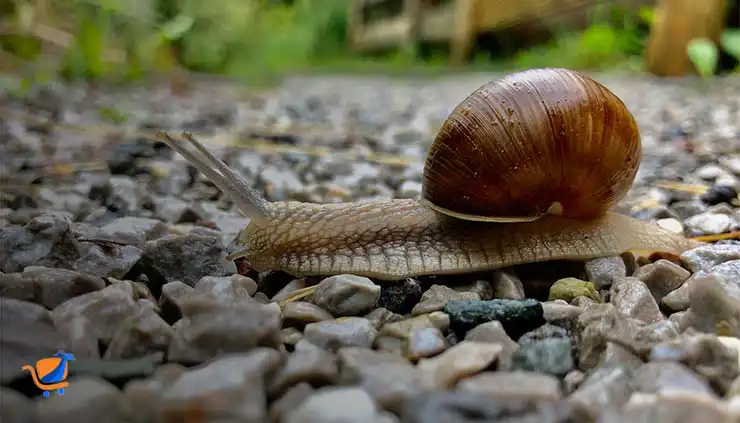
African Land snails are a diverse group of terrestrial mollusks. They are not only integral to their ecosystems but also hold significant cultural and economic value. This is particularly true in African cuisine. These snails are known for their distinct characteristics, including large sizes, unique shell patterns, and varied habitats across the continent. For enthusiasts, farmers, ecologists, and culinary experts, identifying these snails accurately is essential.
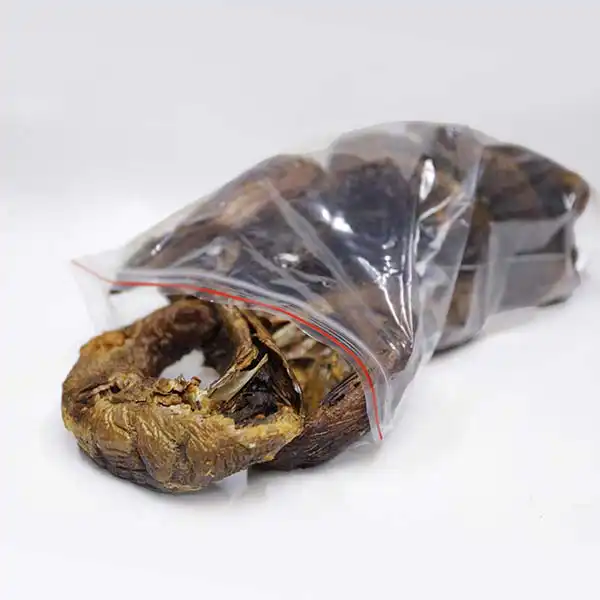
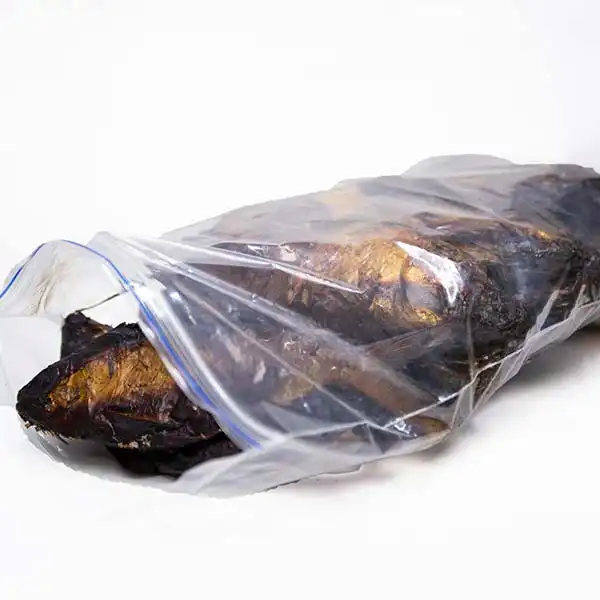
At BaobabMart, we pride ourselves on offering high-quality natural dried snails sourced from Cameroon and other regions in Africa, and we believe in educating our customers about these remarkable creatures. This comprehensive guide will take you through the key features, species, and tips to help you identify African land snails.
Identifying African land snails includes;
Understanding African Land Snails
What Are African Land Snails?
African land snails are terrestrial gastropods found primarily in the tropical and subtropical regions of Africa. These snails are renowned for their size, with some species being among the largest in the world. They play vital roles in their ecosystems, such as aiding in the decomposition of organic material, enriching soil fertility, and serving as a food source for various predators. African land snails are also a significant part of African cuisine and are considered a delicacy in many regions.
Why Is It Important to Identify African Land Snails?
Accurate identification of African land snails is important for several reasons:
- Culinary Purposes: Different species of African land snails are used in traditional dishes. Identifying the right species ensures the desired flavor and texture in culinary preparations.
- Ecological Research: Proper identification aids in ecological studies, helping researchers understand the role of each species in the ecosystem, their interactions, and their impact on vegetation.
- Snail Farming: Identifying different species is crucial in heliciculture (snail farming), where specific species are bred for their economic value, growth rates, and dietary needs.
- Conservation Efforts: Some species of African land snails are threatened by habitat loss and overharvesting. Accurate identification is essential for conservation efforts and ensuring sustainable practices.
Key Characteristics of African Land Snails
1. Shell Shape and Size
The shape and size of a snail’s shell are the most obvious features used in identification.
- Conical Shells: Species like Achatina achatina (Giant African Land Snail) are known for their large, conical shells that can grow up to 30 cm in length. The shell’s size and shape are distinctive, tapering to a pointed tip.
- Globular Shells: The Archachatina marginata (Giant West African Snail) has a more rounded or globular shell, which is generally thick and robust. This shell shape is less tapered and more dome-like compared to the conical shells of other species.
- Variations in Size: The size of the shell varies significantly between species. For example, Achatina achatina is significantly larger than the Limicolaria aurora (Tiger Snail), which has a shell size of up to 10 cm.
2. Shell Color and Pattern
Shell color and pattern are key identifiers for many African land snails.
- Striped or Banded Patterns: The Limicolaria aurora is easily recognizable by its shell’s striking brown and yellow stripes, resembling a tiger’s coat. This pattern makes it one of the most visually distinctive snails.
- Uniform Colors: Some species, like the Pila ovata (Apple Snail), have shells with more uniform coloration, typically greenish-brown. This simpler color pattern contrasts with the more elaborate designs seen in other species.
- Color Variability: In some species, shell color can vary due to environmental factors, genetic variation, or diet, which is why other characteristics should be considered alongside color when identifying a snail.
3. Aperture and Lip Structure
The aperture (opening) and the lip of the snail’s shell provide critical clues for identification.
- Round Aperture: A round or oval aperture, such as that of the Helix aspersa (Common Garden Snail), is a common feature in snails with more compact and rounded shells.
- Elongated Aperture: The Achatina fulica (East African Land Snail) has an elongated aperture that extends along the length of the shell, which is indicative of its more elongated shell structure.
- Thickened Lip: The presence of a thickened lip around the aperture is a distinguishing feature of species like Archachatina marginata. This thickening provides added protection and is a key identifying trait.
4. Body Size and Color
The body, or foot, of the snail, is another important feature in species identification.
- Large Body Size: Larger species like Achatina achatina have a large and muscular foot, which is well-developed and can extend significantly beyond the shell.
- Color Variations: The color of the body can range from dark brown or black to lighter shades, depending on the species. For instance, Archachatina marginata often has a darker body compared to other species.
- Skin Texture: The texture of the snail’s body can vary, with some species having smooth, glossy skin while others have more textured or wrinkled skin.
5. Tentacles and Eyes
The tentacles and eyes of snails serve sensory functions and can be used to distinguish between species.
- Upper Tentacles: These are longer and house the snail’s eyes at their tips. The size and shape of these tentacles can vary between species, providing a distinguishing feature.
- Lower Tentacles: Shorter and primarily used for sensory detection, the lower tentacles can also vary in length and thickness across species.
- Eye Visibility: In some species, the eyes are more prominent and visible, while in others they may be less noticeable. This feature, while subtle, can aid in identification.
6. Habitat Preferences
Understanding where a snail is found can significantly aid in its identification.
- Forest Habitats: Species like Achatina achatina thrive in humid, tropical forests where they feed on a wide variety of vegetation, including leaves and decaying plant matter.
- Agricultural and Urban Areas: The Helix aspersa is commonly found in gardens and agricultural areas, where it often feeds on crops and ornamental plants.
- Aquatic Environments: Freshwater species like Lanistes ovum (Freshwater Snail) are found in rivers, lakes, and ponds, and are adapted to life in aquatic environments.
7. Behavioral Patterns
The behavior of snails, including their activity patterns and feeding habits, can also provide insights for identification.
- Nocturnal Activity: Many African land snails are nocturnal, becoming active at night when humidity levels are higher, which helps them avoid desiccation.
- Feeding Preferences: Different species have specific feeding preferences. For instance, Achatina achatina primarily feeds on leafy greens and fruits, while Helix aspersa has a broader diet that includes various types of vegetation.
- Movement: The speed and manner of movement can vary, with some species being relatively fast movers, while others are more sluggish.
Common African Land Snail Species and How to Identify Them
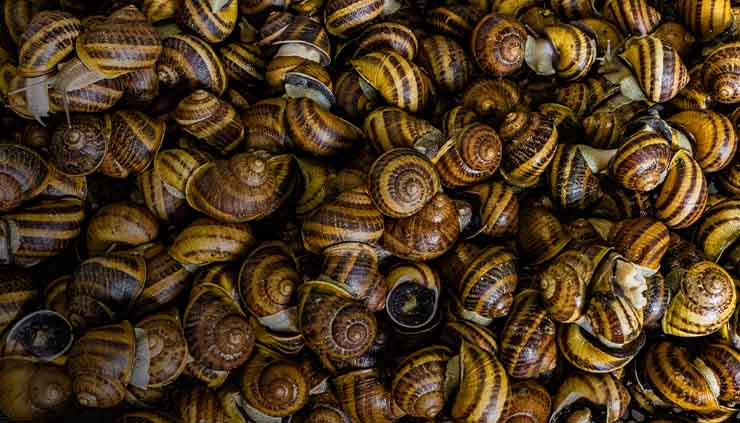
1. Achatina achatina (Giant African Land Snail)
- Shell Shape: Conical and very large, up to 30 cm in length.
- Shell Color: Brown with alternating cream bands.
- Body Color: Dark brown or black.
- Habitat: Tropical forests; prefers humid, damp environments.
- Identification Tips: Look for the large conical shell with a distinctive band pattern.
2. Achatina fulica (East African Land Snail)
- Shell Shape: Elongated and conical, up to 20 cm in length.
- Shell Color: Brown with lighter streaks.
- Body Color: Light to dark brown.
- Habitat: Urban and rural areas, adaptable to various environments.
- Identification Tips: Elongated shell with a prominent lip; more slender than other species.
3. Archachatina marginata (Giant West African Snail)
- Shell Shape: Rounded or globular, up to 20 cm in length.
- Shell Color: Dark brown to light beige.
- Body Color: Dark, almost black.
- Habitat: Forested areas and agricultural plantations.
- Identification Tips: Thick, rounded shell with a dark body; often found in forested regions.
4. Limicolaria aurora (Tiger Snail)
- Shell Shape: Smaller, up to 10 cm in length.
- Shell Color: Brown and yellow stripes, resembling a tiger’s coat.
- Body Color: Light brown.
- Habitat: Moist, forested regions.
- Identification Tips: Striking striped shell with smaller size; found in humid environments.
5. Helix aspersa (Common Garden Snail)
- Shell Shape: Spiral-shaped, up to 4 cm in diameter.
- Shell Color: Light brown or yellowish with darker bands.
- Body Color: Grayish or brown.
- Habitat: Gardens, agricultural fields, and urban areas.
- Identification Tips: Small, rounded shell with a simple spiral pattern; commonly found in gardens.
6. Lanistes ovum (Freshwater Snail)
- Shell Shape: Smooth, rounded, up to 5 cm in diameter.
- Shell Color: Brown or olive green.
- Body Color: Light brown to greenish.
- Habitat: Freshwater bodies such as rivers, lakes, and ponds.
- Identification Tips: Smooth, rounded shell; adapted to aquatic environments.
7. Pila ovata (Apple Snail)
- Shell Shape: Globular, up to 15 cm in diameter.
- Shell Color: Greenish-brown.
- Body Color: Pale to dark brown.
- Habitat: Freshwater environments like rivers and marshes.
- Identification Tips: Large, rounded shell; prefers aquatic habitats.
Tips for Identifying African Land Snails
1. Observe Snails in Their Natural Habitat
Identifying snails in their natural habitat provides context for their behavior, diet, and physical characteristics. Consider environmental factors such as humidity, vegetation type, and time of day when the snails are most active.
2. Use Detailed Field Guides
Field guides specific to African land snails are invaluable tools for identification. These guides often include detailed descriptions, illustrations, and photos that highlight key differences between similar species.
3. Examine the Shell Carefully
Pay close attention to the shell’s shape, size, color, and pattern. The aperture and lip of the shell are particularly important features for distinguishing between species. Use a magnifying glass or other tools if necessary to observe fine details.
4. Compare Multiple Specimens
If possible, compare multiple specimens of the same species to observe variations in shell color, size, and texture. This can help you identify common characteristics that define the species and account for natural variability.
5. Consult Local Experts
Local experts, such as farmers, ecologists, or biologists, can provide valuable insights into the identification of snail species in a specific region. Their knowledge of local fauna can help confirm your identification and provide additional information about the species’ behavior and ecology.
6. Document Your Observations
Keep a detailed record of your observations, including photographs, sketches, and notes on the snail’s habitat, behavior, and physical characteristics. This documentation can be useful for future reference and for sharing with others who may be interested in snail identification.
Conclusion: Identifying African Land Snails
Identifying African land snails is a rewarding experience that enhances your understanding of these fascinating creatures and their roles in the environment, culture, and economy. Whether you are a culinary enthusiast, a researcher, a farmer, or simply a nature lover, knowing how to identify different species of African land snails allows you to appreciate the rich biodiversity of Africa and make informed decisions in your interactions with these snails.
At BaobabMart, we are committed to providing high-quality natural dried snails and other authentic African products while educating our customers about the unique species that thrive in Africa’s diverse ecosystems. By using this guide and applying the identification techniques described, you can explore the world of African land snails with confidence and curiosity.
Explore our selection of natural dried snails and other African delicacies at BaobabMart, and experience the richness and diversity that these remarkable creatures bring to the table. Whether you are preparing a traditional dish or studying snails in the wild, understanding how to identify African land snails is your gateway to a deeper connection with the natural world.